

Jeg har bemærket, at mange virksomhedsejere bruger meget tid på at sammenligne skønhedsmaskiner, men ikke nok tid til at sammenligne skønhedsmaskineproducenterne bag dem.
Det er normalt der, den større risiko sidder.
En maskine kan se imponerende ud i et produktkatalog, en demo video, eller en messestand. Men når det først kommer til reel forretningsbrug, producenten bliver lige så vigtig som selve udstyret. Produktkonsistens, uddannelse, vedligeholdelsesstøtte, reservedele, kommunikationshastighed, tilpasningsmuligheder, og langsigtet pålidelighed afhænger alt sammen af, hvem du vælger at arbejde med.
Derfor bør valget af en skønhedsudstyrsproducent aldrig behandles som en simpel indkøbsopgave. Det er en forretningsbeslutning, der kan præge din servicekvalitet, kundernes resultater, holdets selvtillid, og investeringsafkast i årevis.
Start by Defining What Your Business Actually Needs
Before you compare beauty machine manufacturers, you need to be clear about your own business direction.
That sounds obvious, but it is where many buyers go wrong. They start by asking which manufacturer is the best, when the better question is which manufacturer is the best fit for their business model.
You should first define:
- what types of treatments you want to offer
- what type of clients you serve
- whether you need entry-level or advanced equipment
- whether you want a single hero machine or a broader device portfolio
- what level of after-sales support your team will need
- whether customization or private label solutions matter to your business
A beauty clinic focused on facial maintenance will not evaluate manufacturers the same way a medspa, distributor, aesthetic training center, or beauty equipment brand would.
The more clearly you understand your own treatment goals and commercial direction, the easier it becomes to recognize the right supplier.
Look for a Manufacturer, Not Just a Seller
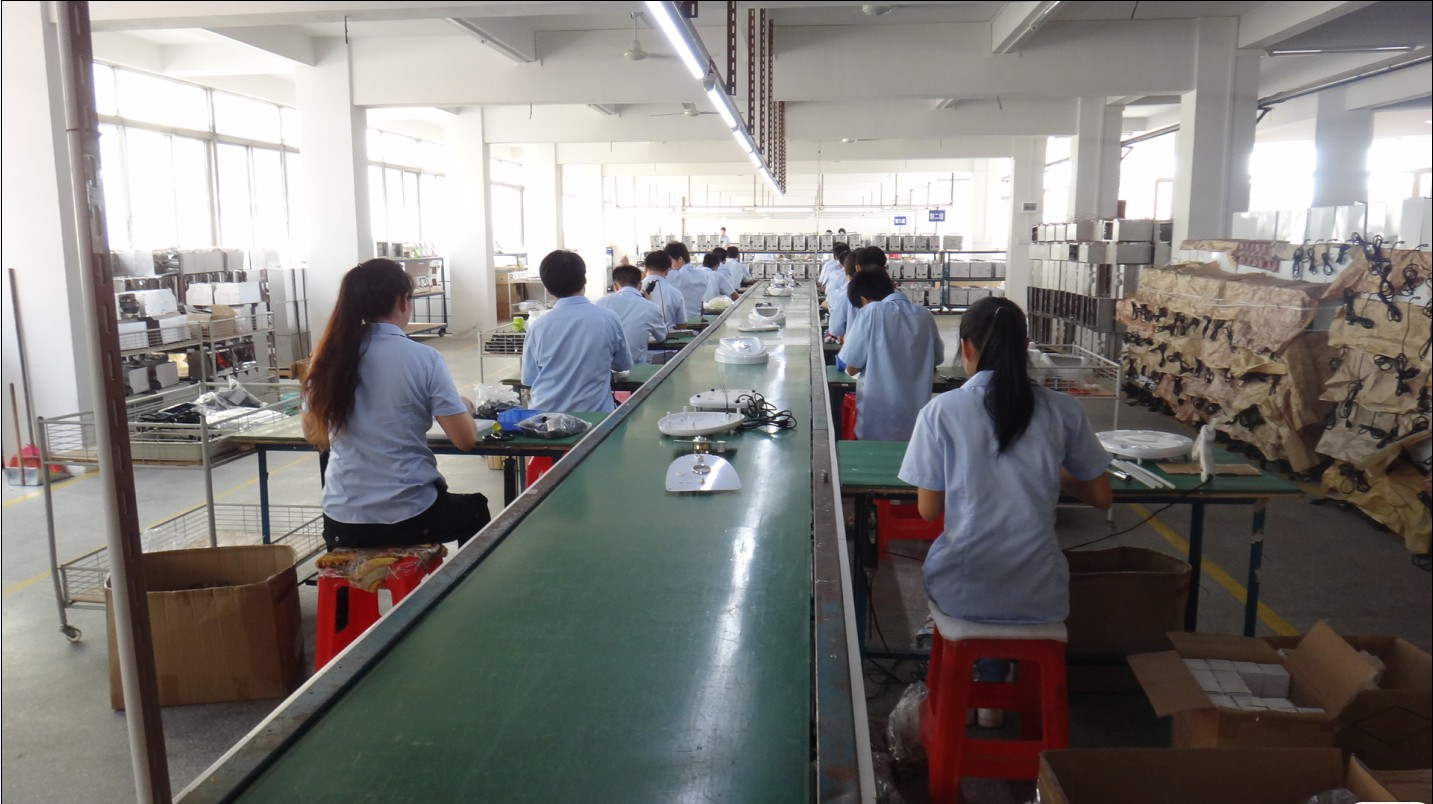
One of the first things I would check is whether I am dealing with a real manufacturer or simply a reseller.
That distinction matters.
A true manufacturer is generally in a stronger position to provide:
- more stable product knowledge
- better technical understanding
- clearer production control
- customization support
- more direct after-sales service
- faster feedback on parts, upgrades, and machine issues
A seller may still offer decent service, but if you are building a long-term business around beauty equipment, it is usually safer to understand exactly where the machine comes from and who controls its development and quality.
I would always want to know who designed the equipment, who assembled it, who tested it, and who will support it after purchase.
Evaluate Product Range with Business Logic
A broad product range can be a strength, but only if it matches your actual business needs.
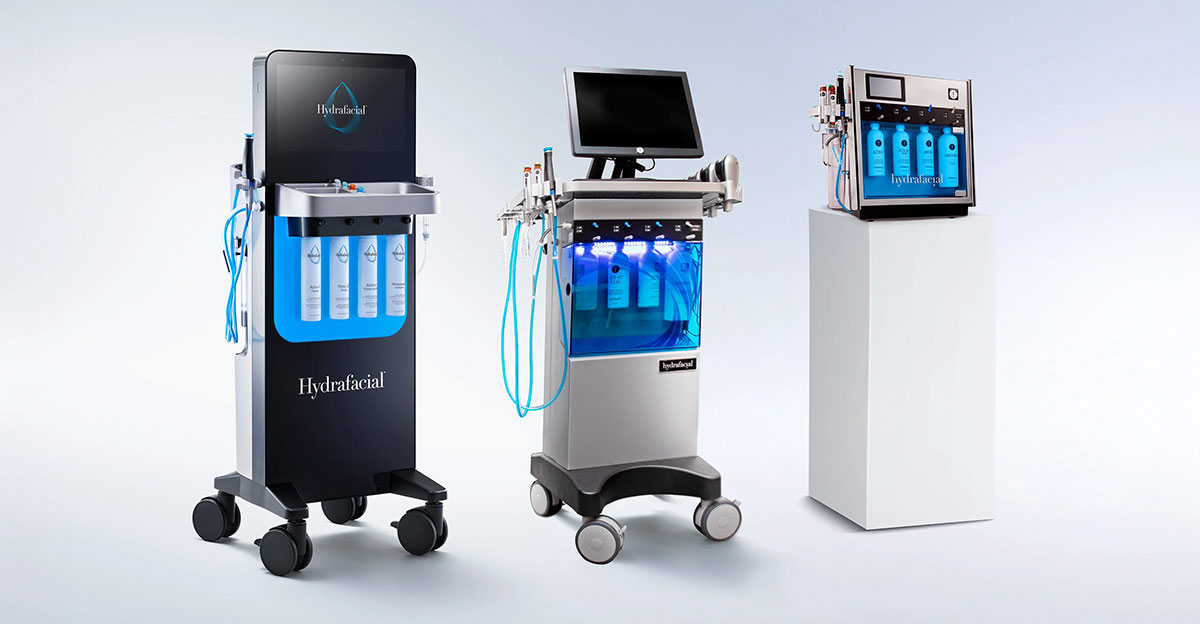
Some manufacturers focus on a few treatment directions and do them well. Others offer a large portfolio covering facial care, kropskonturering, hårfjerning, hudforyngelse, RF treatments, LED systems, hydro facial devices, og mere.
Neither model is automatically better.
What matters is whether the manufacturer’s range aligns with your business plans.
F.eks, if your company wants to build a complete aesthetic equipment line, a manufacturer with broader category coverage may be useful. If your business is focused on one treatment direction, a more specialized manufacturer may offer deeper technical value.
I would not be impressed by product quantity alone. I would ask whether the range feels coherent, praktisk, and relevant to the treatments I actually want to build around.
Check Equipment Quality Beyond the Marketing Claims
Beauty equipment is often marketed with strong language, but your real concern should be how the machines perform in daily business use.
This is where I would look more closely at build quality and operating practicality.
Important points to assess include:
- overall machine construction
- interface clarity
- handpiece quality
- treatment consistency
- durability under repeated use
- maintenance practicality
- replacement part availability
A good manufacturer should be able to explain not just what the machine does, but how it holds up in real clinic or salon environments.
I would also pay attention to whether the manufacturer can speak confidently about machine structure, software logik, treatment workflow, and servicing. When a supplier only repeats sales language and cannot explain the equipment in practical terms, I take that as a warning sign.
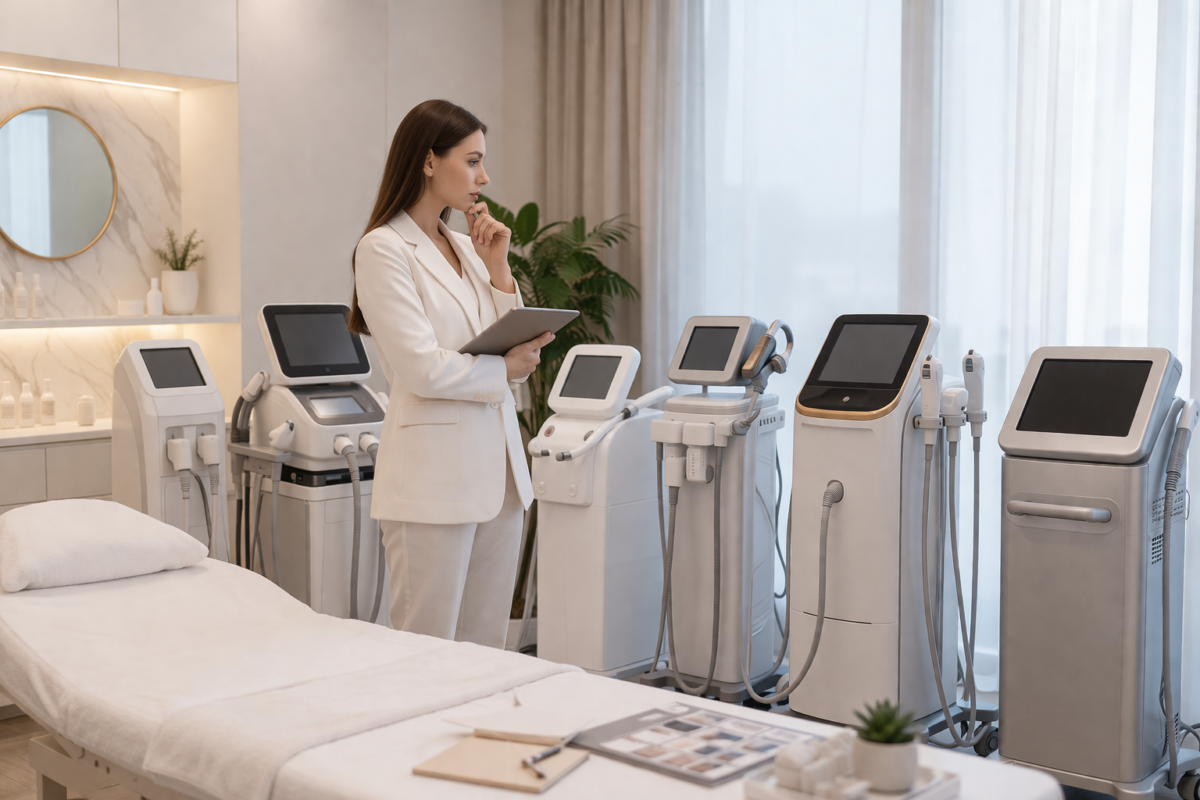
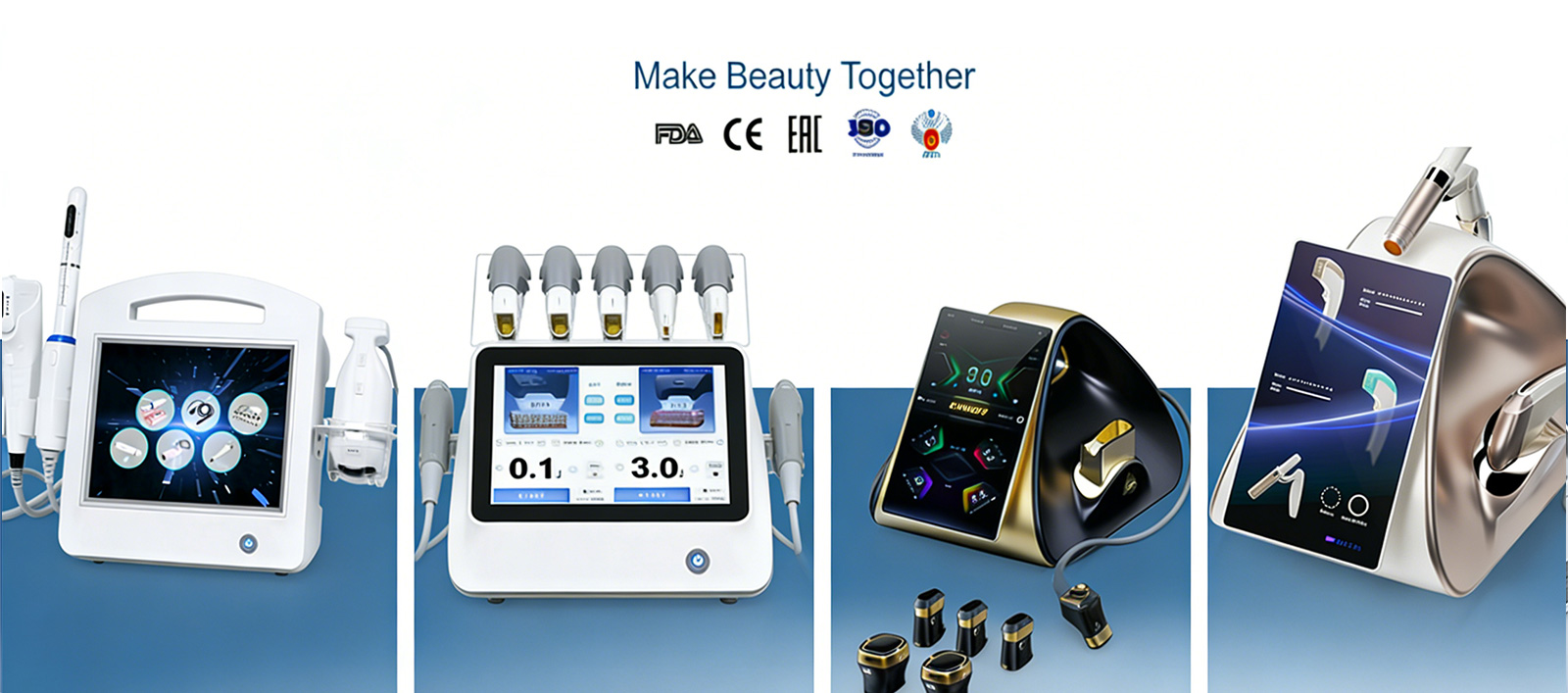
Certifications and Compliance Should Be Taken Seriously
If you are investing in beauty equipment for professional use, certifications and compliance should not be treated as optional talking points.
They matter for business credibility, market access, and risk control.
Depending on your market, you may need to consider documentation, compliance pathways, og produktstandarder, der påvirker, om maskinen er egnet til din tilsigtede brug. En seriøs producent bør være i stand til at forklare, hvilke certificeringer eller understøttende dokumenter de kan levere, og de bør kommunikere dette klart frem for vagt.
Det, jeg ser efter her, er ikke kun tilstedeværelsen af logoer eller certifikatnavne, men producentens evne til at diskutere overholdelse på en direkte og professionel måde.
En pålidelig leverandør bør ikke blive defensiv eller uklar, når du spørger om dokumentation.
Spørg om kvalitetskontrol, Ikke kun produktspecifikationer
Specifikationerne fortæller dig, hvad maskinen skal gøre.
Kvalitetskontrol fortæller dig, hvor konsekvent den vil gøre det.
Dette er en af de mest oversete dele af at vælge en producent af skønhedsudstyr. Mange købere sammenligner funktioner, skærme, håndtag, and design details, but never ask how the machines are checked before shipment.
I would want to understand:
- what testing happens before delivery
- whether machines are inspected unit by unit
- how faults are recorded and managed
- what the packaging and shipping protections look like
- how the manufacturer handles defective units or technical issues
A manufacturer with a structured quality control process is usually easier to trust than one that only focuses on presentation.
Assess the Beauty Machine Manufacturer’s Experience in Your Category
Experience matters, but only when it is relevant.
A company may have been operating for many years, but that does not automatically mean it is the right partner for your equipment category or business model.
Jeg vil hellere arbejde med en producent, der klart forstår min produktretning end en, der blot hævder en lang industrihistorie uden at vise kategorifokus.
Nyttige spørgsmål at stille inkluderer:
- Hvor længe har du fremstillet denne type udstyr?
- Hvilken slags kunder køber normalt denne maskine?
- Hvilke markeder betjener du normalt?
- Støtter du klinikker, distributører, mærkeejere, eller alle tre?
- Hvilke problemer oplever købere i denne kategori normalt?
Kvaliteten af deres svar vil ofte fortælle dig mere end salgsbrochuren.
Uddannelse og teknisk support er en del af produktet
Jeg tror ikke, at skønhedsudstyr nogensinde bør vurderes som et selvstændigt produkt.
Uddannelse og teknisk support er en del af produktet.
Selv en god maskine kan underperforme, hvis køberen får svag onboarding, limited usage guidance, or poor troubleshooting support. This becomes even more important if your team is new to a device category or if you plan to build treatment protocols around the machine.
I would want to know:
- whether training is included
- what training format is offered
- whether treatment guidance is provided
- how installation support works
- how quickly technical issues are answered
- whether the manufacturer can support updates in the future
A manufacturer that disappears after shipment is not offering a complete partnership.
Consider Customization and Branding Possibilities
For nogle virksomheder, standard equipment is enough.
For andre, customization is an important part of the strategy.
If you are a distributor, equipment brand, or business building a more distinct market identity, you may want to ask whether the manufacturer supports:
- logo customization
- panel or interface branding
- packaging customization
- manual customization
- OEM or private label cooperation
- exclusive product arrangements in certain markets
Ikke alle købere har brug for dette. But if branding matters to your business, the manufacturer should be able to discuss it clearly and realistically.
What I usually want to see is not just a yes or no answer, but a structured explanation of what can be customized and what cannot.
Look at Communication Quality Early
Good communication is often an early indicator of what the working relationship will be like later.
I pay attention to things like:
- response speed
- clarity of answers
- willingness to explain technical issues
- honesty about limitations
- consistency between sales talk and follow-up details
If communication is already confusing before purchase, it rarely improves after the money is paid.
A strong manufacturer does not need to sound perfect. But they should sound organized, informed, and straightforward. That usually matters more than polished marketing language.
Compare Long-Term Value, Not Just Price
Price matters, but low price alone rarely tells you whether a manufacturer is the right choice.
The better question is whether the equipment will create good business value over time.
That means looking at:
- purchase cost
- spare parts cost
- maintenance needs
- expected machine lifespan
- training value
- service continuity
- replacement risk
- ability to support future expansion
A cheaper machine can become expensive if support is poor, parts are hard to replace, or downtime affects your treatments. A more expensive machine can be the smarter decision if it gives you better reliability, smoother support, and stronger business usability.
This is why I always prefer to compare total operating logic instead of just invoice totals.
Red Flags to Watch Out For
Over tid, I have seen a few warning signs appear again and again when a manufacturer is not the right fit.
These usually include:
- unclear answers about documentation
- exaggerated performance claims
- weak technical explanations
- no structured training process
- poor responsiveness after initial contact
- no clear policy for service or spare parts
- heavy pressure to close quickly without proper evaluation
If something feels rushed, vague, or overly sales-driven, I would slow the process down. Good manufacturing partnerships usually become clearer when both sides are willing to discuss the details properly.
Choosing the Right Manufacturer Means Choosing the Right Business Partner
At a basic level, you are buying equipment.
But in practice, you are choosing a business partner.
The right beauty equipment manufacturer should help your business do more than complete a transaction. They should make it easier for you to operate with confidence, train your team, maintain treatment quality, and scale in a more stable way.
That is why I do not think the best manufacturer is always the one with the lowest price, the biggest catalog, or the most aggressive sales team.
The best one is usually the one that understands your business goals, communicates clearly, supports you after the sale, and gives you equipment you can rely on.
Afsluttende tanker
When selecting a beauty equipment manufacturer, don’t base your decision solely on the features of the equipment. I stedet, consider whether the company can support your business before, during, and after the purchase.
Partnering with a manufacturer that truly understands your needs will lay a solid foundation for long-term success. Companies like uangelcare, which specialize in advanced beauty care equipment, exemplify the benefits of partnering with industry leaders—these companies not only provide top-tier equipment but also offer comprehensive training and support.