

Skønhedsmaskiner for professionelle er mere end blot værktøjer til behandling. De er forretningsaktiver, der har en direkte indflydelse på kvaliteten af servicen, konsistensen af udnævnelser, kundetilfredshed, og langsigtede driftsomkostninger. Til spabade, æstetiske klinikker, stuer, distributører, og kommercielle købere, vedligeholdelse bør aldrig ses som et mindre teknisk problem, der kun dukker op, når noget går galt.
Jeg har set, at mange virksomheder bruger meget tid på at sammenligne, hvordan maskiner fungerer, før de køber dem, men ikke så meget tid på at opsætte en vedligeholdelsesplan, efter de har installeret dem. Faktisk, hvor godt en skønhedsmaskine bliver plejet kan være lige så vigtig som hvordan den blev valgt i første omgang, når det kommer til dens langsigtede værdi.
En maskine, der er ordentligt rengjort, kontrolleres jævnligt, håndteres forsigtigt, og understøttet med den rigtige tekniske vejledning vil normalt fungere mere konsekvent end en, der bruges meget uden struktur. Den konsistens er vigtig, fordi selv små vedligeholdelseshuller gradvist kan føre til ustabil ydeevne, hygiejnehensyn, nedetid, der kan forhindres, og kortere levetid for udstyret.
I denne guide, Jeg vil nedbryde bedste praksis for vedligeholdelse af skønhedsmaskiner til professionel brug. Jeg dækker dagligt, ugentlig, og månedlige vedligeholdelsesrutiner, almindelige fejl, der forkorter maskinens levetid, forskellene mellem at vedligeholde forskellige typer af æstetiske enheder, og hvorfor eftersalgssupport og operatørtræning er væsentlige dele af professionel udstyrsstyring.
Hvorfor skønhedsmaskinevedligeholdelse er vigtig for professionelle brugere
Vedligeholdelse af skønhedsudstyr handler ikke kun om at holde maskiner rene på overfladen. Det spiller en direkte rolle i præstationen, sikkerhed, omkostningskontrol, og kundeoplevelse.
Først, korrekt vedligeholdelse hjælper med at beskytte behandlingens konsistens. Mange professionelle æstetiske enheder er afhængige af stabilt output, rene kontaktkomponenter, velholdte håndstykker, og pålidelige interne driftsforhold. Når rengøringen er inkonsekvent eller inspektionen er forsinket, behandlingsydelsen kan blive mindre forudsigelig.
Anden, god vedligeholdelse hjælper med at reducere nedetiden. Uventede udstyrsproblemer kan afbryde aftaler, forsinke behandlinger, skabe pres for operatørerne, og skade tilliden til kunderne. Til distributører og virksomheder med flere enheder, gentagne vedligeholdelsesrelaterede problemer kan også øge servicepresset og påvirke kunderelationer.
Tredje, vedligeholdelse hjælper med at beskytte udstyrets levetid. Skønhedsmaskiner repræsenterer ofte en meningsfuld investering, især til professionelle spabade, stuer, klinikker, og importører. Forebyggende pleje er normalt langt mere omkostningseffektivt end at vente på, at undgået slid bliver til større reparationer.
Fjerde, vedligeholdelse understøtter daglig driftsikkerhed. Hold fungerer bedre, når maskinerne er rene, stabil, og let at efterse. Ledere træffer også bedre beslutninger, når vedligeholdelsen er struktureret i stedet for reaktiv.
Budskabet til professionelle brugere er klart: at tage sig af skønhedsmaskiner er lige så vigtigt som at drive forretning godt. Det er en del af, hvor godt en virksomhed klarer sig.
Best Practices for vedligeholdelse af skønhedsudstyr Start med klare systemer
Efter min erfaring, stærke vedligeholdelsesresultater kommer normalt fra systemer, ikke fra gætværk. En virksomhed har ikke brug for et kompliceret vedligeholdelsesprogram, men det kræver en klar en.
Standardiserede driftsprocedurer
Hver maskine bør have en defineret rutine for opstart, behandlingsbrug, nedlukning, rensning, håndtering af tilbehør, og opbevaring. Problemer opstår ofte, når hver enkelt operatør udvikler deres egne vaner.
Personalets træning og brugsdisciplin
Træning bør omfatte mere end behandlingsteknik alene. Operatører skal også forstå håndstykkepleje, kabelbeskyttelse, rengøringsmetoder, krav til opbevaring, og hvordan man identificerer tidlige advarselstegn.
Forebyggende vedligeholdelse i stedet for reaktiv reparation
Professionelle brugere sparer normalt mere tid og omkostninger, når de forhindrer problemer tidligt i stedet for at vente, indtil enheden fejler i aktiv brug.
Vedligeholdelsesjournaler og servicelogs
Selv en simpel vedligeholdelseslog hjælper med at spore rengøringen, inspektioner, synligt slid, udskiftning af dele, usædvanlig adfærd, og understøtte kommunikation. Dette gør fejlfinding mere effektiv senere.
Pålidelig eftersalg og teknisk support
Interne teams kan håndtere mange daglige vedligeholdelsesopgaver, men ikke alle problemer bør løses uden vejledning. Teknisk support, reservedels planlægning, og struktureret fejlfinding er vigtige dele af langsigtet maskinstyring.
Daglig vedligeholdelse af skønhedsmaskiner
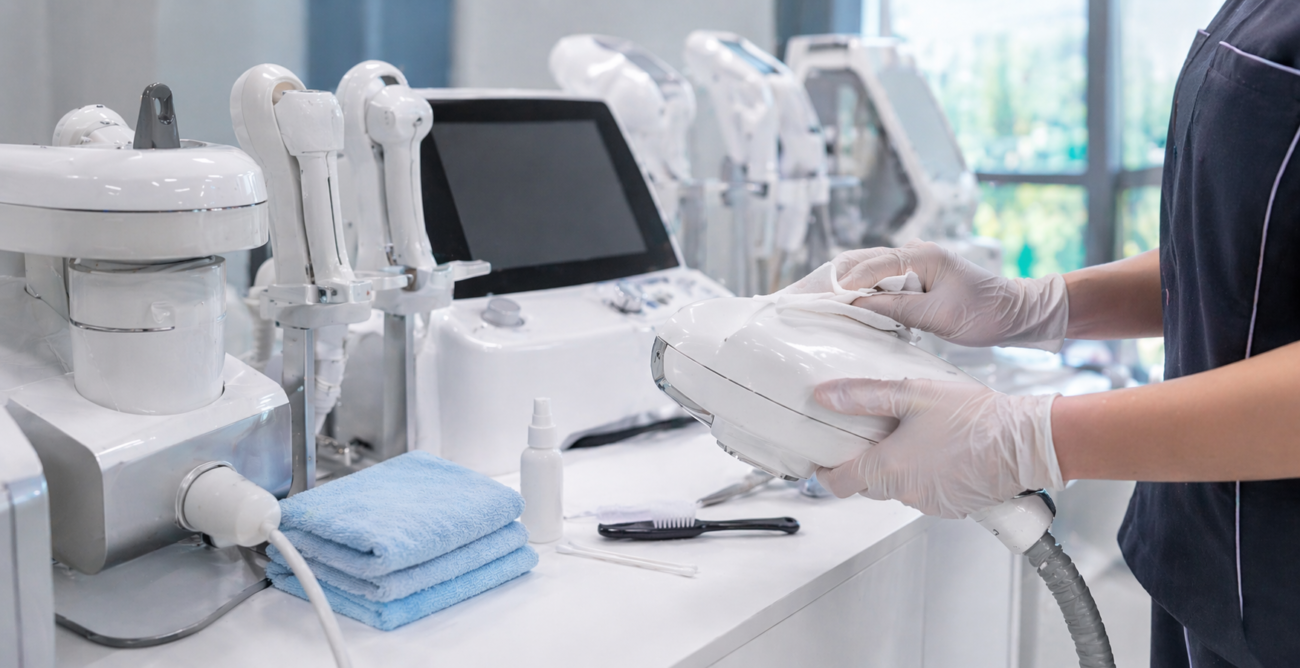
Daglig pleje er den vigtigste del af at holde professionelle skønhedsmaskiner i god stand. Rutine hjælper med at holde produktrester, fugtighed, håndtering af skader, og små problemer med brug fra at blive til større serviceproblemer.
Rengør alle dele, der berører hud eller behandling.
Du bør rense enhver del, der kommer i direkte kontakt med huden, serum, gel, væskestrøm, eller forbrugsvarer i henhold til brugsanvisningen. Dette kunne omfatte sonder, applikatorer, håndstykker, behandlingshoveder, aftageligt tilbehør, tanke, og slangerelaterede kontaktområder.
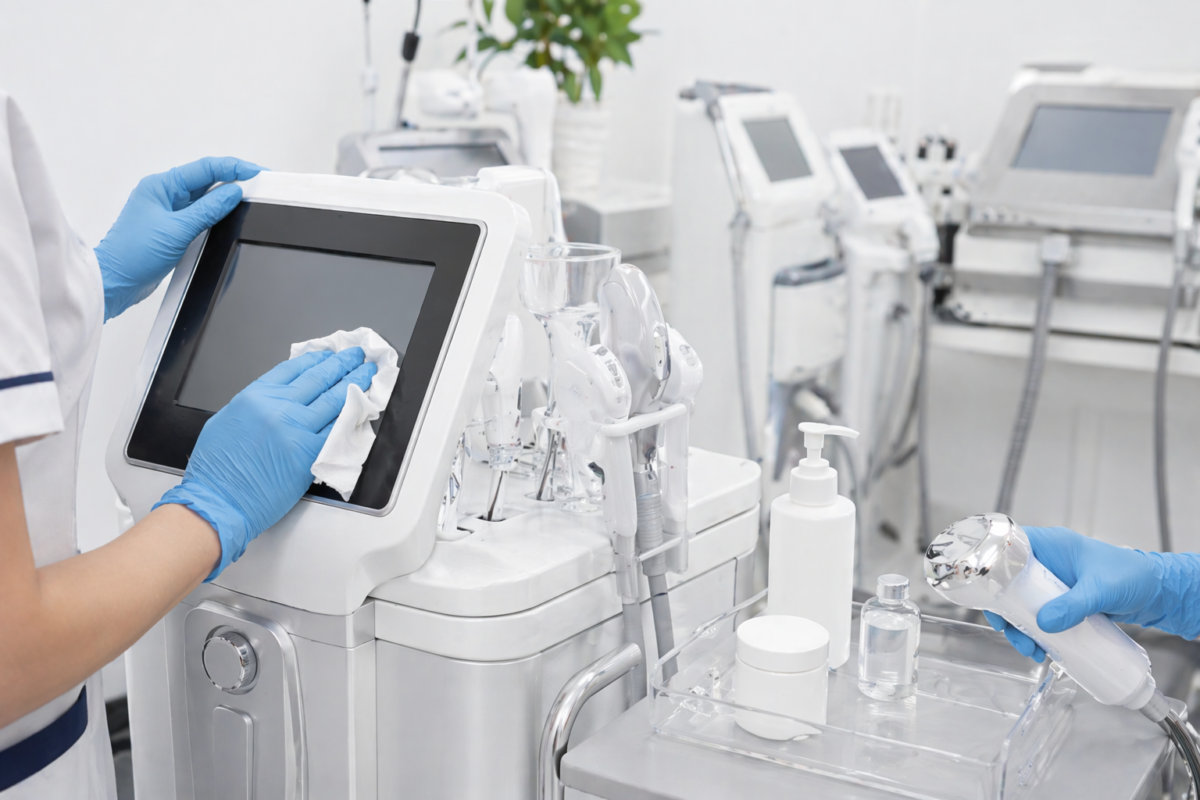
Efter brug af maskinen, rengør ydersiden.
Du bør beholde maskinens krop, kontrolområder, opbevaringsholdere, berøringsflader, og nærliggende arbejdsområder rene. Det er vigtigt at holde overfladerne rene for både udseende og god daglig pleje af udstyr.
Tjek kablerne, håndtag, og stik.
Et hurtigt kig hver dag kan hjælpe dig med at finde løse stik, belastede kabler, slidte håndtag, eller ting, der er det forkerte sted. Det meste af tiden, problemer, der kunne have været undgået, starter med fysisk fejlhåndtering i stedet for en fejl i selve systemet.
Korrekt tom, tørre, eller håndtere dele, der har væske i sig
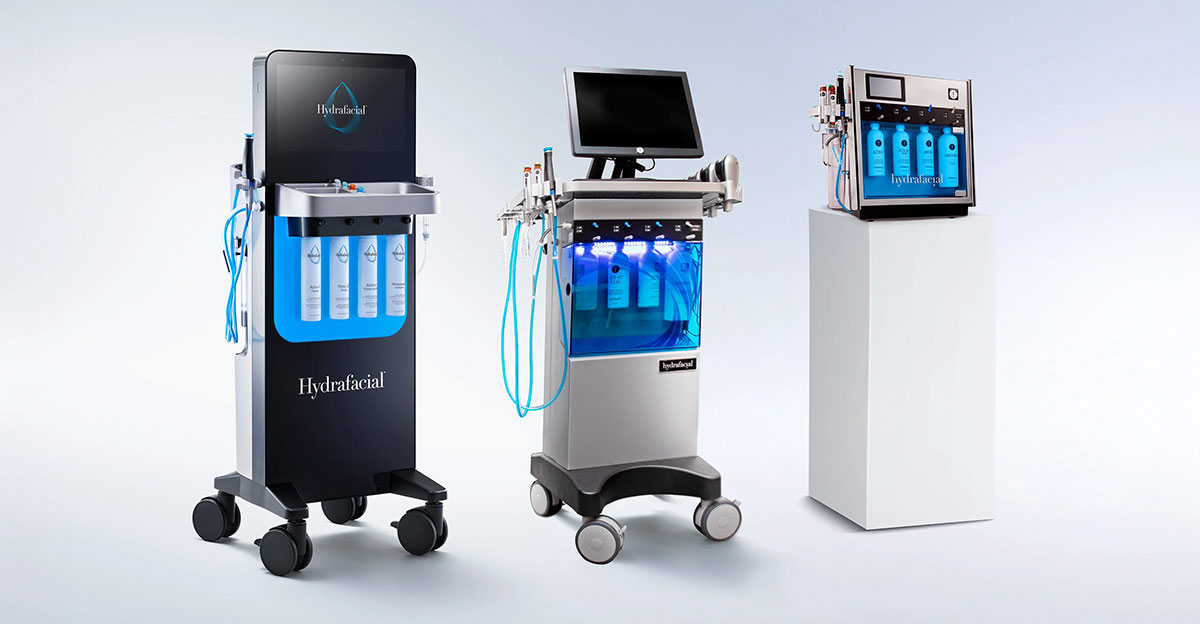
Operatører bør følge de rigtige trin for dræning, tørring, og opbevaring af dele til hydrofaciale maskiner, iltsystemer, og andet vand- eller væskerelaterede enheder.
Læg håndstykker og tilbehør væk på den rigtige måde
Kabler bør ikke bruges til at hænge håndstykker op eller lade dem hvile løst på ustabile overflader. Efter brug, de skal lægges tilbage i deres holdere eller opbevares det rigtige sted.
Gør det rigtige, når du lukker ned
Som en del af vedligeholdelsen, der er en rutine for sikker nedlukning. Pludselig afbrydelse af strømmen eller at springe over normale nedlukningstrin kan lægge ekstra pres på nogle systemer over tid.
Ugentlig skønhedsmaskineinspektionsliste
Ugentlig vedligeholdelse bør omfatte mere end blot rengøring af overfladen hver dag. På dette tidspunkt, virksomheder bør lede efter mønstre, tidlige tegn på slid, og små risici, før de bliver til problemer, der påvirker driften.
Se efter tegn på slid på ydersiden
Tjek håndstykkerne, hjul, rør, stik, behandlingsråd, sæler, og kabler til eventuelle tegn på stress, løshed, revner, eller skade fra at blive håndteret for meget.
Tjek opstart og systemrespons
Du bør kontrollere, at maskiner starter normalt, at styringen virker, at displayet forbliver stabilt, og at tilbehøret er sikkert forbundet.
Tjek forbrugsstofferne og aftageligt tilbehør.
Nogle maskiner har patroner, filtre, tips, dyser, eller andre dele, der kan udskiftes. En ugentlig gennemgang sikrer, at slidte dele ikke bliver brugt for længe.
Rengør ventilationen og de områder omkring den, hvor tingene opbevares.
Støv, der samler sig omkring ventilationsåbninger, maskinbaser, og lagerområder kan langsomt beskadige maskiner. Et rent miljø hjælper med at holde ydeevnen stabil.
Tjek, at medarbejderne bruger tingene korrekt
Ugentlige anmeldelser er et godt tidspunkt at finde ud af, om operatørerne virkelig følger de rengørings- og opbevaringsregler, som ledelsen ønsker, at de skal.
Skønhedsudstyr har brug for månedlig forebyggende vedligeholdelse.
Månedlig vedligeholdelse bør være mere organiseret og mindre reaktiv. Det er her, en virksomhed ser på sine maskiners tilstand fra et større billede synspunkt.
Foretag en mere grundig kontrol af maskinens tilstand
Dette kan omfatte hele enhedens tilstand, håndstykket, synligt slid på tilbehør, tanken, slangen, kontrollens reaktionsevne, hjulene, og strømkomponenterne.
Tjek journalen over vedligeholdelse
En månedlig gennemgang af logfiler kan vise, at problemer bliver ved med at ske, fejl, der bliver ved med at ske, eller de første tegn på, at et servicebehov bliver større.
Tjek for konsistens i output, når det er nødvendigt.
Til nogle typer udstyr, ensartet ydeevne er lige så vigtig som hvor rent det ser ud. En månedlig gennemgang kan hjælpe dig med at se, om maskinen stadig ser ud til at fungere på en stabil måde.
Udskift rutinedele som foreslået
Det meste af tiden, det er bedre at udskifte noget, før det går i stykker, end efter det går i stykker. En virksomhed, der skifter dele til tiden, har normalt færre serviceafbrydelser, som kunne undgås.
Tjek, om teknisk support er klar
Månedlige anmeldelser er også et godt tidspunkt at tjekke servicekontakter, reservedels planer, støttedokumenter, og operatørvejledninger.
Foreslået tidsplan for vedligeholdelse af skønhedsmaskiner
En enkel vedligeholdelsesstruktur gør det lettere for teams at udføre deres arbejde.
Daglige vedligeholdelsesopgaver
- Rengør hudkontaktdele og behandlingskontakttilbehør
- Tør maskinen udvendigt af
- Efterse kabler, stik, og håndstykker
- Tør eller håndter vandrelaterede dele korrekt
- Opbevar tilbehør i de rigtige positioner
- Følg den korrekte nedlukningsproces
Ugentlige vedligeholdelsesopgaver
- Undersøg for slitage og håndteringsskader
- Test maskinens opstart og grænsefladestabilitet
- Tjek forbrugsstoffer og aftageligt tilbehør
- Rengør ventilationsåbninger og maskinens omgivelser
- Gennemgå personalets driftsvaner
Månedlige vedligeholdelsesopgaver
- Udfør en dybere tilstandsinspektion
- Gennemgå serviceregistreringer og operatørnoter
- Kontroller ydeevnestabilitet, hvor det er relevant
- Udskift anbefalede rutinedele
- Bekræft teknisk support og reservedelsplanlægning
Almindelige fejl ved vedligeholdelse af skønhedsmaskiner, der skal undgås
Mange serviceproblemer starter med små ting, der i starten ikke virker som en stor sag. Dette er nogle af de mest almindelige fejl, folk begår, når de laver vedligeholdelse, som jeg ville holde mig fra.
Rengøring, der ikke altid bliver gjort
Det er en fejl kun at rengøre maskinen, når den ser snavset ud. Der kan ophobes rester i lang tid, før de dukker op.
Brug de forkerte værktøjer til at rengøre
Stærke kemikalier, for meget fugt, de forkerte desinfektionsmidler, eller forkerte klude kan skade overflader eller tilbehør.
Håndtering af håndstykket groft
Tab af håndstykker, snoede kabler, trække stik, eller ikke at være forsigtig, når du opbevarer sonder, kan alt sammen hurtigt forkorte en maskines levetid.
Ignorerer små advarselsskilte
Du bør ikke ignorere et løst kabel, mærkelig støj, ustabil respons, eller mindre afbrydelse, der bliver ved med at ske. At reparere noget med det samme er normalt billigere end at vente på at rette det.
Putting off preventive replacement
If you wait until filters, patroner, tips, or accessories completely fail, you could end up with a maintenance problem that causes downtime.
Letting staff who aren’t trained use equipment
One of the most common reasons for maintenance problems is not enough training. When you use something wrong, it can often become hidden wear.
Using the same maintenance method on all types of machines
Different aesthetic devices need different kinds of care. A general maintenance routine is not usually enough for a professional equipment environment.
How to Care for Different Kinds of Beauty Machines
One of the most important things to remember when taking care of beauty machines is that different types of machines need different types of care.
Bedste måder at passe på din hydrofacial maskine
Ved brug af hydrofacial maskiner og andre vandbaserede ansigtssystemer, du skal normalt være mere opmærksom på tankene, rør, behandlingshoveder, og affaldshåndtering.
Det er meget vigtigt at rengøre disse enheder godt efter hver brug, især på steder, hvor væske, serum, sugning, eller der er tale om affaldsstrøm. Operatører bør være meget opmærksomme på tørring, kontrollere væskerester, og korrekt håndtering af aftagelige behandlingsdele. Dårlig væskehåndtering kan påvirke både hygiejne og ydeevne.
Sådan passer du på din RF-skønhedsmaskine
RF maskiner ofte stole på rene behandlingshoveder, et velholdt håndstykke, og omhyggelig håndtering af kablerne.
Det er vigtigt at holde ledende overflader rene, undgå skader fra stød, og opbevar håndstykker sikkert efter brug for RF-enheder. Det er vigtigt at reparere snoede eller belastede kabler så hurtigt som muligt, især i travle behandlingsrum, hvor operatører flytter meget rundt på udstyr.
Vedligeholdelse af IPL og Laser Beauty Machines
Det meste af tiden, IPL- og laserenheder har brug for mere vedligeholdelse, der er følsom over for ydeevne. Disse maskiner har brug for stabil produktion, god afkøling, rene behandlingsvinduer, og servicesupport, der er til tiden.
Du bør holde behandlingshoveder og overflader, der udsender lys, rene og sikre. Du bør være opmærksom på systemadvarsler, mærkelig adfærd, og tidspunkter, hvor vedligeholdelse er planlagt. I denne gruppe, Forebyggende pleje er meget vigtig, fordi ændringer i ydeevne kan have en direkte indvirkning på behandlingsresultater og brugertillid.
Instruktioner til at tage sig af HIFU maskine
HIFU-enheder har normalt brug for omhyggelig håndtering af patronerne, sikker styring af forbindelserne, og disciplineret drift af behandlingen.
Denne kategori skal være meget præcis. Du bør opbevare patroner og andre relaterede genstande på et sikkert sted, holde dem sikre mod hårdhændet håndtering, og tjek dem for at sikre, at de stadig er brugbare. Det er bedre at rapportere mærkelig adfærd tidligt end at ignorere det.
Sådan passer du på din iltansigtsmaskine
Rengøring af dyserne, rør, væskekanaler, og andre dele, der kan fjernes fra iltansigtsmaskiner, sprøjtesystemer, og andre hudplejeapparater er ofte nødvendige.
Disse systemer kan bruge luftstrøm, forstøvning, eller væskebevægelse. Hvis de ikke er renset ordentligt, de kan blive blokeret, efterlade rester, eller levere behandling på en ustabil måde. Det er også vigtigt at tørre tingene ordentligt.
Operatøruddannelse er ikke kun et HR-job; det er også en måde at holde tingene kørende.
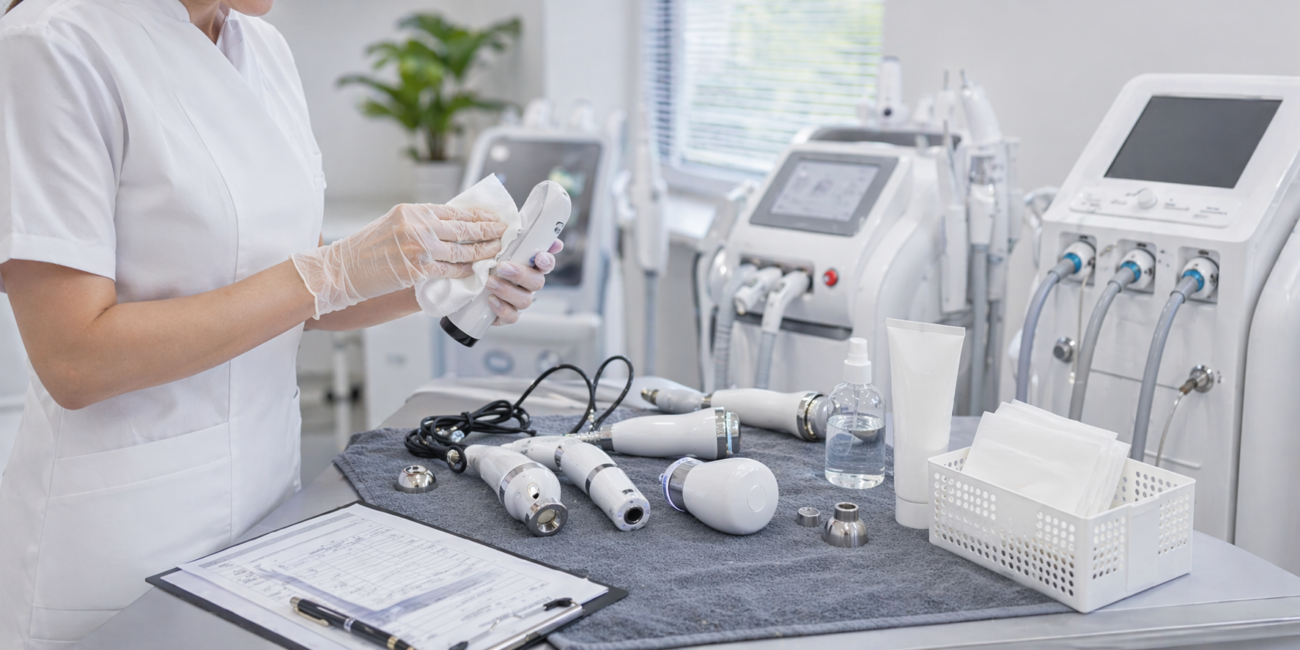
Jeg tænker ikke på træning og vedligeholdelse som to forskellige ting. Træning er en del af vedligeholdelsen ved brug af professionelle skønhedsværktøjer.
En operatør, der er blevet uddannet godt, er mere tilbøjelig til at gøre det:
- håndtere maskinen forsigtigt
- rengør tilbehøret korrekt
- identificere usædvanlig adfærd tidligere
- følg opsætnings- og nedlukningstrinene konsekvent
- reducere det undgåelige slid forårsaget af forkert brug
En operatør, der ikke har fået nok træning, kan stadig prøve at gøre det rigtige, men uden klare instruktioner, små fejl kan føje op til store problemer med udstyret.
Virksomheder, der ønsker, at deres maskiner skal holde længere og har færre problemer, bør bruge penge på både maskinerne og uddannelse af deres operatører.
Sådan hjælper vedligeholdelsesregistre spas, Klinikker, og distributører
Vedligeholdelsesregistreringer er nyttige for virksomheder, der kun har én maskine. They are very important for businesses that have more than one machine.
A maintenance log might have:
- cleaning confirmation
- inspection dates
- operator notes
- visible wear observations
- parts replacement history
- technical support communication
- service visit details
- recurring performance concerns
These records help teams stay on track and make conversations about support much more productive. They also help distributors and commercial buyers handle multiple units more professionally across clients or locations.
When you should call in professional technical support
Not every problem should be solved within the company. Part of taking care of your equipment is knowing when to escalate.
Technical support should usually be contacted when:
- the machine shows repeated warnings
- output seems unstable
- treatment response changes without a clear reason
- a handle, kabel, or connector behaves abnormally
- normal cleaning and reset routines do not solve the issue
- scheduled service or replacement guidance is needed
- visible damage affects operation confidence
Trying to keep using a machine that is showing signs of trouble can make it more likely that it will break down. A lot of the time, getting help right away is the safer and more efficient choice.
How uangelcare helps equipment work well for a long time
We at uangelcare think that support for equipment should last long after it has been delivered.
After installation, when daily questions start to come up about how to use, clean, maintain, service, troubleshoot, and keep things running smoothly, the real difference between suppliers becomes clear to many buyers.
Derfor lægger vi stor vægt på eftersalgssupport, praktiske råd, og teknisk kommunikation, der hjælper kunder med at føle sig mere sikre på at bruge deres maskiner.
Vores hjælp kan omfatte følgende, afhængigt af typen af udstyr og projektets behov:
- vejledning til korrekt daglig drift
- praktiske vedligeholdelsesanbefalinger
- fejlfindingssupport til almindelige problemer
- hjælpe med at forstå servicebehov
- støtte til planlægning af reservedele og udskiftning
- kommunikationsstøtte til distributører, kurbade, klinikker, og kommercielle købere
Vi mener, at professionelt skønhedsudstyr ikke bare skal sælges og så ignoreres. Det bør understøttes på en måde, der hjælper kunder med at reducere risikoen for nedetid, beholde værdien af deres maskiner, og køre mere jævnt over tid.
Den støttetankegang er vigtig for spabade, klinikker, distributører, og folk, der køber skønhedsudstyr.
Afsluttende tanker
I teorien, det er ikke svært at holde skønhedsmaskiner i god form, men i praksis, det kræver meget disciplin.
Ikke alle virksomheder, der køber de dyreste maskiner, får den mest langsigtede værdi af dem. Det er dem, der laver bedre vedligeholdelsesplaner, træne deres personale tydeligere, opdage små problemer hurtigere, og arbejde med leverandører, der tilbyder pålidelig teknisk support.
Hvis jeg skulle opsummere hele emnet på en brugbar måde, det ville være dette: skønhedsmaskiner fungerer bedre, når vedligeholdelse er en del af hverdagen i stedet for at blive udskudt, indtil noget går galt.
Det betyder at sammensætte et overskueligt vedligeholdelsessystem til spabade, klinikker, stuer, distributører, og erhvervskøbere, der inkluderer daglig rengøring, ugentlige inspektioner, månedlige forebyggende gennemgange, personaleansvar, og professionel eftersalgssupport.
Det er den slags langsigtede udstyrssupport, vi tror på uangelcare.