

J'ai remarqué que de nombreux propriétaires d'entreprise passent beaucoup de temps à comparer les appareils de beauté, mais pas assez de temps pour comparer les fabricants de machines de beauté derrière eux.
C’est généralement là que réside le plus gros risque.
Une machine peut paraître impressionnante dans un catalogue de produits, une vidéo de démonstration, ou un stand de salon professionnel. But once it enters real business use, the manufacturer becomes just as important as the equipment itself. Product consistency, entraînement, maintenance support, des pièces de rechange, communication speed, customization options, and long-term reliability all depend on who you choose to work with.
That is why choosing a beauty equipment manufacturer should never be treated as a simple sourcing task. It is a business decision that can shape your service quality, client results, team confidence, and return on investment for years.
Start by Defining What Your Business Actually Needs
Before you compare beauty machine manufacturers, you need to be clear about your own business direction.
That sounds obvious, but it is where many buyers go wrong. They start by asking which manufacturer is the best, when the better question is which manufacturer is the best fit for their business model.
You should first define:
- what types of treatments you want to offer
- what type of clients you serve
- whether you need entry-level or advanced equipment
- whether you want a single hero machine or a broader device portfolio
- what level of after-sales support your team will need
- whether customization or private label solutions matter to your business
A beauty clinic focused on facial maintenance will not evaluate manufacturers the same way a medspa, distributor, aesthetic training center, or beauty equipment brand would.
The more clearly you understand your own treatment goals and commercial direction, the easier it becomes to recognize the right supplier.
Look for a Manufacturer, Not Just a Seller
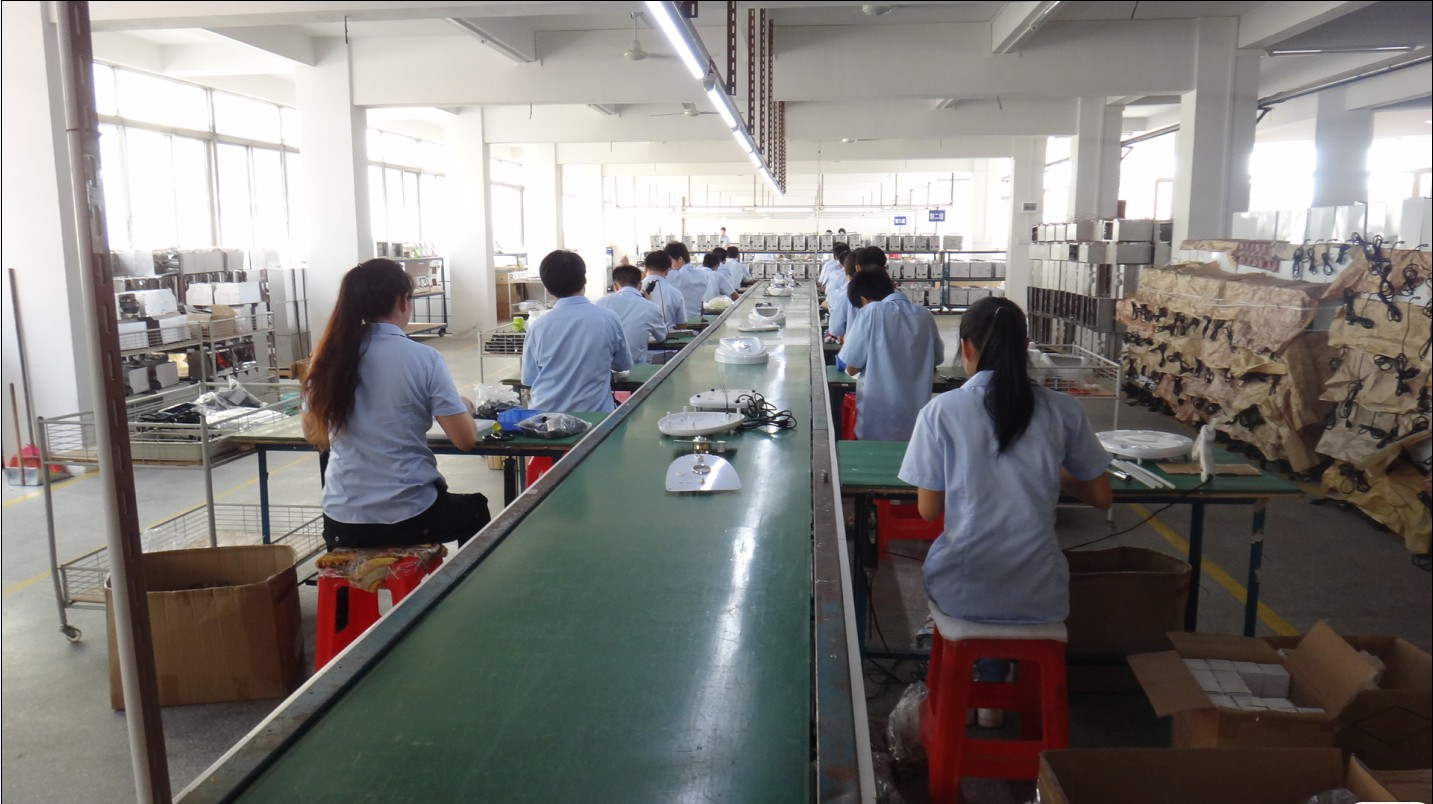
One of the first things I would check is whether I am dealing with a real manufacturer or simply a reseller.
That distinction matters.
A true manufacturer is generally in a stronger position to provide:
- more stable product knowledge
- better technical understanding
- clearer production control
- customization support
- more direct after-sales service
- faster feedback on parts, upgrades, and machine issues
A seller may still offer decent service, but if you are building a long-term business around beauty equipment, it is usually safer to understand exactly where the machine comes from and who controls its development and quality.
I would always want to know who designed the equipment, who assembled it, who tested it, and who will support it after purchase.
Evaluate Product Range with Business Logic
A broad product range can be a strength, but only if it matches your actual business needs.
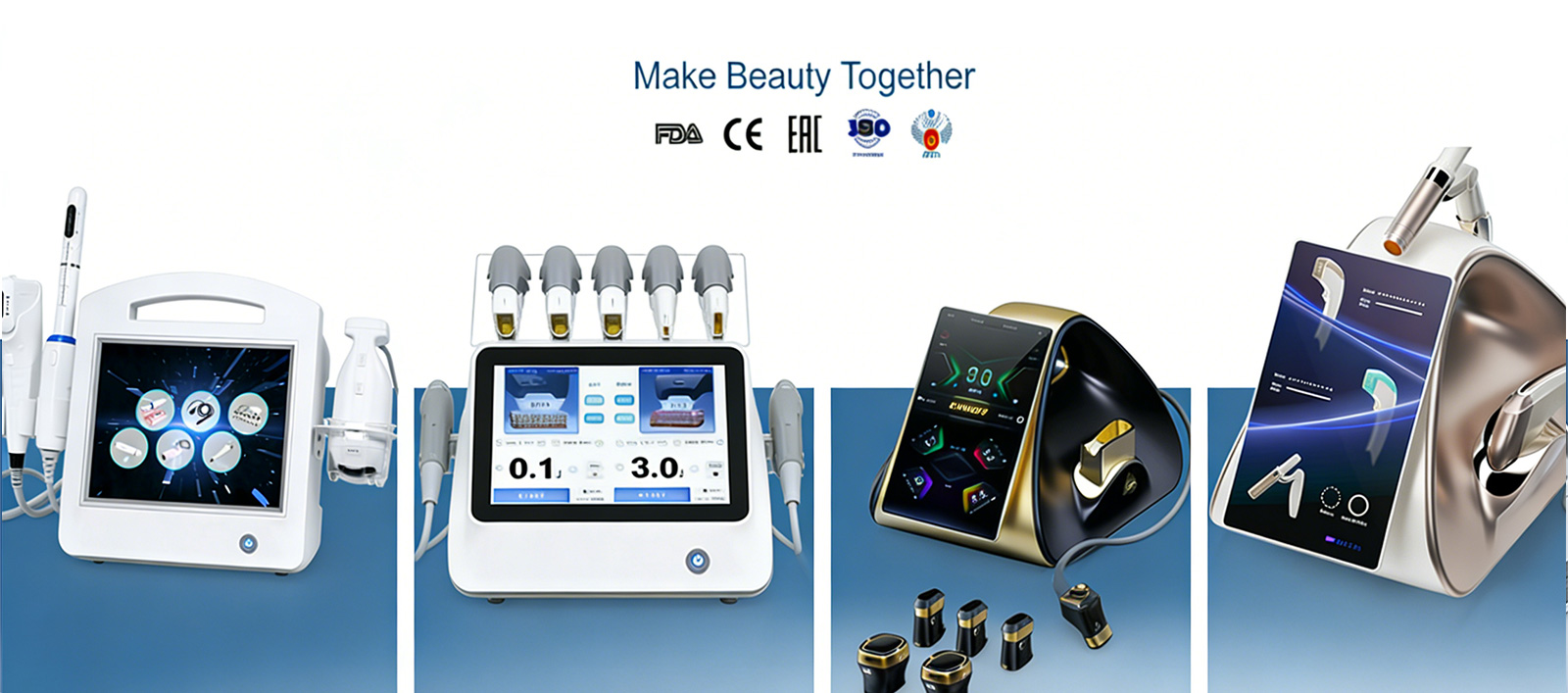
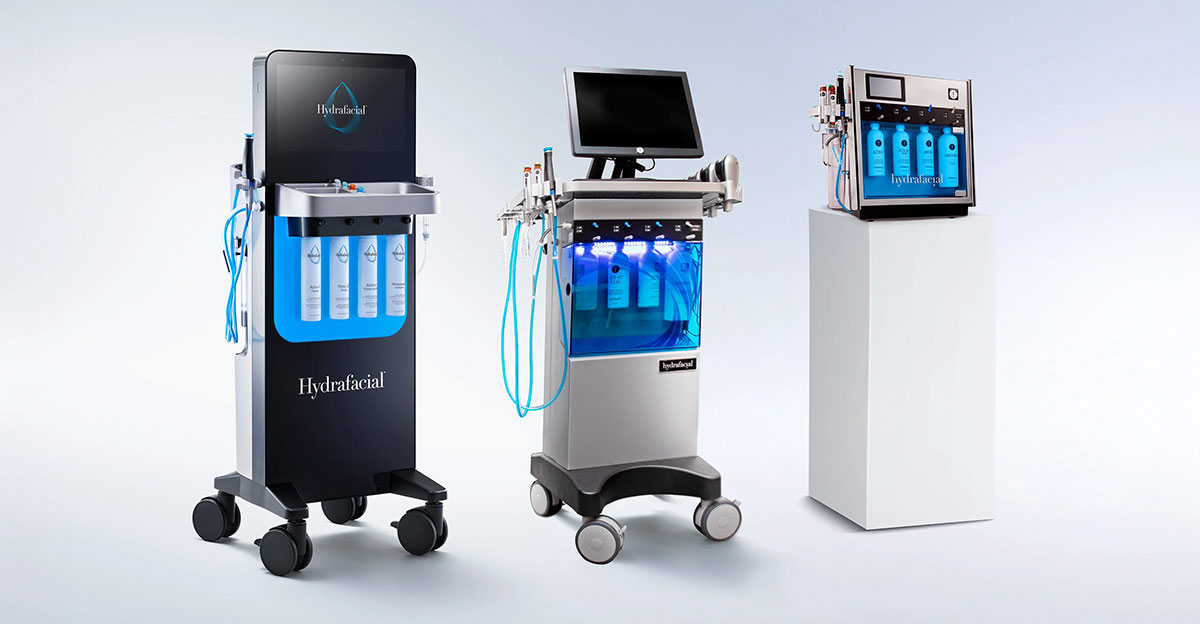
Some manufacturers focus on a few treatment directions and do them well. Others offer a large portfolio covering facial care, remodelage du corps, épilation, rajeunissement de la peau, RF treatments, LED systems, hydro facial devices, et plus.
Neither model is automatically better.
What matters is whether the manufacturer’s range aligns with your business plans.
Par exemple, if your company wants to build a complete aesthetic equipment line, a manufacturer with broader category coverage may be useful. If your business is focused on one treatment direction, a more specialized manufacturer may offer deeper technical value.
I would not be impressed by product quantity alone. I would ask whether the range feels coherent, pratique, and relevant to the treatments I actually want to build around.
Check Equipment Quality Beyond the Marketing Claims
Beauty equipment is often marketed with strong language, but your real concern should be how the machines perform in daily business use.
This is where I would look more closely at build quality and operating practicality.
Important points to assess include:
- overall machine construction
- interface clarity
- handpiece quality
- cohérence du traitement
- durability under repeated use
- maintenance practicality
- disponibilité des pièces de rechange
A good manufacturer should be able to explain not just what the machine does, but how it holds up in real clinic or salon environments.
I would also pay attention to whether the manufacturer can speak confidently about machine structure, software logic, treatment workflow, and servicing. Lorsqu'un fournisseur ne fait que répéter un langage commercial et ne peut pas expliquer l'équipement en termes pratiques, Je prends ça comme un signe d'avertissement.
Les certifications et la conformité doivent être prises au sérieux
Si vous investissez dans du matériel de beauté à usage professionnel, les certifications et la conformité ne doivent pas être traitées comme des sujets de discussion facultatifs.
Ils comptent pour la crédibilité des entreprises, accès au marché, et contrôle des risques.
Selon votre marché, vous devrez peut-être considérer la documentation, voies de conformité, et les normes de produits qui déterminent si la machine est adaptée à l'utilisation prévue. Un fabricant sérieux doit être en mesure d’expliquer quelles certifications ou pièces justificatives il peut fournir, et ils devraient le communiquer clairement plutôt que vaguement.
Ce que je recherche ici, ce n'est pas seulement la présence de logos ou de noms de certificats, but the manufacturer’s ability to discuss compliance in a direct and professional way.
Un fournisseur digne de confiance ne doit pas devenir sur la défensive ou être incertain lorsque vous lui posez des questions sur la documentation..
Renseignez-vous sur le contrôle qualité, Pas seulement les spécifications du produit
Les spécifications vous indiquent ce que la machine est censée faire.
Le contrôle qualité vous indique la cohérence avec laquelle il le fera.
C’est l’un des éléments les plus négligés lors du choix d’un fabricant d’équipement de beauté.. De nombreux acheteurs comparent les fonctions, écrans, poignées, et détails de conception, mais ne demandez jamais comment les machines sont vérifiées avant expédition.
je voudrais comprendre:
- quels tests ont lieu avant la livraison
- si les machines sont inspectées unité par unité
- comment les défauts sont enregistrés et gérés
- à quoi ressemblent l'emballage et les protections d'expédition
- comment le fabricant gère les unités défectueuses ou les problèmes techniques
Il est généralement plus facile de faire confiance à un fabricant doté d'un processus de contrôle qualité structuré qu'à un fabricant qui se concentre uniquement sur la présentation..
Évaluez l’expérience du fabricant de machines de beauté dans votre catégorie
L’expérience compte, mais seulement quand c'est pertinent.
Une entreprise peut être en activité depuis de nombreuses années, mais cela ne signifie pas automatiquement qu'il s'agit du bon partenaire pour votre catégorie d'équipement ou votre modèle économique..
Je préfère travailler avec un fabricant qui comprend clairement l'orientation de mon produit plutôt qu'un fabricant qui revendique simplement une longue histoire de l'industrie sans se concentrer sur une catégorie..
Les questions utiles à poser incluent:
- Depuis combien de temps fabriquez-vous ce type d'équipement?
- Quel genre de clients achètent habituellement cette machine?
- Quels marchés desservez-vous habituellement?
- Soutenez-vous les cliniques, distributeurs, propriétaires de marques, ou les trois?
- À quels problèmes les acheteurs de cette catégorie sont-ils généralement confrontés?
The quality of their answers will often tell you more than the sales brochure.
Training and Technical Support Are Part of the Product
I do not think beauty equipment should ever be evaluated as a stand-alone product.
Training and technical support are part of the product.
Even a good machine can underperform if the buyer receives weak onboarding, limited usage guidance, or poor troubleshooting support. This becomes even more important if your team is new to a device category or if you plan to build treatment protocols around the machine.
I would want to know:
- whether training is included
- what training format is offered
- whether treatment guidance is provided
- how installation support works
- how quickly technical issues are answered
- whether the manufacturer can support updates in the future
A manufacturer that disappears after shipment is not offering a complete partnership.
Consider Customization and Branding Possibilities
Pour certaines entreprises, standard equipment is enough.
Pour les autres, customization is an important part of the strategy.
Si vous êtes distributeur, equipment brand, or business building a more distinct market identity, you may want to ask whether the manufacturer supports:
- logo customization
- panel or interface branding
- packaging customization
- manual customization
- OEM or private label cooperation
- exclusive product arrangements in certain markets
Tous les acheteurs n'en ont pas besoin. But if branding matters to your business, the manufacturer should be able to discuss it clearly and realistically.
What I usually want to see is not just a yes or no answer, but a structured explanation of what can be customized and what cannot.
Look at Communication Quality Early
Good communication is often an early indicator of what the working relationship will be like later.
I pay attention to things like:
- response speed
- clarity of answers
- willingness to explain technical issues
- honesty about limitations
- consistency between sales talk and follow-up details
If communication is already confusing before purchase, it rarely improves after the money is paid.
A strong manufacturer does not need to sound perfect. But they should sound organized, informed, and straightforward. That usually matters more than polished marketing language.
Compare Long-Term Value, Not Just Price
Price matters, but low price alone rarely tells you whether a manufacturer is the right choice.
The better question is whether the equipment will create good business value over time.
That means looking at:
- purchase cost
- spare parts cost
- maintenance needs
- expected machine lifespan
- training value
- service continuity
- replacement risk
- ability to support future expansion
A cheaper machine can become expensive if support is poor, parts are hard to replace, or downtime affects your treatments. A more expensive machine can be the smarter decision if it gives you better reliability, smoother support, and stronger business usability.
This is why I always prefer to compare total operating logic instead of just invoice totals.
Red Flags to Watch Out For
Au fil du temps, I have seen a few warning signs appear again and again when a manufacturer is not the right fit.
These usually include:
- unclear answers about documentation
- exaggerated performance claims
- weak technical explanations
- no structured training process
- poor responsiveness after initial contact
- no clear policy for service or spare parts
- heavy pressure to close quickly without proper evaluation
If something feels rushed, vague, or overly sales-driven, I would slow the process down. Good manufacturing partnerships usually become clearer when both sides are willing to discuss the details properly.
Choosing the Right Manufacturer Means Choosing the Right Business Partner
At a basic level, you are buying equipment.
But in practice, you are choosing a business partner.
The right beauty equipment manufacturer should help your business do more than complete a transaction. They should make it easier for you to operate with confidence, train your team, maintain treatment quality, and scale in a more stable way.
That is why I do not think the best manufacturer is always the one with the lowest price, the biggest catalog, or the most aggressive sales team.
The best one is usually the one that understands your business goals, communicates clearly, supports you after the sale, and gives you equipment you can rely on.
Pensées finales
When selecting a beauty equipment manufacturer, don’t base your decision solely on the features of the equipment. Plutôt, consider whether the company can support your business before, during, and after the purchase.
Partnering with a manufacturer that truly understands your needs will lay a solid foundation for long-term success. Companies like uangelcare, which specialize in advanced beauty care equipment, exemplify the benefits of partnering with industry leaders—these companies not only provide top-tier equipment but also offer comprehensive training and support.