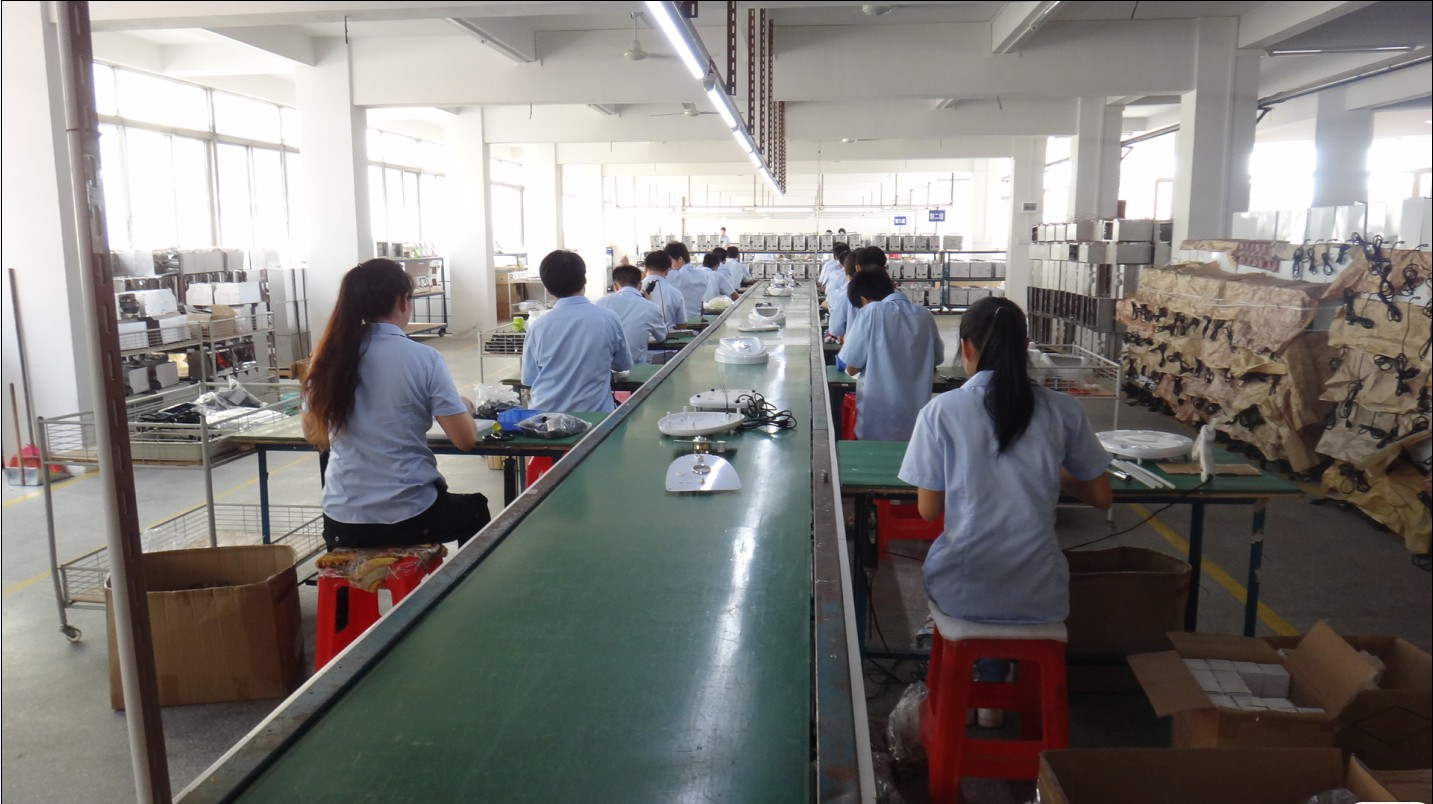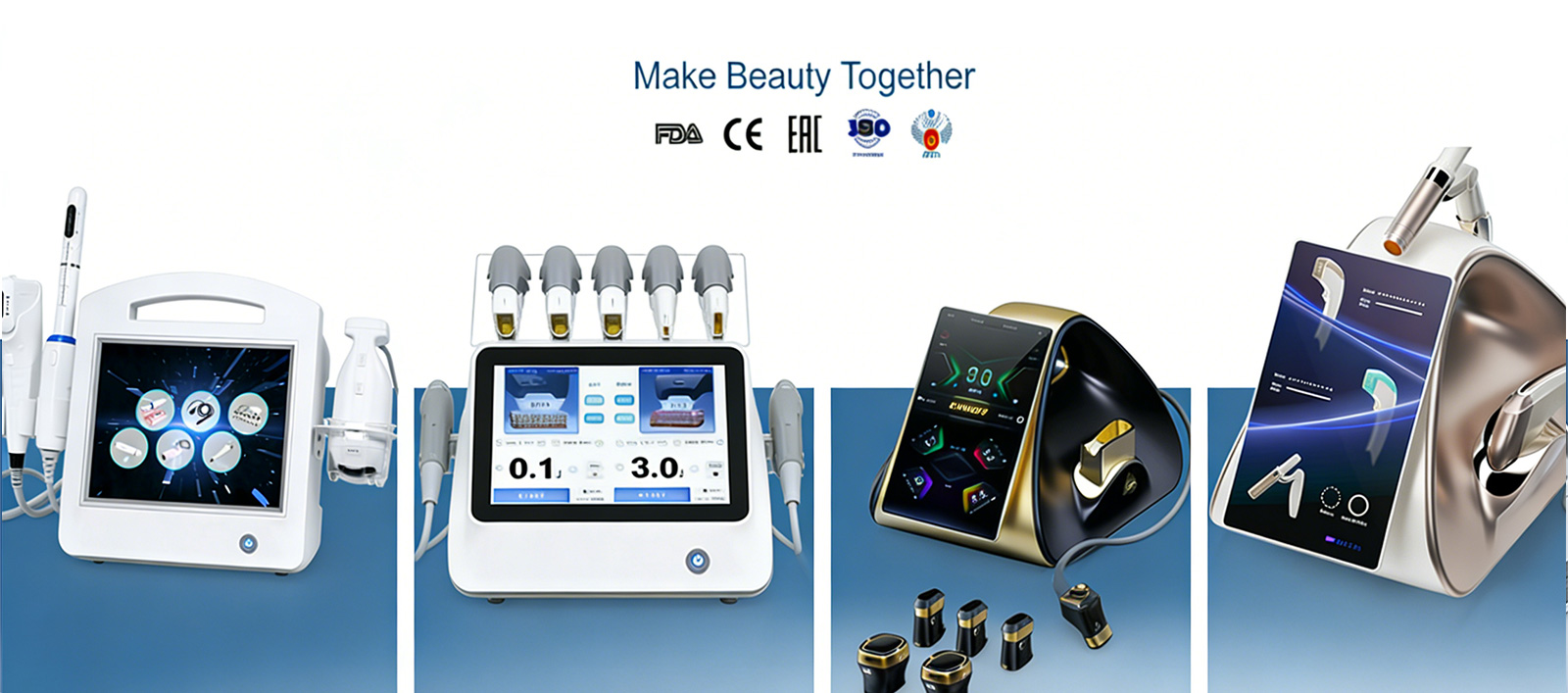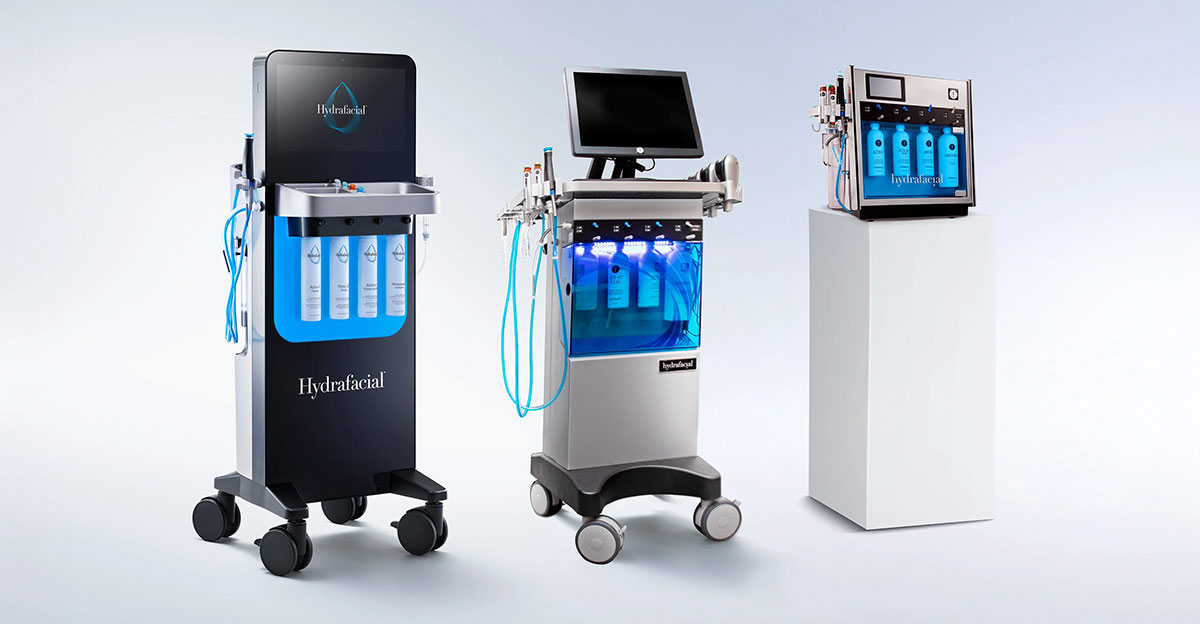


Ik heb gemerkt dat veel ondernemers veel tijd besteden aan het vergelijken van schoonheidsmachines, maar niet genoeg tijd om de fabrikanten van schoonheidsmachines erachter te vergelijken.
Dat is meestal waar het grootste risico zit.
In een productcatalogus kan een machine er indrukwekkend uitzien, een demovideo, of een beursstand. But once it enters real business use, the manufacturer becomes just as important as the equipment itself. Product consistency, opleiding, maintenance support, reserveonderdelen, communication speed, customization options, and long-term reliability all depend on who you choose to work with.
That is why choosing a beauty equipment manufacturer should never be treated as a simple sourcing task. It is a business decision that can shape your service quality, client results, team confidence, and return on investment for years.
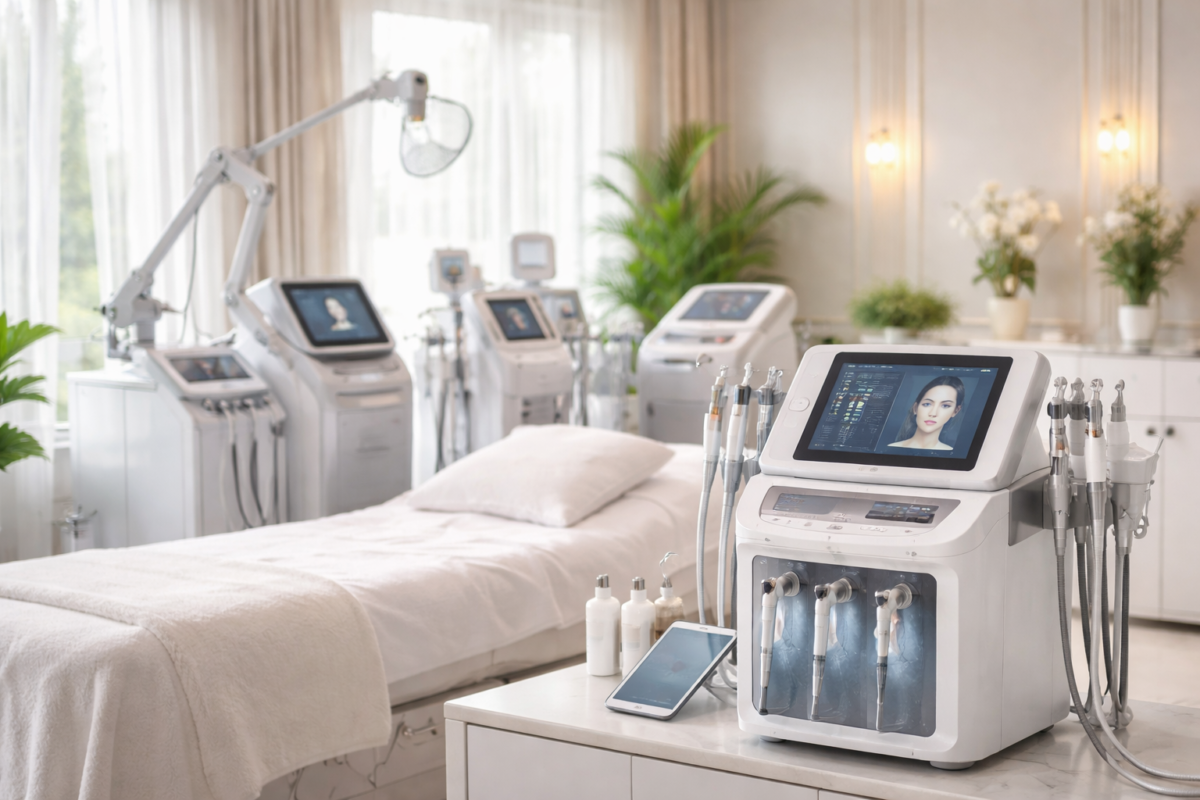
Start by Defining What Your Business Actually Needs
Before you compare fabrikanten van schoonheidsmachines, you need to be clear about your own business direction.
That sounds obvious, but it is where many buyers go wrong. They start by asking which manufacturer is the best, when the better question is which manufacturer is the best fit for their business model.
You should first define:
- what types of treatments you want to offer
- what type of clients you serve
- whether you need entry-level or advanced equipment
- whether you want a single hero machine or a broader device portfolio
- what level of after-sales support your team will need
- whether customization or private label solutions matter to your business
A beauty clinic focused on facial maintenance will not evaluate manufacturers the same way a medspa, distributor, aesthetic training center, or beauty equipment brand would.
The more clearly you understand your own treatment goals and commercial direction, the easier it becomes to recognize the right supplier.
Look for a Manufacturer, Not Just a Seller
One of the first things I would check is whether I am dealing with a real manufacturer or simply a reseller.
That distinction matters.
A true manufacturer is generally in a stronger position to provide:
- more stable product knowledge
- better technical understanding
- clearer production control
- customization support
- more direct after-sales service
- faster feedback on parts, upgrades, and machine issues
A seller may still offer decent service, but if you are building a long-term business around beauty equipment, it is usually safer to understand exactly where the machine comes from and who controls its development and quality.
I would always want to know who designed the equipment, who assembled it, who tested it, and who will support it after purchase.
Evaluate Product Range with Business Logic
A broad product range can be a strength, but only if it matches your actual business needs.
Some manufacturers focus on a few treatment directions and do them well. Others offer a large portfolio covering facial care, lichaamscontouren, hair removal, huidverjonging, RF treatments, LED systems, hydro facial devices, en meer.
Neither model is automatically better.
What matters is whether the manufacturer’s range aligns with your business plans.
Bijvoorbeeld, if your company wants to build a complete aesthetic equipment line, a manufacturer with broader category coverage may be useful. If your business is focused on one treatment direction, a more specialized manufacturer may offer deeper technical value.
I would not be impressed by product quantity alone. I would ask whether the range feels coherent, praktisch, and relevant to the treatments I actually want to build around.
Controleer de kwaliteit van de apparatuur die verder gaat dan de marketingclaims
Schoonheidsapparatuur wordt vaak met grof taalgebruik op de markt gebracht, maar uw echte zorg zou moeten zijn hoe de machines presteren bij dagelijks zakelijk gebruik.
Hier zou ik nader kijken naar de bouwkwaliteit en de praktische bruikbaarheid.
Belangrijke punten om te beoordelen zijn onder meer:
- totale machinebouw
- interface-duidelijkheid
- kwaliteit handstuk
- consistentie van de behandeling
- duurzaamheid bij herhaald gebruik
- praktisch onderhoud
- beschikbaarheid van vervangende onderdelen
Een goede fabrikant moet niet alleen kunnen uitleggen wat de machine doet, maar hoe het zich houdt in echte kliniek- of salonomgevingen.
Ik zou er ook op letten of de fabrikant met vertrouwen kan spreken over de machinestructuur, softwarematige logica, behandeling werkstroom, en onderhoud. Wanneer een leverancier alleen verkooptaal herhaalt en de apparatuur niet praktisch kan uitleggen, I take that as a warning sign.
Certifications and Compliance Should Be Taken Seriously
If you are investing in beauty equipment for professional use, certifications and compliance should not be treated as optional talking points.
They matter for business credibility, market access, and risk control.
Depending on your market, you may need to consider documentation, compliance pathways, and product standards that affect whether the machine is suitable for your intended use. A serious manufacturer should be able to explain what certifications or supporting documents they can provide, and they should communicate this clearly rather than vaguely.
What I look for here is not just the presence of logos or certificate names, but the manufacturer’s ability to discuss compliance in a direct and professional way.
A trustworthy supplier should not become defensive or unclear when you ask about documentation.
Ask About Quality Control, Not Just Product Specs
Specs tell you what the machine is supposed to do.
Quality control tells you how consistently it will do it.
This is one of the most overlooked parts of choosing a beauty equipment manufacturer. Many buyers compare functions, screens, handvatten, and design details, but never ask how the machines are checked before shipment.
I would want to understand:
- what testing happens before delivery
- whether machines are inspected unit by unit
- how faults are recorded and managed
- what the packaging and shipping protections look like
- how the manufacturer handles defective units or technical issues
Een fabrikant met een gestructureerd kwaliteitscontroleproces is doorgaans gemakkelijker te vertrouwen dan een fabrikant die zich alleen op presentatie richt.
Beoordeel de ervaring van de fabrikant van schoonheidsmachines in uw categorie
Ervaring is belangrijk, maar alleen als het relevant is.
Een bedrijf kan al jaren actief zijn, maar dat betekent niet automatisch dat het de juiste partner is voor uw apparatuurcategorie of bedrijfsmodel.
Ik werk liever met een fabrikant die mijn productrichting duidelijk begrijpt, dan met een fabrikant die simpelweg een lange industriële geschiedenis claimt zonder aandacht voor de categorie te tonen.
Nuttige vragen om te stellen zijn onder meer:
- Hoe lang produceert u dit soort apparatuur al??
- Wat voor soort klanten kopen deze machine meestal??
- Welke markten bedient u doorgaans??
- Ondersteunt u klinieken?, distributeurs, merkeigenaren, of alle drie?
- Met welke problemen worden kopers in deze categorie meestal geconfronteerd?
De kwaliteit van hun antwoorden zal u vaak meer vertellen dan de verkoopbrochure.
Training en technische ondersteuning maken deel uit van het product
Ik denk niet dat schoonheidsapparatuur ooit als een op zichzelf staand product moet worden beoordeeld.
Training en technische ondersteuning maken deel uit van het product.
Zelfs een goede machine kan ondermaats presteren als de koper een zwakke introductie krijgt, beperkte gebruiksbegeleiding, of slechte ondersteuning voor probleemoplossing. Dit wordt zelfs nog belangrijker als uw team nieuw is in een apparaatcategorie of als u van plan bent behandelingsprotocollen rond de machine te bouwen.
Ik zou het willen weten:
- of er sprake is van een opleiding
- welke trainingsvorm wordt aangeboden
- of er behandelbegeleiding wordt gegeven
- hoe installatieondersteuning werkt
- hoe snel technische problemen worden beantwoord
- whether the manufacturer can support updates in the future
A manufacturer that disappears after shipment is not offering a complete partnership.
Consider Customization and Branding Possibilities
Voor sommige bedrijven, standard equipment is enough.
Voor anderen, customization is an important part of the strategy.
If you are a distributor, equipment brand, or business building a more distinct market identity, you may want to ask whether the manufacturer supports:
- logo customization
- panel or interface branding
- packaging customization
- manual customization
- OEM or private label cooperation
- exclusive product arrangements in certain markets
Niet elke koper heeft dit nodig. But if branding matters to your business, the manufacturer should be able to discuss it clearly and realistically.
What I usually want to see is not just a yes or no answer, but a structured explanation of what can be customized and what cannot.
Look at Communication Quality Early
Good communication is often an early indicator of what the working relationship will be like later.
I pay attention to things like:
- response speed
- clarity of answers
- willingness to explain technical issues
- honesty about limitations
- consistency between sales talk and follow-up details
If communication is already confusing before purchase, it rarely improves after the money is paid.
A strong manufacturer does not need to sound perfect. But they should sound organized, informed, and straightforward. That usually matters more than polished marketing language.
Compare Long-Term Value, Not Just Price
Price matters, but low price alone rarely tells you whether a manufacturer is the right choice.
The better question is whether the equipment will create good business value over time.
That means looking at:
- purchase cost
- spare parts cost
- maintenance needs
- expected machine lifespan
- training value
- service continuity
- replacement risk
- ability to support future expansion
A cheaper machine can become expensive if support is poor, parts are hard to replace, or downtime affects your treatments. A more expensive machine can be the smarter decision if it gives you better reliability, smoother support, and stronger business usability.
This is why I always prefer to compare total operating logic instead of just invoice totals.
Red Flags to Watch Out For
Na verloop van tijd, I have seen a few warning signs appear again and again when a manufacturer is not the right fit.
These usually include:
- unclear answers about documentation
- exaggerated performance claims
- weak technical explanations
- no structured training process
- poor responsiveness after initial contact
- no clear policy for service or spare parts
- heavy pressure to close quickly without proper evaluation
If something feels rushed, vague, or overly sales-driven, I would slow the process down. Good manufacturing partnerships usually become clearer when both sides are willing to discuss the details properly.
Choosing the Right Manufacturer Means Choosing the Right Business Partner
At a basic level, you are buying equipment.
But in practice, you are choosing a business partner.
The right beauty equipment manufacturer should help your business do more than complete a transaction. They should make it easier for you to operate with confidence, train your team, maintain treatment quality, and scale in a more stable way.
That is why I do not think the best manufacturer is always the one with the lowest price, the biggest catalog, or the most aggressive sales team.
The best one is usually the one that understands your business goals, communicates clearly, supports you after the sale, and gives you equipment you can rely on.
Laatste gedachten
When selecting a beauty equipment manufacturer, don’t base your decision solely on the features of the equipment. In plaats van, consider whether the company can support your business before, during, and after the purchase.
Partnering with a manufacturer that truly understands your needs will lay a solid foundation for long-term success. Companies like uangelcare, which specialize in advanced beauty care equipment, exemplify the benefits of partnering with industry leaders—these companies not only provide top-tier equipment but also offer comprehensive training and support.