

Я заметил, что многие владельцы бизнеса тратят много времени на сравнение косметических машин., но недостаточно времени для сравнения производителей косметического оборудования, стоящих за ними.
Обычно именно здесь кроется больший риск..
Машина может выглядеть впечатляюще в каталоге продукции, демонстрационное видео, или выставочный стенд. Но как только он начнет использоваться в реальном бизнесе, производитель становится таким же важным, как и само оборудование. Консистенция продукта, обучение, техническая поддержка, запчасти, скорость связи, варианты настройки, и долгосрочная надежность — все зависит от того, с кем вы решите работать..
Вот почему выбор производителя косметического оборудования никогда не следует рассматривать как простую задачу поиска поставщиков.. Это бизнес-решение, которое может повлиять на качество вашего обслуживания., результаты клиента, уверенность в команде, и окупаемость инвестиций в течение многих лет.
Начните с определения того, что на самом деле нужно вашему бизнесу
Прежде чем сравнивать производители косметических машин, вам необходимо четко понимать направление своего бизнеса.
Это звучит очевидно, но именно здесь многие покупатели ошибаются. Они начинают с вопроса, какой производитель лучший., когда лучший вопрос заключается в том, какой производитель лучше всего подходит для их бизнес-модели.
Вам следует сначала определить:
- какие виды лечения вы хотите предложить
- какой тип клиентов вы обслуживаете
- нужно ли вам оборудование начального уровня или продвинутое
- хотите ли вы одну машину-героя или более широкий портфель устройств
- какой уровень послепродажной поддержки понадобится вашей команде
- имеют ли значение для вашего бизнеса решения по индивидуальному заказу или решениям под собственной торговой маркой
Клиника красоты, специализирующаяся на уходе за лицом, не будет оценивать производителей так же, как медицинская спа-центр., распределитель, центр эстетической подготовки, или бренд косметического оборудования будет.
Чем яснее вы понимаете собственные цели лечения и коммерческое направление., тем легче становится распознать подходящего поставщика.
Ищите производителя, Не просто продавец
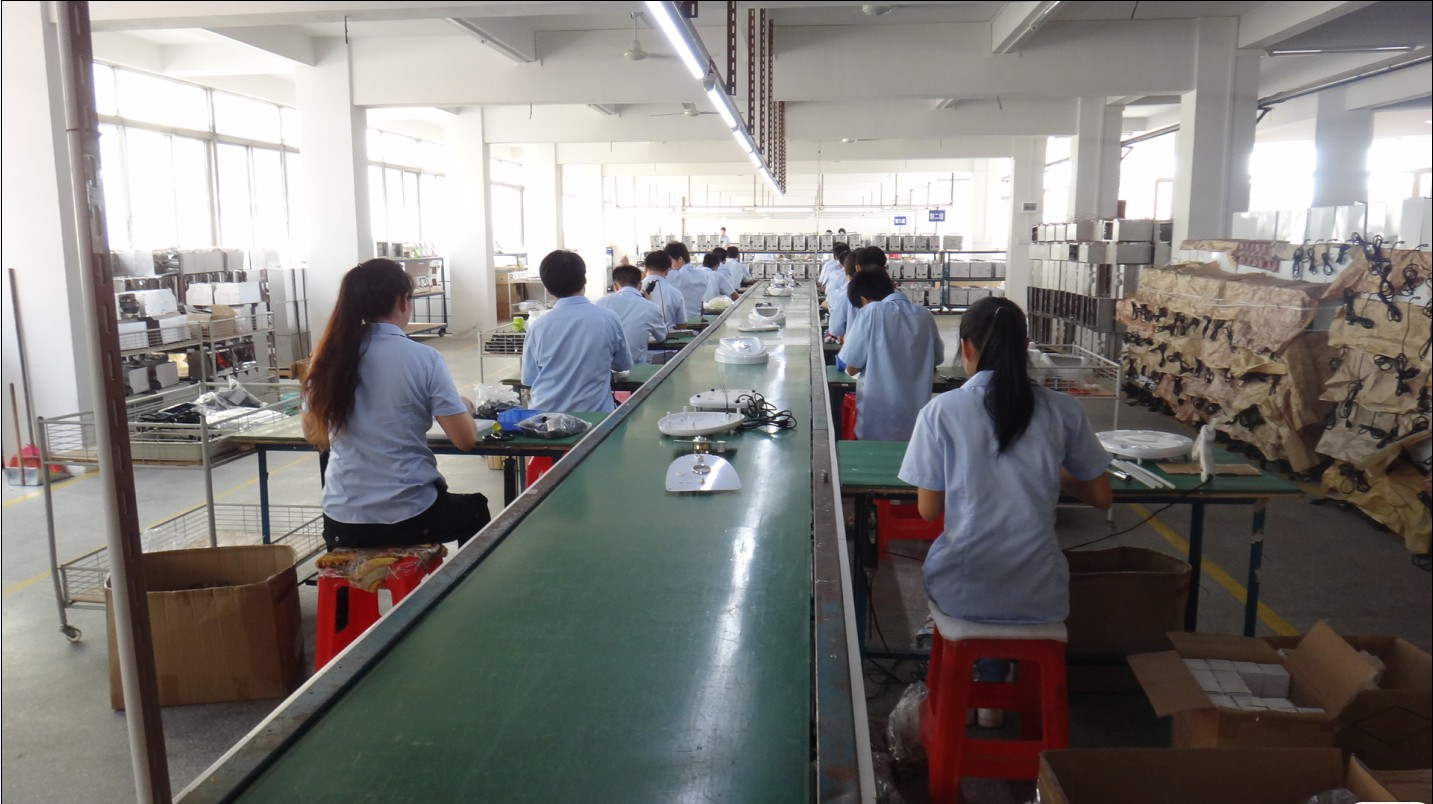
Первое, что я хотел бы проверить, — имею ли я дело с настоящим производителем или просто с торговым посредником..
Это различие имеет значение.
Настоящий производитель, как правило, находится в более сильной позиции, чтобы обеспечить:
- более стабильное знание продукта
- лучшее техническое понимание
- более четкий контроль производства
- поддержка настройки
- более прямое послепродажное обслуживание
- более быстрая обратная связь по запчастям, обновления, и проблемы с машиной
Продавец все еще может предложить достойный сервис., но если вы строите долгосрочный бизнес на косметическом оборудовании, обычно безопаснее точно понимать, откуда берется машина и кто контролирует ее разработку и качество..
Мне всегда хотелось знать, кто спроектировал оборудование., кто это собрал, кто это проверял, и кто будет поддерживать его после покупки.
Оцените ассортимент продукции с помощью бизнес-логики
Широкий ассортимент продукции может стать преимуществом, но только если это соответствует реальным потребностям вашего бизнеса.
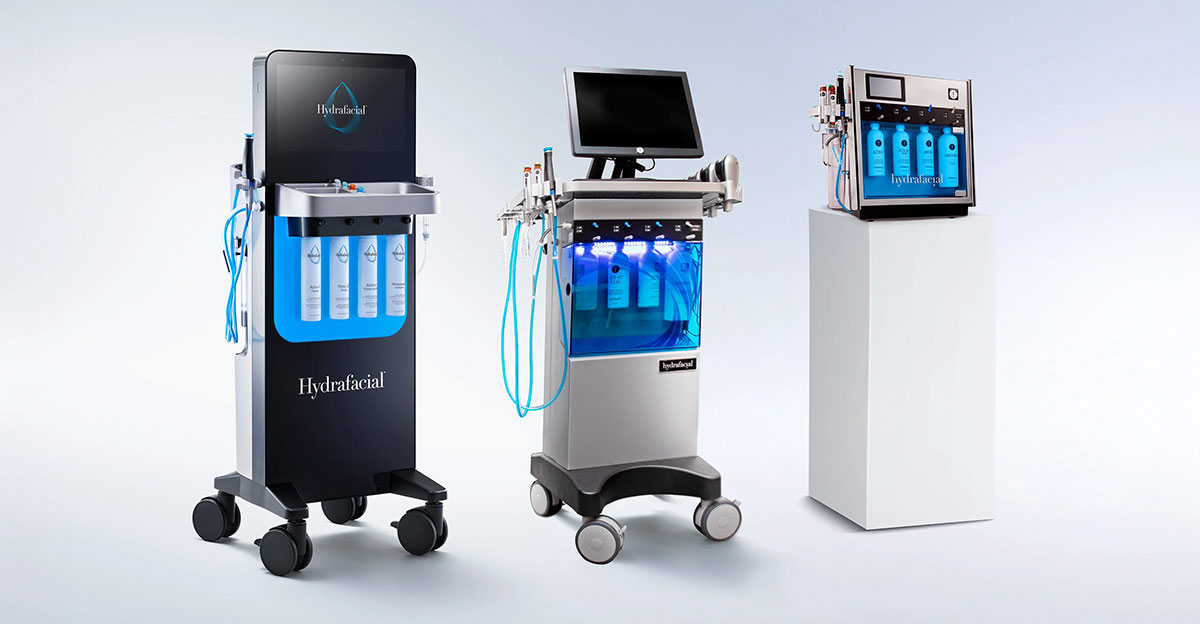
Некоторые производители фокусируются на нескольких направлениях лечения и делают их хорошо.. Другие предлагают большое портфолио по уходу за лицом., контурная пластика тела, удаление волос, омоложение кожи, Радиочастотное лечение, Светодиодные системы, гидроустройства для лица, и многое другое.
Ни одна из моделей не является автоматически лучшей.
Важно то, соответствует ли ассортимент производителя вашим бизнес-планам..
Например, если ваша компания хочет построить полную линию эстетического оборудования, может быть полезен производитель с более широким охватом категорий. Если ваш бизнес ориентирован на одно направление лечения, более специализированный производитель может предложить более глубокую техническую ценность.
Меня бы не впечатлило количество товара.. Я хотел бы спросить, кажется ли диапазон последовательным, практичный, и имеет отношение к методам лечения, на основе которых я действительно хочу построить.
Проверьте качество оборудования, выйдя за рамки маркетинговых заявлений
Косметическое оборудование часто рекламируется нецензурной лексикой., но ваша реальная забота должна заключаться в том, как машины работают в повседневном деловом использовании..
Здесь я бы более внимательно присмотрелся к качеству сборки и практичности эксплуатации..
Важные моменты для оценки включают в себя:
- общая конструкция машины
- ясность интерфейса
- качество наконечника
- последовательность лечения
- долговечность при неоднократном использовании
- практичность обслуживания
- наличие запасных частей
Хороший производитель должен уметь объяснить не только то, что делает машина., но как это работает в реальной клинике или салоне красоты.
Еще я бы обратил внимание на то, может ли производитель уверенно говорить о конструкции машины., программная логика, рабочий процесс лечения, и обслуживание. Когда поставщик только повторяет язык продаж и не может объяснить оборудование на практике., Я воспринимаю это как предупреждающий знак.
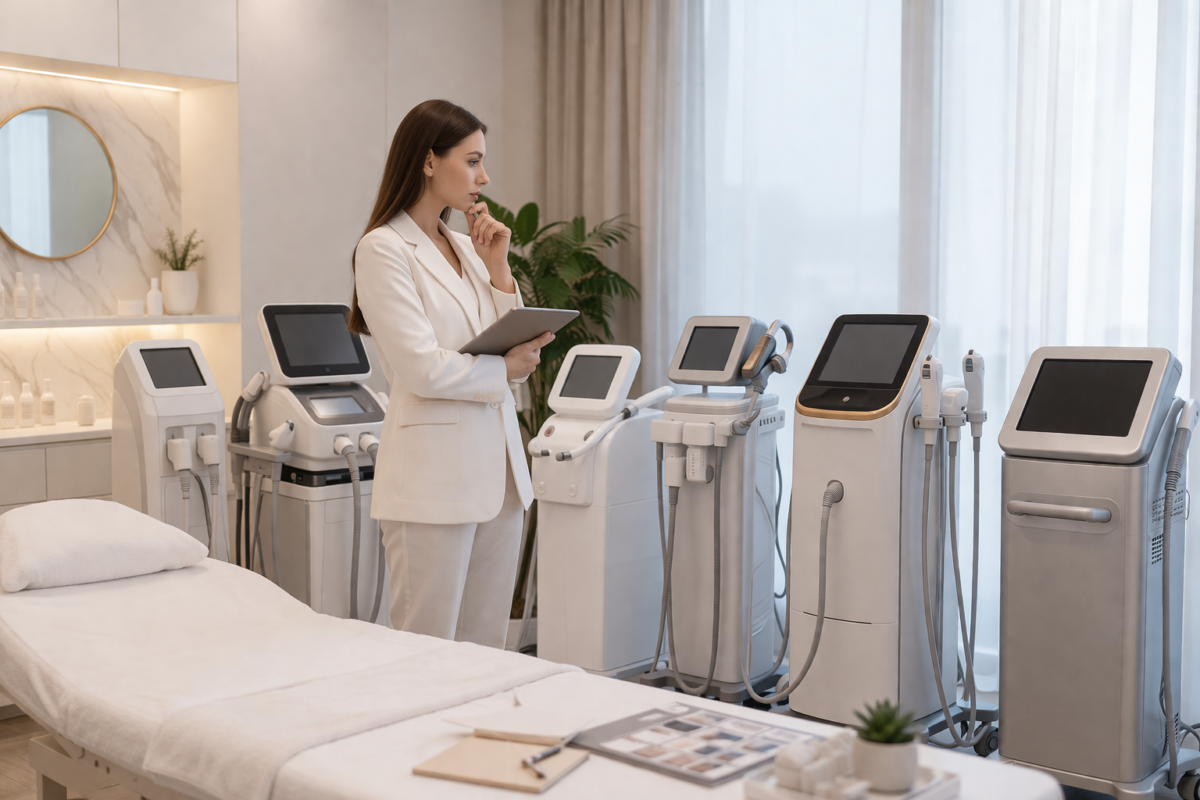
К сертификации и соблюдению требований следует относиться серьезно
Если вы инвестируете в косметическое оборудование для профессионального использования, сертификацию и соответствие требованиям не следует рассматривать как необязательные темы для обсуждения..
Они имеют значение для доверия к бизнесу, доступ к рынку, и контроль рисков.
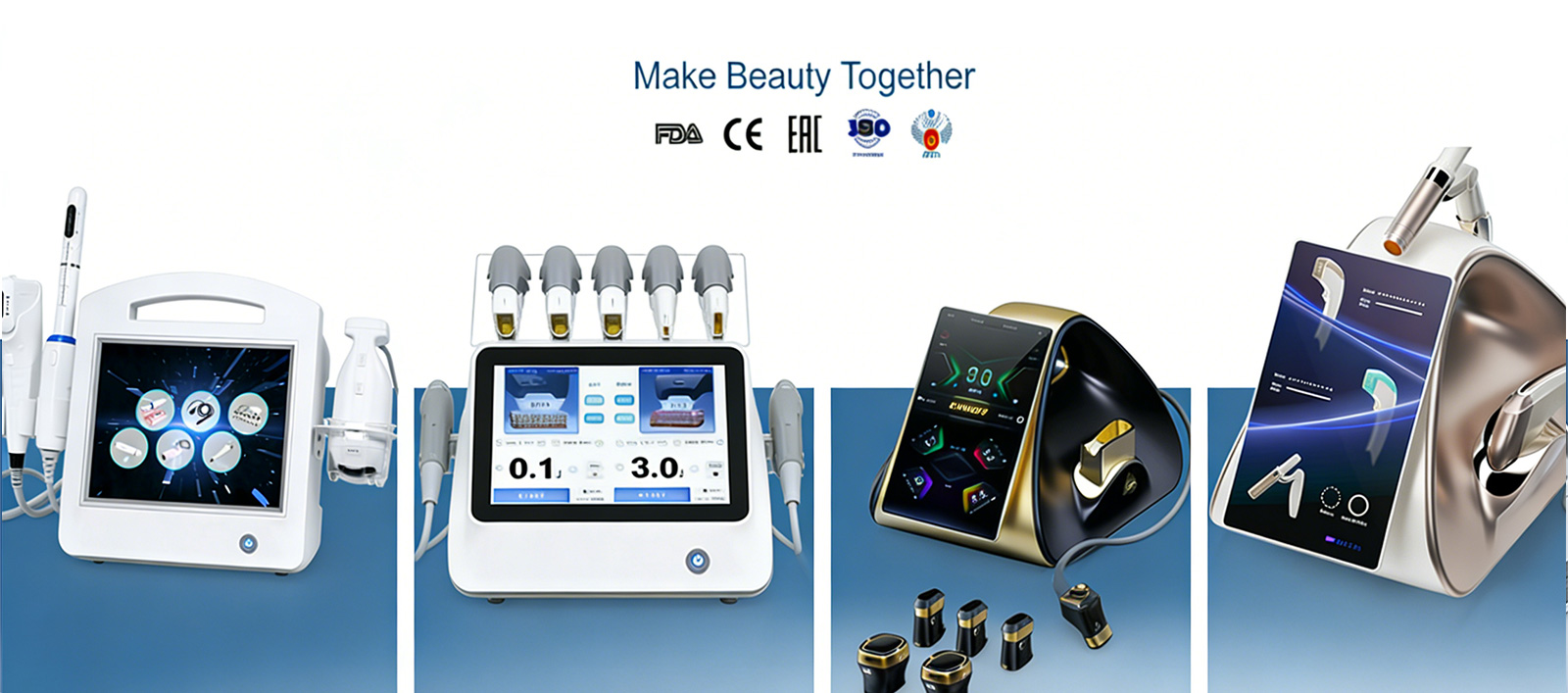
В зависимости от вашего рынка, возможно, вам придется рассмотреть документацию, пути обеспечения соответствия, и стандарты продукции, которые влияют на пригодность машины для использования по назначению.. Серьезный производитель должен быть в состоянии объяснить, какие сертификаты или подтверждающие документы он может предоставить., и они должны сообщить об этом ясно, а не расплывчато..
Я ищу здесь не просто наличие логотипов или названий сертификатов., но способность производителя обсуждать соответствие прямо и профессионально.
Надежный поставщик не должен занимать оборонительную позицию или отвечать неясно, когда вы спрашиваете о документации..
Спросите о контроле качества, Не только характеристики продукта
Спецификации говорят вам, что машина должна делать..
Контроль качества показывает, насколько последовательно он будет это делать..
Это один из самых важных моментов при выборе производителя косметического оборудования.. Многие покупатели сравнивают функции, экраны, ручки, и детали дизайна, но никогда не спрашивайте, как машины проверяются перед отправкой.
Я хотел бы понять:
- какое тестирование проводится перед родами
- проверяются ли машины поштучно
- как фиксируются и устраняются неисправности
- как выглядит упаковка и средства защиты при транспортировке
- как производитель решает проблемы с дефектными устройствами или техническими проблемами
Производителю со структурированным процессом контроля качества обычно легче доверять, чем производителю, который фокусируется только на презентации..
Оцените опыт производителя косметического оборудования в вашей категории
Опыт имеет значение, но только тогда, когда это актуально.
Компания может работать уже много лет., но это не означает автоматически, что он является подходящим партнером для вашей категории оборудования или бизнес-модели..
Я предпочитаю работать с производителем, который четко понимает направление моей продукции, чем с производителем, который просто заявляет о своей долгой истории в отрасли, не демонстрируя при этом ориентацию на определенную категорию..
Полезные вопросы, которые стоит задать, включают в себя:
- Как давно вы производите данный тип оборудования??
- Какие клиенты обычно покупают эту машину?
- Какие рынки вы обычно обслуживаете?
- Поддерживаете ли вы клиники?, дистрибьюторы, владельцы брендов, или все три?
- С какими проблемами обычно сталкиваются покупатели этой категории?
Качество их ответов часто скажет вам больше, чем рекламная брошюра..
Обучение и техническая поддержка являются частью продукта
Я не думаю, что косметическое оборудование следует оценивать как отдельный продукт..
Обучение и техническая поддержка являются частью продукта..
Даже хорошая машина может работать хуже, если покупатель получает слабую адаптацию., ограниченное руководство по использованию, или плохая поддержка по устранению неполадок. Это становится еще более важным, если ваша команда впервые работает с какой-либо категорией устройств или если вы планируете разрабатывать протоколы лечения для машины..
Я хотел бы знать:
- включено ли обучение
- какой формат обучения предлагается
- предоставляются ли рекомендации по лечению
- как работает поддержка установки
- как быстро решаются технические вопросы
- сможет ли производитель поддерживать обновления в будущем
Производитель, который исчезает после отгрузки, не предлагает полного партнерства..
Рассмотрите возможности персонализации и брендинга
Для некоторых предприятий, стандартного оборудования достаточно.
Для других, кастомизация — важная часть стратегии.
Если вы дистрибьютор, марка оборудования, или бизнес, создающий более четкую рыночную идентичность, вы можете спросить, поддерживает ли производитель:
- настройка логотипа
- брендирование панели или интерфейса
- настройка упаковки
- ручная настройка
- Сотрудничество OEM или частной торговой марки
- эксклюзивные условия выпуска продукции на определенных рынках
Не каждому покупателю это нужно. Но если брендинг имеет значение для вашего бизнеса, производитель должен иметь возможность обсудить это четко и реалистично.
Обычно я хочу видеть не просто ответ «да» или «нет»., но структурированное объяснение того, что можно настроить, а что нельзя.
Как можно раньше обратите внимание на качество связи
Хорошее общение часто является ранним индикатором того, какими будут рабочие отношения в дальнейшем..
Я обращаю внимание на такие вещи, как:
- скорость реакции
- ясность ответов
- готовность объяснить технические вопросы
- честность об ограничениях
- согласованность между разговорами о продажах и последующими деталями
Если общение уже сбивает с толку еще до покупки, после выплаты денег ситуация редко улучшается.
Сильный производитель не обязательно должен звучать идеально. Но они должны звучать организованно, информированный, и прямолинейный. Обычно это важнее, чем отточенный маркетинговый язык..
Сравните долгосрочную ценность, Не только цена
Цена имеет значение, но сама по себе низкая цена редко говорит о том, является ли производитель правильным выбором..
Правильный вопрос заключается в том, создаст ли оборудование хорошую ценность для бизнеса с течением времени..
Это значит смотреть на:
- стоимость покупки
- стоимость запчастей
- потребности в техническом обслуживании
- ожидаемый срок службы машины
- ценность обучения
- непрерывность обслуживания
- риск замены
- способность поддерживать будущее расширение
Более дешевая машина может стать дорогой, если поддержка будет плохой., детали сложно заменить, или время простоя влияет на ваше лечение. Более дорогая машина может быть более разумным решением, если она обеспечивает большую надежность., более плавная поддержка, и повышенное удобство использования для бизнеса.
Вот почему я всегда предпочитаю сравнивать общую операционную логику, а не только итоговые суммы счетов..
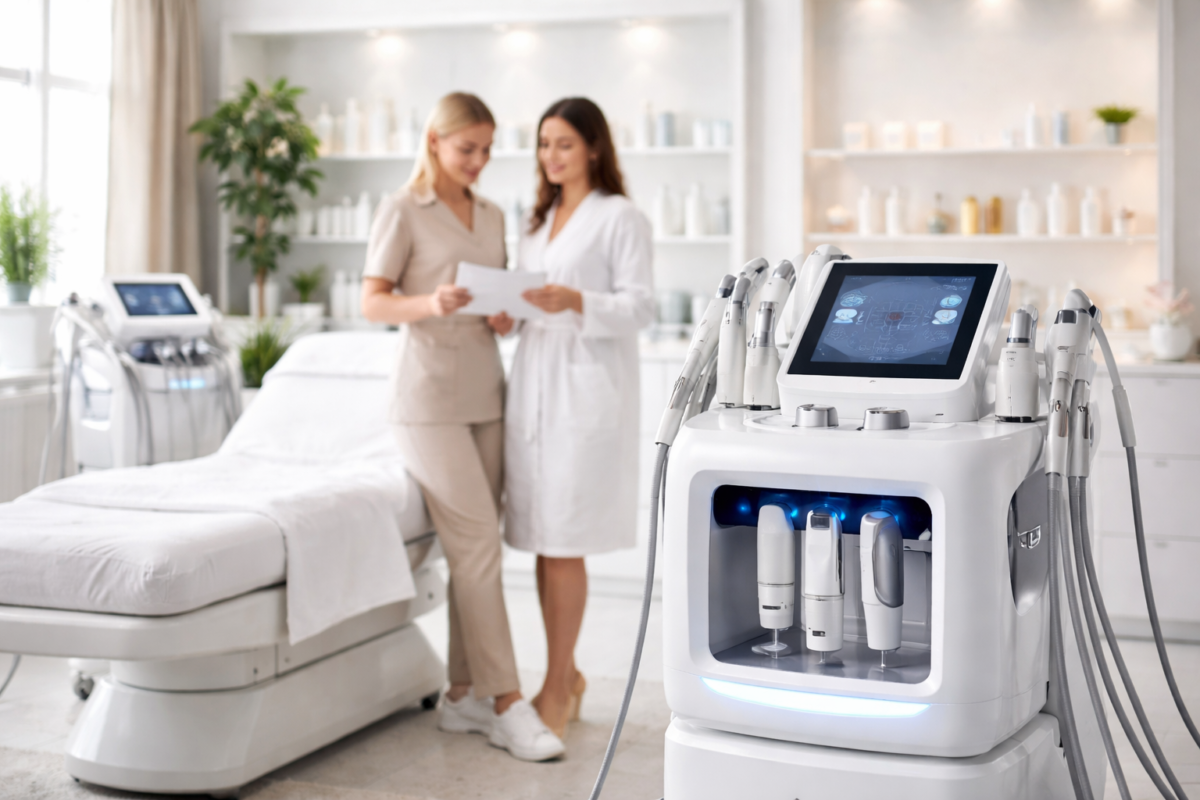
Красные флажки, на которые следует обратить внимание
Через некоторое время, Я видел несколько предупреждающих знаков, появляющихся снова и снова, когда производитель не подходит..
Обычно они включают в себя:
- неясные ответы по документации
- преувеличенные заявления о производительности
- слабые технические объяснения
- нет структурированного тренировочного процесса
- плохая реакция после первого контакта
- нет четкой политики в отношении обслуживания и запасных частей
- сильное давление с целью быстрого закрытия без надлежащей оценки
Если что-то кажется торопливым, нечеткий, или слишком ориентированы на продажи, Я бы замедлил процесс. Хорошее производственное партнерство обычно становится более ясным, когда обе стороны готовы должным образом обсудить детали..
Выбор правильного производителя означает выбор правильного делового партнера
На базовом уровне, вы покупаете оборудование.
Но на практике, вы выбираете делового партнера.
Право производитель косметического оборудования должен помочь вашему бизнесу сделать больше, чем просто завершить транзакцию. Они должны облегчить вам работу с уверенностью., тренируй свою команду, поддерживать качество лечения, и масштабировать более стабильно.
Вот почему я не считаю, что лучший производитель всегда тот, у которого самая низкая цена., самый большой каталог, или самая агрессивная команда продаж.
Лучшим обычно является тот, кто понимает цели вашего бизнеса., ясно общается, поддерживает вас после продажи, и предоставляет вам оборудование, на которое вы можете положиться.
Заключительные мысли
При выборе производителя косметологического оборудования, не основывайте свое решение исключительно на особенностях оборудования. Вместо, подумайте, сможет ли компания поддержать ваш бизнес, прежде чем, в течение, и после покупки.
Партнерство с производителем, который действительно понимает ваши потребности, заложит прочную основу для долгосрочного успеха.. Такие компании, как uangelcare, которые специализируются на передовом косметическом оборудовании, продемонстрировать преимущества партнерства с лидерами отрасли: эти компании не только предоставляют первоклассное оборудование, но также предлагают комплексное обучение и поддержку..