

I still think one of the most expensive mistakes a new clinic owner can make is confusing a larger equipment list with a stronger clinic strategy.
At the beginning, it is easy to get drawn toward whatever machine looks the most advanced on a supplier catalog or the most impressive on social media. But a beauty clinic does not become more competitive simply by buying more devices. It becomes more competitive when its equipment matches the treatments it wants to be known for, the clients it wants to attract, and the service quality it can deliver consistently.
That is why I always look at te mītini nehenehe planning from a practical business angle first. Before comparing features, mau hu'ahu'a rima, or treatment claims, I would want to know what kind of clinic is being built, what the core service menu will be, and which machines will actually be used often enough to justify the investment.
For most new clinics, the smartest machine strategy is not about building the most complex setup on day one. It is about starting with equipment that supports consultations, repeat bookings, visible service structure, and manageable training demands. From there, it becomes much easier to expand into more advanced categories once the clinic has stronger cash flow, clearer positioning, and more operational confidence.
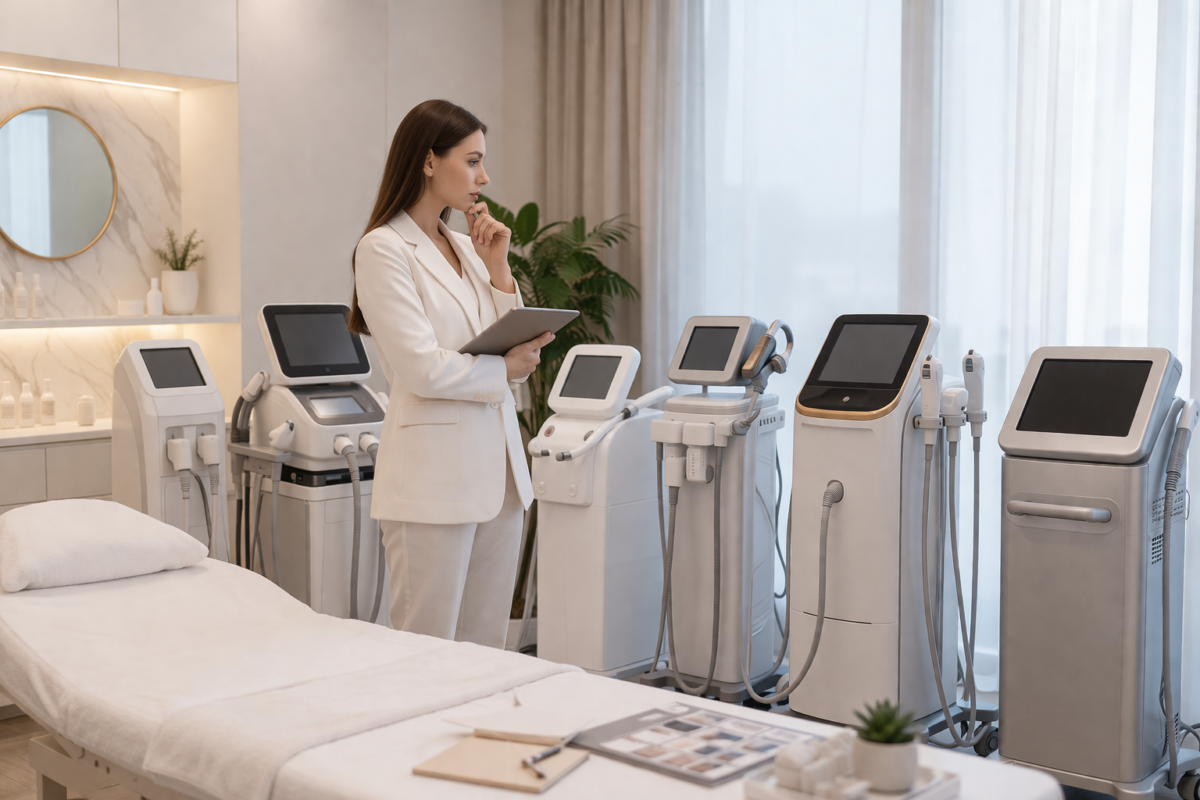
Why Beauty Machine Planning Matters Before You Open
A successful beauty clinic is not built around a machine catalog. It is built around a clear treatment model.
Before buying anything, I would define these five things:
- your clinic positioning
- your ideal client profile
- your core treatments
- your team’s technical ability
- your maintenance and compliance capacity
This is especially important because some device categories come with more regulatory oversight and more serious risk considerations than others. FDA guidance on aesthetic devices and microneedling makes clear that device status, intended use, and clearance pathway matter, especially when clinics move beyond basic facial services into more advanced procedures.
Ia parau atu â, a new clinic should not ask, “What machines are trending?” It should ask, “What machines fit the clinic I am actually building?”
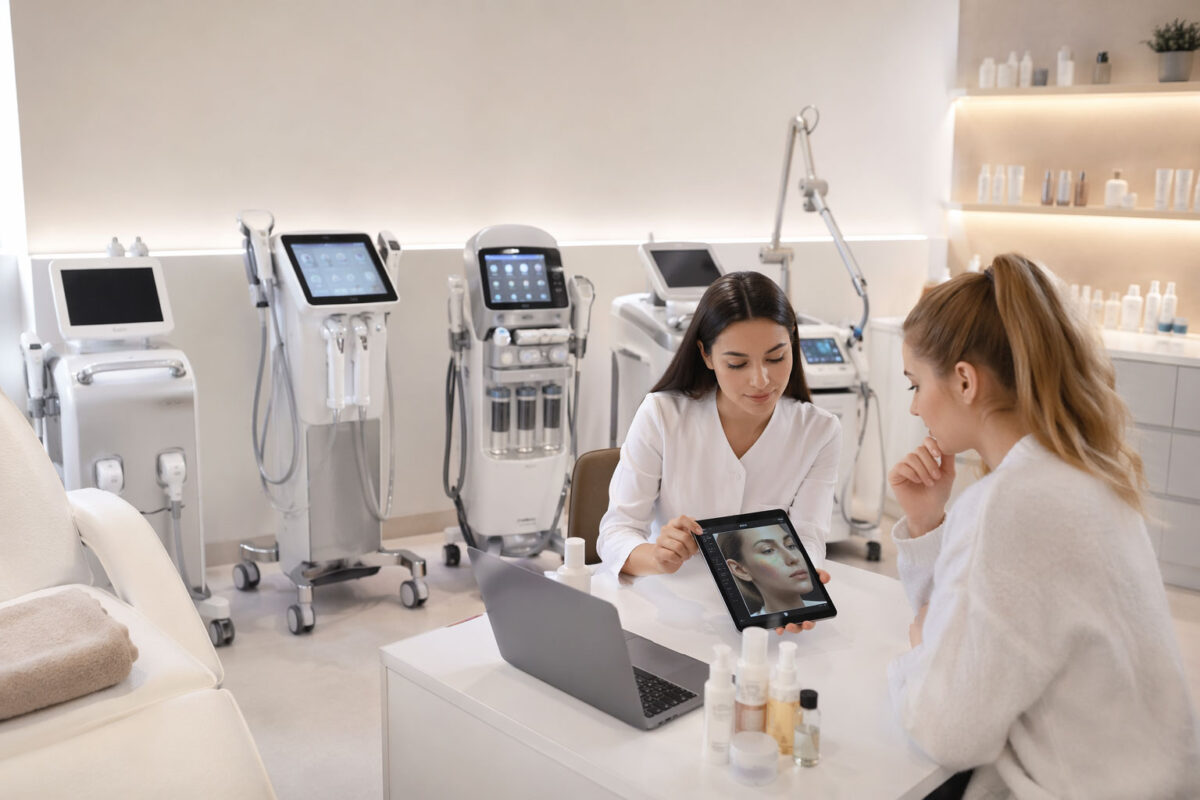
Nahea ia ma'iti i te mau matini nehenehe no te hoê fare ma'i apî
Start with your business model
Most new beauty clinics fit into one of these broad directions:
- facial and skin maintenance clinic
- acne and corrective skin clinic
- anti-aging clinic
- laser-focused clinic
- body contouring clinic
- hybrid aesthetic clinic
Each model requires a different equipment strategy.
A facial clinic built around repeat monthly treatments may do better starting with skin analysis, te pape, and LED therapy. A clinic built around higher-ticket corrective services may eventually need microneedling, RF platforms, or laser-based devices. The right machine plan depends on service frequency, staff readiness, treatment complexity, and client expectations.
Choose utilization over hype
The best startup machine is not always the most advanced one. It is usually the one that:
- supports frequent bookings
- fits more than one package level
- is easy for clients to understand
- helps generate repeat visits
- can be operated consistently by your team
This is why many clinics do better with a focused equipment setup at launch rather than an oversized investment in specialist systems too early.
Think in total ownership cost
A machine price tag never tells the full story. You also need to think about:
- mau tao'a
- handpieces and tips
- te mau tātari
- service contracts
- calibration
- downtime
- pārahi
- te mau tuhaa mono
- cleaning and disinfection requirements
CDC guidance emphasizes that proper cleaning and reprocessing are foundational to safe equipment use, and that cleaning must happen before effective disinfection or sterilization. That makes maintenance planning just as important as the original purchase decision.
Essential Beauty Machines for a Startup Clinic
1. Skin Analysis Machine
If I were opening a clinic today, this would be one of my first investments.
A skin analysis machine does not always look like the most glamorous purchase, but it improves one of the most important parts of a beauty clinic: consultation quality.
It helps you:
- assess visible skin concerns more professionally
- explain treatment recommendations clearly
- document progress over time
- improve trust during consultations
- support homecare and package upselling
For a startup clinic, that matters because better consultations usually lead to better conversion, better treatment matching, and better long-term client retention.
Mea maitai roa a'e: facial clinics, consultation-led clinics, premium skin treatment businesses
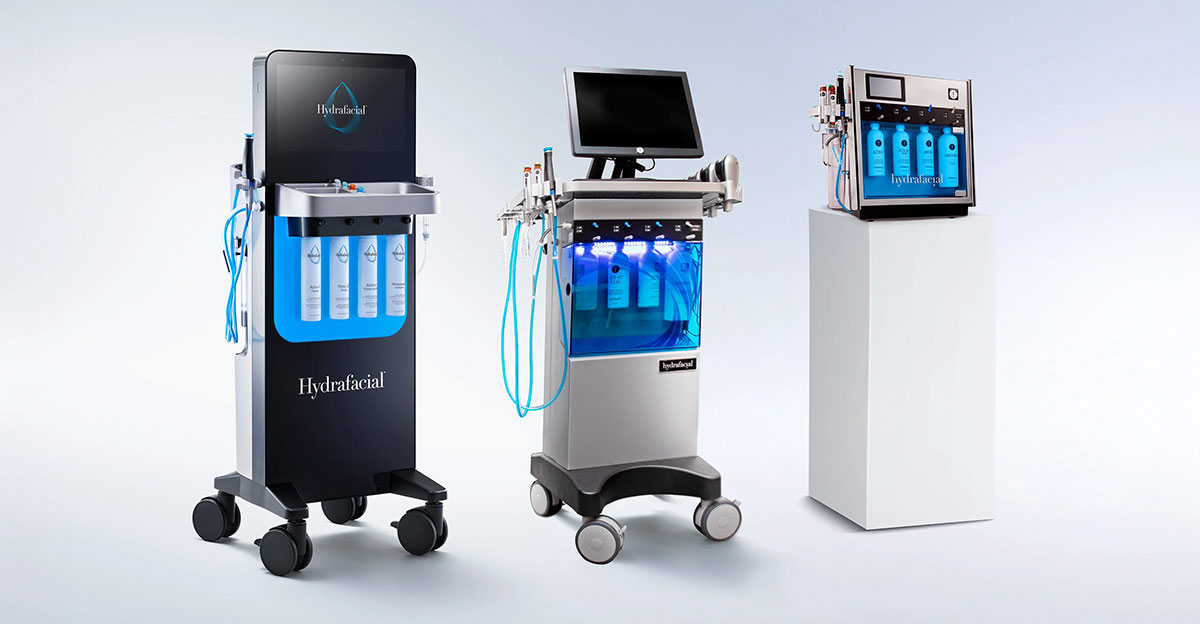
2. Hydro Facial or Hydradermabrasion Machine
For many new clinics, this is one of the most practical first machines to buy.
A hydro facial or hydradermabrasion system can support:
- cleansing
- te iritiraa
- extraction support
- hydration treatments
- serum infusion
- introductory facial packages
This kind of machine works especially well in startups because the treatment is easy to explain, easy to market, and usually easier to fit into repeat-visit treatment plans.
Mea maitai roa a'e: facial clinics, membership models, clinics targeting regular skincare maintenance
3. LED Light Therapy Machine
LED therapy equipment is often one of the most flexible devices in a startup clinic.
It can be used as:
- a standalone add-on
- an acne-support treatment
- a post-treatment calming step
- a recovery-support service after other procedures
Its biggest advantage is that it expands your menu without making your workflow overly complicated.
Mea maitai roa a'e: acne-focused menus, sensitive skin programs, recovery and support treatments
4. Microneedling Device
Te mau hu'ahu'a iti is a strong category for clinics that want to move beyond basic facials and offer more result-driven skin services.
It is commonly considered for concerns such as:
- facial acne scars
- visible texture concerns
- Te mau ahoaho o te mata
- rejuvenation-focused programs
But this is also where startup clinics need to be disciplined. The FDA states that cleared microneedling devices for aesthetic use have specific reviewed uses, including improving the appearance of facial acne scars, Te mau ahoaho o te mata, and abdominal scars in adults, rather than unlimited cosmetic claims. FDA guidance also distinguishes regulated microneedling devices from products intended for transdermal delivery of topical products.
Mea maitai roa a'e: advanced skin clinics, corrective treatment menus, higher-value facial programs
5. Radiofrequency Skin Tightening Machine
RF-based systems are attractive because they allow clinics to position around non-surgical rejuvenation, te haafifiraa, and anti-aging demand.
Āre'a, I would not automatically call RF essential for every startup. It makes more sense when your clinic is clearly targeting an anti-aging audience and your team is ready for stronger treatment protocols.
That caution is more important now because in October 2025 the FDA issued a safety communication warning about serious complications reported with certain uses of RF microneedling devices, including burns, ma'i, fat loss, disfigurement, nerve damage, and cases requiring medical or surgical intervention.
Mea maitai roa a'e: anti-aging clinics, premium non-invasive rejuvenation menus, experienced operator teams
6. Hair no te nuu moana
Laser hair removal can be one of the strongest revenue anchors in the right market because it is widely understood by clients and often sold in treatment packages or courses.
But it should not be treated as a casual purchase. Laser systems usually require stronger attention to:
- faaineineraa
- Te mau rave'a rapaauraa
- eye safety
- documentation
- Tāuru
- device status in the target market
FDA guidance on aesthetic devices makes clear that many aesthetic platforms fall within regulated device pathways depending on intended use, which is why clinics should verify device documentation and claims carefully before purchase.
Mea maitai roa a'e: clinics in markets with strong hair removal demand, high-volume service models, businesses planning recurring treatment packages
7. Te mītini no te tino
Body contouring devices are often very attractive to new owners because they can make a clinic look more advanced from day one.
My view is more conservative. They can be commercially useful, but they are rarely the first machine a clinic truly needs unless body treatments are central to the clinic concept.
FDA’s body contouring overview also sits within the broader aesthetic device framework, reinforcing that non-invasive body contouring technologies still need to be evaluated carefully in terms of claims, indications, and device pathway.
Mea maitai roa a'e: body-focused clinics, clinics with strong upsell systems, businesses with enough room and marketing support to build treatment demand
8. Oxygen Facial or Infusion Machine
An oxygen facial machine is usually not the core engine of a startup clinic, but it can be a strong supporting device.
It fits well into:
- glow facials
- event-prep treatments
- hydration menus
- post-exfoliation upgrades
- sensitive-skin services
It is best viewed as a menu enhancer rather than the foundation of the clinic.
Mea maitai roa a'e: facial boutiques, glow-focused clinics, layered treatment menus.
Eaha te mau matini nehenehe e mea faufaa roa no te rahiraa o te mau taiete haamata?
If I had to simplify the launch list, I would divide it into three levels.
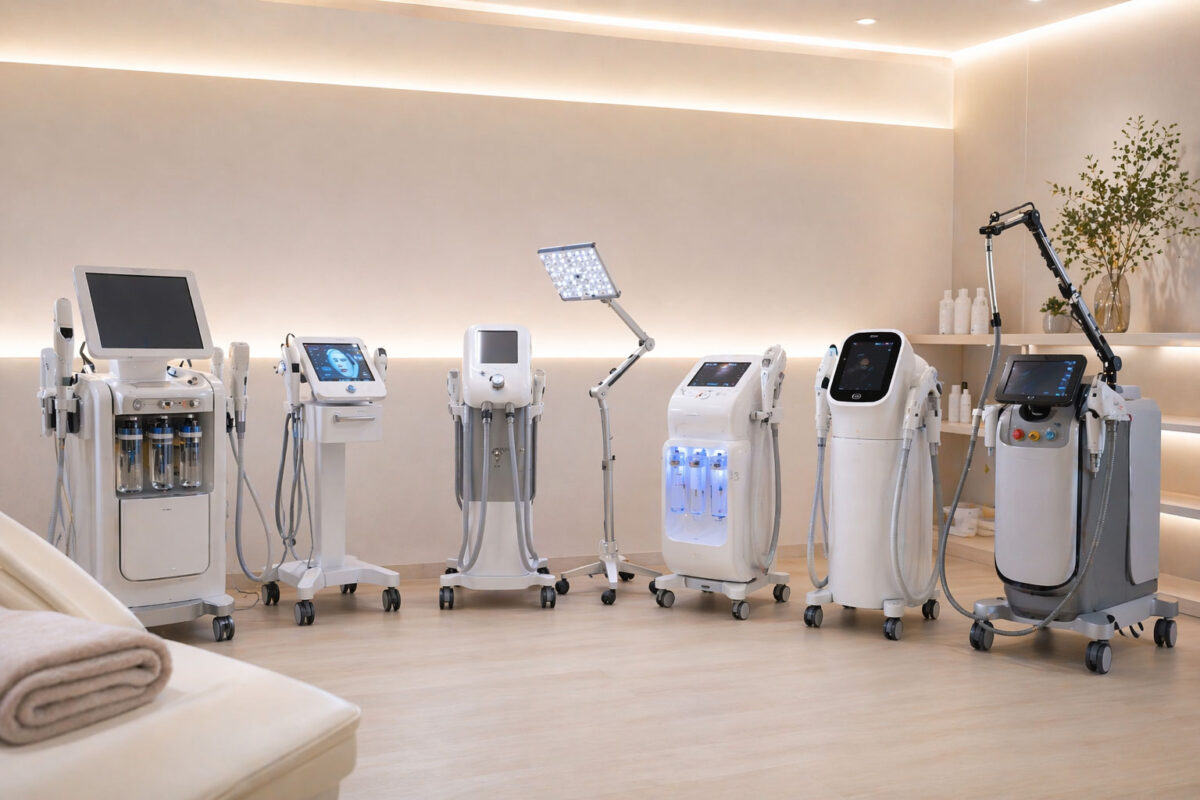
Core startup machines
These are the most realistic essentials for many new clinics:
- skin analysis machine
- hydro facial or hydradermabrasion machine
- LED therapy machine
Growth-stage machines
These make sense once the clinic wants stronger differentiation:
- microneedling device
- RF-based rejuvenation system
- oxygen infusion machine
Advanced-investment machines
These usually make more sense after the clinic has a stable treatment base:
- laser hair removal machine
- resurfacing platforms
- Te mau faanahoraa no te tino
That phased approach is often safer financially and operationally than buying everything at once.
A Smarter Buying Strategy for New Clinic Owners
Faasea 1: Build consultation quality and repeat-visit treatments
Start with machines that support regular bookings and broad client appeal:
- skin analysis
- hydradermabrasion or hydro facial
- Te rapaauraa LED
This gives your clinic a strong entry menu without forcing the team into overly complex treatments too soon.
Faasea 2: Add higher-value, result-led services
Once your consultation flow and repeat traffic are stable, consider adding:
- microneedling
- RF te iri
- oxygen infusion upgrades
This stage helps lift treatment value and sharpen your clinic positioning.
Faasea 3: Expand into specialist categories
Only after cash flow, staffing confidence, and demand are clearer would I move into:
- te iritiraa i te huruhuru laser
- resurfacing devices
- body contouring platforms
That sequencing is usually more sustainable than trying to launch every category at once.
Cleaning, Disinfection, and Maintenance Should Never Be an Afterthought
One of the fastest ways to create operational problems in a new clinic is to underestimate hygiene and maintenance.
CDC guidance on disinfection and sterilization explains that equipment must be processed according to how it is used and what it contacts. Items contacting mucous membranes or nonintact skin require higher-level reprocessing than items contacting intact skin only, and reusable contaminated equipment needs structured decontamination and processing steps.
For a clinic owner, the practical meaning is simple:
- not every device can be cleaned the same way
- reusable tips and heads need written protocols
- cleaning must happen before disinfection or sterilization
- single-use components should not be casually reused
- maintenance logs and staff training matter
CDC also highlights that reuse of single-use medical devices raises regulatory, legal, ethical, and medical issues, which is another reason clinics should stay strict with manufacturer instructions and device processing procedures.
A Manufacturer Worth Considering for New Clinic Equipment Planning
If you are still comparing beauty machine partners, it can also make sense to look at manufacturers that can support more than one device category instead of sourcing everything from different vendors.
For new clinics especially, that usually means fewer communication gaps, better consistency in after-sales coordination, and a more practical path when planning a phased equipment rollout.
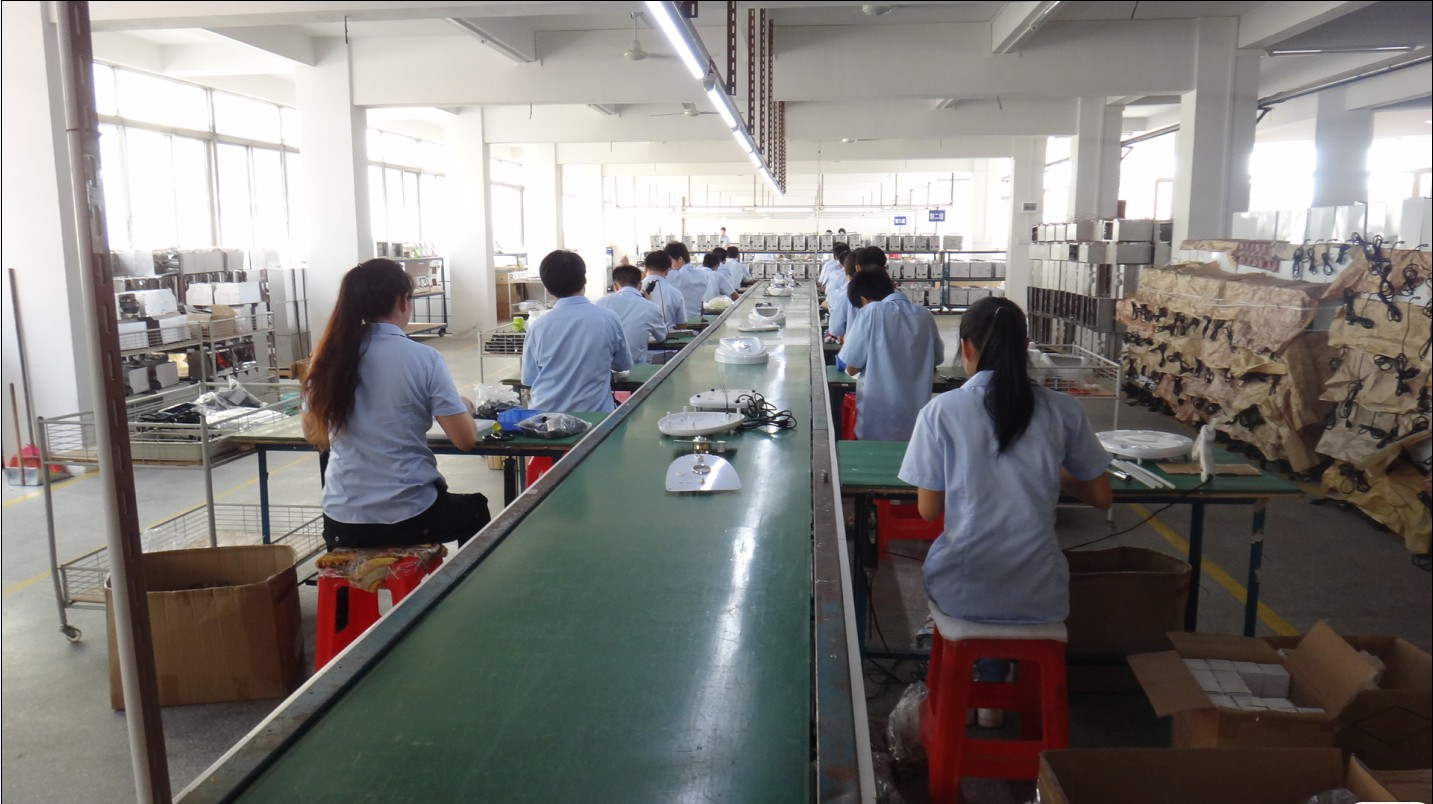
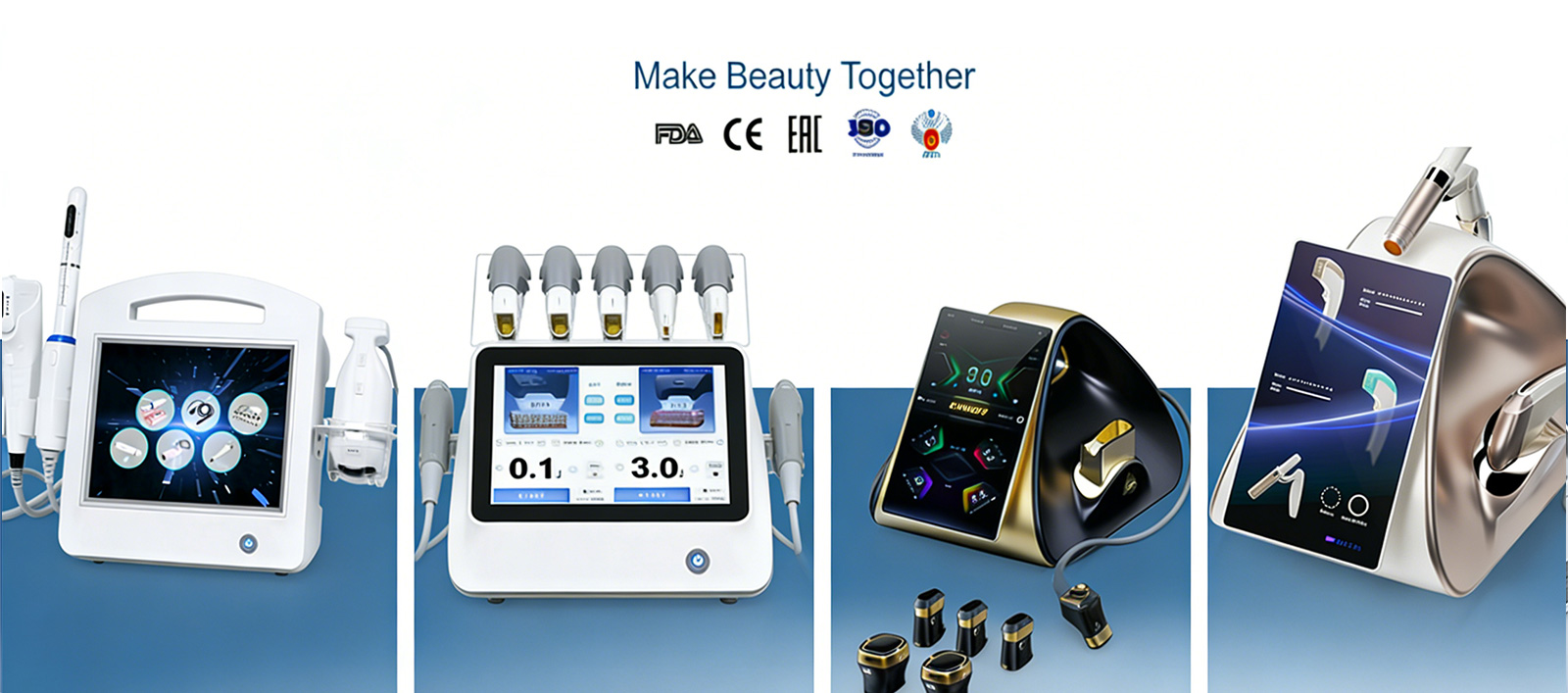
One example worth considering is UangelCare, te Chinese beauty machine manufacturer that positions itself around one-stop medical aesthetic device solutions, covering product design, R&D, Farereira'a, te tahi mau tao'a.
Its current equipment range includes facial machines such as hydrofacial, HIFU, RF microneedling, te rapaauraa ma'i, RF, and PDT systems, along with slimming devices, laser beauty machines, and custom beauty machine development. For clinic owners who want to compare starter equipment packages and then scale into broader device categories later, that kind of manufacturing scope can be useful.
Te mau mana'o hopea
Starting a beauty clinic is not about buying the biggest machine package your budget can tolerate. It is about building a clinic that can deliver treatments safely, consistently, e te maitai.
If I were advising a new owner, I would start with the machines that improve consultations, drive repeat visits, and keep the treatment workflow manageable. Then I would expand into more advanced systems only when the team, protocols, and business model are ready.
That is usually how a clinic grows with less waste, fewer equipment regrets, and a stronger service foundation.