

Je continue de penser que l'une des erreurs les plus coûteuses qu'un nouveau propriétaire de clinique puisse commettre est de confondre une liste d'équipements plus longue avec une stratégie clinique plus solide..
Au début, il est facile de se laisser attirer par la machine qui semble la plus avancée sur un catalogue de fournisseur ou la plus impressionnante sur les réseaux sociaux. Mais une clinique de beauté ne devient pas plus compétitive simplement en achetant plus d'appareils.. Elle devient plus compétitive lorsque son équipement correspond aux traitements pour lesquels elle souhaite être connue., les clients qu'il veut attirer, et la qualité de service qu'il peut fournir de manière constante.
C'est pourquoi je regarde toujours appareil de beauté planifier d'abord d'un point de vue pratique. Avant de comparer les fonctionnalités, pièces à main, ou réclamations de traitement, Je voudrais savoir quel genre de clinique est en cours de construction, quel sera le menu du service de base, et quelles machines seront effectivement utilisées assez souvent pour justifier l'investissement.
Pour la plupart des nouvelles cliniques, la stratégie machine la plus intelligente ne consiste pas à créer la configuration la plus complexe dès le premier jour. Il s’agit de commencer avec des équipements qui soutiennent les consultations, réservations répétées, structure de service visible, et des demandes de formation gérables. De là, il devient beaucoup plus facile de se développer dans des catégories plus avancées une fois que la clinique dispose d'un flux de trésorerie plus important, positionnement plus clair, et plus de confiance opérationnelle.
Pourquoi la planification des machines de beauté est importante avant votre ouverture
Une clinique de beauté réussie ne se construit pas autour d’un catalogue de machines. Il est construit autour d’un modèle de traitement clair.
Avant d'acheter quoi que ce soit, Je définirais ces cinq choses:
- le positionnement de votre clinique
- votre profil client idéal
- vos soins de base
- la capacité technique de votre équipe
- votre capacité de maintenance et de conformité
Ceci est particulièrement important car certaines catégories d’appareils sont soumises à une surveillance réglementaire plus stricte et à des considérations de risque plus sérieuses que d’autres.. Les directives de la FDA sur les dispositifs esthétiques et le microneedling indiquent clairement que le statut du dispositif, utilisation prévue, et la voie de dédouanement est importante, surtout lorsque les cliniques vont au-delà des services de base du visage vers des procédures plus avancées.
Autrement dit, une nouvelle clinique ne devrait pas demander, « Quelles sont les machines à la mode?« Il faudrait demander, « Quelles machines conviennent à la clinique que je suis en train de construire ??»
Comment choisir des machines de beauté pour une nouvelle clinique
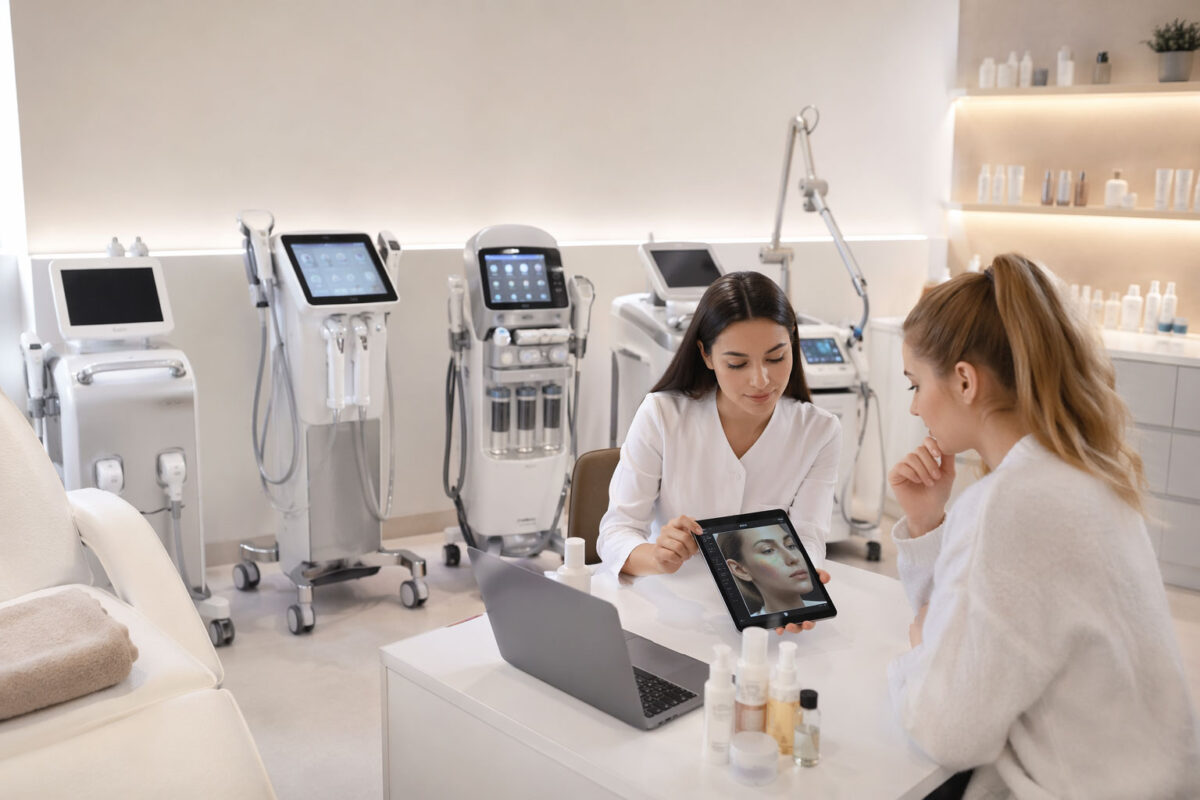
Commencez par votre modèle économique
La plupart des nouvelles cliniques de beauté s’inscrivent dans l’une de ces grandes orientations:
- clinique d'entretien du visage et de la peau
- clinique d'acné et de peau correctrice
- clinique anti-âge
- clinique axée sur le laser
- clinique de remodelage du corps
- clinique esthétique hybride
Chaque modèle nécessite une stratégie d'équipement différente.
Une clinique du visage construite autour de traitements mensuels répétés pourrait être plus efficace en commençant par une analyse cutanée., hydradermabrasion, et thérapie LED. Une clinique construite autour de services correctifs plus coûteux pourrait éventuellement avoir besoin de microneedling, Plateformes RF, ou des appareils laser. Le bon plan de machine dépend de la fréquence d'entretien, préparation du personnel, complexité du traitement, et les attentes des clients.
Choisissez l’utilisation plutôt que le battage médiatique
La meilleure machine de démarrage n’est pas toujours la plus avancée. C'est généralement celui qui:
- prend en charge les réservations fréquentes
- s'adapte à plusieurs niveaux de package
- est facile à comprendre pour les clients
- aide à générer des visites répétées
- peut être exploité de manière cohérente par votre équipe
C'est pourquoi de nombreuses cliniques réussissent mieux avec une configuration d'équipement ciblée dès le lancement plutôt qu'avec un investissement surdimensionné dans des systèmes spécialisés trop tôt..
Pensez au coût total de possession
Le prix d’une machine ne raconte jamais toute l’histoire. Il faut aussi penser à:
- consommables
- pièces à main et embouts
- filtres
- contrats de services
- étalonnage
- temps d'arrêt
- entraînement
- pièces de rechange
- exigences en matière de nettoyage et de désinfection
Les directives du CDC soulignent qu'un nettoyage et un retraitement appropriés sont essentiels à une utilisation sûre de l'équipement, et que le nettoyage doit avoir lieu avant une désinfection ou une stérilisation efficace. Cela rend la planification de la maintenance tout aussi importante que la décision d'achat initiale..
Machines de beauté essentielles pour une clinique en démarrage
1. Machine d'analyse de la peau
Si j'ouvrais une clinique aujourd'hui, ce serait un de mes premiers investissements.
Un appareil d'analyse cutanée ne ressemble pas toujours à l'achat le plus glamour, mais cela améliore l'une des parties les plus importantes d'une clinique de beauté: qualité des consultations.
Cela vous aide:
- évaluer les problèmes de peau visibles de manière plus professionnelle
- expliquer clairement les recommandations de traitement
- documenter les progrès au fil du temps
- améliorer la confiance lors des consultations
- soutenir les soins à domicile et la vente incitative de forfaits
Pour une clinique de démarrage, c'est important car de meilleures consultations conduisent généralement à une meilleure conversion, meilleure adéquation des traitements, et une meilleure fidélisation des clients à long terme.
Idéal pour: cliniques du visage, cliniques dirigées par des consultations, entreprises haut de gamme de soins de la peau
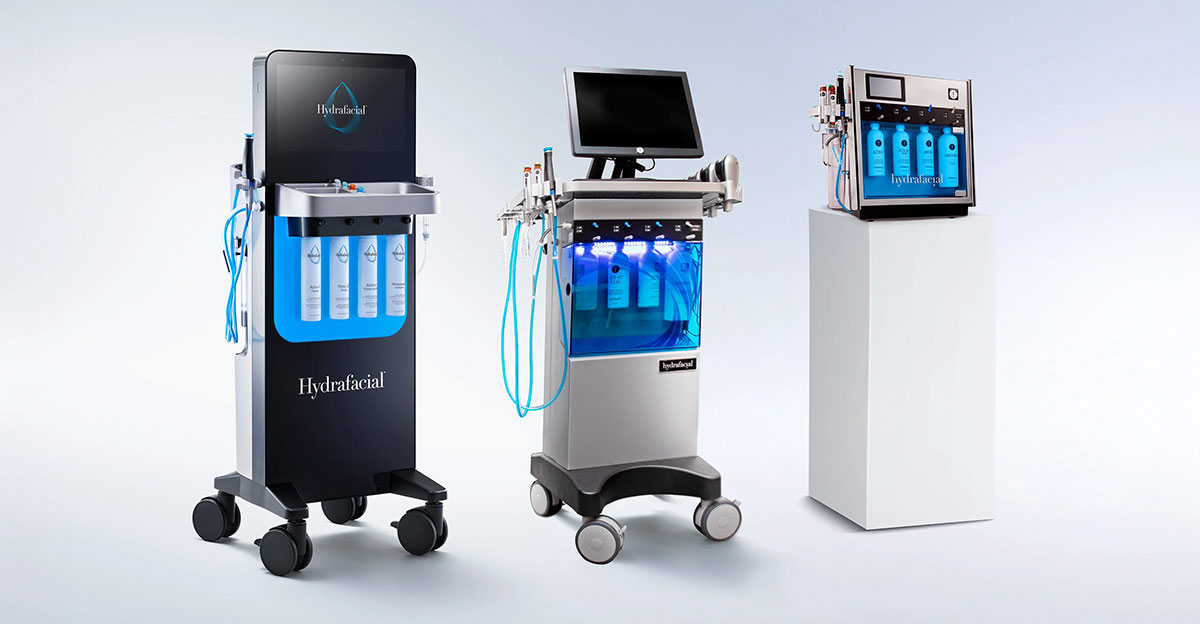
2. Machine Hydro Faciale ou Hydradermabrasion
Pour de nombreuses nouvelles cliniques, c'est l'une des premières machines les plus pratiques à acheter.
Un système d’hydrofacial ou d’hydradermabrasion peut soutenir:
- nettoyage
- exfoliation
- support d'extraction
- soins d'hydratation
- perfusion de sérum
- forfaits visage d'introduction
Ce genre de machine fonctionne particulièrement bien dans les startups car le traitement est facile à expliquer, facile à commercialiser, et généralement plus facile à intégrer dans les plans de traitement à visites répétées.
Idéal pour: cliniques du visage, modèles d'adhésion, cliniques ciblant l'entretien régulier des soins de la peau
3. Machine de luminothérapie LED
L’équipement de thérapie LED est souvent l’un des appareils les plus flexibles dans une clinique en démarrage.
Il peut être utilisé comme:
- un module complémentaire autonome
- un traitement de soutien contre l'acné
- une étape apaisante post-traitement
- un service d'aide à la récupération après d'autres démarches
Son plus grand avantage est qu'il élargit votre menu sans rendre votre flux de travail trop compliqué..
Idéal pour: menus axés sur l'acné, programmes peaux sensibles, traitements de récupération et de soutien
4. Appareil de micro-aiguilletage
Microneedling est une catégorie solide pour les cliniques qui souhaitent aller au-delà des soins du visage de base et offrir des services cutanés davantage axés sur les résultats..
Il est couramment envisagé pour des problèmes tels que:
- cicatrices d'acné du visage
- problèmes de texture visibles
- rides du visage
- programmes axés sur le rajeunissement
Mais c’est aussi là que les startups cliniques doivent être disciplinées. La FDA déclare que les dispositifs de microneedling autorisés à des fins esthétiques ont des utilisations spécifiques examinées, y compris l'amélioration de l'apparence des cicatrices d'acné du visage, rides du visage, et cicatrices abdominales chez l'adulte, plutôt que des allégations cosmétiques illimitées. Les directives de la FDA distinguent également les dispositifs de microneedling réglementés des produits destinés à l'administration transdermique de produits topiques..
Idéal pour: cliniques avancées de la peau, menus de soins correcteurs, programmes faciaux de plus grande valeur
5. Machine de resserrement de la peau par radiofréquence
Les systèmes basés sur la RF sont attrayants car ils permettent aux cliniques de se positionner autour du rajeunissement non chirurgical, serrage, et demande anti-âge.
Cependant, Je n'appellerais pas automatiquement RF essentiel pour chaque startup. Cela a plus de sens lorsque votre clinique cible clairement un public anti-âge et que votre équipe est prête à adopter des protocoles de traitement plus stricts..
Cette prudence est plus importante maintenant car en octobre 2025 la FDA a publié un avertissement de sécurité concernant les complications graves signalées lors de certaines utilisations de dispositifs de microneedling RF., y compris les brûlures, cicatrisation, perte de graisse, défiguration, lésions nerveuses, et les cas nécessitant une intervention médicale ou chirurgicale.
Idéal pour: cliniques anti-âge, menus de rajeunissement non invasifs haut de gamme, des équipes d'opérateurs expérimentés
6. Machine d'épilation au laser
L'épilation au laser peut être l'une des sources de revenus les plus solides sur le bon marché, car elle est largement comprise par les clients et souvent vendue sous forme de forfaits ou de cours de traitement..
Mais cela ne doit pas être traité comme un achat occasionnel. Les systèmes laser nécessitent généralement une plus grande attention:
- formation des opérateurs
- protocoles de traitement
- sécurité oculaire
- documentation
- entretien
- statut de l'appareil sur le marché cible
Les directives de la FDA sur les dispositifs esthétiques indiquent clairement que de nombreuses plateformes esthétiques relèvent des voies réglementées des dispositifs en fonction de l'utilisation prévue., c'est pourquoi les cliniques doivent vérifier soigneusement la documentation et les réclamations de l'appareil avant l'achat..
Idéal pour: cliniques sur des marchés à forte demande en épilation, modèles de services à haut volume, les entreprises planifient des forfaits de traitement récurrents
7. Machine de contour du corps
Les appareils de remodelage corporel sont souvent très attrayants pour les nouveaux propriétaires car ils peuvent donner à une clinique une apparence plus avancée dès le premier jour..
Mon point de vue est plus conservateur. Ils peuvent être commercialement utiles, mais ils constituent rarement la première machine dont une clinique a réellement besoin, à moins que les soins corporels ne soient au cœur du concept de la clinique..
L’aperçu du remodelage corporel de la FDA s’inscrit également dans le cadre plus large des dispositifs esthétiques, renforçant le fait que les technologies non invasives de remodelage corporel doivent encore être évaluées soigneusement en termes d'allégations, indications, et le parcours de l'appareil.
Idéal pour: cliniques centrées sur le corps, cliniques dotées de solides systèmes de vente incitative, les entreprises disposant de suffisamment d’espace et de soutien marketing pour développer la demande de traitement
8. Machine à oxygène pour le visage ou à perfusion
Une machine faciale à oxygène n'est généralement pas le moteur principal d'une clinique en démarrage, mais cela peut être un dispositif de soutien puissant.
Il s'intègre bien dans:
- soins du visage éclat
- traitements de préparation à un événement
- menus d'hydratation
- améliorations post-exfoliation
- services peaux sensibles
Il est préférable de le considérer comme un enrichissement du menu plutôt que comme le fondement de la clinique..
Idéal pour: boutiques de soins du visage, cliniques axées sur l'éclat, menus de soins en plusieurs niveaux.
Quelles machines de beauté sont vraiment essentielles pour la plupart des startups?
Si je devais simplifier la liste de lancement, Je le diviserais en trois niveaux.
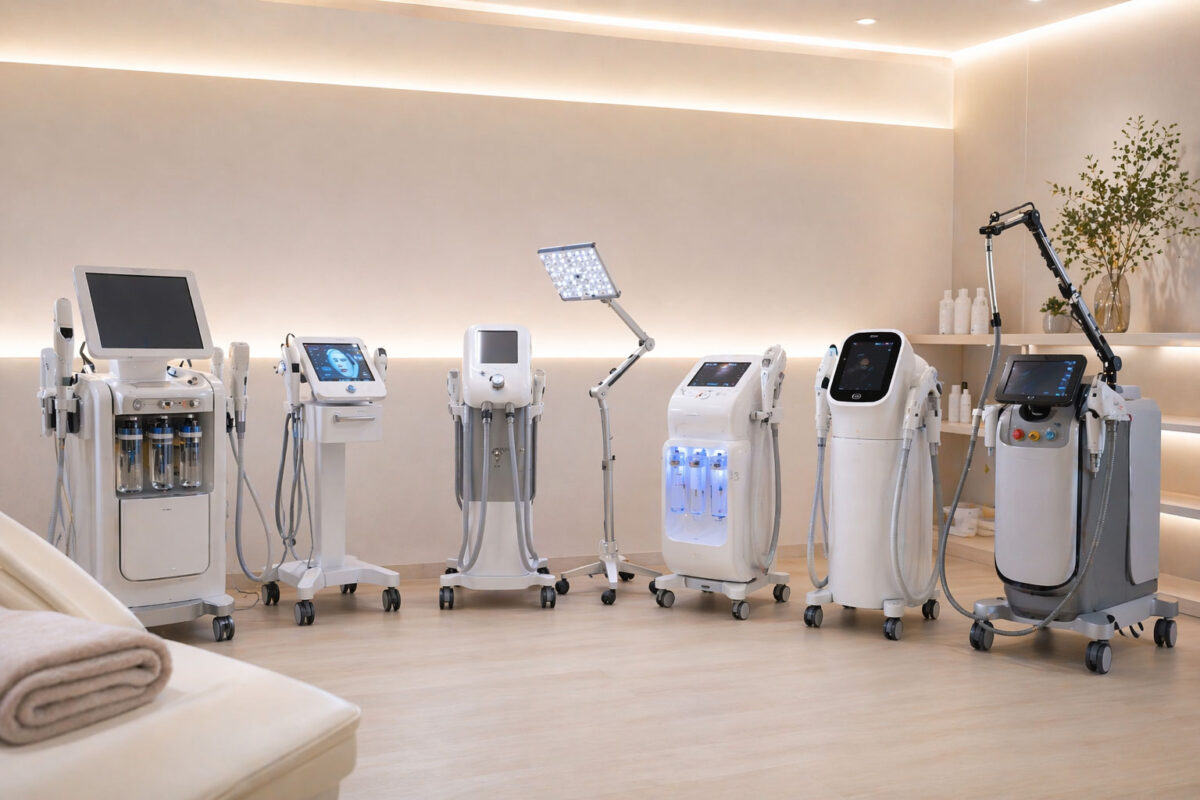
Machines de démarrage principales
Ce sont les éléments essentiels les plus réalistes pour de nombreuses nouvelles cliniques:
- machine d'analyse de la peau
- machine hydro faciale ou hydradermabrasion
- Appareil de thérapie LED
Machines en phase de croissance
Cela a du sens lorsque la clinique souhaite une différenciation plus forte:
- appareil de micro-aiguilletage
- Système de rajeunissement basé sur RF
- machine à perfusion d'oxygène
Machines à investissement avancé
Celles-ci ont généralement plus de sens une fois que la clinique dispose d'une base de traitement stable.:
- appareil d'épilation au laser
- resurfaçage des plates-formes
- systèmes de remodelage du corps
Cette approche progressive est souvent plus sûre sur le plan financier et opérationnel que de tout acheter en même temps..
Une stratégie d'achat plus intelligente pour les nouveaux propriétaires de cliniques
Phase 1: Développer la qualité des consultations et les traitements à visites répétées
Commencez avec des machines qui prennent en charge les réservations régulières et attirent un large éventail de clients.:
- analyse de la peau
- hydradermabrasion ou hydro facial
- Thérapie LED
Cela donne à votre clinique un menu d'entrée solide sans obliger l'équipe à se lancer trop tôt dans des traitements trop complexes..
Phase 2: Ajouter une valeur plus élevée, services axés sur les résultats
Une fois que votre flux de consultation et votre trafic répété sont stables, pensez à ajouter:
- microneedling
- Raffermissement de la peau par RF
- améliorations de la perfusion d'oxygène
Cette étape permet d’augmenter la valeur du traitement et d’affiner le positionnement de votre clinique.
Phase 3: Développez-vous dans des catégories spécialisées
Seulement après flux de trésorerie, confiance du personnel, et la demande sont plus claires, est-ce que j'emménagerais:
- épilation au laser
- appareils de resurfaçage
- plateformes de remodelage du corps
Ce séquençage est généralement plus durable que d'essayer de lancer chaque catégorie en même temps..
Nettoyage, Désinfection, et l'entretien ne devrait jamais être une réflexion après coup
L'un des moyens les plus rapides de créer des problèmes opérationnels dans une nouvelle clinique est de sous-estimer l'hygiène et la maintenance..
Les directives du CDC sur la désinfection et la stérilisation expliquent que l'équipement doit être traité en fonction de la manière dont il est utilisé et de ce avec quoi il entre en contact.. Les articles en contact avec des muqueuses ou une peau non intacte nécessitent un niveau de retraitement plus élevé que les articles en contact avec une peau intacte uniquement., et les équipements contaminés réutilisables nécessitent des étapes structurées de décontamination et de traitement..
Pour un propriétaire de clinique, le sens pratique est simple:
- tous les appareils ne peuvent pas être nettoyés de la même manière
- les pointes et têtes réutilisables nécessitent des protocoles écrits
- le nettoyage doit avoir lieu avant la désinfection ou la stérilisation
- les composants à usage unique ne doivent pas être réutilisés avec désinvolture
- les journaux de maintenance et la formation du personnel sont importants
Le CDC souligne également que la réutilisation des dispositifs médicaux à usage unique soulève des questions réglementaires., légal, éthique, et problèmes médicaux, c'est une autre raison pour laquelle les cliniques doivent respecter strictement les instructions du fabricant et les procédures de traitement des appareils..
Un fabricant à considérer pour la planification de nouveaux équipements cliniques
Si vous comparez toujours des partenaires de machines de beauté, il peut également être judicieux de s'intéresser aux fabricants capables de prendre en charge plusieurs catégories d'appareils au lieu de tout acheter auprès de différents fournisseurs..
Pour les nouvelles cliniques en particulier, cela signifie généralement moins de lacunes de communication, meilleure cohérence dans la coordination après-vente, et une voie plus pratique lors de la planification d'un déploiement d'équipement progressif.
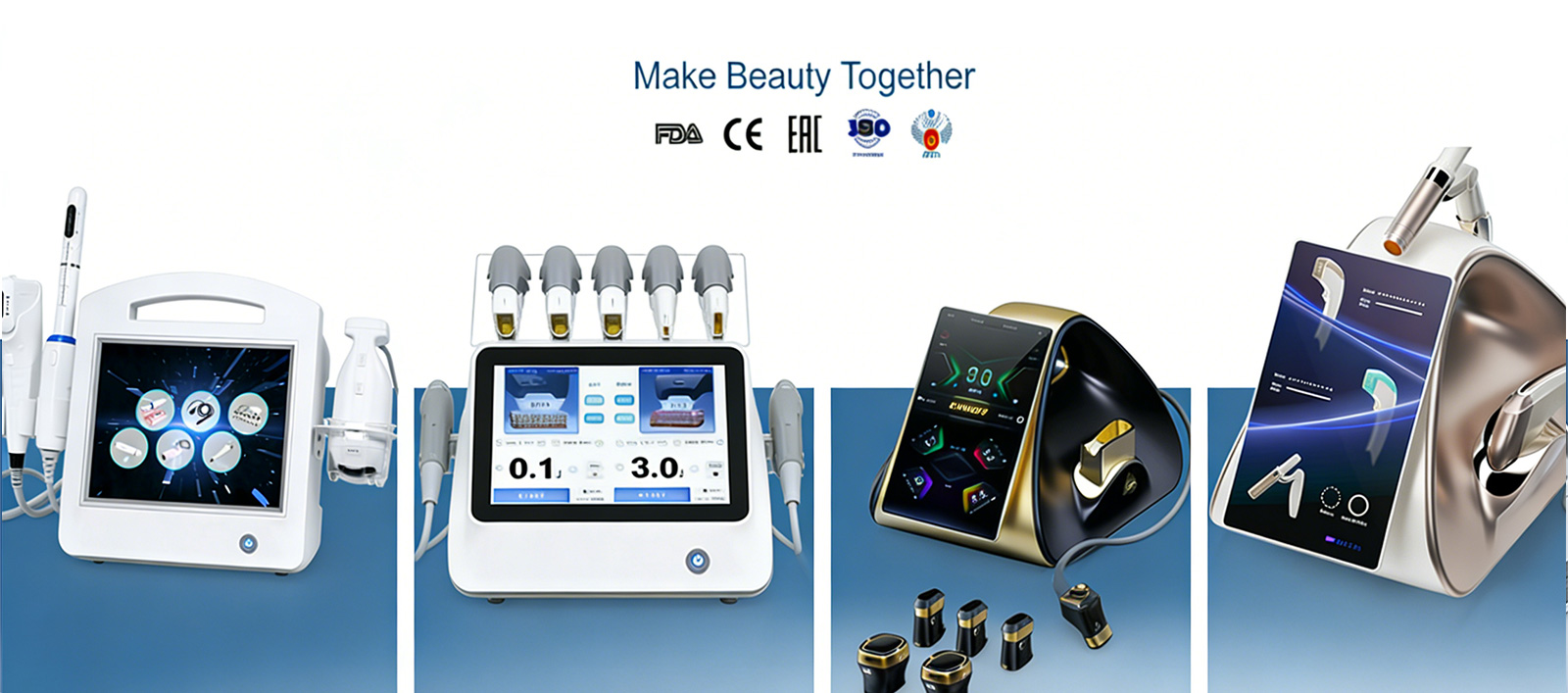
Un exemple à considérer est UangelCare, un Fabricant chinois de machines de beauté qui se positionne autour de solutions uniques en matière de dispositifs médico-esthétiques, couvrant la conception des produits, R.&D, production, et ventes.
Sa gamme d'équipements actuelle comprend des machines faciales telles que des appareils hydrofaciaux, HIFU, Micro-aiguilletage RF, mésothérapie, FR, et systèmes PDT, avec des appareils minceur, machines de beauté au laser, et développement de machines de beauté personnalisées. Pour les propriétaires de cliniques qui souhaitent comparer les packs d'équipements de démarrage, puis évoluer ultérieurement vers des catégories d'appareils plus larges., ce genre de portée de fabrication peut être utile.
Pensées finales
Créer une clinique de beauté ne consiste pas à acheter le plus gros ensemble de machines que votre budget peut tolérer.. Il s’agit de construire une clinique capable de délivrer des traitements en toute sécurité, constamment, et de manière rentable.
Si je conseillais à un nouveau propriétaire, Je commencerais par les machines qui améliorent les consultations, générer des visites répétées, et garder le flux de travail de traitement gérable. Ensuite, je me développerais vers des systèmes plus avancés uniquement lorsque l'équipe, protocoles, et le modèle économique sont prêts.
C'est généralement ainsi qu'une clinique se développe avec moins de déchets, moins de regrets d'équipement, et une base de service plus solide.