

HIFU와 RF 미세 바늘 중 하나를 선택하는 것은 비수술 피부 강화 제품을 확장할 때 클리닉 소유자가 직면하는 가장 일반적인 딜레마 중 하나입니다.. 두 기술 모두 수술 없이 콜라겐 자극 결과를 제공하지만 근본적으로 다른 메커니즘을 통해 작동합니다., 다양한 조직 깊이를 목표로 삼습니다., 뚜렷한 임상 결과를 만들어냅니다..
이 비교는 과학을 무너뜨립니다., 비즈니스 사례, 임상 현실을 바탕으로 자신 있게 장비 결정을 내릴 수 있습니다..
빠른 평결: 어느 것이 더 나은가?
| 목표 | 더 나은 선택 | 왜 |
|---|---|---|
| 깊은 피부 강화 (SMAS 레이어) | 하이푸 | 4.5mm 깊이에 도달, 섬유조직을 수축시킨다 |
| 표면 질감 & 모공 개선 | RF 마이크로니들링 | 미세 손상을 통한 직접적인 표피 리모델링 |
| 여드름 흉터 개선 | RF 마이크로니들링 | 부분 손상은 상처난 조직에서 콜라겐을 유발합니다 |
| 처진 턱선/목 리프팅 | 하이푸 | SMAS 수축 = 눈에 보이는 리프팅 |
| 가동 중지 시간 최소화 | 하이푸 | 바늘 없음, 열린 상처 없음 |
| 모든 피부 타입 (낮은 PIH 위험) | 하이푸 | 초음파 에너지는 멜라닌을 우회합니다 |
| 결합된 치료 프로토콜 | 둘 다 | 순서가 올바르게 지정되면 시너지 효과 |
결론: 하이푸 리프트. RF 미세침 재표면화. 올바른 선택은 환자가 가장 많이 요구하는 것과 경쟁업체가 제공하지 않는 것이 무엇인지에 따라 달라집니다..
HIFU란 무엇이며 어떻게 작동하나요?
하이푸 고강도 집속 초음파의 약자. 표면을 손상시키지 않고 피부 속 정확한 깊이까지 집중된 초음파 에너지를 전달합니다..
작용 메커니즘
- 초음파는 피부 아래 특정 지점에 집중됩니다.
- 초점에서, 온도 도달 60-75°C 몇 초 안에
- 이 열 응고는 즉각적인 콜라겐 수축과 장기적인 신콜라겐 생성을 유발합니다.
- 피부 표면은 그대로 유지됩니다. 바늘이 없습니다., 상처는 없어
치료 깊이
HIFU 기계는 일반적으로 다양한 카트리지 깊이를 제공합니다.:
| 깊이 | 대상 레이어 | 임상효과 |
|---|---|---|
| 1.5mm | 진피 | 잔주름 감소, 콜라겐 부스트 |
| 3.0mm | 깊은 진피 | 주름 감소, 피부가 두꺼워지는 현상 |
| 4.5mm | SMAS 레이어 | 리프팅, 조임, 턱선 정의 |
| 6.0-16mm | 피하지방 | 바디 컨투어링 (리포소닉 기능) |
그만큼 4.5mm 깊이가 HIFU를 독특하게 만드는 요소입니다. — 표재성 근건막 시스템에 도달하는 유일한 비침습적 기술입니다. (스마스), 외과적 안면 성형 수술을 목표로 하는 동일한 층.
주요 HIFU 사양
- 빈도: 4–7MHz (얼굴), 230 kHz (바디/리포소닉)
- 에너지 범위: 0.2샷당 –2.0J
- 카트리지당 샷 수: 10,000–20,000발
- 치료시간: 30–60분 (얼굴 전체)
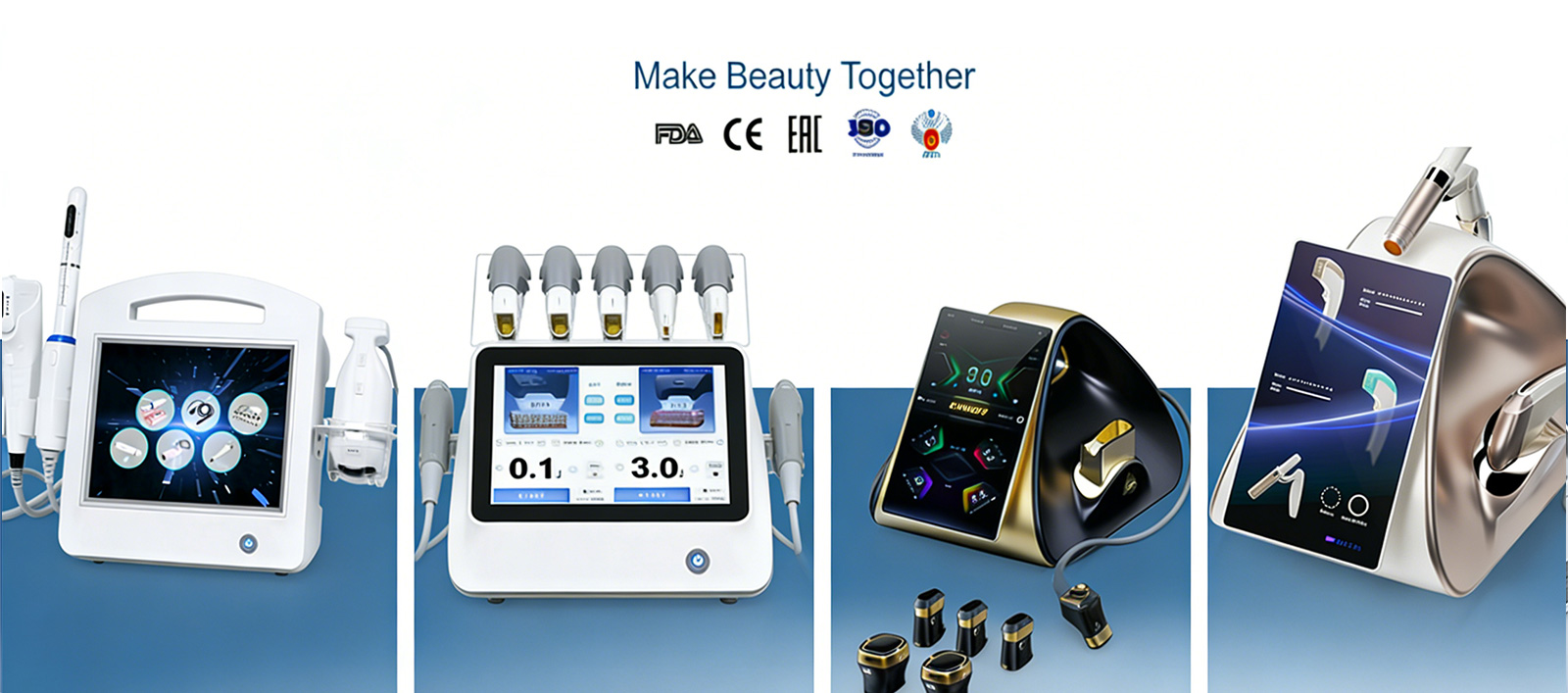
전문적인 HIFU 시스템을 찾고 있습니다? 보다 유엔젤케어의 HIFU 머신 컬렉션 얼굴이 있는 복합기용, 몸, 및 질 카트리지.
RF Microneedling이란 무엇이며 어떻게 작동합니까?
RF 미세 니들링 두 가지 콜라겐 자극 메커니즘을 결합합니다.: 미세한 바늘로 인한 기계적 미세 부상과 바늘을 통해 전달되는 양극성 고주파의 열에너지.
작용 메커니즘
- 멸균 바늘이 제어된 깊이로 피부에 침투합니다. (0.5-7mm)
- 목표 깊이에서, 양극성 RF 에너지 바늘 끝에서 풀려나
- RF는 열을 발생시킵니다 (일반적으로 40-60°C) 주변 조직에
- 이는 상처 치유와 콜라겐 생성을 유발하는 제어된 열 구역을 생성합니다.
- 미세한 부상 자체도 성장 인자 방출을 자극합니다.
치료 깊이
| 깊이 | 대상 레이어 | 임상효과 |
|---|---|---|
| 0.5-1.0mm | 표피/상부 진피 | 모공 개선, 가는 선 |
| 1.5-2.5mm | 중진피 | 주름 감소, 질감 개선 |
| 3.0-4.0mm | 깊은 진피 | 여드름 흉터, 깊은 주름 |
| 5.0-7.0mm | 피하층 | 신체 흉터, 딥 컨투어링 |
주요 RF 미세침 사양
- 바늘 수: 25팁당 –49개의 바늘 (모델에 따라 다름)
- RF 주파수: 1–3MHz
- 바늘 깊이: 0.5-7mm (조절할 수 있는)
- 에너지 출력: 0.5-50W (모델에 따라 다름)
- 치료시간: 20–45분 (얼굴 전체)
다음에서 전문적인 옵션을 살펴보세요. 유엔젤케어 RF 마이크로니들 머신 페이지 — 조정 가능한 깊이와 다양한 강도 수준으로 OEM/ODM 이용 가능.
나란히 비교
| 매개변수 | 하이푸 | RF 마이크로니들링 |
|---|---|---|
| 기술 | 집중 초음파 | 미세바늘 + 양극성 RF |
| 에너지 유형 | 초음파 (기계적인 + 열의) | 고주파 (열의) |
| 최대 깊이 | 4.5mm (얼굴), 16mm (몸) | 7mm |
| 독특한 깊이 | SMAS 레이어 (4.5mm) | 해당 없음 |
| 피부 표면이 깨짐? | 아니요 | 예 (미세 구멍) |
| 중단 시간 | 0-1일 (가벼운 발적) | 2-5일 (홍반, 가벼운 붓기) |
| 통증 수준 | 보통의 (깊은 열감) | 보통의 (국소마취 권장) |
| 필요한 세션 | 1-2 (다음 이후에 표시됨 1) | 3-6 (흉터를 위해) |
| 결과 개시 | 2-3개월 (최고점 6) | 1-2개월 (3~4에서 최고조) |
| 결과 기간 | 12-18개월 | 6–12개월 |
| 피부타입 안전성 | 모든 Fitzpatrick 유형 (I~VI) | IV–VI에 대한 주의 (PIH 위험) |
| 주요 적응증 | 리프팅, 조임 | 표면 재포장, 조직, 흉터 |
| 평균 진료비 | $800–$2,500/세션 | $400–$1,200/세션 |
| 설비 투자 | $3,000–$15,000 | $2,000–$8,000 |
피부 강화에 더 좋은 것은 무엇입니까??
HIFU는 순수한 피부 타이트닝과 리프팅으로 승리합니다. 이유는 다음과 같습니다:
- SMAS 접속: HIFU는 SMAS층을 수축시키는 유일한 비침습적 방식입니다.. 이는 안면 조직을 제 위치에 고정하는 구조적 층입니다.. 수축할 때, 표면 조임뿐만 아니라 눈에 띄는 리프팅 효과를 얻을 수 있습니다..
- 콜라겐 수량: 연구에 따르면 HIFU는 콜라겐 밀도를 다음과 같이 증가시킵니다. 22-36% ~에 6 치료 후 개월, 초음파 영상으로 측정.
- 더 긴 기간: 단일 HIFU 세션으로 12~18개월 동안 지속되는 결과를 얻을 수 있습니다.. RF 미세 바늘은 일반적으로 6~12개월마다 유지 관리가 필요합니다..
하지만, RF 미세침으로 표면 피부를 더욱 효과적으로 조여줍니다:
- 미세 부상 + RF 조합으로 상부 3mm의 강력한 진피 리모델링이 시작됩니다.
- 표면적 이완이 있는 환자의 경우, 가는 선, 아니면 까무잡잡한 피부, RF 마이크로니들링은 세션당 더욱 눈에 띄는 표면 조임을 생성합니다.
- 여러 세션으로 효과가 복합됩니다. 3~4회의 RF 미세침 세션은 표면 수준 타이트닝을 위한 단일 HIFU 치료와 같거나 그 이상일 수 있습니다.
임상 권고사항: 환자의 주된 고민이 처짐일때 HIFU를 사용해보세요, 졸졸졸, 또는 턱선 정의의 상실. 표면 질감이 우려되는 경우 RF 마이크로니들링을 사용하세요., 모공 확대, 아니면 피부가 좋아보이거나 “크레이프” 오히려 “처진.”
질감에 더 나은 것은 무엇입니까?, 모공, 그리고 여드름 흉터?
RF 미세 바늘이 여기서 확실한 승자입니다. 콘테스트 없음.
RF Microneedling이 뛰어난 이유
- 부분 부상 패턴: 바늘 배열은 상처 치유 단계를 촉발하는 제어된 미세 상처를 생성합니다.. 이는 분수 CO2 레이저의 원리와 동일하지만 가동 중지 시간이 적고 PIH 위험이 낮습니다..
- 직접적인 표피 리모델링: 바늘은 흉터 조직을 물리적으로 분해합니다.. 그러면 RF 열이 치료된 채널의 콜라겐을 재구성합니다.. 이 이중 작용은 초음파 단독 작용보다 위축성 여드름 흉터에 훨씬 더 효과적입니다..
- 모공 크기 감소: 임상 연구에 따르면 30–50% 감소 이후 모공 크기 3 RF 미세 조정 세션.
- 여드름 흉터 개선: 예상하다 40–70% 개선 4~6회 세션 후 롤링 및 박스카 흉터.
HIFU가 질감이 부족한 이유
- HIFU는 표피를 완전히 우회하여. 표면 아래에 에너지를 축적합니다., 그래서 피부결을 직접적으로 리모델링하거나 흉터조직을 치료하지 않습니다..
- 일부 환자는 콜라겐 증가로 인해 약간의 표면 개선을 경험했습니다., 하지만 RF 마이크로니들링에 비해 간접적이고 일관성이 없습니다..
임상 권고사항: 여드름 흉터가 생긴 경우, 모공 확대, 또는 거친 질감이 주요 관심사입니다., RF 마이크로니들링이 첫 번째 치료법이 되어야 합니다.. 필요한 경우 리프팅을 위해 나중에 HIFU를 추가할 수 있습니다..
치료 경험 및 환자의 편안함
하이푸 체험
- 마비가 필요하지 않습니다. (일부 클리닉에서는 이를 제공하지만)
- 다음과 같이 설명되는 감각 가끔 날카로운 폭발을 동반한 깊은 열기
- 뼈가 있는 부위가 더 불편함 (턱선, 이마)
- 치료시간: 30–60분
- 치료 후: 1~2시간 동안 가벼운 발적, 눈에 보이는 상처는 없어
- 환자는 즉시 직장에 복귀할 수 있습니다.
RF 미세침 체험
- 국소마취 필요 (30–치료 전 45분 적용)
- 감각: 압력 + 바늘 삽입 시 열
- 편안함 관리를 위해 조정 가능한 바늘 속도 및 RF 강도
- 치료시간: 20–45분 + 마비된 시간
- 치료 후: 12~72시간 동안 발적, 가벼운 붓기, 작은 껍질 가능
- 환자는 사교 행사 1~3일 전에 필요합니다.
환자 순응도 요인
비즈니스 관점에서, HIFU는 치료 순응도가 더 높습니다:
- 바늘 없음 = 불안 감소, 특히 처음 환자에게
- 가동 중지 시간 없음 = 일정 예약이 더 쉬움, 환자의 생활에 지장을 주지 않습니다
- 많은 환자를 위한 단일 세션 = 예약 취소 횟수 감소
RF 미세 바늘에는 더 많은 장벽이 있습니다:
- 마비는 각 방문에 30~45분을 추가합니다.
- 가동 중지 시간은 환자가 약속 시간에 맞춰 계획을 세워야 함을 의미합니다.
- 여러 세션이 필요함 = 하차 기회가 더 많음
HIFU와 RF Microneedling을 결합할 수 있습니까??
그렇습니다. 그리고 이 조합은 고급 진료소에서 점점 더 인기를 얻고 있습니다..
왜 결합해야 할까요?
- HIFU는 심부 조직을 다룬다 (스마스리프팅, 구조적 강화)
- RF 미세 바늘 주소 표면 (조직, 모공, 흉터)
- 함께, 그들은 배달한다 “3D 회춘” — 깊은 리프트 + 표면 갱신
권장 프로토콜
| 타임라인 | 치료 | 이론적 해석 |
|---|---|---|
| 주 1 | 하이푸 | 먼저 깊이 들어 올려 조이세요 |
| 4~6주차 | RF 마이크로니들링 #1 | 표면 리모델링 시작 |
| 8~10주 | RF 마이크로니들링 #2 | 누적 콜라겐 구축 |
| 12~14주 | RF 마이크로니들링 #3 | 최종 표면 개선 |
중요한 안전 참고사항
- 같은 날 두 가지를 동시에 수행하지 마십시오. — 열 손상이 너무 많으면 합병증 위험이 높아집니다.
- 허용하다 4– HIFU와 RF 미세침 사이에 6주 같은 지역에
- 순서가 중요하다: 하이푸는 먼저 “발판” 승강기, 그런 다음 RF 마이크로 니들링으로 표면을 다듬습니다.
- 조합 패키지는 프리미엄 가격을 요구합니다: $2,500–$5,000 전체 프로토콜의 경우
진료소가 선택하는 방법: 비즈니스 관점
그렇다면 먼저 HIFU를 선택하세요:
- 귀하의 환자는 주로 리프팅과 노화 방지를 원합니다. — 이것은 #1 환자를 진료하는 진료소의 요청 35+
- 당신은 “영웅 대우” 당신의 병원을 차별화하는 하이푸, 드라마틱한 비포애프터 사진을 만들어드립니다
- 직원의 경험이 부족합니다. — HIFU는 학습 곡선이 더 얕습니다. (바늘 없음, 출혈 관리 없음)
- 다양한 피부 타입에 서비스를 제공하고 있습니다. — HIFU는 PIH 위험 없이 Fitzpatrick IV-VI에 안전합니다.
- 수익모델: 세션당 수익 증가 ($800–$2,500), 필요한 세션 수가 적음
다음과 같은 경우 RF Microneedling을 먼저 선택하십시오.:
- 당신의 환자들은 더 젊어집니다 (25-40) 여드름 흉터로 인한 고민으로, 모공, 그리고 질감
- 이미 리프팅 장치가 있습니다 (원자 램프, 스레드 리프트) 재포장 보완이 필요합니다
- 귀하의 시장은 여드름 흉터 치료에 대한 수요가 높습니다 — 이는 전 세계적으로 가장 수요가 많은 치료법 중 하나입니다.
- 수익모델: 세션당 비용 절감 ($400–$1,200), 하지만 환자당 더 많은 세션 = 더 높은 평생 가치
이상적인 설정: 둘 다
예산이 허락한다면, 두 기술을 모두 제공하면 완전한 비수술적 회춘 플랫폼이 생성됩니다.:
- 교차 판매 가능성: 모든 HIFU 환자는 RF 미세침 개선의 후보자입니다., 그리고 그 반대
- 패키지 가격: 복합 프로토콜은 단일 방식 치료 수익의 2~3배를 창출합니다.
- 환자 유지: 더 많은 치료 옵션 = 경쟁사에 대한 추천 감소
- 시장 포지셔닝: “전체 스펙트럼 비수술 회춘” 것보다 더 강력한 가치 제안이다. “우리는 하이푸를 해요” 또는 “우리는 미세바늘 작업을 합니다”
장비 투자 비교
| 요인 | 하이푸 머신 | RF 미세 바늘 기계 |
|---|---|---|
| 장비 비용 | $3,000–$15,000 | $2,000–$8,000 |
| 세션당 소모품 | $5–$15 (젤라틴, 시간이 지남에 따라 카트리지) | $10–$30 (바늘 끝) |
| 손익분기점 | 5–12 트리트먼트 | 4–10 트리트먼트 |
| ROI 타임라인 | 2-4개월 | 2-3개월 |
| 직원 교육 | 1-2일 | 2-3일 |
FAQ
HIFU 또는 RF 미세침이 더 고통스럽습니까??
HIFU는 가끔 날카로운 잽으로 깊은 열감을 유발합니다., 특히 뼈가 있는 부위. RF 미세 바늘에는 바늘 삽입과 열이 포함됩니다., 하지만 사전에 국소 마비를 적용합니다.. 대부분의 환자는 통증 척도에서 둘 다 약 4~6/10으로 평가합니다.. HIFU에는 마취가 필요하지 않습니다.; RF 미세 바늘에는 30~45분의 국소 마취가 필요합니다..
RF 미세침에 비해 HIFU 결과가 얼마나 오래 지속됩니까??
HIFU 결과는 일반적으로 지속됩니다. 12-18개월 단일 세션에서. RF 미세 바늘 결과는 마지막에 나타납니다. 6–12개월, 하지만 여러 세션을 통해 누적적으로 개선됩니다.. 유지보수용, HIFU에는 1 연례 세션; RF 미세 바늘링은 초기 시리즈 이후 연간 1~2회 세션의 이점을 제공합니다..
HIFU와 RF 미세침을 같은 날에 할 수 있나요??
아니요. 같은 날 두 가지를 결합하면 과도한 열상 위험이 증가합니다., 장기간의 가동 중지 시간, 잠재적인 합병증. 동일한 치료 영역에서 양식 간에 최소 4~6주를 기다립니다..
처짐이 심한 노인 환자에게 더 좋은 것은 무엇입니까??
하이푸 중등도에서 심각한 처짐이 있는 환자에게 더 나은 1차 선택입니다.. SMAS 층 수축은 RF 미세 바늘이 복제할 수 없는 측정 가능한 리프트를 제공합니다.. 처짐이 진행된 환자의 경우 (수술적 교정이 필요한), 두 기술 모두 수술 수준의 결과를 제공하지 않습니다., 하지만 HIFU는 수술을 1~3년 정도 지연시킬 수 있습니다..
HIFU는 어두운 피부톤에도 안전한가요??
예. 하이푸(HIFU)는 초음파 에너지를 이용해, 멜라닌에 흡수되지 않는. 모든 Fitzpatrick 피부 타입에 안전합니다. (I~VI) 염증 후 과다색소침착의 위험이 증가하지 않음. RF 미세 바늘은 IV~VI 피부 유형에 대해 낮지만 PIH 위험이 존재합니다..
여드름 흉터에는 몇 번의 RF 미세침 시술이 필요합니까??
대부분의 임상 프로토콜에서는 권장합니다. 4-6 세션 위축성 여드름 흉터의 경우 4~6주 간격으로 시행. 롤링, 박스카 흉터 40~70% 개선 효과 기대. 아이스픽 흉터는 보조 치료가 필요할 수 있습니다. (TCA 크로스, 펀치 절제).
HIFU와 RF 미세 바늘 기계의 ROI 차이점은 무엇입니까?
HIFU 기계는 초기 비용이 더 높습니다 ($3,000–$15,000) 세션당 더 많은 수익 창출 ($800–$2,500). RF 미세 바늘 기계 비용이 저렴합니다. ($2,000–$8,000) 더 낮은 세션당 가격으로 ($400–$1,200) 하지만 환자당 세션 수가 더 많습니다.. 일관된 환자 흐름으로 두 가지 모두 일반적으로 2~4개월 이내에 중단됩니다..
귀하의 진료소에 HIFU 또는 RF 미세침을 추가할 준비가 되었습니다.? 탐구하다 유엔젤케어의 HIFU 머신 그리고 RF 미세바늘 기계 — OEM/ODM 지원 및 CE/FDA 인증을 받은 전문가급 장비.