

HIFU と RF マイクロニードリングのどちらを選択するかは、クリニックのオーナーが非外科的皮膚引き締め製品を拡大する際に直面する最も一般的なジレンマの 1 つです。. どちらのテクノロジーも、手術なしでコラーゲンを刺激する結果をもたらしますが、根本的に異なるメカニズムを通じて機能します。, 異なる組織深さをターゲットにする, 明確な臨床結果を生み出します.
この比較は科学を打ち砕く, ビジネスケース, と臨床上の現実を考慮して、自信を持って機器の決定を行うことができます。.
迅速な評決: どちらが何に適しているのか?
| ゴール | より良い選択 | なぜ |
|---|---|---|
| 深層皮膚の引き締め (SMAS層) | ひふ | 深さ4.5mmに達します, 線維組織を収縮させる |
| 表面の質感 & 毛穴の改善 | RFマイクロニードリング | 微小傷による直接的な表皮のリモデリング |
| ニキビ跡の改善 | RFマイクロニードリング | 部分的損傷は瘢痕組織のコラーゲンを誘発する |
| たるんだ顎ライン/首のリフトアップ | ひふ | SMAS の収縮 = 目に見えるリフトアップ |
| 最小限のダウンタイム | ひふ | 針なし, 開いた傷がない |
| すべての肌タイプ (PIHリスクが低い) | ひふ | 超音波エネルギーはメラニンを回避します |
| 併用治療プロトコル | 両方 | 正しく配列すると相乗効果が得られます |
結論: HIFUリフト. RF マイクロニードリングが再浮上. 正しい選択は、患者が何を最も求めているか、そして競合他社が提供していないものによって決まります。.
HIFUとは何か、そしてその仕組み
ひふ 高密度焦点式超音波の略. 表面を傷つけることなく、集中した超音波エネルギーを皮膚の正確な深さに届けます。.
作用機序
- 超音波は皮膚の下の特定の点に集中します。
- 焦点で, 温度が到達する 60–75℃ 数秒以内に
- この熱凝固は、即時のコラーゲン収縮と長期的な新コラーゲン形成を引き起こします。
- 皮膚表面は無傷のままであり、針はありません, 傷はありません
治療の深さ
HIFUマシンは通常、複数のカートリッジ深さを提供します:
| 深さ | 対象層 | 臨床効果 |
|---|---|---|
| 1.5mm | 真皮 | 小じわの軽減, コラーゲンの増加 |
| 3.0mm | 真皮深部 | しわの軽減, 皮膚の肥厚 |
| 4.5mm | SMAS層 | リフティング, 締め付ける, 顎の輪郭の定義 |
| 6.0–16mm | 皮下脂肪 | 体の輪郭を整える (リポソニック機能) |
の 4.5mmの深さがHIFUのユニークな点です — 表層筋腱膜系に到達する唯一の非侵襲的テクノロジーです (SMAS), 外科的フェイスリフトでターゲットとされるのと同じ層.
主要なHIFU仕様
- 頻度: 4–7MHz (顔), 230 kHz (ボディ/リポソニック)
- エネルギー範囲: 0.2ショットあたり –2.0 J
- カートリッジごとのショット数: 10,000–20,000ショット
- 治療時間: 30-60分 (フルフェイス)
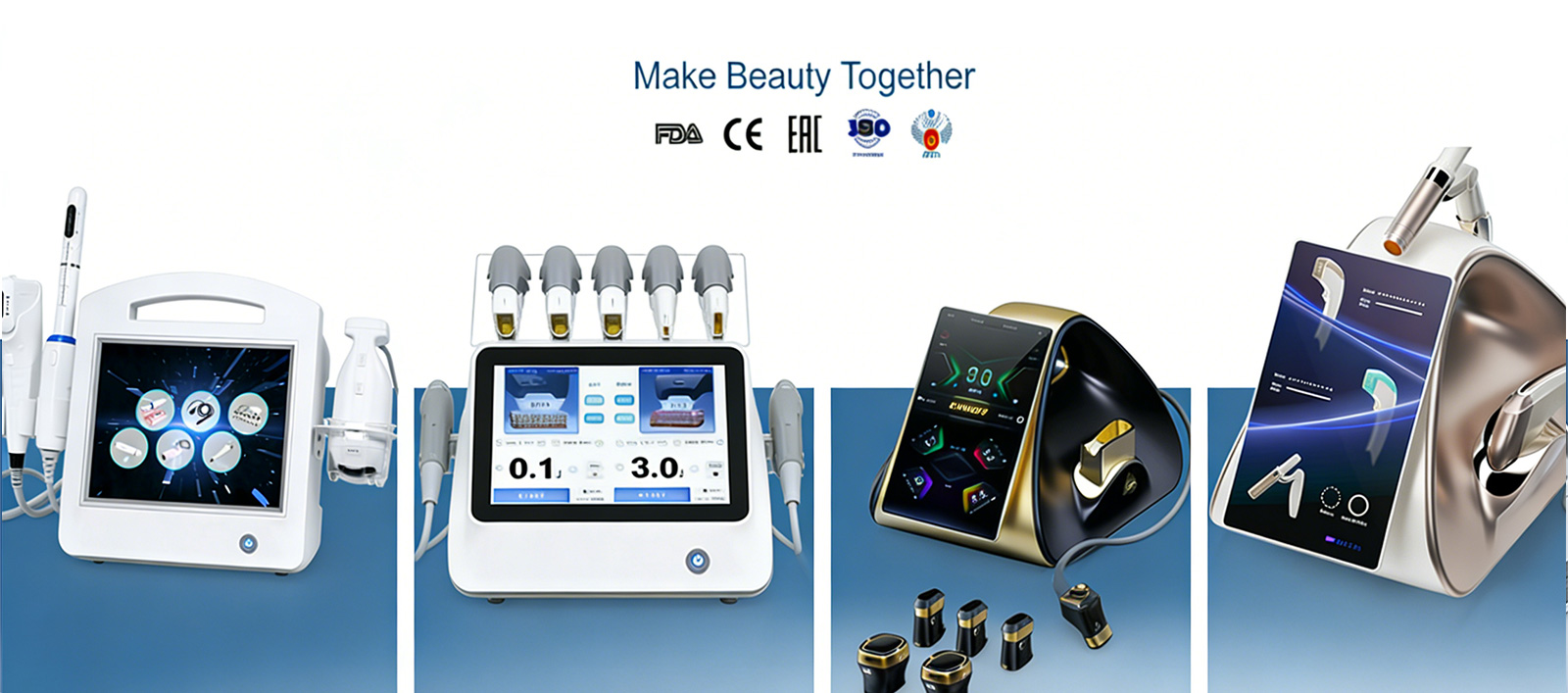
プロフェッショナルなHIFUシステムを探しています? 見る UangelCare の HIFU マシン コレクション 顔付き多機能デバイス用, 体, および膣カートリッジ.
RF マイクロニードリングとは何ですか、そしてその仕組み
RFマイクロニードリング 2つのコラーゲン刺激メカニズムを組み合わせます: 細い針による機械的微小損傷と、それらの針を通して伝達される双極性高周波による熱エネルギー.
作用機序
- 滅菌針は制御された深さで皮膚を貫通します (0.5–7mm)
- 目標深度で, 双極性RFエネルギー 針先から解放される
- RFは熱を発生します (通常 40–60℃) 周囲の組織で
- これにより、創傷治癒とコラーゲン生成を引き起こす制御された熱ゾーンが作成されます。
- 微小傷自体も成長因子の放出を刺激します
治療の深さ
| 深さ | 対象層 | 臨床効果 |
|---|---|---|
| 0.5–1.0mm | 表皮・真皮上部 | 毛穴の改善, 細い線 |
| 1.5–2.5mm | 真皮中層 | しわの軽減, 質感向上 |
| 3.0–4.0mm | 真皮深部 | ニキビ跡, 深いシワ |
| 5.0–7.0mm | 皮下層 | 体の傷跡, 深い輪郭加工 |
RF マイクロニードルの主な仕様
- 針数: 25– チップあたり 49 本の針 (モデルによって異なります)
- RF周波数: 1–3MHz
- 針の深さ: 0.5–7mm (調整可能な)
- エネルギー出力: 0.5–50W (モデルによって異なります)
- 治療時間: 20–45分 (フルフェイス)
プロフェッショナルなオプションについては、こちらをご覧ください UangelCare の RF マイクロニードル マシンのページ — 調整可能な深さと複数の強度レベルで OEM/ODM が利用可能.
並べて比較
| パラメータ | ひふ | RFマイクロニードリング |
|---|---|---|
| テクノロジー | 集束超音波 | マイクロニードル + バイポーラRF |
| エネルギーの種類 | 超音波 (機械的 + 熱) | 高周波 (熱) |
| 最大深さ | 4.5mm (顔), 16mm (体) | 7mm |
| 独特の深み | SMAS層 (4.5mm) | 該当なし |
| 皮膚の表面が壊れた? | いいえ | はい (微細な穴) |
| ダウンタイム | 0–1日 (軽度の発赤) | 2–5日 (赤み, 軽い腫れ) |
| 痛みのレベル | 適度 (深い熱感) | 適度 (局所麻酔を推奨) |
| 必要なセッション | 1–2 (後に見える 1) | 3–6 (傷跡のため) |
| 結果の発現 | 2–3ヶ月 (ピークに達する 6) | 1–2ヶ月 (3〜4でピーク) |
| 結果の持続時間 | 12–18ヶ月 | 6–12ヶ月 |
| スキンタイプの安全性 | すべてのフィッツパトリックタイプ (I~VI) | IV ~ VI に関する注意 (PIHのリスク) |
| 主な適応症 | リフティング, 締め付ける | 再舗装, テクスチャ, 傷跡 |
| 平均治療費 | $800–$2,500/セッション | $400–$1,200/セッション |
| 設備投資 | $3,000–15,000ドル | $2,000–8,000ドル |
肌の引き締めにはどちらが良いですか?
HIFU は純粋な肌の引き締めとリフトアップを実現します. その理由は次のとおりです:
- SMASアクセス: HIFUはSMAS層を収縮させる唯一の非侵襲的治療法です. これは顔の組織を所定の位置に保持する構造層です. 収縮するとき, 表面の引き締めだけでなく、目に見えるリフトアップが得られます.
- コラーゲン量: 研究では、HIFUがコラーゲン密度を増加させることが示されています。 22–36% で 6 治療後数ヶ月, 超音波画像法で測定.
- より長い期間: 1 回の HIFU セッションで効果が 12 ~ 18 か月間持続します. RF マイクロニードリングは通常、6 ~ 12 か月ごとのメンテナンスが必要です.
しかし, RFマイクロニードリングが皮膚の表面をより効果的に引き締めます:
- 微小傷害 + RF の組み合わせにより、上部 3mm の強力な皮膚リモデリングが引き起こされます。
- 表面弛緩のある患者様へ, 細い線, またはクレープのような肌, RF マイクロニードリングは、セッションごとにより顕著な表面引き締めを実現します
- 複数のセッションにより効果はさらに高まります。3 ~ 4 回の RF マイクロニードル セッションは、表面レベルの引き締めに関して 1 回の HIFU 治療と同等またはそれを超える可能性があります。
臨床上の推奨事項: 患者の主な関心事がたるみである場合にHIFUを使用する, 唸る, または顎の輪郭がはっきりしない. 表面の質感が気になる場合は、RF マイクロニードリングを使用してください, 拡大した毛穴, またはそう見える肌 “クレーピー” それよりも “垂れ下がった。”
質感的にはどちらが良いでしょうか, 毛穴, とニキビ跡?
ここではRFマイクロニードリングが明らかに勝者です. コンテストなし.
RF マイクロニードリングが優れている理由
- 部分的損傷パターン: 針アレイが制御された微小創傷を作成し、創傷治癒カスケードを引き起こします。. これはフラクショナル CO2 レーザーの原理と同じですが、ダウンタイムが少なく、PIH リスクも低くなります。.
- 直接的な表皮リモデリング: 針は瘢痕組織を物理的に破壊します. RF 熱は、治療されたチャネル内のコラーゲンを再構築します。. この二重の作用は、超音波単独よりも萎縮性ニキビ跡に対してはるかに効果的です。.
- 孔径の縮小: 臨床研究によると 30–50%削減 後の毛穴サイズ 3 RFマイクロニードルセッション.
- ニキビ跡の改善: 期待する 40-70% 改善 4 ~ 6 回のセッション後のローリングおよび有蓋車の傷跡.
HIFU がテクスチャーに劣る理由
- HIFUは表皮を完全にバイパスします. 表面下にエネルギーを蓄積します, そのため、皮膚の質感を直接改造したり、瘢痕組織を治療したりすることはありません.
- 一部の患者は、コラーゲンの増加による表面の軽度の改善に気づきます。, しかし、RF マイクロニードリングと比較すると間接的で一貫性がありません。.
臨床上の推奨事項: ニキビ跡なら, 拡大した毛穴, または粗い質感が主な懸念事項です, RFマイクロニードリングは第一選択の治療であるべきです. HIFUは必要に応じてリフティングのために後から追加することができます.
治療経験と患者の快適さ
HIFU体験
- 麻痺は必要ありません (一部のクリニックではそれを提供していますが、)
- 感覚は次のように説明されます 時折鋭いザップを伴う深い熱
- 骨のある部分ではさらに不快感が増す (顎のライン, 額)
- 治療時間: 30-60分
- 後処理: 軽度の発赤が 1 ~ 2 時間続く, 目立った傷はありません
- 患者様はすぐに仕事に復帰できます
RFマイクロニードル体験
- 局所麻酔が必要 (30– 治療前に45分間塗布)
- 感覚: プレッシャー + 針挿入時の熱
- 針速度とRF強度を調整して快適さを管理
- 治療時間: 20–45分 + 麻痺する時間
- 後処理: 赤みが 12 ~ 72 時間続く, 軽い腫れ, 小さなクラストの可能性があります
- 患者は社交行事の1~3日前に必要
患者のコンプライアンス要因
ビジネスの観点から, HIFUは治療コンプライアンスが高い:
- 針がない = 不安が軽減される, 特に初めての患者さんにとっては
- ダウンタイムゼロ = スケジュールが立てやすい, 患者の生活に支障をきたさない
- 多くの患者に対して 1 回のセッション = 予約のキャンセルが少なくなります
RFマイクロニードリングにはより多くの障壁がある:
- 麻痺させると各来院に 30 ~ 45 分追加されます
- ダウンタイムがあるため、患者は予約の前後に計画を立てる必要があります
- 複数のセッションが必要 = ドロップオフの機会が増える
HIFUとRFマイクロニードリングを組み合わせることができますか?
はい - この組み合わせは先進的なクリニックでますます人気が高まっています.
それらを組み合わせる理由
- HIFUは深部組織にアプローチします (SMASリフティング, 構造的な締め付け)
- RF マイクロニードリングが表面にアプローチ (テクスチャ, 毛穴, 傷跡)
- 一緒に, 彼らは、 “3D若返り” — 深いリフト + 表面リニューアル
推奨プロトコル
| タイムライン | 処理 | 理論的根拠 |
|---|---|---|
| 週 1 | ひふ | 最初に深い部分を持ち上げて締めます |
| 第 4 ~ 6 週目 | RFマイクロニードリング #1 | 表面の改造が始まります |
| 第 8 ~ 10 週目 | RFマイクロニードリング #2 | 蓄積されたコラーゲンの構築 |
| 第 12 ~ 14 週目 | RFマイクロニードリング #3 | 最終的な表面の精製 |
安全上の重要な注意事項
- 決して同じ日に両方を実行しないでください — 熱傷が多すぎると合併症のリスクが増加します
- 許可する 4– HIFUとRFマイクロニードルの間は6週間 同じエリア内
- 順序が重要です: HIFUはまず、 “足場” リフト, その後、RFマイクロニードリングで表面を微細化します。
- 組み合わせパッケージはプレミアム価格を設定します: $2,500–5,000ドル 完全なプロトコルの場合
クリニックはどのように選択すべきか: ビジネスの視点
最初に HIFU を選択してください:
- 患者は主にリフトアップとアンチエイジングを望んでいます — これは #1 患者を診察する診療所でのお願い 35+
- あなたが欲しいのは、 “英雄扱い” あなたのクリニックを差別化します — HIFU は劇的なビフォー/アフター写真を作成します
- あなたのスタッフは経験が浅い — HIFU は学習曲線が浅い (針はありません, 出血管理がない)
- さまざまな肌タイプに対応しています — HIFU はフィッツパトリック IV ~ VI に対して PIH のリスクがなく安全です
- 収益モデル: セッションあたりの収益の増加 ($800–$2,500), 必要なセッションが少なくなる
次の場合は最初に RF マイクロニードリングを選択してください:
- あなたの患者は若く偏っています (25–40) ニキビ跡が気になる方, 毛穴, とテクスチャー
- すでに昇降装置をお持ちです (レーザ, スレッドリフト) 再表面の補完が必要です
- 貴社の市場ではニキビ跡治療の需要が高い — これは世界中で最も需要の高い治療法の 1 つです
- 収益モデル: セッションあたりのコストが低い ($400–$1,200), ただし、患者あたりのセッション数が多い = 生涯価値が高い
理想的なセットアップ: 両方
予算が許せば, 両方のテクノロジーを提供することで、完全な非外科的若返りプラットフォームを構築します:
- クロスセルの可能性: すべての HIFU 患者は RF マイクロニードル改良の候補者です, そしてその逆もまた然り
- パッケージ料金: 併用プロトコルは単一モダリティ治療の 2 ~ 3 倍の収益を生み出します
- 患者維持: 治療の選択肢が増える = 競合他社への紹介が減る
- 市場でのポジショニング: “フルスペクトルの非外科的若返り” よりも強力な価値提案です “私たちはHIFUをします” または “私たちはマイクロニードルを行っています”
設備投資比較
| 要素 | HIFUマシン | RFマイクロニードリングマシン |
|---|---|---|
| 設備費 | $3,000–15,000ドル | $2,000–8,000ドル |
| セッションあたりの消耗品 | $5–$15 (ゲル, 時間の経過とともにカートリッジが) | $10–$30 (針先) |
| 損益分岐点 | 5–12回の治療 | 4–10回の治療 |
| ROI タイムライン | 2–4ヶ月 | 2–3ヶ月 |
| スタッフのトレーニング | 1–2日 | 2–3日 |
よくある質問
HIFUとRFマイクロニードルはどちらがより痛みを伴いますか?
HIFU は時折鋭いザップを伴い、深い熱感を引き起こします, 特に骨の多い部分の上. RF マイクロニードリングには針の挿入と熱が含まれます, ただし局所麻酔は事前に適用されます. ほとんどの患者は、痛みのスケールで両方を約 4 ~ 6/10 と評価します。. HIFUは麻痺を必要としません; RF マイクロニードルには 30 ~ 45 分の局所麻酔が必要です.
RFマイクロニードルと比較して、HIFUの結果はどれくらい持続しますか?
HIFUの結果は通常持続します 12–18ヶ月 単一のセッションから. RF マイクロニードルの結果は最後に 6–12ヶ月, ただし、複数のセッションで累積的に改善します. メンテナンス用, HIFUには必要なもの 1 年次セッション; RF マイクロニードリングは、最初のシリーズの後、年に 1 ~ 2 回のセッションで効果が得られます。.
HIFUとRFマイクロニードリングを同じ日に行うことはできますか??
いいえ. 両方を同日に組み合わせると、過度の熱傷のリスクが高まります, 長期にわたるダウンタイム, および潜在的な合併症. 同じ治療領域での治療の間は少なくとも 4 ~ 6 週間間隔をあけてください.
たるみが著しい高齢患者にはどちらが良いですか?
ひふ 中等度から重度のたるみのある患者にとっては、第一選択として適しています。. SMAS 層の収縮により、RF マイクロニードリングでは再現できない測定可能なリフトが得られます。. たるみが進行した患者様へ (外科的矯正が必要な場合), どちらのテクノロジーも外科手術レベルの結果は得られません, しかし、HIFUは手術を1〜3年遅らせる可能性があります.
HIFUは暗い肌色でも安全ですか?
はい. HIFUは超音波エネルギーを利用します, メラニンに吸収されないもの. すべてのフィッツパトリック肌タイプにとって安全です (I~VI) 炎症後色素沈着過剰のリスクが増加しない. RF マイクロニードルは、皮膚タイプ IV ~ VI に対して、低いながらも PIH リスクを伴います。.
ニキビ跡には何回のRFマイクロニードルセッションが必要ですか?
ほとんどの臨床プロトコルでは、 4–6セッション 萎縮性ニキビ跡の場合は 4 ~ 6 週間の間隔をあけてください. 患者はローリング瘢痕およびボックスカー瘢痕の 40 ~ 70% の改善が期待できます。. アイスピックの傷跡には補助的な治療が必要な場合があります (TCAクロス, パンチ切除).
HIFU と RF マイクロニードリング マシンの ROI の違いは何ですか?
HIFUマシンは初期費用が高い ($3,000–15,000ドル) ただし、セッションあたりの収益はより多くなります ($800–$2,500). RF マイクロニードリング マシンのコストが低い ($2,000–8,000ドル) セッションあたりの料金が安くなる ($400–$1,200) ただし、患者あたりのセッション数は増加します. 通常、両方とも一貫した患者の流れで 2 ~ 4 か月以内に損益分岐点になります。.
HIFU または RF マイクロニードルをクリニックに追加する準備ができました? 探検する UangelCare の HIFU マシン そして RFマイクロニードルマシン — OEM/ODM サポートと CE/FDA 認証を備えたプロ仕様の機器.