

Te mana'ohia ra e e naeahia te matete o te mau ravea rapaauraa na te ao nei $18.83 mirioni i te 2026, te tupu ra i te hoê CAGR o 10.12% nā roto 2031, Ia au i te parau a Mordor Intelligence. No te feia aravihi i te pae no te haapa'oraa faufaa e te mau tapa'o nehenehe, Ua riro te reira ei ravea rahi no te haru mai i te matete. Teie râ, e titauhia te mau rave'a aravihi no te afa'i i te hoê rave'a nehenehe i ni'a i te matete, te faatereraa, e te mau faaotiraa no ni'a i te mau rave'a. I reira te hamaniraa i te mau ravea nehenehe OEM e tae mai ai.
Ma te faaohipa i te taata hamani OEM/ODM ti'a, e nehenehe ta outou e faaohipa i te hoê rave'a nehenehe ma te patu ore i te hoê fare hamaniraa tauihaa. E hi'opo'a teie buka arata'i i te mau taahiraa atoa, mai te mana'o e tae atu i te haamataraa na te ao nei, e te mau faaho'iraa moni, mau hoho'a purumu, e te mau titauraa no te hi'opo'araa i te hoa.
Te mau rave'a faufaa
- OEM e ODM: Te auraa o te OEM, o te afa'iraa mai ïa i te hoho'a e te taata hamani i te reira; Te auraa o te ODM, o te horo'araa ïa i te hoê hoho'a ineine o ta outou e nehenehe e faaohipa faahou. Ia faaauhia i te paturaa i ta oe iho reni hamaniraa, e faaiti na hoho'a e piti i te mau haamâu'araa.
- Eita te ti'amana'oraa e nehenehe e faaorehia: CE no Europa, FDA 510(k) no te united states, ISO 13485 no te faatereraa i te maitai, e te NMPA no te fenua Taina e maha faanahoraa tumu. Moni here $15,000-$80,000 Ia au i te mau matete.
- E mea faufaa roa te MOQ: E titau te rahiraa o te feia hamani OEM i te hoê faito iti roa ' ' e 10-100 mau pŭpŭ. E faaiti te mau buka rahi a'e i te mau haamâu'araa iti a'e, te toparaa pinepine 30-50% mai te MOQ e tae atu i te 100-unit.
- E nehenehe te mau taime aratai e tohuhia: E horoa te hoê hoa tiaturihia i te hamaniraa i te 3-7 i te mau mahana e te manureva i te US aore ra i te EU 7-15 mahana. E pinepine te taime taatoa mai te mana'o e tae atu i te tonoraa matamua 8-16 hepetoma e tae noa'tu i te ti'amana'oraa.
- E faatupu te ma'itiraa hoa i te mau faahopearaa: Te rahi o te fare, R&D hohonu, ite i te haponoraa, e maha tapao tiaturihia roa ' ' e o te aravihi o te hoê hoa hamaniraa tauihaa, e te mau tiwhikete.
Eaha te OEM e te ODM i roto i te ohipa tapihooraa tauihaa nehenehe?
OEM (Te hamaniraa i te mau rave'a matamua) te auraa ra oe, te fatu tapa'o, horo'a i te mau haamaramaramaraa taatoa no ni'a i te tao'a, Te mau hoho'a hamaniraa tauihaa, e te mau titauraa i te pae no te rave'a aravihi. E faatere te taata hamani i te hamaniraa, putuputu, e te hi'opo'araa i te huru ia au i ta outou mau hoho'a mau. E horo'a te OEM ia outou i te mana rahi roa'e i ni'a i te mau huru o te tao'a, mau tao'a, e te mau mea nehenehe, tera râ, e titauhia te hoê tuuraa moni rahi a'e i roto i te papa'iraa e te rave'a hamaniraa tauihaa.
ODM (Te hamaniraa i te hoho'a matamua) e taui i te hi'opo'araa. Ua papai a'ena te taata hamani i te hoê tao'a, ua tamatahia te reira, e te fariiraa i te mau tiwhikete e titauhia. E maiti oe i roto i ta ratou buka e vai ra, faaohipa i to outou tapa'o e to outou tapo'iraa, e a afa'i atu i te reira i ni'a i te matete i raro a'e i to oe i'oa. E faaiti rahi te reira i te taime e te moni no te faahoturaa, tera râ, te taoti'a nei te reira i te taa-ê-raa. E rave rahi mau hoa ODM o te farii nei i te mau faanahoraa taa ê mai te mau hoho'a tae, mau rave'a roro uira, e aore râ, te mau rave'a rapaauraa.
Te faaohipa nei te rahiraa o te mau tapao o te mau ravea nehenehe i te hoê ravea huru rau, no te haapapu i te hinaaro o te matete, a haamata na roto i te ODM, I muri iho, ua taui i te OEM a patu ai ratou i te mau rave'a no te papa'iraa i te fare. Te hoê taata hamani tao'a mai te UagelCare, hau atu i te 10 matahiti ite, E turu te reira i na hi'oraa e piti, Te faati'araa i te mau tapa'o ia faarahi ma te taui ore i te mau hoa. E nehenehe atoa te mau tao'a ODM e farii i te CE aore ra te FDA, te heuraa i te mau ava'e i ni'a i ta outou reni taime.
Te mau taahiraa no te patu i to oe iho tapa'o nehenehe
1. Hoho'a tao'a e te mau taa-ê-raa
E haamata te mau ravea atoa na roto i te hoê parau papa'i maramarama o te faataa ra i te huru rapaauraa (e.g., RF microneedling, te pape, HIFU), te mau haapeapearaa o te iri, Te mau tao'a hopu o te ito, Te mau rave'a parururaa, huru, e te mau titauraa no te faaohipa.
No te mau hoa OEM, e mea ti'a ia faaô atu i roto i ta outou mau faataaraa:
- Te mau rave'a aravihi no te rapaauraa e te roaraa o te are/te auau
- Te mau faito hutiraa hinu e te mau faanahoraa e nehenehe e faaafarohia
- Te mau rave'a parururaa (tape'araa rû, te mau rave'a anuvera, mau rave'a ite)
- Te mau titauraa no te huru e te ergonomic
- Faaite i te huru e te mau hinaaro o te rave'a roro uira
- E mea titauhia te mau tao'a e aore râ, te mau cartridges
- Te mau faanahoraa faatere no te mau matete tata'itahi
No te mau opuaraa ODM, e hi'opoa outou i te reni o te mau tao'a a te taata hamani, ani i te mau hi'oraa, e a maiti i te hi'oraa o te tu'ati i to outou ti'araa, I muri iho, a faataa i te mau hu'ahu'a tapa'o e te mau faanahoraa atoa. Fatata e 60% o te mau tapao apî o te mau rave'a nehenehe e haamata i te ODM, Te haere mǎrû noa ra ratou i te OEM a tupu ai to ratou tuhaa o te matete.
2. Te mau hoho'a e te mau rave'a hamaniraa tauihaa
Ia opani ana'e te mau tabula, Te haamata nei te hoho'a. E titauhia teie tuhaa 2-6 hebedoma ia au i te fifi. No te mau tao'a ODM, E titau paha te reira i te hamani i te hoê hi'oraa tapao. No te mau opuaraa OEM, E titau te reira i te mau rave'a uira, te hoê hoho'a matini, e te hamaniraa i te mau rave'a roro uira na roto i te mau huriraa taa ê e rave rahi:
- Hoho'a Alpha: Te mau haapapûraa no te mana'o o te haapapu ra i te mau rave'a aravihi apî
- Hoho'a Beta: Te mau haamaitairaa, UI, e te mau rave'a parururaa
- Hoho'a na mua a'e i te hamaniraa: Te hoho'a hopea ma te faaohipa i te mau tao'a hamaniraa
E ti'a i te mau hi'opo'araa ha'utiraa ia faaô atu i roto i te mau huriraa atoa, hi'opo'araa i te parururaa, e te hi'opo'araa i te faaohiparaa. A papa'i i te mau mea atoa, no te mea ho'i e, te turu nei teie mau parau papa'i i te mau faaueraa tumu.
3. Te mau titauraa e te auraroraa
E ere te tiwhikete i te mea maitiraa, e te mau titauraa, tei te vahi ta outou e opua e hoo atu. Teie te hoê hi'opo'araa i te matete:
CE Mareko (Te Autahoêraa no Europa): I raro a'e i te Ture no te mau ravea rapaauraa a te EU (MDR) 2017/745, te rahiraa o te mau rave'a nehenehe, tei roto ïa i te piha haapiiraa IIa aore ra IIb. E mea titauhia te hoê kōnae aravihi, parau faaite no ni'a i te faatereraa i te ati, hi'opo'araa i te fare ma'i, e te ISO 13485 Te faanahoraa no te faatereraa i te maitai. E tia i te hoê Tino Faaitehia ia hi'opoa e ia haapapu i ta outou parau. Hi'opo'a 3-6 ava'e e $15,000-$40,000 i roto i te mau aufau, e tae noa'tu i te hi'opo'araa e te aparauraa.
FDA 510(k) (Te mau Hau Amui no Marite): Te rahiraa o te mau rave'a nehenehe, o te Class II ïa, titau i te hoê 510(k) faaararaa hou te matete. E ti'a ia outou ia faaite i te hoê faito rahi e te hoê rave'a haaparareraa i mua i te ture. I te rahiraa o te taime, e titauhia te hi'opoaraa FDA 90 mahana, te faaineineraa râ i te horo'araa, e tae noa'tu i te mau hi'opo'araa i te pae no te oraraa e te mau haamaramaramaraa i te fare ma'i, e nehenehe e rave 3-6 ava'e na mua ' tu. Fatata te mau hoo no te hi'opo'araa $19,870 (e te vai ra te mau hoo iti no te mau taiete). E pinepine te mau haamâu'araa taatoa, e tae noa ' tu te mau hi'opoaraa e te mau a'oraa, i te hoohia $30,000-$80,000. Te mau haamaramaramaraa no ni'a i te ohipa tapihooraa mai 2026 te faaite ra i te taatoaraa 510(k) Ua maraa te faito o te patoiraa i nia i te 37%, Mea faufaa roa te faaineineraa hohonu.
ISO 13485 (Te mau titauraa no te huru o te ao nei): Teie te faanahoraa no te faatere i te huru o te mau ravea rapaauraa ma'i. E tapo'i te reira i te mau faatereraa no te hoê hoho'a, te faatereraa i te ati, te faatereraa i te feia horo'a, te haapapuraa i te ohipa, e te hi'opo'araa. Mai te mea e, ua tape'a a'ena ta outou taata hamani i te ISO 13485 tiwhikete, E mea maitai a'e to outou e'a e tae atu ai i te CE e te FDA. I te rahiraa o te taime, e titauhia te mau hi'opo'araa tiwhikete 2-4 ava'e e te moni $10,000-$25,000.
NMPA (Fa'ato'a): Te haapao ra te faatereraa hau no te mau ravea rapaauraa i te mau ravea rapaauraa i te fenua Taina. I te rahiraa o te taime, e topa te mau ravea nehenehe i roto i te piha haapiiraa II aore ra III. E titauhia te hoê hi'opo'araa i te pae no te rave'a aravihi a te hoê piha NMPA no te faaî i te i'oa, te hoê hi'opo'araa i te faanahoraa no te faatereraa i te maitai, e te hoê hi'opo'araa aravihi a te Pu no te hi'opo'araa i te mau rave'a rapaauraa ma'i. E titauhia teie ohipa 6-12 ava'e e te mau haamâu'araa $20,000-$50,000 ia au i te faanahoraa o te ravea.
A faanaho oioi i ta outou hoho'a purumu. E rave rahi mau tapao o te tapao na mua i te hoê matete, faatupu i te moni, i muri iho a faarahi. Te hoê anairaa matauhia o te CE ïa matamua (vitiviti a'e e mea iti a'e te moni), i muri iho FDA 510(k), e muri iho NMPA mai te mea e, o te fenua Taina te hoê tuhaa o ta outou faanahoraa.
4. Te hamaniraa e te hamaniraa
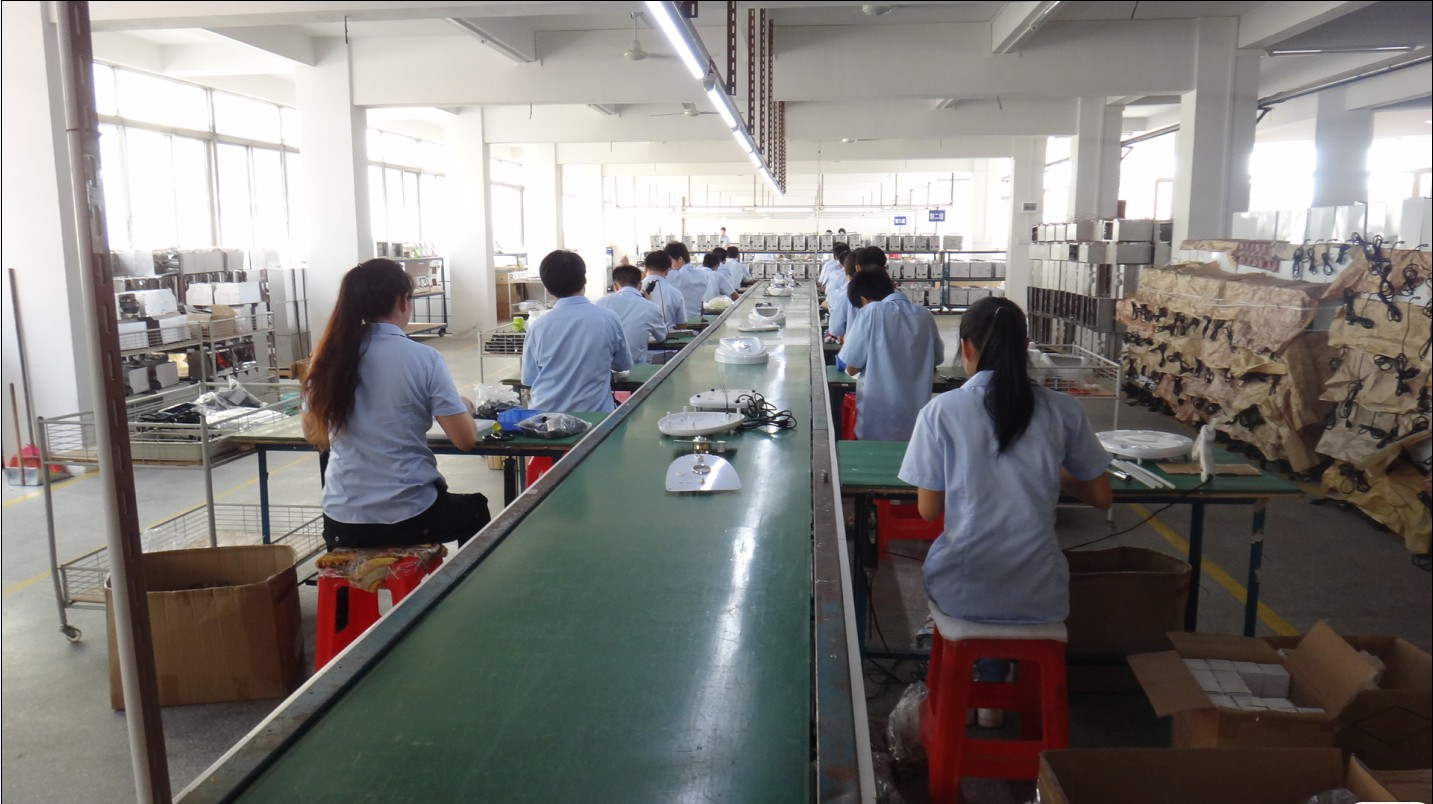
Ua paruruhia te mau ti'amana'oraa, Te haamata nei te hamaniraa. Ua faanaho-maitai-hia te hoê hoa OEM i te mau rave'a ohipa, e tae noa'tu i te tairururaa SMT PCB, te hamaniraa matini, te hoê rave'a, e te tamataraa hopea.
Te mau tapa'o rahi no te hamaniraa:
- Te puna o te mau tuhaa: Te hooraa mai i te mau lasers, Te mau generator RF, mau motera, mau faaiteraa, e te mau fare. Te taime arata'i: 1-3 hebedoma.
- Tairururaa PCB: Te mau papa'i roro uira e te mau tamataraa. Te taime arata'i: 1-2 hebedoma.
- Te putuputuraa matini: Te faaôraa ' tu i te mau ravea uira i roto i te mau fare, te faautaraa i te mau tao'a rima e te mau taura. Te taime arata'i: 3-5 mahana.
- Te tamataraa hopea: E hi'opoahia te mau pǔpǔ atoa no nia i te parururaa uira, faanahoraa ha'utiraa, e te hi'opo'araa hou a tapo'ihia ai.
No te hoê hoa mai ia UangelCare, te taime no te hamaniraa i te mau hoho'a 3-7 mahana no te mau hoho'a, me te faahororaa i te manureva 7-15 mahana i te mau vahi US aore ra EU. To'na auraa ra, e nehenehe ta outou e haere mai te haapapuraa o te faaueraa e tae atu i te hooraa i te fare vairaa tauihaa 2-3 hebedoma no te mau faaueraa faahou.
5. Te hi'opo'araa e te hi'opo'araa i te huru
Quality control is a continuous process embedded throughout manufacturing. Under ISO 13485, your manufacturer must maintain documented procedures for incoming inspection, in-process checks, and final product release testing.
Critical QC checkpoints for aesthetic devices:
- Incoming inspection: Verifying specifications of key components like laser diodes, RF boards, and cooling systems
- In-process testing: Checking solder quality, mechanical fit, and electrical continuity during assembly
- Final quality audit: Running each unit through a standardized test protocol including energy output calibration, safety interlock verification, and cosmetic inspection
- Burn-in testing: Operating devices for extended periods to catch early-life failures
- Batch sampling: Statistical sampling of finished units for destructive or extended testing
Request a QC report with each shipment covering test results for every unit, not just a summary. If your manufacturer cannot provide per-unit test data, consider it a red flag.
6. Te tapa'o, Te tapo'iraa, and Documentation
Your device may be manufactured by a partner, but the brand experience is entirely yours.
Branding elements: Logo placement, custom startup screens, branded UI themes, and proprietary color schemes. Most OEM partners accommodate these with minimal tooling cost.
Te tapo'iraa: Retail-ready packaging with foam inserts, buka arata'i, quick-start guides, warranty cards, and branded outer cartons. Moni here $3-$8 per unit for standard packaging, aore rā $10-$20 for premium unboxing experiences.
Te mau papa'iraa: User manuals must be translated into target market languages and meet regulatory content and format requirements. Ensure your partner can provide compliant template documentation.
7. Launch and Post-Market Support
Launching is just the beginning. Post-market responsibilities include warranty service, Te mau faaauraa roro uira, pārahi, and adverse event reporting. A strong OEM partner provides:
- Warranty coverage: I te rahiraa o te taime 1 year from shipment date, covering manufacturing defects
- Pārahi: Online video tutorials, remote video training sessions, or on-site training for larger orders
- Spare parts: Readily available replacement components such as handpieces, te mau tātari, and cartridges
- Te tauturu i te pae no te rave'a aravihi: Responsive engineering support for troubleshooting and field issues
- Te mau faaauraa i te rave'a roro uira: Ongoing firmware and software improvements based on field feedback
UangelCare, for example, provides a standard 1-year warranty along with comprehensive training through online videos, remote sessions, and on-site visits for qualifying orders. This level of support is critical for maintaining brand reputation, especially in the first year of market entry.
How to Choose the Right OEM Beauty Machine Manufacturing Partner
Your manufacturing partner determines quality, cost, e te reni taime. Here are the six criteria that matter most.
1. Facility and Production Capacity
Visit the factory if possible, or request a video tour. Look for clean production areas, organized workflow stations, dedicated testing areas, and adequate storage. A facility with 51-200 Tavana, like UangelCare, has the scale for consistent production while remaining agile enough for customization. Very small operations may struggle with quality consistency, while very large factories may deprioritize smaller clients.
2. R&D and Engineering Team
A capable R&D team separates a manufacturer from an assembler. Ask about engineering qualifications, experience with your specific treatment technology, and track record of bringing products from concept to certification. The ability to modify designs, troubleshoot issues, and develop custom features enables true OEM partnerships.
3. Export Experience and International Market Knowledge
A manufacturer who has never exported will struggle with documentation, Te mau rave'a no te tonoraa, and regulatory communication. Look for partners with at least 5 years of export experience and clients in your target markets. They should be familiar with CE technical file preparation, FDA 510(k) submission support, and international shipping requirements.
4. Held Certifications
Mai te mea e, ua tape'a a'ena ta outou taata hamani i te ISO 13485, CE, e te mau titauraa NMPA, your regulatory path becomes dramatically easier. You can leverage their existing QMS and technical files. Request copies of certificates and verify they are current. UangelCare holds NMPA, ISO 13485, e te mau titauraa CE, with partial FDA coverage.
5. Communication and Responsiveness
Evaluate how quickly a potential partner responds to inquiries, whether they provide detailed technical answers, and whether they have English-speaking staff. A partner who takes three days to respond before you place an order will not become more responsive afterward.
6. Lead Times and Production Reliability
Ask for specific lead time commitments. Standard production should take no more than 7-10 days for established lines. Request client references to verify timelines are met. Consistent delays signal capacity constraints or poor planning.
OEM Beauty Machine Cost Breakdown
Understanding the full cost structure is essential for pricing competitively while maintaining margins. The table below outlines typical cost ranges. Actual costs vary based on product complexity, customization level, and order volume.
| Pǔpǔ moni | MOQ 10 Units | MOQ 50 Units | MOQ 100 Units |
|---|---|---|---|
| Mold e Tooling | $2,000 – $8,000 | $2,000 – $8,000 | $2,000 – $8,000 |
| R&D e te rave'a hamaniraa tauihaa (OEM) | $5,000 – $20,000 | $5,000 – $20,000 | $5,000 – $20,000 |
| R&D e te rave'a hamaniraa tauihaa (ODM) | $0 – $2,000 | $0 – $2,000 | $0 – $2,000 |
| Te moni hoo i te hoê rave'a | $800 – $2,500 | $650 – $2,000 | $500 – $1,500 |
| Tiwhikete (CE + FDA) | $30,000 – $80,000 | $30,000 – $80,000 | $30,000 – $80,000 |
| ISO 13485 (mai te mea e, e titauhia) | $10,000 – $25,000 | $10,000 – $25,000 | $10,000 – $25,000 |
| Te tapo'iraa i te hoê piha | $5 – $15 | $4 – $12 | $3 – $8 |
| Tere (Mata'i'oa, per Unit) | $50 – $120 | $40 – $100 | $35 – $80 |
| Te taatoaraa o te moni i tuuhia | $55,000 – $160,000 | $80,000 – $220,000 | $105,000 – $275,000 |
E mea papû roa te mau hoo no te tiwhikete noa'tu te rahiraa, no reira, ua haaparare te mau buka rahi a'e i teie haamau'araa i roto e rave rahi atu â mau pǔpǔ. I 100 mau pŭpŭ, ua topa te moni no te ti'araa per-unit i ni'a i te $300-$800 e te $3,000-$8,000 i 10 mau pŭpŭ. Tooling e R&Ua riro atoa te D ei mau tuuraa moni, ia riro te mau faaueraa tamau ei mea maitai a'e i te hoê piha.
Te mau ati matauhia i roto i te hamaniraa i te matini nehenehe OEM
Noa ' tu te hoê faanahoraa papu, Te vai ra te mau ati. Teie te mau hape matau - roa - hia e nafea ia ape i te reira.
1. Te faaru'eraa i te itoito i ni'a i te mau hoa hamaniraa tauihaa
E rave rahi mau tapao o te maiti i te hoê taata hamani tao'a ia au i te parau faahiti iti roa ' ' e ma te hi'opoa ore i te mau aravihi. A ani tamau i te mau hi'opo'araa i te fare hamaniraa tauihaa, hi'opo'a i te mau faahororaa, e a hi'opoa i te mau titauraa hou a rave ai i te reira.
2. Te haapa'o ore i te mau taime no te ti'aturiraa
I roto e rave rahi tupuraa, o te tiwhikete te tuhaa roa roa ' ' e. Te mau tapa'o o te patu nei i te mau opuaraa hoo i ni'a i te mau mahana ti'amana'oraa hape, e faaohipa ïa ratou i te moni i ni'a i te mau faaueraa na mua'tu eita ta ratou e nehenehe e rave. Eiaha e rave i te mau ohipa na mua a'e i te hooraa e tae roa'tu i te taime ua hi'opo'a-faahou-hia te ti'araa.
3. Te faaru'eraa i te mau hopoi'a i muri mai i te matete
E titau te CE e te FDA i te hi'opo'araa i muri mai i te matete, e tae noa'tu i te mau parau no ni'a i te mau ohipa ino, te faaafaroraa i te amuamu, e te mau haamaramaramaraa no ni'a i te parururaa. Aita e faanahoraa no te hopu e no te pahono i te mau uiraa o te fenua, E nehenehe outou e rave i te ohipa faatere e te ino o te tapao.
4. Te mau tao'a matamua i ni'a i te mau tao'a
E mea pinepine te feia faatere no te taime matamua i te hinaaro i te mau hoho'a rahi, tera râ, e faarahi te mau mea atoa i te taime, tamataraa, e te fifi o te ti'amana'oraa. Haamata na roto i te hoê hoho'a papû e a faaite i te reira ia au i te mau mana'o o te matete. Ia noaa ana'e ia outou te moni e te mau haamaramaramaraa no ni'a i te feia hoo, e nehenehe ta outou e hamani i te mau tao'a maitai a'e no te piti o te u'i.
5. Te faaru'eraa i te mau tao'a aravihi
Haapapu i te mau faaauraa maramarama no nia i te mau hoho'a, mau rave'a, e te mau rave'a roro uira. Aita e tuhaa ohipa IP maramarama, E nehenehe ta outou taata hamani e hoo atu i ta outou hoho'a mau i te feia tata'u. A rave i te ohipa e te hoê a'oraa a te ture no te haamau i te hoê faaauraa no te hamaniraa i te mau tao'a o te paruru i to outou mau tao'a aravihi.
6. Te huru ino o te tapo'iraa e te mau papa'iraa
Te faaino nei te hoê rave'a hamani-maitai-hia i roto i te hoê afata teata e te hoê buka arata'i aita i iriti - maitai - hia i te mana'o o te tapa'o. A tuu i te moni i roto i te hoê opuaraa toro'a e a ani i te feia paraparau no te fenua iho ia hi'opo'a i te mau papa'iraa atoa. E mea moni iti roa te reira, e e ohipa rahi te reira i nia i te mauruuru o te feia hoo.
Te mau uiraa ui-pinepine-hia
Eaha te faito iti roa ' ' e o te mau matini nehenehe OEM?
E titau te rahiraa o te feia hamani i te hoê faito iti roa ' ' e 10 units for ODM products and 20-50 units for OEM products with custom design. Higher volumes yield lower per-unit costs, with price breaks typically at 50 e 100 mau pŭpŭ.
How long does it take to launch a branded aesthetic device?
For an ODM product with existing certifications, the timeline can be as short as 4-8 weeks from order to delivery. For an OEM product requiring new certifications, expect 4-8 months including design, hoho'a, regulatory submission, and production.
Which certification should I get first?
CE marking is generally the fastest and most cost-effective starting point, as the EU MDR process is well-established and many manufacturers already have CE-compliant technical files. FDA 510(k) is typically the second target due to the larger US market size. NMPA registration is pursued if you plan to sell in China, and requires local testing and a more extensive review process.
Can I use my manufacturer’s existing certifications?
No te mau tao'a ODM, yes. If your manufacturer holds CE or FDA clearance for a specific model, you can typically leverage that certification under a private label arrangement, provided your branding does not change the device’s technical specifications. For OEM products with custom modifications, you will likely need your own certification submissions, though you can reference the manufacturer’s existing technical data and test reports.
What warranty terms are standard in the industry?
The industry standard is a 1-year manufacturer warranty covering defects in materials and workmanship, typically excluding damage from misuse, unauthorized modifications, or normal wear of consumables. Some premium brands offer 2-3 year extended warranties. UangelCare provides a standard 1-year warranty with optional extended coverage.
How do I handle repairs and after-sales service?
Most OEM partners support after-sales service by providing spare parts, remote technical assistance, and repair guides. For common issues like handpiece failures, your partner should ship replacement parts within 3-7 mahana. Establish clear RMA procedures with your partner before launch.
What are the most popular aesthetic device categories for OEM branding?
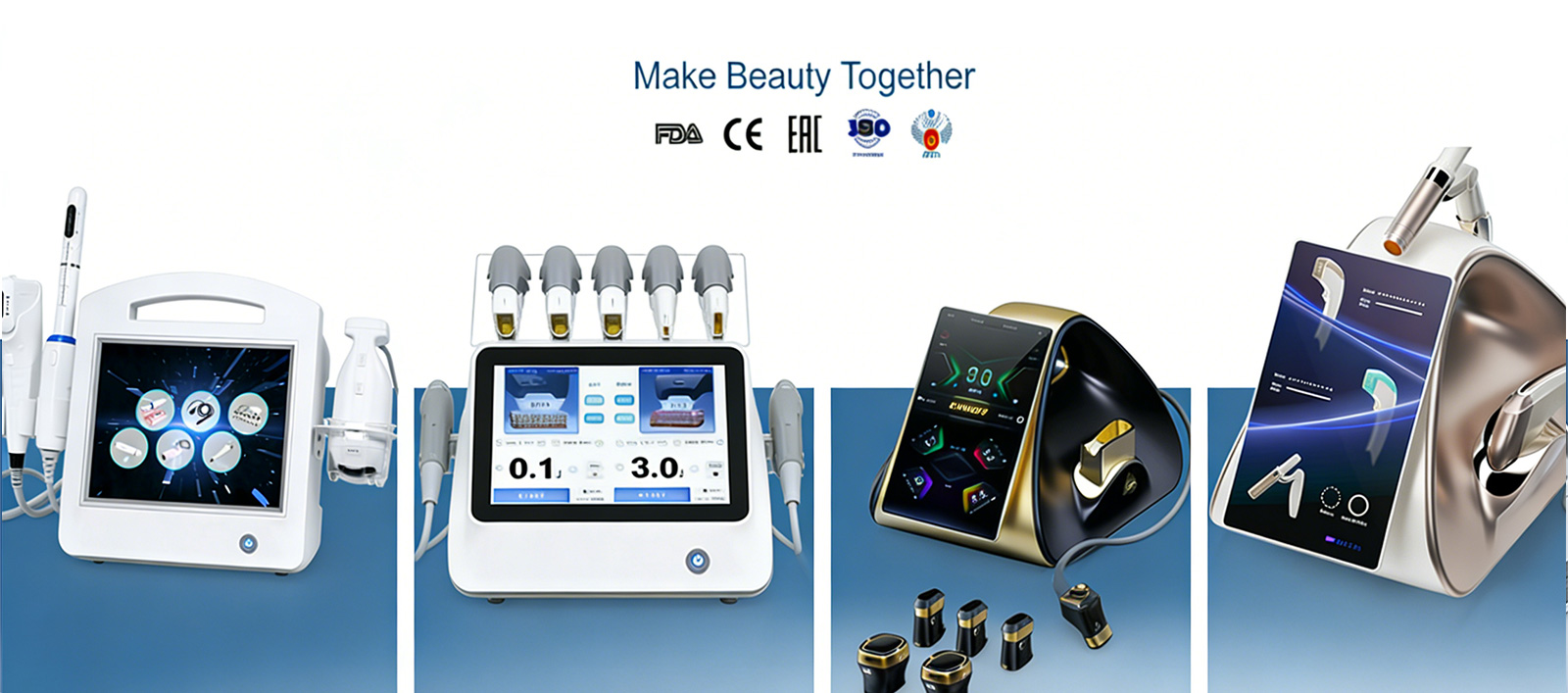
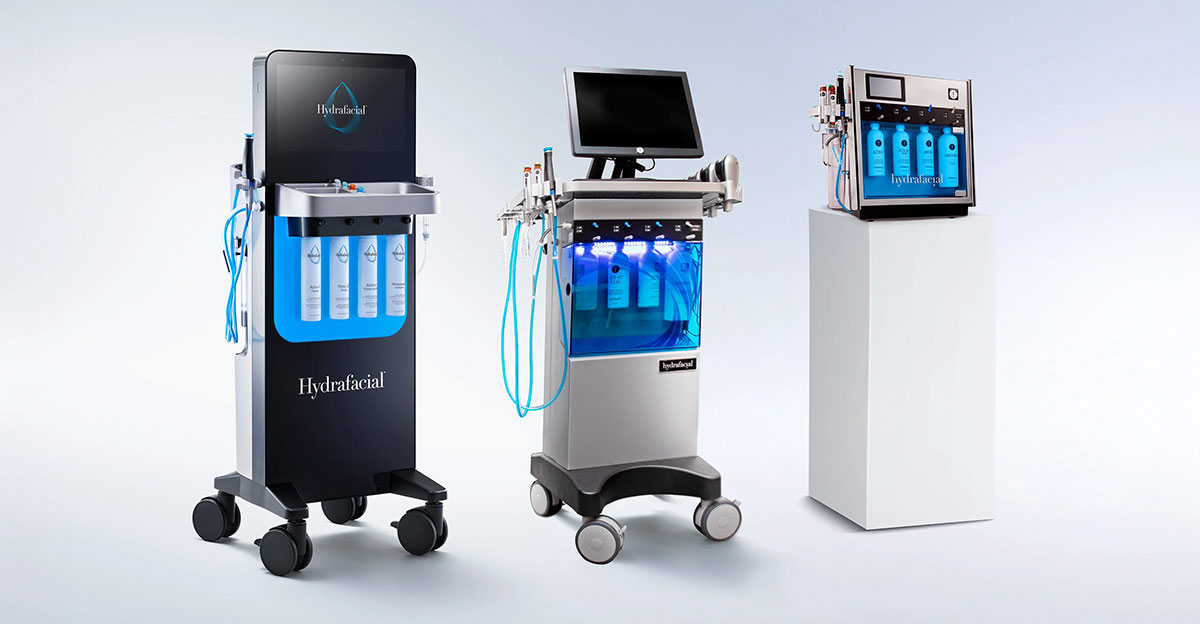
Based on current market demand, the top categories are hydro facial machines, RF microneedling devices, HIFU skin tightening systems, diamond dermabrasion equipment, EMS body sculpting machines, and cavitation and cryolipolysis devices. These categories benefit from proven technology, established regulatory predicates, and strong consumer demand. UangelCare manufactures across all of these categories. You can explore specific product options at our product catalog.
Can I start with one product and expand later?
Mā'ohi roa. I roto i te fa'ahou, this is the recommended approach. Launching with a single hero product allows you to validate your brand, build a customer base, and generate revenue before expanding your portfolio. Once your first product is established, you can add complementary devices that cross-sell to your existing customer base. A common progression is starting with a hydro facial device, then adding RF microneedling or HIFU as your brand gains traction.
Ngā mau rave'a i roto
- Explore our complete range of OEM aesthetic devices available for branding
- Hi'opo'a aesthetic equipment categories to find the right product line for your brand
- A tai'o hau atu â manufacturing and industry insights on our blog
Tā'ei
Building your own aesthetic device brand through OEM beauty machine manufacturing is one of the most accessible paths into the $18 billion medical aesthetics market. By understanding OEM and ODM models, planning your certification roadmap strategically, selecting a partner with proven capabilities, and budgeting accurately, you can move from concept to launch in months rather than years.
The key is choosing a partner who brings more than just production capacity. You need engineering depth, regulatory expertise, ite i te haponoraa, and a commitment to quality that matches your brand ambitions. UangelCare, with over a decade of OEM/ODM experience, ISO 13485 certified quality systems, and a portfolio spanning hydro facial, RF microneedle, HIFU, and body sculpting technologies, provides the manufacturing foundation that growing brands need to compete on the global stage.
Ready to discuss your aesthetic device brand? Contact UangelCare today to request a product catalog, schedule a factory tour, or start a conversation about your specific manufacturing requirements.