

Belangrijkste afhaalrestaurants
- 7D HIFU-technologie levert gerichte ultrasone energie op meerdere diepten (1.5 mm tot 13 mm) gebruik van verwisselbare cartridges, waardoor niet-invasieve huidverstrakking en -lifting over het gezicht en lichaam mogelijk wordt gemaakt op één enkel platform.
- Kernspecificaties, inclusief werkfrequentie (4 MHz, 7 MHz, 10 MHz), dieptebereik van de cartridge, energie-outputdichtheid, en het aantal shots per cartridge: bepaal direct de werkzaamheid van de behandeling en de bedrijfskosten.
- Klinisch bewijs ondersteunt op HIFU gebaseerde huidverstrakking, met onderzoeken die meetbare lift en collageenremodellering melden; Echter, de resultaten variëren afhankelijk van de apparaatkwaliteit, behandelprotocol, en anatomie van de patiënt.
- De totale eigendomskosten reiken veel verder dan de aankoopprijs: verbruikspatronen, onderhoud, opleiding, en de verwerkingscapaciteit spelen allemaal een rol in de werkelijke ROI, wat de meeste klinieken bereiken binnen 3-6 maanden bij consistent gebruik.
- Een fabrikant kiezen met ISO 13485 kwaliteitsbeheer, CE-markering, en OEM/ODM-mogelijkheden, zoals UangelCare, verminderen het regelgevingsrisico, zorgt voor consistentie van het apparaat, en maakt private-labeldifferentiatie mogelijk.
Wat is een 7D HIFU-machine?
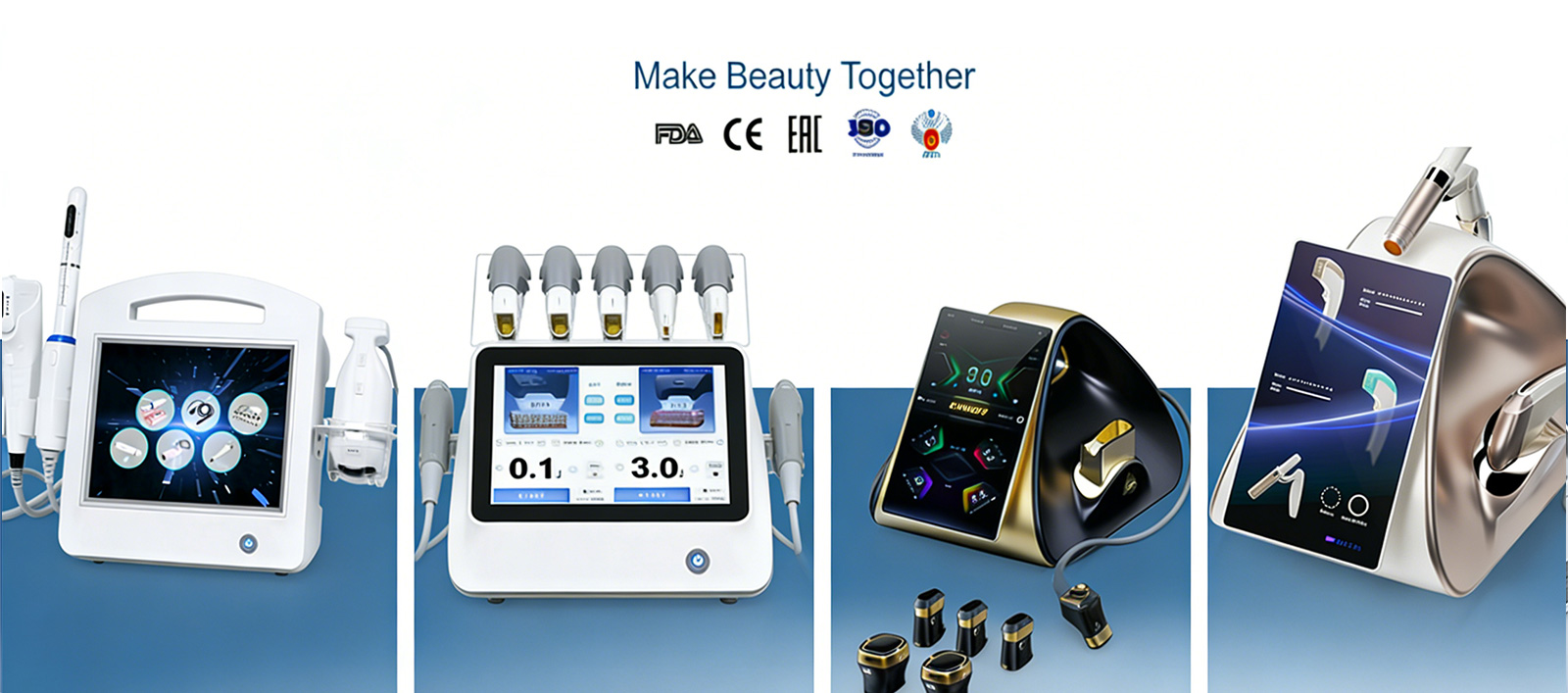
A 7D HIFU-machine is een niet-invasief esthetisch apparaat dat gebruik maakt van gefocuste echografie met hoge intensiteit (HIFU) om thermische coagulatiepunten in de dermis te induceren, onderhuids vet, en oppervlakkig musculo-aponeurotisch systeem (SMAS). De “7D” De aanduiding verwijst naar de capaciteit van het apparaat om over maximaal zeven dieptelagen te werken met behulp van verwisselbare cartridges, doorgaans 1.5 mm, 3.0 mm, 4.5 mm, 6.0 mm, 9.0 mm, En 13 mm – gecombineerd met variabele frequentie-instellingen (4 MHz, 7 MHz, En 10 MHz). Deze mogelijkheid tot meerdere diepten onderscheidt 7D-systemen van eerdere single-systemen- of HIFU-apparaten met dubbele cartridges.
De technologie bouwt voort op meer dan tien jaar klinisch gebruik van gerichte echografie in de esthetische geneeskunde. HIFU-apparaten van de eerste generatie, goedgekeurd door de VS. FDA onder de 510(k) traject voor wenkbrauwlift (2009) en later voor het liften van nek en decolleté, het fundamentele mechanisme vastgesteld: akoestische energie convergeert op een nauwkeurig brandpunt onder het huidoppervlak, verhoging van de weefseltemperatuur tot 60–70 °C in minder dan één seconde. Dit thermische letsel veroorzaakt een cascade van wondgenezing die neocollagenese en weefselcontractie stimuleert gedurende 2 tot 3 maanden na de behandeling.
Vergeleken met traditionele HIFU-platforms, 7D HIFU-machines bieden een bredere behandelingsveelzijdigheid. Waar een conventioneel HIFU-apparaat twee of drie cartridgedieptes zou kunnen bieden (typisch 3.0 mm en 4.5 mm voor gezichtstoepassingen), een 7D-systeem breidt de behandelingsmogelijkheden uit van oppervlakkige rimpelreductie tot diepe lichaamscontouren – alles op één enkele console. Deze consolidatie vermindert de kapitaaluitgaven voor klinieken die anders aparte apparaten nodig zouden hebben voor gezichts- en lichaamsindicaties.
Medische disclaimer: HIFU-apparaten zijn bedoeld voor gebruik door opgeleide medische professionals. De behandelresultaten zijn afhankelijk van de selectie van de patiënt, kalibratie van het apparaat, en operatortechniek. Dit artikel is voor informatieve doeleinden en vormt geen medisch advies.
Hoe 7D HIFU werkt
Het werkingsprincipe van een 7D HIFU-machine concentreert zich op de omzetting van elektrische energie in gerichte akoestische energie via piëzo-elektrische transducers in elke cartridge. Wanneer de transducer wordt bekrachtigd, het genereert ultrasone golven die convergeren op een vooraf bepaalde brandpuntsafstand van het huidoppervlak. Op het brandpunt, De akoestische intensiteit bereikt voldoende niveaus om snelle eiwitdenaturatie en coagulatieve necrose te veroorzaken in een afzonderlijk weefselvolume – doorgaans een ellipsvormig thermisch coagulatiepunt dat ongeveer 1 mm breed en 5-10 mm lang, afhankelijk van de cartridgespecificaties.
Dankzij het multi-frequentie ontwerp van 7D-systemen kunnen artsen de energieafgifte afstemmen op de kenmerken van het beoogde weefsel:
- 10 MHz-cartridges leveren energie op ondiepe diepten (1.5 mm, 3.0 mm) met kleinere focuszones, waardoor ze geschikt zijn voor epidermale en bovenste dermale behandeling – fijne lijntjes, oppervlakkige rimpelvermindering, en verbetering van de huidtextuur op het gezicht en de hals.
- 7 MHz-cartridges opereren op gemiddelde diepte (4.5 mm, 6.0 mm), gericht op de diepe dermis en SMAS-laag. Dit is de primaire frequentie voor gezichtslifting en kaaklijncontouren, overeenkomend met de diepte waarop de SMAS zich in de meeste gezichtsgebieden bevindt.
- 4 MHz-cartridges leveren energie aan diepere onderhuidse lagen (9.0 mm, 13 mm), waardoor lichaamstoepassingen mogelijk zijn, zoals het aanspannen van de buik, dij contouren, en vermindering van armlaxiteit. De lagere frequentie en de grotere focuszone op deze diepten maken effectieve energieafzetting in dikkere weefselvlakken mogelijk.
Tijdens de behandeling, de arts brengt ultrasone gel aan op de huid en plaatst de patroontip vlak tegen het behandelingsgebied. Elk “schot” levert één enkel thermisch coagulatiepunt. Een typische volledige gezichtsbehandeling omvat 200-400 opnames, terwijl op lichaamsdelen 500 tot 1.500 schoten nodig kunnen zijn, afhankelijk van het oppervlak en de behandelingsdoelstellingen. De meeste 7D HIFU-machines bieden realtime energiemonitoring, schoten tellen, en instelbare energiedichtheidsinstellingen (doorgaans variërend van 0.5 J/cm² tot 2.5 J/cm²) om de tolerantie van de patiënt en de weefselrespons mogelijk te maken.
Nabehandeling, Patiënten kunnen milde erytheem ervaren, oedeem, of tintelingen die doorgaans binnen enkele uren tot dagen verdwijnen. De remodellering van collageen duurt 8 tot 12 weken, waarbij patiënten een progressieve huidverstrakking en -lift waarnemen. Een enkele behandelsessie kan zichtbare resultaten opleveren, hoewel sommige patiënten baat hebben bij een tweede sessie met tussenpozen van drie maanden voor optimale resultaten.
Behandelingsgebieden en klinische toepassingen
Een van de belangrijkste commerciële voordelen van een 7D HIFU-machine is de mogelijkheid om zowel gezichts- als lichaamsindicaties op één platform aan te pakken. De volgende tabel geeft een overzicht van de algemene behandelingsgebieden, weergegeven op de juiste patroondiepte:
| Behandelingsgebied | Doelweefsel | Patroondiepte | Frequentie |
|---|---|---|---|
| Voorhoofd, periorbitale fijne lijntjes | Bovenste dermis | 1.5 mm | 10 MHz |
| Wangen, nasolabiale plooien | Huid | 3.0 mm | 10 MHz |
| Kaaklijn, submentaal gebied | SMAS / diepe dermis | 4.5 mm | 7 MHz |
| Nek (dikke huid) | Diepe dermis / sub-SMAS | 6.0 mm | 7 MHz |
| Buikspier, flanken | Onderhuids vet | 9.0 mm | 4 MHz |
| Dijen, zitvlak, armen | Diepe onderhuidse laag | 13 mm | 4 MHz |
Klinische literatuur ondersteunt de werkzaamheid van HIFU voor gezichtslifting en huidverstrakking. A 2014 studie gepubliceerd in de Tijdschrift van de American Academy of Dermatology toonde aan dat microgerichte echografie een klinisch significante lift van de wenkbrauwen en het submentale gebied veroorzaakte, met histologisch bewijs van hermodellering van huidcollageen. Latere onderzoeken hebben deze bevindingen bevestigd, waarbij de patiënttevredenheidscijfers over het algemeen variëren van 70% naar 85% bij 90 dagen na de behandeling.
Voor lichaamstoepassingen, diepere patronen richten zich op de onderhuidse vetlaag om een bescheiden omtreksreductie en huidverstrakking te produceren. Het is belangrijk op te merken dat HIFU geen apparaat voor gewichtsverlies is; de lichaamscontourende effecten zijn subtiel en complementeren – in plaats van vervangen – modaliteiten zoals cryolipolyse of radiofrequente lipolyse voor patiënten met aanzienlijk vetweefsel. Ideale kandidaten presenteren zich met milde tot matige huidlaxiteit en een onderhuidse vetdikte van 1-3 cm in het behandelgebied.
Belangrijkste specificaties om te evalueren
Bij het vergelijken van 7D HIFU-machines voor inkoop in klinieken, de volgende specificaties verdienen nauwkeurig onderzoek:
Cartridge-configuratie
Controleer het aantal en dieptebereik van de meegeleverde cartridges. Een volledige 7D-configuratie moet cartridges bevatten 1.5 mm, 3.0 mm, 4.5 mm, 6.0 mm, 9.0 mm, En 13 mm diepte. Sommige fabrikanten bieden optioneel aan 2.0 mm of 7.0 mm-cartridges voor gespecialiseerde toepassingen. Controleer of het systeem hot-swapping van cartridges ondersteunt zonder de console uit te schakelen, omdat dit de efficiëntie van de behandelingsworkflow beïnvloedt.
Aantal shots en kosten van verbruiksartikelen
Elke cartridge heeft doorgaans een beperkte levensduur 5,000 naar 10,000 shots voor gezichtscartridges en 10,000 naar 20,000 voor lichaamspatronen. Het aantal shots heeft een directe invloed op de verbruikskosten per behandeling. Bij een vervangingsprijs van €80–€200 per cartridge en een volledige gezichtsbehandeling waarbij 200–400 shots nodig zijn, De verbruikskosten per behandeling variëren doorgaans van $5 naar $20. Machines met cartridges met een hoger aantal shots bieden lagere kosten per behandeling, een belangrijke factor voor klinieken met een hoog volume.
Energieopbrengst en precisie
De energie-afgiftedichtheid moet instelbaar zijn over een bereik dat voldoende is voor zowel gevoelig gezichtsweefsel als dichter lichaamsweefsel. Zoek naar systemen die 0,5–2,5 J/cm² bieden met fijnkorrelige aanpassing (0.1 Stappen van J/cm²). Een consistente energielevering gedurende de volledige levensduur van een cartridge is van cruciaal belang; Sommige cartridges van lagere kwaliteit vertonen een afname van de uitvoer na 60-70% van hun nominale levensduur, wat leidt tot inconsistente behandelresultaten.
Beeldvorming en begeleiding
Geavanceerde 7D HIFU-systemen zijn voorzien van ultrasone beeldvormingsmogelijkheden, waardoor artsen weefsellagen in realtime kunnen visualiseren voordat behandelingsenergie wordt afgegeven. Deze functie verbetert de veiligheid door de doeldiepte te bevestigen en onbedoelde energieafzetting in kritieke structuren zoals zenuwen of bloedvaten te voorkomen. Terwijl de beeldvormingsmogelijkheden de apparaatkosten verhogen, het biedt een aanzienlijk klinisch en marketingvoordeel voor praktijken die zich willen differentiëren op het gebied van veiligheid en precisie.
Regelgevende status
Bevestig de wettelijke status van het apparaat in uw doelmarkt. In de Verenigde Staten, HIFU-apparaten vereisen FDA 510(k) goedkeuring of De Novo-classificatie voor specifieke indicaties. In de Europese Unie, CE-markering onder de Verordening Medische Hulpmiddelen (MDR) is verplicht. Een hulpmiddel dat niet over de juiste wettelijke goedkeuring beschikt, mag in deze rechtsgebieden niet legaal op de markt worden gebracht of worden gebruikt voor de geclaimde indicaties. Vraag wettelijke documentatie aan bij de fabrikant en verifieer de geldigheid ervan bij de relevante autoriteit.
7DHIFU vs. Traditionele HIFU
De volgende vergelijking benadrukt de praktische verschillen tussen 7D HIFU-platforms en HIFU-apparaten van eerdere generaties:
| Parameter | Traditionele HIFU | 7D HIFU |
|---|---|---|
| Patroondiepten | 2–3 opties (typisch 3.0 mm, 4.5 mm) | 6–7 opties (1.5 mm door 13 mm) |
| Bedrijfsfrequentie | Enkele frequentie (algemeen 7 MHz of 10 MHz) | Multi-frequentie (4 MHz, 7 MHz, 10 MHz) |
| Behandelingsbereik | Voornamelijk gezichtsbehandeling | Gezicht en lichaam |
| Mogelijkheid tot lichaamscontouring | Beperkt of afwezig | Ondersteund met 9 mm en 13 mm-patronen |
| Typisch aantal shots per cartridge | 5,000–8.000 | 8,000–20.000 (varieert per diepte) |
| Bereik energiedichtheid | Vast of smal bereik | Groot verstelbaar bereik (0.5–2,5 J/cm²) |
| Echografie beeldvorming | Beschikbaar op geselecteerde modellen | Steeds standaarder |
| Typische behandeltijd (volledig gezicht) | 45–60 minuten | 30–45 minuten |
| Platformkosten (bij benadering) | $3,000– $ 8.000 | $5,000– $ 15.000 |
Het bredere dieptebereik en de multifrequentiemogelijkheden van 7D HIFU-machines vertalen zich rechtstreeks in uitgebreide servicemenu's voor kliniekeigenaren. Eén enkel 7D-platform kan zowel een speciaal HIFU-gezichtsapparaat als een afzonderlijk systeem voor lichaamscontouren vervangen, het verminderen van de totale kapitaaluitgaven en het benodigde vloeroppervlak. Voor klinieken die gecombineerde gezichts- en lichaamsbehandelingspakketten aanbieden, Het 7D-platform maakt naadloze protocollen voor dezelfde dag mogelijk die het patiëntgemak verbeteren en de omzet per bezoek verhogen.
Kosten- en ROI-analyse
Als u het volledige financiële beeld van een 7D HIFU-machine wilt begrijpen, moet u verder kijken dan de initiële aankoopprijs en ook de verbruiksartikelen erbij betrekken, onderhoud, opleiding, en inkomstenpotentieel.
Kapitaalinvestering
7D HIFU-machines zijn verkrijgbaar in een breed prijsspectrum, afhankelijk van de oorsprong van de productie, cartridgeconfiguratie, en functieset:
- Instapsystemen (basisconfiguratie, 4–5 patronen, geen beeldvorming): $5,000– $ 8.000
- Middenklasse systemen (volledige set met 7 cartridges, regelbare energie, schot teller): $8,000– $ 12.000
- Premium-systemen (echografie beeldvorming, geavanceerde energiecontrole, patronen met een hoog aantal schoten): $12,000– $ 18.000
Bij het beoordelen van de prijs, houd rekening met het aantal en het type cartridges dat bij aankoop is meegeleverd, garantievoorwaarden, en de beschikbaarheid van technische ondersteuning in uw regio.
Bedrijfskosten
De primaire lopende kosten omvatten:
- Vervanging van cartridges: $80–$200 per cartridge, met 2–4 vervangingen per maand voor een redelijk drukke kliniek
- Echografie gel: Minimale kosten, ongeveer $ 0,50 - $ 1,00 per behandeling
- Jaarlijks onderhoud: Normaal gesproken $ 500 - $ 1.500 per jaar, met betrekking tot systeemkalibratie, transducerinspectie, en software-updates
- Opleiding: Een initiële training wordt vaak inbegrepen door de fabrikant; voortdurende training van het personeel kan $ 200 - $ 500 per sessie kosten
Inkomstenprojectie
De prijs van behandelingen verschilt per markt, geografische regio, en behandelgebied. Representatieve prijspunten in de VS. en West-Europese markten:
- HIFU-behandeling voor het hele gezicht: $800–$ 2.000 per sessie
- Nek- en kaaklijn: $600– $ 1.500 per sessie
- Lichaamsgebied (per zone): $600– $ 1.200 per sessie
Uitgaande van een conservatief scenario van 15 volledige gezichtsbehandelingen en 10 lichaamsbehandelingen per maand tegen middenprijzen ($1,200 voor gezicht, $800 voor lichaam), de maandelijkse bruto-inkomsten van een 7D HIFU-machine zouden ongeveer zijn $26,000. Hierbij worden de geschatte maandelijkse bedrijfskosten van € 1.500 – € 2.500 afgetrokken (cartridges, gel, toewijzing van onderhoud, en bovengronds), de netto maandelijkse omzet nadert de $ 23.500 - $ 24.500.
Op dit gebruiksniveau, een 7D HIFU-machine uit het middensegment, aangeschaft voor $10,000 binnen 2 tot 3 maanden een volledig rendement op uw investering genereert. Zelfs bij de helft van dit gebruik – realistisch voor een nieuwe kliniek die zijn patiëntenbestand opbouwt – bedraagt de ROI-periode ongeveer 4 tot 6 maanden. Deze projecties houden geen rekening met de inkomsten uit combinatiebehandelingen of herhaalde patiënten, die de ROI verder versnellen.
Een 7D HIFU-fabrikant kiezen
De fabrikant die u selecteert, bepaalt niet alleen de kwaliteit van het apparaat, maar ook de naleving van de regelgeving, ondersteuning na verkoop, en betrouwbaarheid van de toeleveringsketen op lange termijn. Beoordeel potentiële fabrikanten op de volgende criteria:
Kwaliteitsmanagement en certificering
ISO 13485 certificering geeft aan dat de fabrikant een kwaliteitsmanagementsysteem hanteert dat voldoet aan de internationale normen voor medische hulpmiddelen. Deze certificering is een voorwaarde voor CE-markering en wordt steeds vaker verwacht door regelgevende instanties en inkooppartners. Controleer of de fabrikant de huidige ISO hanteert 13485 certificering en dat het specifieke 7D HIFU-model dat u van plan bent te kopen, onder de certificaatscope valt.
CE-markering onder de Europese Verordening Medische Hulpmiddelen (EU MDR 2017/745) is vereist voor verkoop binnen de EU en dient wereldwijd als basiskwaliteitssignaal. Voor de VS. markt, FDA 510(k) goedkeuring – of een gedocumenteerd traject naar goedkeuring – is essentieel. Vraag de samenvatting van de regelgeving van de fabrikant op en bevestig dat de spelingen specifiek zijn voor het model en de indicatie, niet alleen naar een voorgangerapparaat.
OEM/ODM-mogelijkheden
Als uw bedrijfsmodel private-labeldistributie of aangepaste apparaatbranding omvat, OEM/ODM-mogelijkheden zijn van cruciaal belang. Een fabrikant met gevestigde OEM-processen kan behuizingsontwerpen op maat maken, merksoftware-interfaces, meertalige ondersteuning, en regiospecifieke regelgevingsdocumentatie. Deze mogelijkheid duidt ook op volwassenheid van de productie: OEM-productie vereist rigoureuze procescontrole en documentatie waar alle klanten profijt van hebben, niet alleen degenen die op zoek zijn naar aangepaste branding.
Supply Chain en doorlooptijd
Beoordeel de productiecapaciteit en doorlooptijden van de fabrikant. Een typische doorlooptijd van 3 tot 7 werkdagen voor productie en 7 tot 15 dagen voor luchtvracht naar de VS. of EU is de standaard voor gevestigde fabrikanten in het cluster van medische apparatuur in Guangzhou. Bevestig de beschikbaarheid van reserveonderdelen en vervangende cartridges, omdat verstoringen van de toeleveringsketen uw behandelschema kunnen stopzetten. Fabrikanten die voorraadbuffers aanhouden voor cartridges waar veel vraag naar is, bieden een betekenisvol operationeel voordeel.
Garantie en technische ondersteuning
Een garantie van één jaar op onderdelen en arbeid is het minimum in de sector. Evalueer de voorwaarden zorgvuldig: dekt de garantie degradatie van de transducer? Zijn verzendkosten voor reparaties onder garantie inbegrepen?? Is technische ondersteuning op afstand beschikbaar in uw tijdzone en taal? Deze factoren zijn rechtstreeks van invloed op uw totale eigendomskosten en operationele continuïteit.
UangelCare als productiepartner
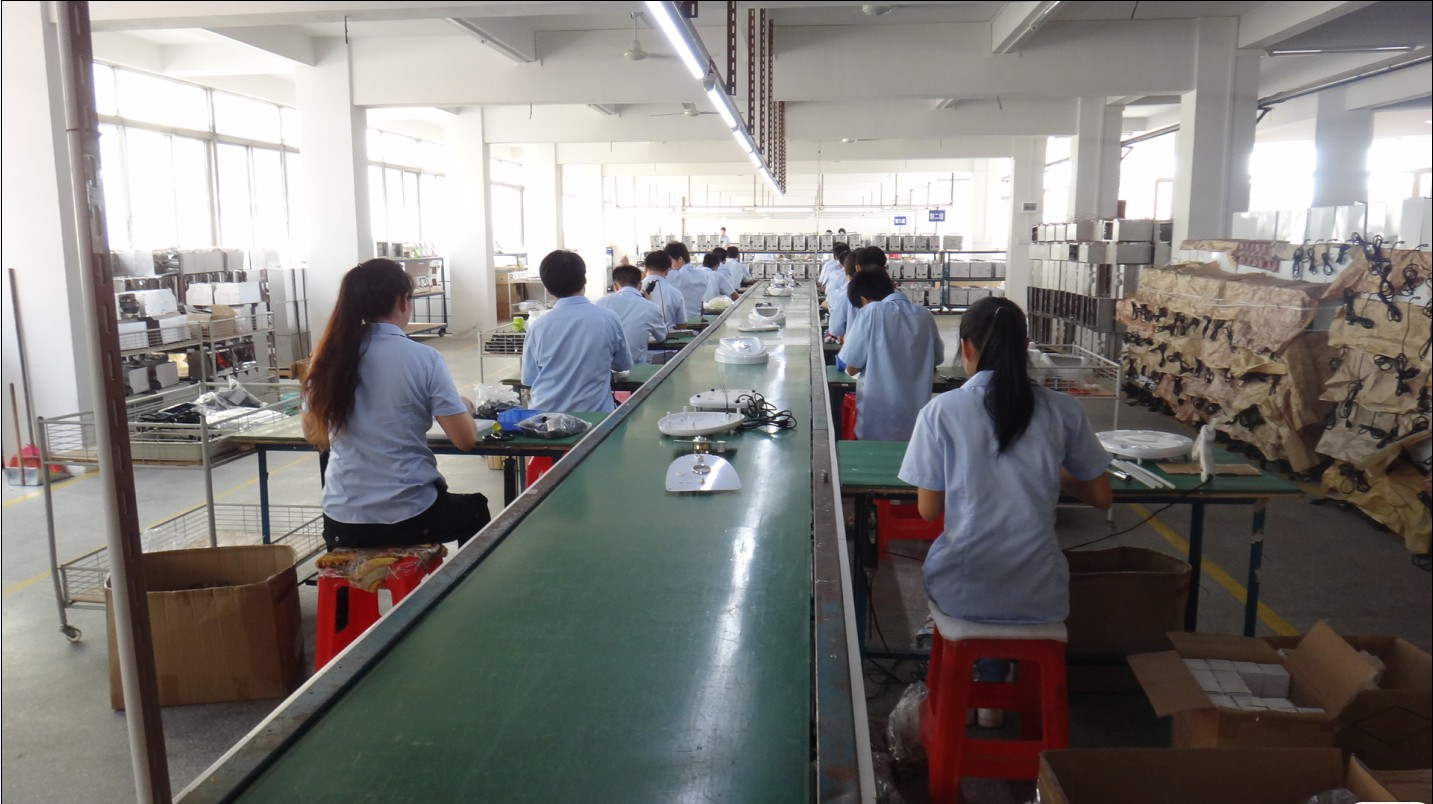
Guangzhou Uangel Technologie Co., Ltd., Ltd., opererend onder het merk UangelCare, is een OEM/ODM-fabrikant van esthetische apparaten, gevestigd in Guangzhou, China. Gevestigd in 2016, het bedrijf bezit NMPA (China), ISO 13485, en CE-certificeringen, met gedeeltelijke FDA-goedkeuring voor geselecteerde productlijnen. Het 7D HIFU-platform van UangelCare ondersteunt het volledige bereik aan cartridgedieptes (1.5 mm door 13 mm) met multi-frequentie werking (4 MHz, 7 MHz, 10 MHz), instelbare energiedichtheid, en cartridges met een hoog aantal schoten.
Voor kliniekeigenaren en distributeurs, UangelCare biedt OEM-branding, private label verpakkingen, meertalige softwarelokalisatie, en uitgebreide kwaliteitstests vóór verzending. De standaard productietijd bedraagt 3-7 dagen, met luchtverzending binnen 7-15 dagen naar de grote VS. en EU-bestemmingen. Bij elk systeem zijn een jaar garantie en operatortraining inbegrepen. Voor specificaties en offerte, bezoek de UangelCare HIFU-productpagina.
Veelgestelde vragen
Is een 7D HIFU-machine veilig voor alle huidtypes?
HIFU-energie richt zich op de diepere dermis en SMAS-laag zonder afhankelijk te zijn van chromofoorabsorptie, waardoor het geschikt is voor alle Fitzpatrick-huidtypes. In tegenstelling tot laser of intens gepulseerd licht (IPL) apparaten, HIFU brengt geen significant risico met zich mee op post-inflammatoire hyperpigmentatie bij een donkere huid. Echter, selectiecriteria voor patiënten, inclusief huiddikte, mate van laksheid, en medische geschiedenis – moeten worden geëvalueerd tijdens het consultatiegesprek voorafgaand aan de behandeling. Patiënten met open wonden, actieve infecties, of geïmplanteerde elektrische apparaten in het behandelgebied mogen geen HIFU-behandeling ondergaan.
Hoeveel behandelsessies zijn er nodig voor zichtbare resultaten?
De meeste patiënten ervaren binnen 2 tot 4 weken na een enkele sessie een eerste aanscherping, met aanhoudende verbetering gedurende 8-12 weken naarmate de collageenremodellering vordert. Een enkele behandeling kan betekenisvolle resultaten opleveren bij milde tot matige laksheid. Patiënten met gevorderde laksheid of patiënten die meer uitgesproken resultaten zoeken, kunnen baat hebben bij een tweede sessie met tussenpozen van drie maanden. Klinische onderzoeken evalueren over het algemeen de resultaten op 90 dagen na de behandeling.
Wat is het verschil tussen 7D HIFU en 3D HIFU?
Het belangrijkste verschil ligt in het dieptebereik van de cartridge en de reikwijdte van de behandeling. 3D HIFU-apparaten bieden doorgaans twee tot drie cartridgedieptes (algemeen 3.0 mm en 4.5 mm) werkend op één enkele frequentie, behandeling beperken tot gezichtstoepassingen. 7D HIFU-machines bieden zes tot zeven diepte-opties over drie frequenties, behandelingsmogelijkheden uitbreiden naar lichaamsgebieden. Voor klinieken die alleen gezichtsbehandelingen aanbieden, een 3D HIFU-apparaat kan voldoende zijn. Voor praktijken die HIFU-diensten voor zowel gezicht als lichaam willen aanbieden, een 7D-platform biedt superieure veelzijdigheid en rendement op uw investering.
Welke wettelijke goedkeuringen zijn vereist om een 7D HIFU-machine te bedienen?
Regelgevende vereisten variëren per rechtsgebied. In de Verenigde Staten, HIFU-apparaten voor esthetische indicaties vereisen FDA 510(k) klaring. In de Europese Unie, CE-markering onder de MDR is verplicht. In China, NMPA-registratie is vereist. Andere markten hebben hun eigen regelgevingskaders. Kliniekeigenaren moeten vóór aankoop en gebruik verifiëren dat het specifieke apparaatmodel en de geclaimde indicaties onder de juiste wettelijke goedkeuring vallen. Het gebruik van een niet-gebruikt apparaat voor onduidelijke indicaties stelt de kliniek bloot aan juridische risico's en aansprakelijkheidsrisico's.
Hoe lang duurt een typische 7D HIFU-behandelingssessie??
Een volledige gezichtsbehandeling duurt doorgaans 30-45 minuten, afhankelijk van het aantal geleverde shots en het aantal gebruikte patroondieptes. Een nek- en kaaklijnbehandeling duurt ongeveer 15-20 minuten. Behandelingen voor het lichaamsgebied variëren van 30 tot 60 minuten per zone. Wacht nog eens 10–15 minuten voor de voorbereiding van de patiënt, overleg, en verzorgingsinstructies na de behandeling.
Zijn er contra-indicaties voor een 7D HIFU-behandeling??
Contra-indicaties zijn onder meer zwangerschap, active skin infection or inflammation in the treatment area, implanted electrical devices (pacemakers, defibrillatoren), history of keloid scarring, bleeding disorders, and recent use of isotretinoin (within 6 maanden). Patients with dermal fillers or implants in the treatment area should be assessed on a case-by-case basis. A thorough medical history and physical examination should precede every treatment session.
What should I look for in a 7D HIFU machine warranty?
A comprehensive warranty should cover the main console, transducer cartridges (at minimum the initial set), and all included accessories for a period of at least one year. Key warranty provisions to verify include: coverage of transducer degradation (the most common failure mode), shipping and labor costs for warranty repairs, availability of loaner equipment during repair periods, and the process for accessing technical support. Manufacturers that offer extended warranty options provide additional cost predictability for budgeting purposes.
Can a 7D HIFU machine be used for skin tightening after weight loss?
Ja. Post-weight-loss patients with mild to moderate skin laxity—particularly in the abdomen, armen, and thighs—can benefit from 7D HIFU treatment using the 9 mm en 13 mm-patronen. Echter, HIFU addresses skin laxity, not significant skin excess. Patients with substantial post-bariatric skin excess may require surgical excision rather than, or in combination with, non-invasive tightening. A realistic expectation-setting discussion is essential for patient satisfaction.
Further Reading
- 7D HIFU Machine — Product Specifications and Pricing
- HIFU Devices — Full Category Overview
- HIFU-behandelingsprotocollen en klinische inzichten - Blog
Vrijwaring: De informatie in dit artikel is uitsluitend bedoeld voor educatieve en informatieve doeleinden en vormt geen medisch advies, diagnose, of behandeladviezen. Apparaatspecificaties, prijzen, en de wettelijke status zijn aan verandering onderhevig. Raadpleeg de fabrikant voor actuele documentatie en de relevante regelgevende instantie voor rechtsgebiedspecifieke vereisten.