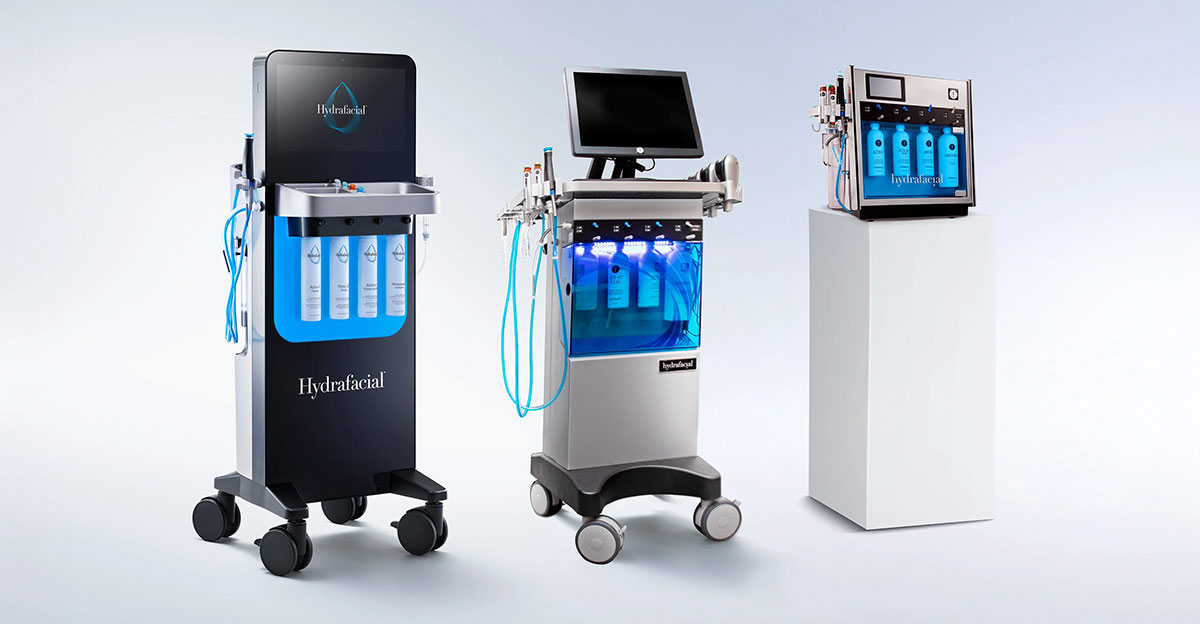


A $30,000 Ein Lasersystem ist nur so effektiv wie die Person, die es bedient. Gleiches gilt für a $5,000 hydrafacial machine or an RF skin tightening device — the operator’s skill, knowledge, and judgment determine the clinical outcome, not the equipment itself.
Yet training is consistently underinvested in aesthetic clinics. Staff are often trained informally, on the job, by whoever was there before them. This creates a cascade of problems: inconsistent results, higher error rates, client dissatisfaction, and increased liability exposure.
This guide gives clinic managers and med spa owners a structured framework for building a training program that produces competent, confident operators — and documents it in a way that protects the clinic.
Why Structured Training Matters
Patient Safety
Aesthetic equipment misuse is a leading cause of adverse events in cosmetic medicine. Burns, pigmentation changes, Narbenbildung, and infections can result from incorrect energy settings, improper technique, or failure to identify contraindications. Structured training directly reduces these risks.
Consistent Treatment Outcomes
Clients expect the same quality of result whether they’re treated by your most experienced operator or someone who started last week. Without standardized training, consistency is luck, not protocol.
Liability Protection
If an adverse event occurs and the operator was not properly trained, the clinic’s liability exposure increases significantly. Documented training records demonstrate that the clinic took reasonable steps to ensure operator competence.
Staff Retention and Confidence
Properly trained staff feel competent, confident, and valued. Undertrained staff feel anxious, make more mistakes, and are more likely to leave. Training investment correlates with staff retention.
Business Performance
Data supports the business case for training:
- Clinics with structured operator training report 30–40% fewer treatment-related complaints
- Consistent results drive referral business and positive reviews
- Trained operators use consumables more efficiently, reducing waste
Training Components: What Should Be Covered
A complete training program covers three core areas:
1. Device Operation
- Equipment setup and startup: Correct power connection, water/serum loading, system initialization
- Parameter selection: How to set energy levels, pulse duration, suction settings, and other device-specific parameters for each treatment type
- Handpiece technique: Proper grip, angle, movement speed, and overlap pattern for each treatment head
- Behandlungsprotokolle: Step-by-step protocols for each treatment the machine performs
- Consumable management: How to load, ersetzen, and dispose of tips, Patronen, and serum bottles
- Machine shutdown: Correct shutdown sequence to protect the system
2. Sicherheitsprotokolle
- Contraindication screening: Which conditions, Medikamente, and skin types make a treatment unsafe or inappropriate (z.B., isotretinoin use, aktive Infektionen, pregnancy, recent waxing)
- Eye protection requirements: When and what type of eye protection is required for specific wavelengths
- Emergency shutoff procedures: Where the emergency stop is and how to use it
- Adverse event response: What to do if a client reports unexpected pain, burning, Blasenbildung, or other reactions during or after treatment
- Skin reaction monitoring: What normal vs. abnormal post-treatment skin responses look like
- Fire and electrical safety: Particular to laser and RF devices — ignition risks, electrical hazards from fluid exposure
3. Patient Consultation
- Pre-treatment consultation process: How to conduct a thorough intake consultation — skin assessment, medical history, expectation setting
- Informed consent documentation: What the consent form covers, how to explain it clearly, and when to escalate to a clinical director
- Realistic expectation setting: Explaining what results are achievable, how many sessions are needed, and what downtime to expect
- Post-treatment care instructions: Aftercare guidance for each treatment type — sun exposure, skincare products to avoid, activity restrictions
- Follow-up communication: When and how to check in with clients post-treatment
Training Timeline for New Staff: Onboarding Checklist
Use this timeline to structure onboarding for new equipment operators.
Woche 1: Observation
- [ ] Shadow an experienced operator during live treatments (Minimum 5 observed sessions)
- [ ] Review the device user manual and manufacturer documentation
- [ ] Complete reading all standard operating procedures (SOPs) for the device
- [ ] Attend a facility orientation covering emergency procedures, location of safety equipment, and clinic protocols
Woche 2: Supervised Practice
- [ ] Operate the device under direct supervision for 5–10 treatments
- [ ] Practice device setup, initialization, and shutdown under observation
- [ ] Practice parameter selection and adjustment for different skin types
- [ ] Conduct mock consultations with supervisor feedback
- [ ] Begin documenting contraindication screening
Woche 3: Increasing Independence
- [ ] Perform treatments with reduced supervision (supervisor available but not hands-on)
- [ ] Handle at least 3 consultations independently
- [ ] Complete a mock emergency scenario response
- [ ] Receive written feedback from supervisor on technique and consultation
Woche 4: Competency Assessment
- [ ] Supervisor observes and scores a minimum of 3 independent treatments using the competency assessment form (see below)
- [ ] Pass a written or oral knowledge quiz on contraindications, safety protocols, and device operation
- [ ] Demonstrate correct documentation and informed consent completion
- [ ] Supervisor signs off on competency — operator is cleared for independent operation
Standard onboarding timeline: 4 weeks minimum for a single device. Additional devices each add approximately 1–2 weeks of training time.
Manufacturer-Provided Training vs. In-House Training
Manufacturer-Provided Training
Advantages:
- Product-specific technical knowledge directly from the source
- Often includes certification or continuing education credits
- Liability reassurance — the manufacturer can confirm the operator was trained
- May include troubleshooting and maintenance guidance
Limitations:
- Typically focused on device operation, less on clinical application
- Often a one-time event — no ongoing support
- Travel costs if training is off-site
- Quality varies significantly between manufacturers
Best practice: Use manufacturer training as the foundation, then layer in your clinic’s own protocols, consultation framework, and documentation requirements.
In-House Training
Advantages:
- Customized to your specific client base, Behandlungsprotokolle, and clinic workflows
- Ongoing and repeatable — can be refreshed quarterly or after updates
- Reinforces clinic culture, standards, and brand of care
- More cost-effective for ongoing staff development
Limitations:
- Requires an experienced internal trainer who knows the equipment deeply
- Risk of inconsistent training if not formally structured
- If the expert trainer leaves, institutional knowledge walks out the door
Best practice: Develop a formal in-house training curriculum (using this guide as a framework) that is documented and reproducible. Cross-train at least two staff members on each device.
Recommended Approach
- Start with manufacturer training — Get your key staff trained directly by the manufacturer, especially for complex devices (lasers, RF, IPL-Systeme).
- Build your in-house curriculum — Document your clinic’s specific protocols, SOPs, and documentation requirements.
- Peer-to-peer extension — Have manufacturer-trained staff train their colleagues using the documented curriculum.
- Annual refresher training — Schedule annual recertification, especially before peak seasons or after any adverse events.
Documentation and Competency Assessment
Documentation is not optional — it is your clinic’s primary risk management tool.
Competency Assessment Form
Use a standardized form to evaluate new operators. Rate each area from 1 (Unsatisfactory) Zu 5 (Exceeds Expectations).
“`
OPERATOR COMPETENCY ASSESSMENT
Operator Name: ___________________
Device(S) Assessed: ___________________
Datum: ___________________
Assessor: ___________________
SKILL AREA SCORE (1-5) HINWEISE
Device setup and initialization
Parameter selection for treatment type
Handpiece technique and movement
Treatment protocol compliance
Contraindication screening accuracy
Informed consent process
Post-treatment documentation
Adverse event response knowledge
Emergency shutoff procedure
Overall clinical judgment
TOTAL SCORE: ____/50
Pass threshold: 40/50 (80%)
ASSESSOR SIGNATURE: ___________________ DATE: ___________
OPERATOR SIGNATURE: ___________________ DATE: ___________
“`
A score below 40/50 requires additional supervised practice and reassessment before independent operation.
What to File
- Completed competency assessment forms
- Copies of manufacturer training certificates
- Quiz or test results
- Records of any adverse events or near-misses during the training period
- Signed acknowledgment that the operator has read and understands all SOPs
Ongoing Training and Skill Development
Training doesn’t stop at onboarding.
Quarterly Skills Refreshers
- Review any adverse events or near-misses from the quarter — what happened, what was done, what could be improved
- Update staff on any new treatment protocols, upgraded equipment, or changed documentation requirements
- Run a mock emergency scenario drill once per quarter
- Review updated contraindication information or safety notices from manufacturers
Continuing Education
- Manufacturer webinars, workshops, and certification programs
- Industry conferences (z.B., ASLMS — American Society for Laser Medicine and Surgery)
- Online CE courses in aesthetic medicine, skin science, and device operation
- Clinical journal clubs — review recent literature on device efficacy and safety
Cross-Training
- Train operators on at least two devices to build operational flexibility
- Cross-training reduces bottleneck when one operator is absent
- Promotes a deeper understanding of how different modalities produce results
Training Records and Compliance
What Must Be Documented
- Device-specific training completion dates
- Competency assessment scores and sign-offs
- Manufacturer training certificates (with expiration dates if applicable)
- Annual refresher training records
- Records of any adverse events involving the operator’s treatments
- Any corrective training or coaching notes
Regulatory Considerations
Vereinigte Staaten: State regulations may specify training requirements for laser operators. Zum Beispiel, many states require a licensed medical director for laser treatments, and the operator must work under that director’s supervision. Know your state’s requirements.
europäische Union: Under MDR 2017/745, clinics may have obligations to maintain records demonstrating that operators are trained to use devices safely. Requirements vary by device class.
Australien: The TGA regulates medical devices and may require documentation of operator training as part of post-market obligations.
Retention Period
- Keep training records for a minimum of 3 years after the operator leaves the clinic
- For regulated devices, follow your national or state regulatory body’s record retention requirements
- Store records digitally if possible — paper records degrade and can be lost
Common Training Mistakes to Avoid
Mistake 1: “See One, Do One, Teach One” Is Not Enough
Watching one treatment and then performing one treatment does not constitute training. Genuine competency requires repetition, observation of multiple client skin types, and supervised practice across different scenarios.
Mistake 2: No Documentation
Informal training with no records means the clinic has no evidence of due diligence if an adverse event occurs. Documentation is a legal protection and a quality management tool.
Mistake 3: Assuming Experience Equates to Competency
An operator who has used a similar device at a previous clinic still needs your clinic’s specific training. Every device has different protocols, Einstellungen, and workflows — and every clinic has different documentation requirements.
Mistake 4: Training Once and Never Revisiting It
Skills decay without reinforcement. Schedule annual refresher training — and make it mandatory.
Mistake 5: No Contraindication Training
This is the most common safety gap. Operators who don’t know when NOT to treat will treat anyway. Contraindication screening should be as thoroughly trained as device operation.
Mistake 6: Skipping Consultation Training
Operators who are technically skilled with the device but poor communicators deliver worse outcomes. Consultation skills, Einverständniserklärung, and expectation management are as important as any technical skill.
Mistake 7: Not Cross-Training
A single point of failure — one operator who knows one device — creates business continuity risk. Always have at least two trained operators per device.
Staff Training ROI
The return on investment in structured staff training is measurable and significant.
Reduced Errors and Adverse Events
- Properly trained operators identify contraindications before treatment begins
- Correct parameter settings reduce burns, pigmentation issues, and ineffective treatments
- Estimated reduction in treatment-related complaints: 30–50% with structured training programs
Better Clinical Outcomes
- Consistent technique produces consistent results across all operators
- Satisfied clients generate more referrals and positive reviews
- Higher client retention — clients who see consistent results come back
Operational Efficiency
- Trained operators complete treatments faster and with less waste (incorrect settings, wasted consumables)
- Less time spent on damage control from preventable errors
- Higher throughput with the same number of treatment rooms
Staff Retention
- Competence builds confidence — confident staff stay longer
- Professional development investment signals that you value your team
- Replacing a trained operator costs 1–2x their annual salary when recruiting and onboarding costs are included
A Simple ROI Calculation
If one prevented adverse event saves the clinic $2,000–$10,000 (liability costs, treatment of injuries, lost business, reputation damage) and structured training prevents even one event per year, the training investment pays for itself many times over.
Häufig gestellte Fragen
Q1: How long does it take to fully train a new operator?
A: A minimum of 4 weeks for a single device type, with structured observation, supervised practice, and competency assessment. Additional devices add 1–2 weeks each. Operators should not perform independent treatments until competency is formally assessed and documented.
Q2: Do clinic owners need to be trained on every device?
A: Not necessarily on every device in detail — but clinic owners and managers should understand the basics of operation, safety protocols, and documentation requirements for each device in the clinic. This enables informed supervision and protects the business.
Q3: Can we rely on manufacturer training alone?
A: Manufacturer training is a solid foundation but not a complete program on its own. It covers device operation well but typically does not include your clinic’s specific protocols, consultation framework, documentation requirements, or workflow. Use manufacturer training as a starting point, then build your in-house curriculum on top of it.
Q4: How often should refresher training be conducted?
A: Zumindest, annually for each device. More frequently after any adverse event, any equipment upgrade or software update, or when a new treatment protocol is introduced. Some clinics run quarterly 30-minute refresher sessions to keep skills sharp.
F5: What should we do if an operator fails a competency assessment?
A: Extend the supervised training period and provide targeted coaching on the specific areas where they scored below threshold. Do not clear them for independent operation until they pass. Document the additional training and the retest.
F6: How do we handle training when staff numbers are small?
A: Even a two-person clinic benefits from structured training. Use this guide as your framework. Cross-train both operators on all devices so the clinic can continue operating when one person is absent. The time investment is small compared to the liability protection it provides.
F7: Is online training sufficient for equipment certification?
A: Online training is a good supplement for theory and knowledge — especially manufacturer e-learning modules. But it should be paired with in-person, supervised practical sessions before an operator is cleared for independent work. Purely online training without hands-on supervised practice is insufficient for aesthetic equipment operation.
Summary: Training Program Checklist
- [ ] Define training requirements for each device in your clinic
- [ ] Obtain manufacturer training for key staff on complex devices
- [ ] Build an in-house training curriculum with SOPs and documentation requirements
- [ ] Implement the 4-week onboarding timeline with supervised practice
- [ ] Use a standardized competency assessment form at the end of onboarding
- [ ] Document all training — no exceptions
- [ ] Schedule quarterly refresher training sessions
- [ ] Cross-train at least two operators per device
- [ ] Require annual recertification for all operators
- [ ] Track training records for 3+ years post operator departure
UangelCare supports clinic operators with detailed user documentation and can connect buyers with training resources for specific devices. Stöbern Sie in unserem aesthetic equipment categories to explore machines that come with documented quality management and training support, or contact our team directly for device-specific guidance.
This guide provides a general framework for aesthetic equipment staff training. Clinic operators should comply with all applicable local, state, and national regulations governing medical device operation, licensure, and supervision requirements in their jurisdiction.