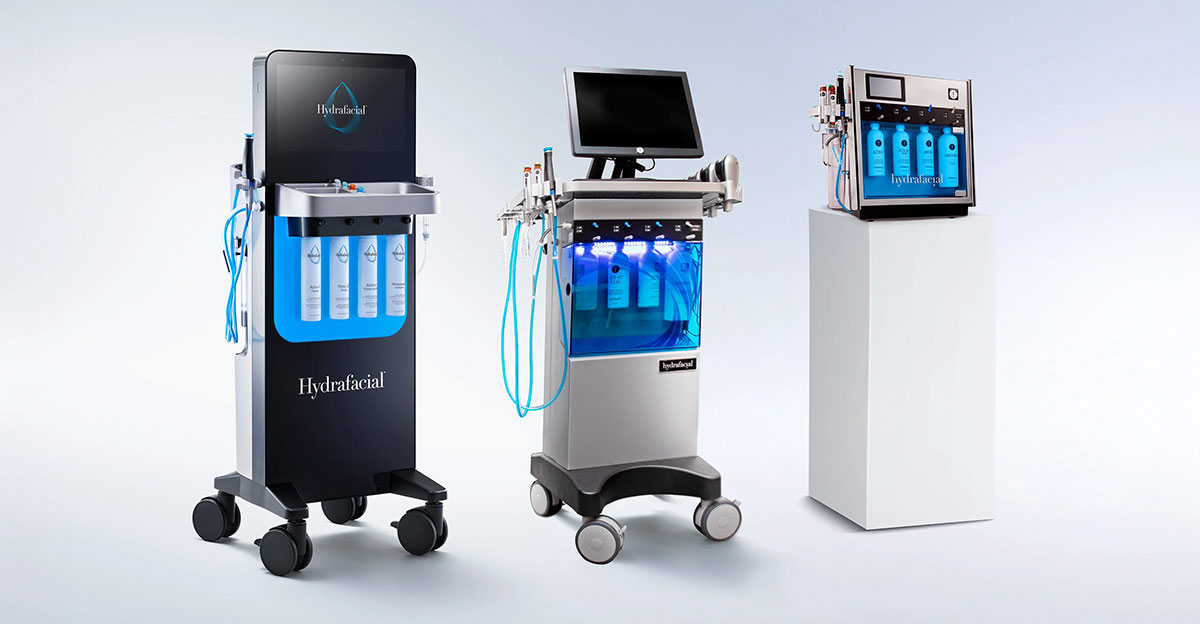


Eine Hydrafacial-Maschine ist ein Präzisionsinstrument. Es zieht mit Serum angereichertes Wasser über die Haut und entfernt gleichzeitig Unreinheiten – ein Prozess, der auf dichte Versiegelungen angewiesen ist, saubere Filter, kalibrierte Saugleistung, und gleichmäßiger Wasserfluss. Vernachlässigen Sie die Wartung, und die Leistung lässt schnell nach: Saugkraft sinkt, Spitzen verstopfen, Das Display beginnt mit der Ausgabe von Fehlercodes, und damit sinkt auch die Kundenzufriedenheit.
Dieser Leitfaden gibt Ihrer Klinik ein strukturiertes Wartungsprotokoll an die Hand, eine Referenz zur Fehlerbehebung für die häufigsten Probleme, und ein Rahmenwerk zur Verlängerung der Maschinenlebensdauer – unterstützt durch umsetzbare Checklisten, die Sie noch heute verwenden können.
Checkliste für die tägliche Wartung von Hydrofacial-Maschinen
Erledigen Sie diese Aufgaben zu Beginn und am Ende jedes Betriebstages.
Beginn des Tages
- Überprüfen Sie Handstücke und Kabel — Auf sichtbare Risse prüfen, Ausfransende Kabel, oder lose Verbindungen. Benutzen Sie die Maschine nicht, wenn Schäden festgestellt werden.
- Wasserreservoir prüfen — Füllen Sie nur frisch destilliertes oder gereinigtes Wasser ein. Leitungswasser enthält Mineralien, die sich in den Schläuchen der Maschine ansammeln und mit der Zeit die Wirksamkeit verringern.
- Führen Sie eine Kalibrierungsspülung durch — Starten Sie einen Frischzyklus nur mit destilliertem Wasser (Nein zu spät) für 2–3 Minuten. Dadurch werden alle Rückstände aus der vorherigen Sitzung gelöscht.
- Überprüfen Sie die Behandlungsspitze und setzen Sie sie ein — Stellen Sie sicher, dass die Spitze richtig sitzt und nicht abgenutzt ist. Abgenutzte Spitzen liefern inkonsistente Ergebnisse und können Hautreizungen verursachen.
- Überprüfen Sie die Saug- und Durchflusseinstellungen — Führen Sie einen kurzen Testzyklus durch und vergewissern Sie sich, dass das Sauggefühl normal ist, bevor Sie mit den Kundensitzungen beginnen.
Ende des Tages
- Spülen Sie das System mit destilliertem Wasser — Führen Sie einen 3-Minuten-Zyklus nur mit destilliertem Wasser durch. Dadurch werden Serumreste aus dem Schlauch entfernt.
- Spülen Sie den Schlauch — Nutzen Sie die Spülfunktion der Maschine (falls verfügbar) um Restwasser aus den Leitungen auszublasen.
- Entfernen und reinigen Sie die Behandlungsspitzen — In einer milden Reinigungslösung einweichen, gründlich ausspülen, Lufttrocknen, und an einem sauberen Ort aufbewahren, geschlossener Behälter.
- Wischen Sie das Handstück ab — Verwenden Sie ein weiches, feuchtes Tuch. Tauchen Sie das Handstück nicht in Flüssigkeit.
- Leeren und spülen Sie den Abfallbehälter aus — Wenn Ihre Maschine über einen Abfallbehälter verfügt, Entleeren Sie es nach jedem Betriebstag und spülen Sie es mit warmem Wasser aus.
- Decken Sie die Maschine ab — Verwenden Sie zum Schutz vor Staub die vom Hersteller mitgelieferte Abdeckung oder ein sauberes Tuch, wenn Sie es nicht verwenden.
Wöchentliche Wartungsaufgaben
- Tipps zur Tiefenreinigung — Spitzen in einer Ultraschallreinigungslösung medizinischer Qualität einweichen oder 70% Isopropylalkohol für 15 Minuten, Anschließend abspülen und vollständig an der Luft trocknen.
- Überprüfen und reinigen Sie den Wasserfilter — Die meisten Hydrafacial-Geräte verfügen über einen Inline-Wasserfilter, der regelmäßig ausgetauscht werden muss (typischerweise alle 3–6 Monate). Schauen Sie in Ihrem Handbuch nach.
- Überprüfen Sie den Schlauch auf Knicke, Risse, oder Verfärbung — Beschädigte Schläuche sofort ersetzen. Knicke reduzieren die Saugkraft; Risse verursachen Undichtigkeiten.
- Wischen Sie das Maschinengehäuse ab — Reinigen Sie die Außenseite mit einem nicht scheuernden Reinigungsmittel, Desinfektionsmittel in Klinikqualität. Vermeiden Sie, dass Flüssigkeit in Lüftungsschlitze oder Ausstellungsbereiche gelangt.
- Führen Sie eine Serumsystemdiagnose durch — Wenn Ihr Gerät über einen Diagnosemodus verfügt, Führen Sie es wöchentlich aus, um sicherzustellen, dass alle Kanäle innerhalb der normalen Parameter funktionieren.
- Überprüfen Sie die Kalibrierung — Stellen Sie sicher, dass die Saug- und Flusseinstellungen Ihrem Standardprotokoll entsprechen. Wenn sich die Einstellungen falsch anfühlen, Führen Sie eine Neukalibrierung gemäß den Anweisungen des Herstellers durch.
Monatliche Wartung und Inspektion
- Wasserfilter ersetzen — Abhängig von der Maschinennutzung, alle 1–3 Monate ersetzen. Starker täglicher Gebrauch = häufigerer Austausch.
- Dichtungen und O-Ringe prüfen — Auf Verhärtung prüfen, knacken, oder Verformung. Ersetzen Sie sie nur durch vom Hersteller angegebene Dichtungen.
- Überprüfen Sie die elektrischen Anschlüsse — Überprüfen Sie, ob das Netzkabel angeschlossen ist, Stecker, und alle Kabelverbindungen sind sicher. Lose Verbindungen führen zu zeitweise auftretenden Fehlern.
- Überprüfen Sie das Abfallsystem — Reinigen Sie den Abfallbehälter und prüfen Sie ihn auf Geruchsbildung, Dies kann auf Bakterienwachstum in den Leitungen hinweisen.
- Reinigen Sie das Display und das Touchpanel — Verwenden Sie ein weiches, fusselfreies Tuch mit 70% Alkohol. Verwenden Sie keine Scheuermittel.
- Vollständige Systemdiagnose — Führen Sie einen vollständigen Selbstdiagnosezyklus durch, falls Ihre Maschine über einen verfügt. Notieren Sie alle Fehlercodes und beheben Sie diese vor dem nächsten Betriebstag.
- Dokumentieren Sie alle Inspektionsergebnisse — Protokollieren Sie die Ergebnisse in Ihrem Wartungsprotokoll (siehe Vorlage unten).
Häufige Probleme und Fehlerbehebung
Problem 1: Geringe oder keine Saugkraft
Höchstwahrscheinlich Ursachen:
- Verstopfte oder abgenutzte Behandlungsspitze
- Schmutziger oder verstopfter Wasserfilter
- Schlauch verstopft oder geknickt
- Dichtungs-/O-Ring-Fehler
- Niedriger Flüssigkeitsstand im Behälter
Schritte zur Fehlerbehebung:
- Ersetzen Sie die Behandlungsspitze durch eine neue. Wenn die Saugwirkung zurückkehrt, Die Spitze war abgenutzt oder verstopft.
- Überprüfen und ersetzen Sie den Wasserfilter.
- Überprüfen Sie alle sichtbaren Schläuche auf Knicke oder Verstopfungen. Knicke glätten; Ersetzen Sie den gerissenen Schlauch.
- Prüfen Sie, ob Dichtungen und O-Ringe richtig sitzen und unbeschädigt sind.
- Stellen Sie sicher, dass der Behälter über ausreichend destilliertes Wasser verfügt.
- Wenn die Saugleistung nach Überprüfung aller oben genannten Punkte immer noch gering ist, Die Vakuumpumpe benötigt möglicherweise eine professionelle Wartung.
Typische Auflösungsrate: 80–90 % der Saugprobleme werden allein durch den Austausch der Düse/des Filters gelöst.
Problem 2: Verstopfte Spitzen und Handstückblockaden
Ursachen:
- Zwischen den Anwendungen trocknet das restliche Serum in der Spitze aus
- Verwendung minderwertiger oder abgelaufener Serumlösungen
- Das System wird nicht nach jeder Sitzung geleert
- Mineralstoffablagerungen im Leitungswasser
Schritte zur Fehlerbehebung:
- Die Spitze in warmem destilliertem Wasser einweichen 10 Minuten, Verwenden Sie dann eine Bürste mit weichen Borsten, um Ablagerungen zu entfernen.
- Führen Sie einen Spülzyklus mit destilliertem Wasser durch 5 Minuten.
- Wenn die Blockade weiterhin besteht, Zerlegen Sie das Handstück (laut Handbuch) und reinigen Sie jede Komponente einzeln.
- Wechseln Sie nur zu destilliertem Wasser und einem frischen, hochwertiges Serum.
- Bewahren Sie Spitzen niemals auf, ohne sie vorher zu trocknen – darin eingeschlossene Feuchtigkeit beschleunigt das Bakterienwachstum und die Ablagerung von Mineralien.
Problem 3: Probleme mit dem Wasserfluss (Schwacher oder intermittierender Fluss)
Ursachen:
- Verstopfter oder schmutziger Wasserfilter
- Luftschleuse im Schlauch (häufig nach dem Bewegen der Maschine)
- Minderwertige oder unzureichende Serum-/Wasserlösung
- Fehlfunktion der Pumpe
Schritte zur Fehlerbehebung:
- Ersetzen Sie den Wasserfilter.
- Führen Sie einen Reinigungszyklus durch (Nutzen Sie die Spülfunktion der Maschine) um etwaige Luftschleusen zu beseitigen.
- Überprüfen Sie, ob die Serumflasche richtig sitzt und nicht leer ist.
- Wenn das Problem weiterhin besteht, Überprüfen Sie die Schläuche auf Undichtigkeiten – ein Luftleck verhindert die ordnungsgemäße Ansaugung und den ordnungsgemäßen Durchfluss.
- Pumpenprobleme erfordern professionellen Service. Versuchen Sie nicht, das Maschinengehäuse zu öffnen.
Problem 4: Anzeigefehler und elektronische Störungen
Häufige Fehlercodes und Bedeutungen (variiert je nach Hersteller):
| Fehlercode | Bedeutung | Aktion |
|---|---|---|
| E01 | Wasserstand niedrig | Füllen Sie den Behälter mit destilliertem Wasser auf |
| E02 | Fehler im Saugsystem | Tipp prüfen, Filter, und Schläuche auf Verstopfungen; Führen Sie die Diagnose aus |
| E03 | Verbindungsfehler Handstück | Setzen Sie den Handstückanschluss wieder ein; Überprüfen Sie den Hafen auf Fremdkörper |
| E04 | Überdruck der Pumpe | Überprüfen Sie den Schlauch oder die Spitze auf Verstopfungen; das System spülen |
| E05 | Überhitzung des Systems | Schalten Sie die Maschine aus, lass es ruhen 30 Minuten, Stellen Sie sicher, dass die Lüftungsschlitze frei sind |
| E99 | Allgemeiner Systemfehler | Starten Sie die Maschine neu; wenn hartnäckig, Wenden Sie sich an den technischen Support |
Allgemeine elektronische Fehlerbehebung:
- Schalten Sie das Gerät immer vollständig aus, bevor Sie Reinigungs- oder Wartungsarbeiten durchführen – wischen Sie niemals das Display ab, während das Gerät eingeschaltet ist.
- Wenn das Gerät zeitweise Fehler anzeigt, Überprüfen Sie alle Kabelverbindungen, insbesondere nach jeder Bewegung oder jedem Transport.
- Fehlercodes, die nach der Befolgung der Fehlerbehebungsschritte im Handbuch weiterhin bestehen, erfordern einen professionellen Service.
Handstück- und Spitzenpflege
Das Handstück ist das am häufigsten verwendete und empfindlichste Bauteil einer Hydrafacial-Maschine.
- Tauchen Sie das Handstück niemals in Flüssigkeit — Feuchtigkeit im Handstück beschädigt die internen Motor- und Sensorkomponenten.
- Verwenden Sie nur vom Hersteller zugelassene Spitzen — Allgemeine Tipps passen möglicherweise locker, Dies kann zu inkonsistenten Ergebnissen und möglichen Hautreizungen führen.
- Überprüfen Sie die Spitzen vor jedem Gebrauch — Suchen Sie nach Kratzern, Verformung, oder Verfärbung. Ersetzen Sie die Spitzen alle 20–40 Behandlungssitzungen oder gemäß der Empfehlung des Herstellers.
- Bewahren Sie die Spitzen sauber auf, trocken, geschlossener Behälter — Offene Lagerung ermöglicht Staub- und Bakterienkontamination.
- Behandlungsspitzen nicht autoklavieren oder kochen Sofern nicht ausdrücklich vom Hersteller genehmigt, kann Hitze den Kunststoff verformen und die Dichtung beeinträchtigen.
Wasserqualität und Filtration
Die Wasserqualität wirkt sich direkt auf die Leistung und Lebensdauer der Maschine aus.
Warum es wichtig ist:
- Leitungswasser enthält Kalzium- und Magnesiummineralien, die sich in Schläuchen und Pumpenkomponenten ansammeln, Dies verringert die Saugleistung und führt schließlich zum Ausfall der Pumpe.
- Verunreinigungen können mit der Serumchemie interagieren, Verringerung der Wirksamkeit der Behandlung.
- Eine bakterielle Kontamination in Wasserleitungen stellt ein Problem für die Patientensicherheit dar.
Best Practices:
- Verwenden Nur destilliertes Wasser für alle Hydrafacial-Eingriffe. Verwenden Sie niemals Leitungswasser, gefiltertes Leitungswasser, oder Quellwasser.
- Wechseln Sie das Wasser im Behälter vor jedem Betriebstag – verwenden Sie kein Wasser vom Vortag erneut.
- Ersetzen Sie die Inline-Wasserfilter je nach Nutzungsvolumen alle 1–3 Monate.
- Einige fortschrittliche Maschinen verfügen über eine integrierte UV-Sterilisation oder mehrstufige Filterung – befolgen Sie den spezifischen Wartungsplan für diese Systeme.
- Wenn Ihre Maschine stillsteht, Erwägen Sie den Anschluss an ein spezielles Wasserfiltersystem.
Wann Sie den professionellen Service anrufen sollten
Wenden Sie sich in diesem Fall an einen qualifizierten Techniker oder an das Support-Team des Herstellers:
- Die Fehlercodes bleiben bestehen, nachdem die Schritte zur Fehlerbehebung ausgeführt wurden – insbesondere E02 (Saugfehler) und E04 (Überdruck), Dies kann auf einen Pumpenschaden hinweisen.
- Die Vakuumpumpe weist sichtbare Abnutzungserscheinungen auf — ungewöhnlicher Lärm, intermittierendes Absaugen, oder völliger Saugausfall, nachdem Probleme mit der Düse/dem Filter ausgeschlossen wurden.
- Die Maschine macht ungewöhnliche Geräusche - Schleifen, Klicken, oder hohe Geräusche deuten fast immer auf ein mechanisches Problem hin.
- Sichtbare Flüssigkeitslecks im Inneren des Maschinengehäuses – weist auf einen Dichtungs- oder Schlauchfehler hin.
- Elektrische Probleme — Flackernde Anzeige, Maschine schaltet sich unerwartet ab, oder irgendein brennender Geruch.
- Nach jedem größeren Maschinentransport — Durch Vibrationen während des Transports können sich Verbindungen lösen und die Kalibrierung beeinträchtigen.
- Das empfohlene Wartungsintervall der Maschine ist überschritten — Die meisten Hydrafacial-Geräte profitieren von einer jährlichen professionellen Wartung.
Tipp: Bewahren Sie die Seriennummer Ihrer Maschine auf, Modellnummer, Kaufdatum, und Garantieinformationen leicht zugänglich. Bei der Kontaktaufnahme mit dem Support, Diese Informationen beschleunigen die Auflösung erheblich.
Wartungsprotokollvorlage
Verwenden Sie dieses Protokoll, um Wartungsaktivitäten zu verfolgen und Muster im Zeitverlauf zu erkennen.
“`
WARTUNGSPROTOKOLL – [Maschinenmodell] — [Seriennummer]
=====================================================
DATUM | TYP | MASSNAHMEN ERFOLGEN | HINWEISE / TEILE ERSETZT | PERSONAL INIT
————|————-|————————————–|————————|————
JJJJ-MM-TT | Täglich | | |
JJJJ-MM-TT | Täglich | | |
JJJJ-MM-TT | Wöchentlich | | |
JJJJ-MM-TT | Monatlich | | |
JJJJ-MM-TT | Reparieren | | |
LEGENDE:
Typ: Täglich / Wöchentlich / Monatlich / Vierteljährlich / Reparieren / Inspektion
“`
Verlängerung der Maschinenlebensdauer
Die meisten Hydrafacial-Geräte sind bei ordnungsgemäßer Wartung für einen klinischen Einsatz von 5 bis 8 Jahren ausgelegt. Hier ist der Unterschied zwischen Maschinen, die lange halten, und Maschinen, die früh ausfallen.
Nutzungsfaktoren
- Tägliches Spülen mit destilliertem Wasser – Die einflussreichste Angewohnheit. Verhindert die Ansammlung von Mineralien, die die Pumpe beschädigen.
- Konsistenter Spitzenaustausch — Abgenutzte Spitzen belasten den Saugmotor zusätzlich.
- Vermeidung von Bedienfehlern — Heruntergefallene Handstücke, Ziehen an Kabeln, und der Betrieb der Maschine ohne Wasser sind die häufigsten Ursachen für vermeidbare Schäden.
- Verwalten des Behandlungsvolumens — Maschinen für 10+ Tägliche Behandlungen nutzen sich schneller ab und erfordern eine häufigere Wartung.
Umweltfaktoren
- Stabile Temperatur und Luftfeuchtigkeit — Extreme Temperaturschwankungen können die Pumpenleistung beeinträchtigen. Lagern Sie die Maschine in einer klimatisierten Umgebung.
- Vermeiden Sie direkte Sonneneinstrahlung auf das Display — UV-Strahlung verschlechtert mit der Zeit die Bildschirmqualität.
- Richtige Lagerung — Decken Sie die Maschine ab, wenn Sie sie nicht benutzen. Stapeln Sie keine Gegenstände auf der Maschine.
Finanzielle Faktoren
- Verfolgen Sie die Wartungskosten — Wenn die Wartungskosten höher sind 20% des Wiederbeschaffungswertes der Maschine in einem einzigen Jahr, beurteilen Sie, ob eine Reparatur oder ein Austausch finanziell sinnvoller ist.
- Dokumentieren Sie alles — Wartungsaufzeichnungen unterstützen Garantieansprüche, Wiederverkaufswert, und Servicehistorie.
- Erwägen Sie eine Garantieverlängerung — Wenn der Hersteller beim Kauf eine erweiterte Garantie anbietet, ernsthaft darüber nachdenken. Reparaturen an Hydrafacial-Geräten außerhalb der Garantie können zwischen 800 und über 3.000 US-Dollar kosten.
Häufig gestellte Fragen
Q1: Wie oft sollte ich die Behandlungsspitzen ersetzen??
A: Im Allgemeinen alle 20–40 Behandlungen, Abhängig von der Empfehlung des Herstellers und davon, wie gründlich die Spitzen zwischen den Anwendungen gereinigt werden. Ersetzen Sie es sofort, wenn Sie Kratzer bemerken, Verformung, oder reduzierte Saugleistung bereits vor der empfohlenen Sitzungsanzahl.
Q2: Kann ich anstelle von destilliertem Wasser auch normales gefiltertes Wasser verwenden??
A: NEIN. Gefiltertes Leitungswasser enthält noch Mineralien, die sich in der Pumpe und den Schläuchen ansammeln. Nur destilliert, Umkehrosmose, Es sollte entionisiertes Wasser verwendet werden. Die kurzfristigen Kosteneinsparungen durch den Verzicht auf destilliertes Wasser führen zu teuren Pumpenreparaturen.
Q3: Warum macht meine Maschine ein Schleifgeräusch??
A: Ein knirschendes Geräusch weist fast immer auf ein mechanisches Problem hin – wahrscheinlich auf den Pumpenmotor oder ein defektes Lager. Benutzen Sie die Maschine sofort nicht mehr und wenden Sie sich an den technischen Support. Die fortgesetzte Verwendung kann zu katastrophalen Ausfällen führen.
Q4: Woher weiß ich, ob der Wasserfilter ausgetauscht werden muss??
A: Bei den meisten Geräten ist eine verminderte Saugleistung das erste Anzeichen für einen verstopften Filter. Das empfohlene Austauschintervall finden Sie in Ihrem Handbuch (typischerweise 1–3 Monate). Wenn die Maschine seit über einem Jahr nicht gewartet wurde 3 Monate und die Saugleistung ist geringer als normal, Tauschen Sie zuerst den Filter aus, bevor Sie eine tiefergehende Fehlerbehebung durchführen.
F5: Kann ich meine Maschinenreparaturen selbst durchführen??
A: In diesem Handbuch werden nur routinemäßige Wartungsaufgaben beschrieben (Spitzenreinigung, Filterwechsel, Schlauchinspektion, Oberflächenreinigung). Jede Reparatur, bei der das Maschinengehäuse geöffnet wird, die Pumpe berühren, oder Arbeiten an elektrischen Komponenten müssen von einem qualifizierten Techniker durchgeführt werden. Der Versuch einer nicht autorisierten Reparatur führt zum Erlöschen der meisten Garantien.
F6: Was ist die typische Lebensdauer einer Hydrafacial-Maschine??
A: Mit konsequenter täglicher Wartung, Die meisten Hydrafacial-Geräte halten 5–8 Jahre, bevor eine umfassende Wartung oder ein Austausch erforderlich ist. Maschinen mit schlechten Wartungsroutinen fallen oft innerhalb von 2–3 Jahren aus. Die Kosten für eine ordnungsgemäße Wartung sind deutlich geringer als die Kosten für einen vorzeitigen Austausch.
F7: Sollte ich eine Ersatzmaschine oder Ersatzteile behalten??
A: Für Kliniken mit hohem Aufkommen und mehreren Behandlungsräumen, Die Aufbewahrung eines Ersatzhandstücks und eines dreimonatigen Vorrats an Filtern und Spitzen ist gängige Praxis. Vollständige Backup-Maschinen sind seltener, aber eine Überlegung wert für medizinische Spas mit hohem Volumen, in denen sich Ausfallzeiten direkt auf den Umsatz auswirken.
Kurzreferenz: Zusammenfassung des Wartungsplans
| Aufgabe | Frequenz |
|---|---|
| System mit destilliertem Wasser spülen | Nach jedem Behandlungstag |
| Saubere Behandlungstipps | Nach jedem Behandlungstag |
| Überprüfen Sie Handstücke und Kabel | An jedem Behandlungstag |
| Tiefenreinigungstipps (einweichen + Bürste) | Wöchentlich |
| Wasserfilter prüfen und reinigen/austauschen | Wöchentlich (überprüfen) / Monatlich (ersetzen) |
| Überprüfen Sie die Schläuche auf Beschädigungen | Wöchentlich |
| Wischen Sie das Maschinengehäuse ab | Wöchentlich |
| Dichtungen und O-Ringe prüfen | Monatlich |
| Vollständige Systemdiagnose | Monatlich |
| Dichtungen und O-Ringe ersetzen | Vierteljährlich oder nach Bedarf |
| Professionelle Serviceinspektion | Jährlich |
UangelCare bietet Hydrafacial-Geräte, die auf Zuverlässigkeit ausgelegt sind und durch dokumentierte Qualitätsmanagementsysteme unterstützt werden. Stöbern Sie in unserem Sammlung Hydrofacial-Maschinen Oder wenden Sie sich an unser Support-Team, um eine Wartungsanleitung speziell für Ihr Modell zu erhalten.
In diesem Leitfaden werden allgemeine Wartungspraktiken für Hydrafacial-Maschinen behandelt. Konsultieren Sie immer das Benutzerhandbuch Ihrer spezifischen Maschine und befolgen Sie die Anweisungen des Herstellers für modellspezifische Wartungsanforderungen.