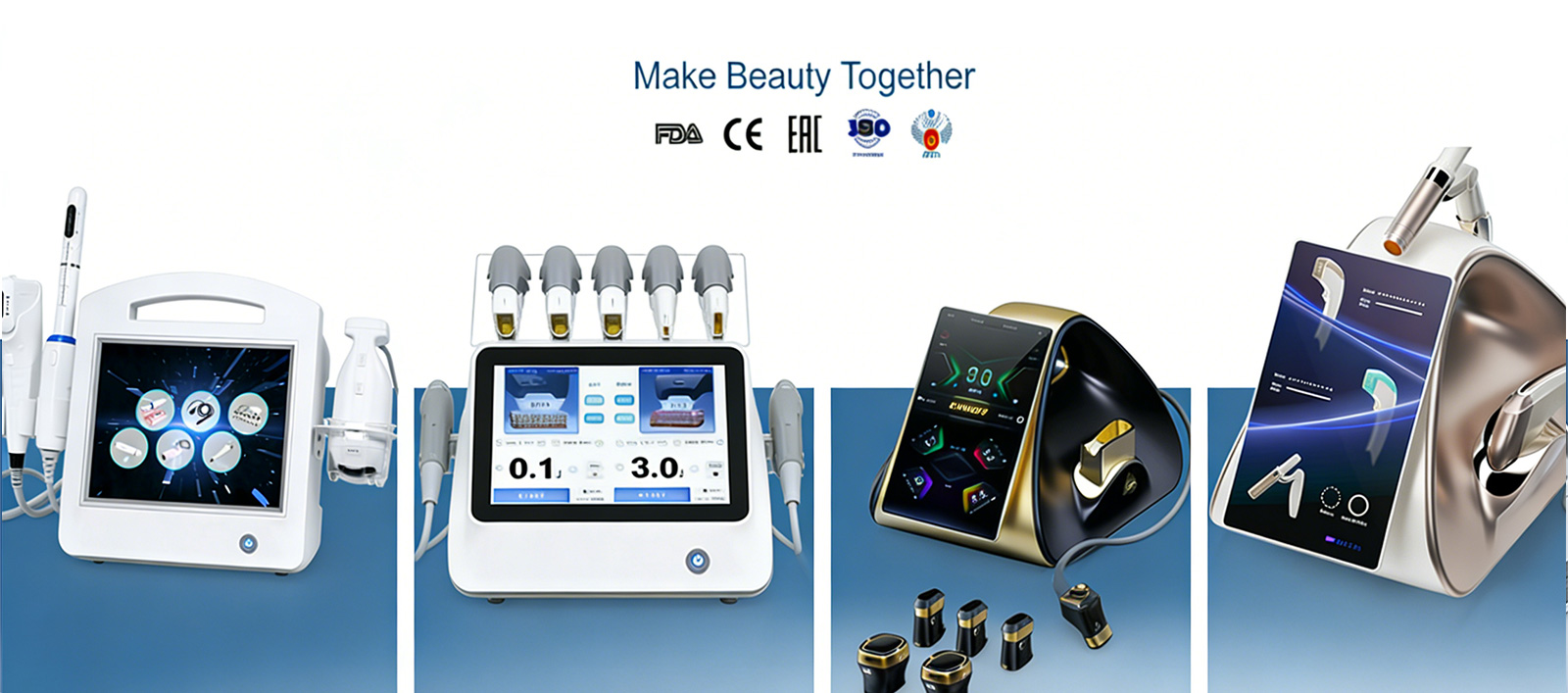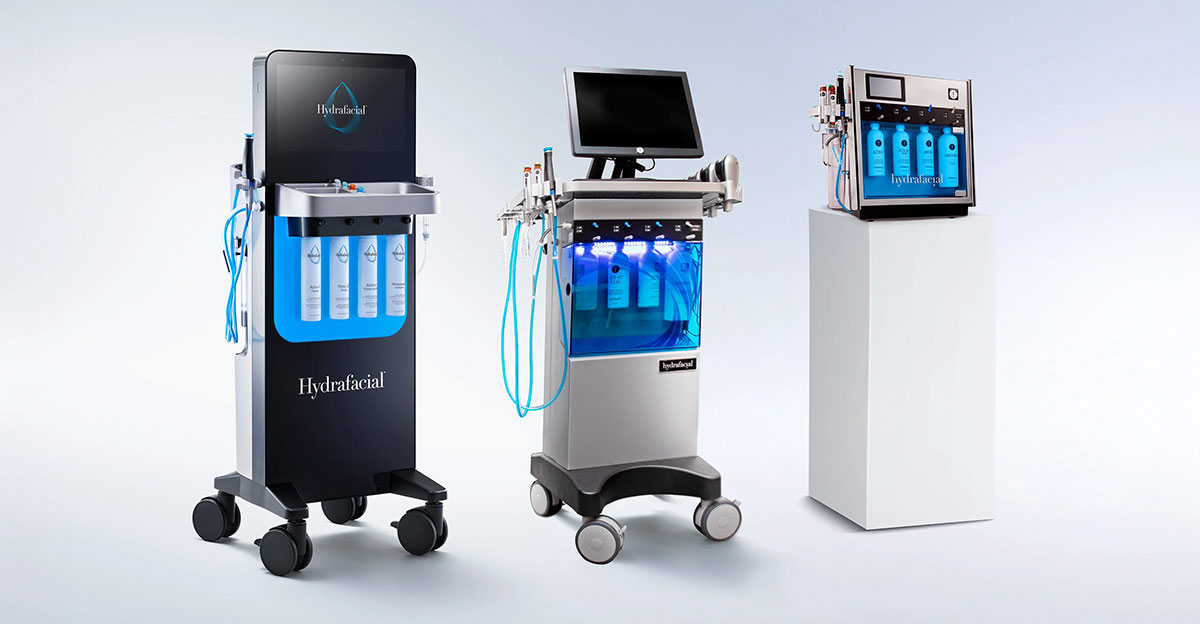


EN $30,000 lasersystemet er kun så effektivt som den person, der betjener det. Det samme gælder for en $5,000 hydrafacial maskine eller en RF hudopstramningsanordning - operatørens dygtighed, viden, og dømmekraft bestemmer det kliniske resultat, ikke selve udstyret.
Alligevel er træning konsekvent underinvesteret i æstetiske klinikker. Personalet uddannes ofte uformelt, på jobbet, af den, der var der før dem. Dette skaber en kaskade af problemer: inkonsistente resultater, højere fejlprocenter, klientens utilfredshed, og øget ansvarseksponering.
Denne guide giver klinikledere og med spa-ejere en struktureret ramme for opbygning af et træningsprogram, der producerer kompetent, trygge operatører - og dokumenterer det på en måde, der beskytter klinikken.
Hvorfor struktureret træning er vigtig
Patientsikkerhed
Misbrug af æstetisk udstyr er en førende årsag til uønskede hændelser i kosmetisk medicin. Forbrændinger, pigmenteringsændringer, ardannelse, og infektioner kan skyldes forkerte energiindstillinger, forkert teknik, eller manglende identifikation af kontraindikationer. Struktureret træning reducerer direkte disse risici.
Konsekvente behandlingsresultater
Kunder forventer samme kvalitet af resultater, uanset om de bliver behandlet af din mest erfarne operatør eller en, der startede i sidste uge. Uden standardiseret uddannelse, konsistens er held, ikke protokol.
Ansvarsbeskyttelse
Hvis der opstår en uønsket hændelse, og operatøren ikke er korrekt uddannet, klinikkens ansvarseksponering stiger markant. Dokumenterede træningsoptegnelser viser, at klinikken tog rimelige skridt for at sikre operatørens kompetence.
Personalefastholdelse og tillid
Korrekt uddannet personale føler sig kompetent, overbevist, og værdsat. Underuddannet personale føler angst, lave flere fejl, og er mere tilbøjelige til at forlade. Training investment correlates with staff retention.
Business Performance
Data supports the business case for training:
- Clinics with structured operator training report 30–40% fewer treatment-related complaints
- Consistent results drive referral business and positive reviews
- Trained operators use consumables more efficiently, reducing waste
Training Components: What Should Be Covered
A complete training program covers three core areas:
1. Device Operation
- Equipment setup and startup: Correct power connection, water/serum loading, system initialization
- Parameter selection: How to set energy levels, puls varighed, suction settings, and other device-specific parameters for each treatment type
- Handpiece technique: Proper grip, angle, movement speed, and overlap pattern for each treatment head
- Behandlingsprotokoller: Step-by-step protocols for each treatment the machine performs
- Consumable management: How to load, replace, and dispose of tips, patroner, and serum bottles
- Machine shutdown: Correct shutdown sequence to protect the system
2. Sikkerhedsprotokoller
- Contraindication screening: Which conditions, medicin, and skin types make a treatment unsafe or inappropriate (f.eks., isotretinoin use, active infections, graviditet, recent waxing)
- Eye protection requirements: When and what type of eye protection is required for specific wavelengths
- Emergency shutoff procedures: Where the emergency stop is and how to use it
- Adverse event response: What to do if a client reports unexpected pain, burning, blærer, or other reactions during or after treatment
- Skin reaction monitoring: What normal vs. abnormal post-treatment skin responses look like
- Fire and electrical safety: Particular to laser and RF devices — ignition risks, electrical hazards from fluid exposure
3. Patient Consultation
- Pre-treatment consultation process: How to conduct a thorough intake consultation — skin assessment, medical history, expectation setting
- Informed consent documentation: What the consent form covers, how to explain it clearly, and when to escalate to a clinical director
- Realistic expectation setting: Explaining what results are achievable, how many sessions are needed, and what downtime to expect
- Post-treatment care instructions: Aftercare guidance for each treatment type — sun exposure, skincare products to avoid, activity restrictions
- Follow-up communication: When and how to check in with clients post-treatment
Training Timeline for New Staff: Onboarding Checklist
Use this timeline to structure onboarding for new equipment operators.
Week 1: Observation
- [ ] Shadow an experienced operator during live treatments (minimum 5 observed sessions)
- [ ] Gennemgå enhedens brugermanual og producentens dokumentation
- [ ] Fuldstændig læsning af alle standarddriftsprocedurer (SOP'er) for enheden
- [ ] Deltag i en facilitetsorientering, der dækker nødprocedurer, placering af sikkerhedsudstyr, og klinikprotokoller
Week 2: Superviseret praksis
- [ ] Betjen enheden under direkte opsyn i 5-10 behandlinger
- [ ] Øv enhedens opsætning, initialisering, og nedlukning under observation
- [ ] Øv parametervalg og justering for forskellige hudtyper
- [ ] Gennemfør falske konsultationer med supervisorfeedback
- [ ] Begynd at dokumentere kontraindikationsscreening
Week 3: Øget uafhængighed
- [ ] Udfør behandlinger med nedsat supervision (supervisor tilgængelig, men ikke hands-on)
- [ ] Håndter i det mindste 3 uafhængige konsultationer
- [ ] Gennemfør et falsk nødscenarierespons
- [ ] Modtag skriftlig feedback fra vejleder om teknik og konsultation
Week 4: Kompetencevurdering
- [ ] Supervisor observes and scores a minimum of 3 independent treatments using the competency assessment form (see below)
- [ ] Pass a written or oral knowledge quiz on contraindications, safety protocols, and device operation
- [ ] Demonstrate correct documentation and informed consent completion
- [ ] Supervisor signs off on competency — operator is cleared for independent operation
Standard onboarding timeline: 4 weeks minimum for a single device. Additional devices each add approximately 1–2 weeks of training time.
Manufacturer-Provided Training vs. In-House Training
Manufacturer-Provided Training
Advantages:
- Product-specific technical knowledge directly from the source
- Often includes certification or continuing education credits
- Liability reassurance — the manufacturer can confirm the operator was trained
- May include troubleshooting and maintenance guidance
Limitations:
- Typically focused on device operation, less on clinical application
- Often a one-time event — no ongoing support
- Travel costs if training is off-site
- Quality varies significantly between manufacturers
Best practice: Use manufacturer training as the foundation, then layer in your clinic’s own protocols, consultation framework, and documentation requirements.
In-House Training
Advantages:
- Customized to your specific client base, behandlingsprotokoller, and clinic workflows
- Ongoing and repeatable — can be refreshed quarterly or after updates
- Reinforces clinic culture, standards, and brand of care
- More cost-effective for ongoing staff development
Limitations:
- Requires an experienced internal trainer who knows the equipment deeply
- Risk of inconsistent training if not formally structured
- If the expert trainer leaves, institutional knowledge walks out the door
Best practice: Develop a formal in-house training curriculum (using this guide as a framework) that is documented and reproducible. Cross-train at least two staff members on each device.
Recommended Approach
- Start with manufacturer training — Get your key staff trained directly by the manufacturer, especially for complex devices (lasers, RF, IPL systemer).
- Build your in-house curriculum — Document your clinic’s specific protocols, SOP'er, and documentation requirements.
- Peer-to-peer extension — Have manufacturer-trained staff train their colleagues using the documented curriculum.
- Annual refresher training — Schedule annual recertification, especially before peak seasons or after any adverse events.
Documentation and Competency Assessment
Documentation is not optional — it is your clinic’s primary risk management tool.
Competency Assessment Form
Use a standardized form to evaluate new operators. Rate each area from 1 (Unsatisfactory) til 5 (Exceeds Expectations).
“`
OPERATOR COMPETENCY ASSESSMENT
Operator Name: ___________________
Device(s) Assessed: ___________________
Dato: ___________________
Assessor: ___________________
SKILL AREA SCORE (1-5) NOTES
Device setup and initialization
Parameter selection for treatment type
Handpiece technique and movement
Treatment protocol compliance
Contraindication screening accuracy
Informed consent process
Post-treatment documentation
Adverse event response knowledge
Emergency shutoff procedure
Overall clinical judgment
TOTAL SCORE: ____/50
Pass threshold: 40/50 (80%)
ASSESSOR SIGNATURE: ___________________ DATE: ___________
OPERATOR SIGNATURE: ___________________ DATE: ___________
“`
A score below 40/50 requires additional supervised practice and reassessment before independent operation.
What to File
- Completed competency assessment forms
- Copies of manufacturer training certificates
- Quiz or test results
- Records of any adverse events or near-misses during the training period
- Signed acknowledgment that the operator has read and understands all SOPs
Ongoing Training and Skill Development
Training doesn’t stop at onboarding.
Quarterly Skills Refreshers
- Review any adverse events or near-misses from the quarter — what happened, what was done, what could be improved
- Update staff on any new treatment protocols, upgraded equipment, or changed documentation requirements
- Run a mock emergency scenario drill once per quarter
- Review updated contraindication information or safety notices from manufacturers
Continuing Education
- Manufacturer webinars, workshops, and certification programs
- Industry conferences (f.eks., ASLMS — American Society for Laser Medicine and Surgery)
- Online CE courses in aesthetic medicine, skin science, and device operation
- Clinical journal clubs — review recent literature on device efficacy and safety
Cross-Training
- Train operators on at least two devices to build operational flexibility
- Cross-training reduces bottleneck when one operator is absent
- Promotes a deeper understanding of how different modalities produce results
Training Records and Compliance
What Must Be Documented
- Device-specific training completion dates
- Competency assessment scores and sign-offs
- Manufacturer training certificates (with expiration dates if applicable)
- Annual refresher training records
- Records of any adverse events involving the operator’s treatments
- Any corrective training or coaching notes
Regulatoriske overvejelser
USA: State regulations may specify training requirements for laser operators. F.eks, many states require a licensed medical director for laser treatments, and the operator must work under that director’s supervision. Know your state’s requirements.
Den Europæiske Union: Under MDR 2017/745, clinics may have obligations to maintain records demonstrating that operators are trained to use devices safely. Requirements vary by device class.
Australien: The TGA regulates medical devices and may require documentation of operator training as part of post-market obligations.
Retention Period
- Keep training records for a minimum of 3 years after the operator leaves the clinic
- For regulated devices, follow your national or state regulatory body’s record retention requirements
- Store records digitally if possible — paper records degrade and can be lost
Common Training Mistakes to Avoid
Mistake 1: “See One, Do One, Teach One” Is Not Enough
Watching one treatment and then performing one treatment does not constitute training. Genuine competency requires repetition, observation of multiple client skin types, and supervised practice across different scenarios.
Mistake 2: No Documentation
Informal training with no records means the clinic has no evidence of due diligence if an adverse event occurs. Documentation is a legal protection and a quality management tool.
Mistake 3: Assuming Experience Equates to Competency
An operator who has used a similar device at a previous clinic still needs your clinic’s specific training. Every device has different protocols, settings, and workflows — and every clinic has different documentation requirements.
Mistake 4: Training Once and Never Revisiting It
Skills decay without reinforcement. Schedule annual refresher training — and make it mandatory.
Mistake 5: No Contraindication Training
This is the most common safety gap. Operators who don’t know when NOT to treat will treat anyway. Contraindication screening should be as thoroughly trained as device operation.
Mistake 6: Skipping Consultation Training
Operators who are technically skilled with the device but poor communicators deliver worse outcomes. Consultation skills, informed consent, and expectation management are as important as any technical skill.
Mistake 7: Not Cross-Training
A single point of failure — one operator who knows one device — creates business continuity risk. Always have at least two trained operators per device.
Staff Training ROI
The return on investment in structured staff training is measurable and significant.
Reduceret fejl og uønskede hændelser
- Korrekt uddannede operatører identificerer kontraindikationer, før behandlingen påbegyndes
- Korrekte parameterindstillinger reducerer forbrændinger, pigmenteringsproblemer, og ineffektive behandlinger
- Estimeret reduktion af behandlingsrelaterede klager: 30–50% med strukturerede træningsprogrammer
Bedre kliniske resultater
- Konsistent teknik giver ensartede resultater på tværs af alle operatører
- Tilfredse kunder genererer flere henvisninger og positive anmeldelser
- Højere fastholdelse af kunder – kunder, der ser ensartede resultater, vender tilbage
Operationel effektivitet
- Uddannede operatører gennemfører behandlinger hurtigere og med mindre spild (forkerte indstillinger, spildte forbrugsstoffer)
- Mindre tid brugt på skadeskontrol fra forebyggelige fejl
- Højere gennemløb med samme antal behandlingsrum
Fastholdelse af personale
- Kompetence skaber selvtillid - tillidsfulde medarbejdere bliver længere
- Professionel udviklingsinvestering signalerer, at du værdsætter dit team
- Udskiftning af en uddannet operatør koster 1-2 gange deres årsløn, når rekrutterings- og onboardingomkostninger er inkluderet
En simpel ROI-beregning
Hvis én forhindret uønsket hændelse sparer klinikken $2.000-$10.000 (ansvarsomkostninger, behandling af skader, tabt forretning, skade på omdømme) og struktureret træning forhindrer selv én begivenhed om året, uddannelsesinvesteringen betaler sig selv mange gange.
Ofte stillede spørgsmål
Q1: Hvor lang tid tager det at uddanne en ny operatør fuldt ud?
EN: Et minimum af 4 uger for en enkelt enhedstype, med struktureret observation, superviseret praksis, og kompetencevurdering. Yderligere enheder tilføjer 1-2 uger hver. Operatører bør ikke udføre uafhængige behandlinger, før kompetencen er formelt vurderet og dokumenteret.
Q2: Do clinic owners need to be trained on every device?
EN: Not necessarily on every device in detail — but clinic owners and managers should understand the basics of operation, safety protocols, and documentation requirements for each device in the clinic. This enables informed supervision and protects the business.
Q3: Can we rely on manufacturer training alone?
EN: Manufacturer training is a solid foundation but not a complete program on its own. It covers device operation well but typically does not include your clinic’s specific protocols, consultation framework, documentation requirements, or workflow. Use manufacturer training as a starting point, then build your in-house curriculum on top of it.
Q4: How often should refresher training be conducted?
EN: Som minimum, annually for each device. More frequently after any adverse event, any equipment upgrade or software update, eller når en ny behandlingsprotokol introduceres. Nogle klinikker afholder kvartalsvise 30-minutters genopfriskningssessioner for at holde færdighederne skarpe.
Q5: Hvad skal vi gøre, hvis en operatør fejler i en kompetencevurdering?
EN: Forlæng den overvågede træningsperiode og giv målrettet coaching på de specifikke områder, hvor de scorede under tærsklen. Ryd dem ikke til uafhængig drift, før de passerer. Dokumenter den supplerende træning og gentesten.
Q6: Hvordan håndterer vi uddannelse, når personalet er lille?
EN: Selv en tomandsklinik har gavn af struktureret træning. Brug denne guide som din ramme. Cross-train begge operatører på alle enheder, så klinikken kan fortsætte driften, når én person er fraværende. Tidsinvesteringen er lille i forhold til den ansvarsbeskyttelse, den giver.
Q7: Er online træning tilstrækkeligt til udstyrscertificering?
EN: Online træning er et godt supplement til teori og viden - især fabrikantens e-læringsmoduler. Men det bør parres med personligt, overvågede praktiske sessioner, før en operatør bliver godkendt til selvstændigt arbejde. Ren online træning uden praktisk superviseret praksis er utilstrækkelig til æstetisk betjening af udstyr.
Oversigt: Tjekliste til træningsprogram
- [ ] Definer træningskrav for hver enhed i din klinik
- [ ] Få producentuddannelse for nøglemedarbejdere på komplekse enheder
- [ ] Byg et internt uddannelsespensum med SOP'er og dokumentationskrav
- [ ] Implementer den 4-ugers onboarding-tidslinje med superviseret praksis
- [ ] Brug et standardiseret kompetencevurderingsskema ved afslutningen af onboarding
- [ ] Dokumenter al træning - ingen undtagelser
- [ ] Planlæg kvartalsvise genopfriskningstræningssessioner
- [ ] Cross-train at least two operators per device
- [ ] Require annual recertification for all operators
- [ ] Track training records for 3+ years post operator departure
UangelCare supports clinic operators with detailed user documentation and can connect buyers with training resources for specific devices. Browse our aesthetic equipment categories to explore machines that come with documented quality management and training support, or contact our team directly for device-specific guidance.
This guide provides a general framework for aesthetic equipment staff training. Clinic operators should comply with all applicable local, state, and national regulations governing medical device operation, licensure, and supervision requirements in their jurisdiction.