

Einführung
Die Wahl des richtigen Herstellungsmodells ist eine der folgenreichsten Entscheidungen, die ein Inhaber einer Beauty-Marke treffen wird. Machen Sie es richtig, und Sie haben eine skalierbare, kosteneffiziente Lieferkette. Verstehen Sie es falsch, und es kommt zu Produktionsverzögerungen, Qualitätsinkonsistenzen, und Margenerosion, die Ihre gesamte Markteinführung zum Scheitern bringen kann.
Die beiden dominierenden Modelle in der Branche der ästhetischen Geräte sind OEM (Herstellung von Erstausrüstung) Und ODM (Original-Design-Herstellung). Beide sind in China – dem weltweit größten Zentrum für die Produktion von Schönheitsmaschinen – weit verbreitet, dienen jedoch grundlegend unterschiedlichen Geschäftsanforderungen.
In dieser Anleitung werden beide Modelle Schritt für Schritt aufgeschlüsselt, So können Sie eine fundierte Entscheidung treffen, die auf Ihre Markenstrategie abgestimmt ist, Budget, und Zeitleiste.
Was ist OEM-Fertigung??
OEM (Herstellung von Erstausrüstung) bedeutet, dass Sie Ihr eigenes Design in die Fabrik bringen. Der Hersteller baut das Produkt genau nach Ihren Vorgaben.
Für wen OEM ist:
- Marken mit vorhandenen Fähigkeiten im Bereich Ingenieurswesen oder Industriedesign
- Unternehmen, die Patente oder proprietäre Technologien besitzen
- Unternehmen, die auf sehr spezifische Anwendungsfälle oder Nischenmärkte abzielen
Hauptmerkmale:
- Sie besitzen das geistige Eigentum (IP)
- Sie bestimmen das Design, Komponenten, und Spezifikationen
- Höhere Vorabinvestitionen, aber bessere langfristige Kontrolle
- Erfordert normalerweise längere Vorlaufzeiten (Konzept bis zur Lieferung: 9–18 Monate)
In der Praxis: Sie entwerfen das Chassis, das UI-Panel, das Kühlsystem, und die Firmware. Sie senden Ihre CAD-Dateien an das Werk, technische Zeichnungen, und ein detailliertes Produktspezifikationsblatt. Die Fabrik fertigt nach Ihren genauen Standards und versendet unter Ihrem Markennamen.
Was ist ODM-Fertigung??
ODM (Original-Design-Herstellung) bedeutet, dass die Fabrik bereits über ein bewährtes Produktdesign verfügt. Sie wählen aus vorhandenen Modellen aus und passen das Branding und kleinere Funktionen an – aber Sie beginnen nicht bei Null.
Für wen ist ODM?:
- Erstmalige Markeninhaber betreten den Markt
- Vertriebshändler führen eine Eigenmarkenlinie ein
- Unternehmen, die eine schnellere Markteinführung benötigen (3–6 Monate)
- Teams ohne interne Engineering- oder Hardware-Design-Ressourcen
Hauptmerkmale:
- Die Fabrik besitzt die Basisdesign-IP (Sie besitzen das Branding)
- Schnellere Startzeitleiste
- Geringere Vorabinvestitionen
- Begrenzte Anpassungsmöglichkeiten im Vergleich zum OEM
- Höhere Stückkosten im großen Maßstab aufgrund gemeinsam genutzter Werkzeuge
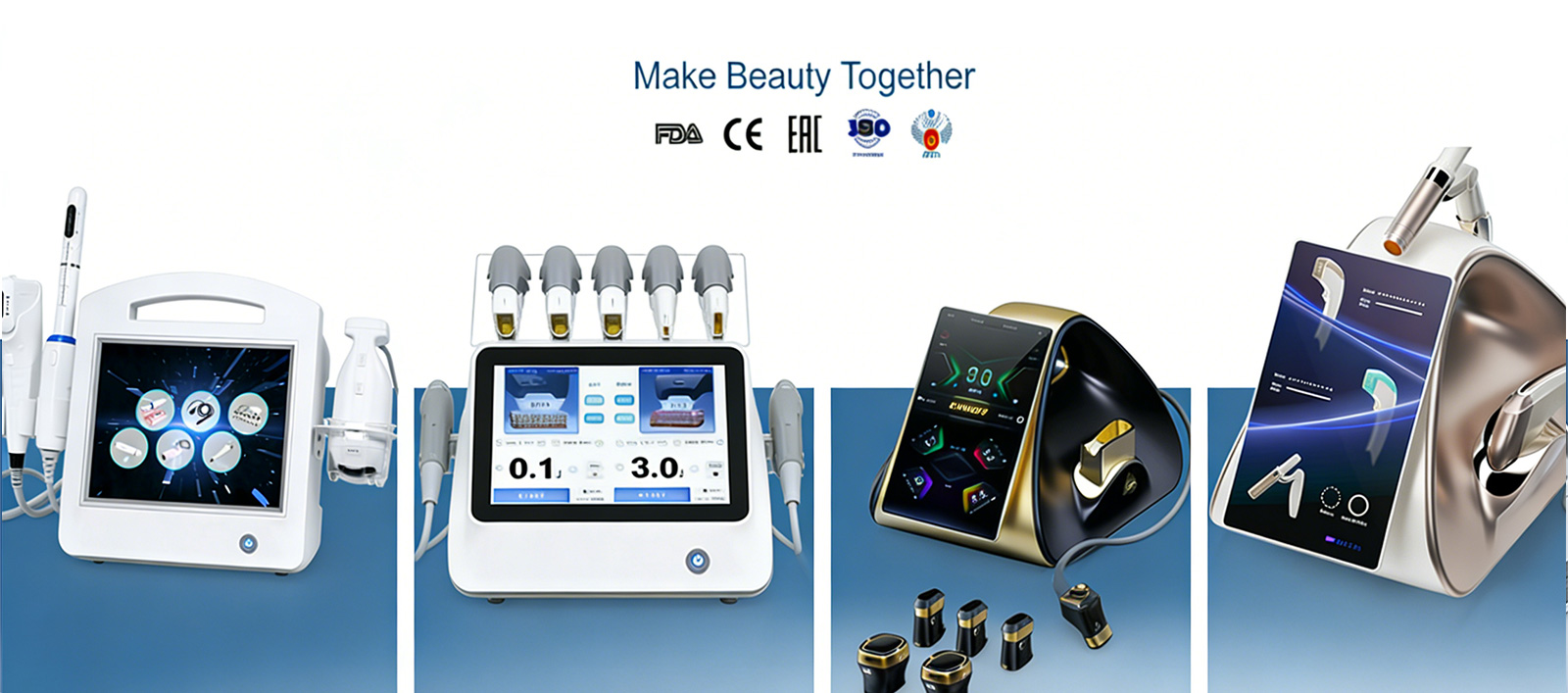
In der Praxis: Sie durchsuchen den Katalog einer Fabrik mit bewährten Maschinen – Kryolipolyse-Systemen, HF-Geräte, HIFU-Maschinen. Sie wählen ein Basismodell, Fügen Sie Ihr Logo hinzu, Wählen Sie Ihr Farbschema, und vielleicht Grifftypen oder Bildschirmgrößen anpassen. Die Fabrik kümmert sich um die Technik, Prototyping, und Massenproduktion.
Vergleichstabelle OEM vs. ODM
| Faktor | OEM-Fertigung | ODM-Fertigung |
|---|---|---|
| Design-Eigentum | Du | Fabrik (Sie besitzen das Branding) |
| Vorabinvestition | Hoch ($50K$300.000+) | Niedrig ($530.000 K$) |
| Mindestbestellmenge (Mindestbestellmenge) | Typischerweise 5–50 Einheiten | Typischerweise 1–10 Einheiten |
| Zeit zur Markteinführung | 9–18 Monate | 3–6 Monate |
| Anpassungsebene | Voll (bilden, Funktion, Firmware) | Beschränkt (Branding, Farbe, Zubehör) |
| Komponentenkontrolle | Sie geben alle Teile an | Fabrik verwendet Standardkomponenten |
| Stückkosten im Maßstab | Untere (höheres Volumen = geringere Kosten) | Höher (gemeinsame Werkzeugabschreibung) |
| IP-Risiko | Untere (Sie besitzen das Design) | Höher (Design mit Wettbewerbern geteilt) |
| Qualitätskontrolle | Komplexer, aber ganz in Deiner Hand | Einfacher, aber weniger Einblick in das Innere |
| Geeignet für | Etablierte Marken, Innovatoren | Markteinsteiger, Private-Label-Händler |
Schritt-für-Schritt-OEM-Prozess
Schritt 1: Konzeptentwicklung
- Definieren Sie Ihre Produktvision, Zielmarkt, und klinischer Anwendungsfall
- Entwickeln Sie vorläufige Spezifikationen: Körperbereiche behandelt, Technologieplattform, Leistungsabgabe, Kühlbereich
- Erstellen Sie erste Skizzen oder 3D-Renderings
- Lieferbar: Produktkonzeptdokument
Schritt 2: Ingenieurwesen und Industriedesign
- Arbeiten Sie mit einem Industriedesign-Unternehmen oder Ihrem internen Team zusammen
- Finalisieren Sie das mechanische Design (Chassis, Ergonomie, Griffgeometrie)
- Entwickeln Sie elektrische und elektronische Architektur (Leiterplatten, Steuerungssysteme, zeigt an)
- Entwerfen Sie eine Firmware-Architektur (Behandlungsmodi, Sicherheitsverriegelungen, Datenprotokollierung)
- Lieferbar: Komplettes technisches Paket (CAD-Dateien, Schaltpläne, Stückliste)
Schritt 3: Lieferanten- und Fabrikauswahl
- Hersteller recherchieren und in die engere Auswahl nehmen (China: Guangdong, Zhejiang, Die Provinzen Jiangsu sind wichtige Knotenpunkte)
- Fordern Sie Angebote von 5–10 Fabriken an
- Auswerten: ISO 13485 Zertifizierung, Exporterfahrung, Produktionskapazität, Kommunikationsqualität
- Fordern Sie Werksaudits an (Persönlich oder per Video)
- NCNDA aushandeln (Geheimhaltungsvereinbarung) bevor Sie die IP teilen
- Lieferbar: Unterzeichnete NDA + Werksauswahl
Schritt 4: Prototypenentwicklung (1–3 Monate)
- Fabrik produziert erste Prototypen (typischerweise 1–5 Einheiten)
- Sie testen Prototypen auf ihre Leistung, Ergonomie, und Sicherheit
- Iterieren Sie basierend auf den Erkenntnissen (erwarten Sie 2–4 Revisionsrunden)
- Führen Sie interne Sicherheitstests durch (elektrische Sicherheit, mechanische Stabilität)
- Lieferbar: Genehmigtes Prototypmuster
Schritt 5: Sicherheits- und behördliche Prüfungen
- Auftragsprüfungen in akkreditierten Labors (TÜV, SGS, Intertek, oder BSI)
- Zu den erforderlichen Tests gehören normalerweise:: elektrische Sicherheit (IEC 60601-1), elektromagnetische Verträglichkeit (EMV, IEC 60601-1-2), und relevante Leistungsstandards
- Für Märkte: FDA-Registrierung (UNS), CE-Kennzeichnung (EU), NMPA-Zulassung (China)
- Lieferbar: Prüfberichte und Zertifikate
Schritt 6: Produktionsaufbau und Pilotlauf
- Die Fabrik bereitet Werkzeuge und Produktionslinie vor
- Pilotlauf: Produzieren Sie 10–50 Einheiten, um Massenproduktionsprozesse zu validieren
- Führen Sie eine Qualitätsprüfung anhand Ihrer Spezifikation durch
- Beheben Sie alle Produktionsprobleme vor der Skalierung
- Lieferbar: Genehmigung einer Pilotcharge
Schritt 7: Massenproduktion
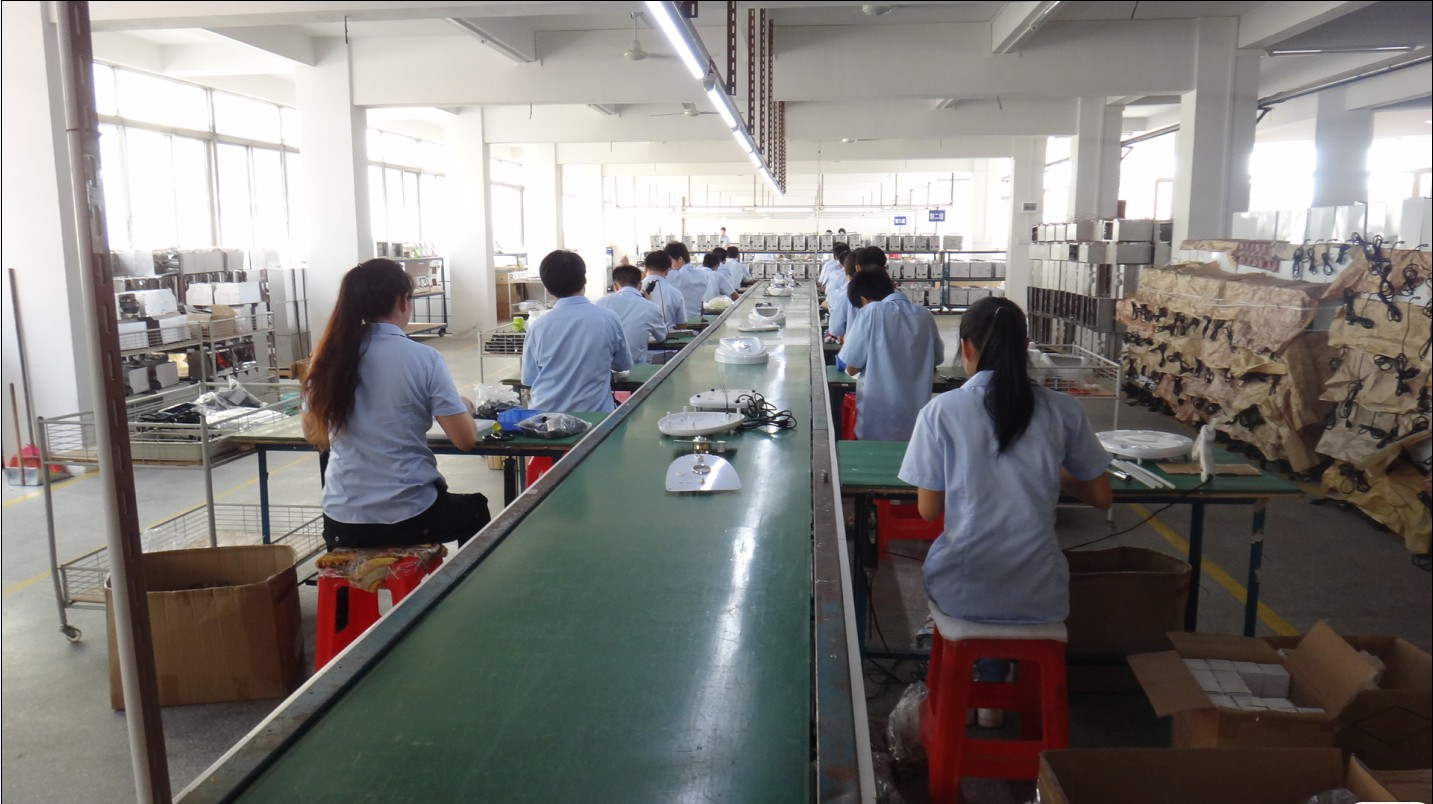
- Das Werk stellt Einheiten nach genehmigten Spezifikationen her
- Implementieren Sie Kontrollpunkte zur Qualitätskontrolle (Eingangskontrolle, In-Prozess-Qualitätskontrolle, Prüfung der Fertigwaren)
- Führen Sie eine Inspektion vor dem Versand durch (PSI)
- Ordnen Sie Verpackung und Etikettierung entsprechend den Anforderungen des Zielmarkts an
- Lieferbar: Versandfertige Ware
Schritt 8: Logistik und Lieferung
- Versand organisieren (Seefracht oder Luftfracht – sehen Sie sich unsere an Importführer für Einzelheiten)
- Der Spediteur wickelt den Exportzoll in China ab
- Importzoll und Abfertigung im Zielland
- Endgültige Lieferung an Lager oder Klinik
Schritt-für-Schritt-ODM-Prozess
Schritt 1: Marktforschung und Modellauswahl
- Identifizieren Sie Ihren Zielmarkt und Ihre klinischen Anwendungen
- Durchsuchen Sie Fabrikkataloge (Kryolipolyse, RF, HIFU, Laser, Kavitation)
- Fordern Sie Produktdemos an (physische Proben oder Videodemonstrationen)
- Bewerten Sie Technologieplattformen, Behandlungsparameter, und klinische Ergebnisse
- Lieferbar: Ausgewähltes Basismodell
Schritt 2: Definition des Anpassungsbereichs
- Definieren Sie Branding-Anforderungen: Logo, Markenfarben, Verpackungsdesign
- Wählen Sie optionale Funktionen aus (Grifftypen, Bildschirmgröße, Sprachoptionen)
- Wählen Sie Zubehör und Verbrauchsmaterialien (Behandlungsbecher, Gelpads, Tipps)
- Finalisieren Sie das Farbschema und die ästhetischen Elemente
- Lieferbar: Spezifikationsblatt zur kundenspezifischen Anpassung
Schritt 3: Beispielbewertung
- Die Fabrik produziert Markenmustereinheiten zur Genehmigung
- Testen Sie die körperliche Qualität, Branding-Genauigkeit, und betriebliche Leistung
- Überprüfen Sie die Platzierung des Logos, Verpackungsdesign, und Inhalt des Benutzerhandbuchs
- Fordern Sie bei Bedarf Änderungen an (typischerweise 1–2 Runden)
- Lieferbar: Zugelassene Mustereinheit
Schritt 4: Regulatorische Überprüfung
- Bestätigen Sie, dass das Basismodell über die erforderlichen Zertifizierungen für Ihren Zielmarkt verfügt
- Stellen Sie sicher, dass Testberichte übertragbar sind oder mit Ihrem Markennamen aktualisiert werden können
- Veranlassen Sie bei Bedarf Ihre eigenen behördlichen Unterlagen (FDA, CE, usw.)
- Lieferbar: Zertifizierungsdokumentation
Schritt 5: Auftragserteilung und MOQ-Bestätigung
- Stückpreis aushandeln, Zahlungsbedingungen, und Lieferzeitplan
- Bestätigen Sie die Mindestbestellmenge (typischerweise 1–10 Einheiten für ODM)
- Vereinbaren Sie einen Zahlungsplan (gemeinsam: 30% Kaution, 70% vor dem Versand)
- Lieferbar: Auftragsbestätigung + unterzeichneten Vertrag
Schritt 6: Produktion
- Die Fabrik stellt Einheiten mit Ihrem Branding her
- Qualitätskontrolle während und nach der Produktion
- Sie können Fotos oder Videos vom Produktionsfortschritt anfordern
- Lieferbar: Fertigware
Schritt 7: Inspektion vor dem Versand
- Beauftragen Sie ein externes Inspektionsunternehmen (WAS?, Bureau Veritas, SGS) oder persönlich besichtigen
- Verifizieren: Anzahl der Einheiten, Branding-Genauigkeit, Verpackungsintegrität, Vollständigkeit des Zubehörs
- Lieferbar: PSI-Bericht
Schritt 8: Versand und Lieferung
- Logistik organisieren (wie OEM – siehe Importführer für Einzelheiten)
- Zollabfertigung und Endlieferung
So wählen Sie zwischen OEM und ODM
Wählen Sie OEM, wenn:
- Sie verfügen über proprietäre Technologie oder einzigartige klinische Merkmale
- Ihre Volumenprognosen rechtfertigen die Vorabinvestition
- Markendifferenzierung ist eine zentrale Wettbewerbsstrategie
- Sie verfügen über interne oder vertraglich vereinbarte technische Fähigkeiten
- Sie planen, das Produkt über mehrere Generationen hinweg zu iterieren und zu verbessern
Wählen Sie ODM, wenn:
- Sie betreten den Markt zum ersten Mal
- Die schnelle Markteinführung ist Ihr wichtigster Wettbewerbsvorteil
- Ihr Budget ist begrenzt (< $30K im Voraus)
- Sie bauen eine Eigenmarkenmarke auf (Katalogprodukte umbenannt)
- Ihre technischen Anforderungen werden durch bestehende Marktdesigns bestens abgedeckt
Hybrider Ansatz: Viele erfolgreiche Marken beginnen mit ODM, um die Marktnachfrage schnell zu validieren, Dann wechseln sie für ihr Produkt der zweiten Generation zum OEM, sobald die Verkaufsdaten die Investition rechtfertigen.
Wichtige Fragen an Hersteller
Bevor Sie einen Vertrag unterzeichnen, Stellen Sie diese Fragen:
- Über welche Zertifizierungen verfügt Ihre Einrichtung?? (ISO 13485 ist der Goldstandard für die Herstellung medizinischer Geräte)
- Kann ich die Fabrik persönlich oder per Videotour besichtigen?? (Ablehnung ist ein Warnsignal)
- Wie hoch ist Ihre Produktionskapazität pro Monat?? (Stellen Sie sicher, dass sie mit Ihrem Wachstum mitwachsen können)
- Was ist in Ihrem Qualitätskontrollprozess enthalten?? (Fordern Sie ein schriftliches QC-Protokoll an)
- Haben Sie Erfahrung im Exportieren? [Ihr Zielmarkt]? (Verschiedene Märkte haben unterschiedliche regulatorische Anforderungen)
- Wie lauten Ihre Zahlungsbedingungen?? (Standard: 30% Kaution, 70% vor dem Versand)
- Wie lauten Ihre Garantie- und Kundendienstrichtlinien?? (Holen Sie es sich schriftlich)
- Bieten Sie Ersatzteile und Verbrauchsmaterialien an?? (Entscheidend für die langfristige Wartung)
- Können Sie Referenzen von anderen internationalen Marken nennen?? (Verfolgen Sie mindestens zwei davon)
- Wie gehen Sie mit defekten Einheiten um?? (Rückgaberecht, Reparaturzeitplan, Kostenverteilung)
Häufige Fallstricke bei OEM/ODM-Partnerschaften
1. IP-Leck
Risiko: Factory teilt Ihr Design mit Wettbewerbern oder bringt Ihr Produkt unter einer anderen Marke auf den Markt.
Verhütung: Verwenden Sie robuste NDAs, Registrieren Sie Ihre Designpatente sowohl in China als auch in Ihren Zielmärkten, und begrenzen Sie die Anzahl der Fabriken mit vollem Designzugriff.
2. Qualitätsdrift
Risiko: Als Produktionswaage, Die Fabrik spart Abstriche bei Komponenten oder Montageprozessen.
Verhütung: Geben Sie in Ihrem Vertrag die genauen Komponentenquellen an, Führen Sie regelmäßige Werksaudits durch, und führen Sie eine strenge Eingangskontrolle für kritische Komponenten durch.
3. Falsche Erwartungen an Spezifikationen
Risiko: Die Fabrik liefert ein Produkt, das technisch zwar dem Vertrag entspricht, aber nicht Ihren klinischen Anforderungen entspricht.
Verhütung: Seien Sie in Ihren Spezifikationsdokumenten äußerst detailliert. Testen Sie Prototypen ausgiebig. Gehen Sie nicht davon aus “Standard” bedeutet “akzeptabel.”
4. Unterschätzung der Gesamtkosten
Risiko: Der angegebene Preis sieht gut aus, aber Werkzeug, Versand, Testen, und die Regulierungskosten verdoppeln die tatsächliche Investition.
Verhütung: Fordern Sie im Voraus eine vollständige Kostenaufschlüsselung an. Berücksichtigen Sie: Werkzeuggebühren, Testlaborkosten, Gebühren für die behördliche Einreichung, Logistik, Einfuhrzölle, und Währungsschwankungen.
5. Kommunikationslücken
Risiko: Zeitzonenunterschiede, Sprachbarrieren, und kulturelle Fehlkommunikation führen zu kostspieligen Fehlern.
Verhütung: Arbeiten Sie mit Herstellern zusammen, die über engagierte Exportteams verfügen, die fließend Englisch sprechen. Nutzen Sie ausführlich schriftliche Spezifikationen. Planen Sie in kritischen Phasen wöchentliche Video-Check-ins ein.
6. Verstoß gegen die Einhaltung gesetzlicher Vorschriften
Risiko: Das Produkt wird beim Zoll zurückgehalten oder zurückgewiesen, weil die Zertifizierungen fehlen oder falsch sind.
Verhütung: Überprüfen Sie alle erforderlichen Zertifizierungen für Ihren Zielmarkt, bevor Sie Bestellungen aufgeben. Gehen Sie nicht davon aus, dass die CE-Kennzeichnung in China einer US-amerikanischen FDA-Zulassung entspricht.
Warum mit chinesischen Herstellern zusammenarbeiten?
China macht mehr aus 70% der weltweiten Herstellung ästhetischer Geräte. Aus diesem Grund beziehen internationale Marken zunehmend aus China:
Kosteneffizienz: Die Herstellungskosten in China sind in der Regel 40–70 % niedriger als die entsprechende Produktion in Europa oder Nordamerika, ohne Kompromisse bei der Qualität bei der Zusammenarbeit mit den richtigen Partnern.
Reife der Lieferkette: Allein in der Provinz Guangdong gibt es Tausende von Komponentenlieferanten, Dies bedeutet, dass Hersteller die meisten Teile lokal beziehen können, wodurch sich Vorlaufzeiten und Komponentenkosten reduzieren.
Ingenieurtalent: Chinas Schönheitsausrüstungsindustrie hat 20+ Jahrelanges angesammeltes technisches Fachwissen, Viele Fabriken beschäftigen Ingenieure, die zuvor für internationale Marken gearbeitet haben.
Skalierbarkeit: Chinesische Fabriken sind an ODM-Kleinserien gewöhnt (1–5 Einheiten) und groß angelegte OEM-Produktion (1,000+ Einheiten), Geben Sie Marken Flexibilität, während sie wachsen.
Geschwindigkeit: Die Vorlaufzeiten für ODM-Produkte können bis zu kurz sein 3 Monate, im Vergleich zu 12–18 Monaten für eine entsprechende Entwicklung in Europa.
Zertifizierungs-Ökosystem: Führende chinesische Hersteller verfügen über ISO 13485, CE, und haben Erfahrung im Umgang mit der FDA 510(k) und NMPA-Registrierungsverfahren.
UangelCare: Ihr Fertigungspartner
Bei UangelCare, Wir bieten sowohl OEM- als auch ODM-Fertigungsoptionen für ästhetische Geräte an. Unsere Einrichtungen in der Provinz Guangdong verfügen über ISO 13485 Zertifizierung und Export nach 60+ Länder weltweit.
Egal, ob Sie Ihr erstes Private-Label-Produkt auf den Markt bringen oder eine etablierte Marke skalieren, Wir bieten:
- Durchgängige OEM-Entwicklung (vom Konzept bis zur Lieferung)
- Markenbereite ODM-Modelle für alle wichtigen Technologieplattformen
- Volle regulatorische Unterstützung (CE, FDA, NMPA-Dokumentation)
- Qualitätsprüfung und Überprüfung vor dem Versand
- Globale Logistikkoordination
Entdecken Sie unsere Produktkategorien → | Kontaktieren Sie unser Fertigungsteam →
FAQ
Q1: Was ist die Mindestbestellmenge für OEM vs. ODM??
A: OEM-MOQs liegen je nach Komplexität typischerweise zwischen 5 und 50 Einheiten. ODM-MOQs betragen normalerweise 1–10 Einheiten. Beides ist verhandelbar, insbesondere für langfristige Partnerschaftsengagements.
Q2: Wie lange dauert es, eine Beauty-Maschine einer Eigenmarke auf den Markt zu bringen??
A: ODM-Zeitleiste: 3–6 Monate von der Musterfreigabe bis zur Lieferung. OEM-Zeitleiste: 9–18 Monate vom Konzept bis zur Lieferung, Abhängig von der Komplexität des Designs und den gesetzlichen Anforderungen.
Q3: Benötige ich behördliche Zertifizierungen, um Schönheitsgeräte zu importieren??
A: Ja. Die Anforderungen variieren je nach Markt. In den USA ist eine Freigabe bzw. Zulassung durch die FDA erforderlich. Die EU verlangt eine CE-Kennzeichnung. Die meisten Märkte erfordern eine lokale Registrierung. Überprüfen Sie immer die Anforderungen, bevor Sie Bestellungen aufgeben.
Q4: Kann ich die Behandlungsparameter auf ODM-Maschinen anpassen??
A: Die meisten ODM-Fabriken bieten eine begrenzte Parameteranpassung an – typischerweise die Anpassung von Temperaturbereichen, Behandlungstimer, und voreingestellte Programme. Umfassende Anpassung (Firmware, mechanisches Design) erfordert OEM-Engagement.
F5: Wie schütze ich mein geistiges Eigentum, wenn ich mit chinesischen Herstellern zusammenarbeite??
A: Unterzeichnen Sie eine Geheimhaltungsvereinbarung (NCA) bevor Sie Designdateien teilen. Registrieren Sie Ihre Designpatente in China über CNIPA und in Ihren Zielmärkten. Beschränken Sie den Zugriff auf Designdateien auf wichtige Mitarbeiter. Arbeiten Sie mit Herstellern zusammen, die nachweislich geistiges Eigentum respektieren.
F6: Welche Zahlungsbedingungen sind bei der Herstellung von Schönheitsgeräten Standard??
A: Standardbedingungen sind 30% Anzahlung bei Auftragsbestätigung und 70% Restzahlung vor dem Versand. Für Erstbestellungen, einige Fabriken erfordern 50% Kaution. Treuhanddienste (über Alibaba Trade Assurance oder ähnliches) werden für neue Partnerschaften empfohlen.
F7: Lohnt es sich, chinesische Fabriken persönlich zu besuchen??
A: Sehr empfehlenswert – insbesondere für OEM-Partnerschaften. Persönliche Besuche offenbaren den Fabrikzustand, Personalkompetenz, und Managementqualität, die Fernkommunikation nicht bieten kann. Wenn möglich, planen Sie eine Woche für eine Werksauditreise ein.
Weitere Einblicke in die Fertigung, Entdecken Sie unsere Produktkatalog oder Kontaktieren Sie unser Team für eine Beratung.