

Jeg tror, at en af de nemmeste fejl, købere begår, er at behandle eftersalgssupport som en bonusfunktion i stedet for en kernedel af købsbeslutningen.
På papiret, mange skønhedsmaskiner kan ligne hinanden. Behandlingskategorierne lyder bekendte. Skærmene ser polerede ud. Håndstykkerne ser avancerede ud. Men når først maskinen kommer, den daglige virkelighed begynder at betyde mere end salgssprog. En klinik kan have brug for hjælp til installation, operatøruddannelse, opretholdelse, reservedele, softwareproblemer, eller fejldiagnose. Det er normalt, når den reelle forskel mellem producenterne bliver tydelig.
Til klinikker, medspas, æstetiske distributører, og nystartede købere, et mere brugbart spørgsmål er ikke bare, "Hvilken maskine kan dette firma sælge mig?"Det er, "Hvilken slags support vil jeg stadig have, efter at maskinen er installeret?”
Det spørgsmål er vigtigt, fordi FDA siger korrekt vedligeholdelse, reparation, og service er afgørende for at opretholde sikkerheden, effektiv, og pålidelig enhedsydelse, og WHO-vejledning behandler installation og vedligeholdelse som centrale dele af udstyrs livscyklusstyring snarere end valgfrit ekstraudstyr.
Hvorfor eftersalgssupport betyder mere, end mange købere forventer
En skønhedsmaskine skaber ikke værdi, blot fordi den blev leveret med succes. Det skaber værdi, når det kan fortsætte med at fungere konsekvent i et rigtigt klinikmiljø.
Det betyder, at maskinen skal installeres korrekt, forstået af personalet, holdes efter planen, understøttet med reservedele, og støttet af en producent, der reagerer tydeligt, når der opstår problemer. WHO-materialer om sundhedsteknologiledelse beskriver planlægning, udvælgelse, indkøb, installation, og vedligeholdelse som forbundne dele af ét system, ikke separate stadier.
Når eftersalgssupporten er svag, problemerne viser sig normalt på velkendte måder:
- forsinkede behandlinger
- forvirrede operatører
- stigende vedligeholdelsesomkostninger
- undgåelig nedetid
- inkonsistente behandlingsresultater
- dårlig kundeoplevelse
Dette er grunden til, at erfarne købere ofte sammenligner servicestruktur næsten lige så omhyggeligt, som de sammenligner enhedsfunktioner.
Hvad god eftersalgssupport bør omfatte
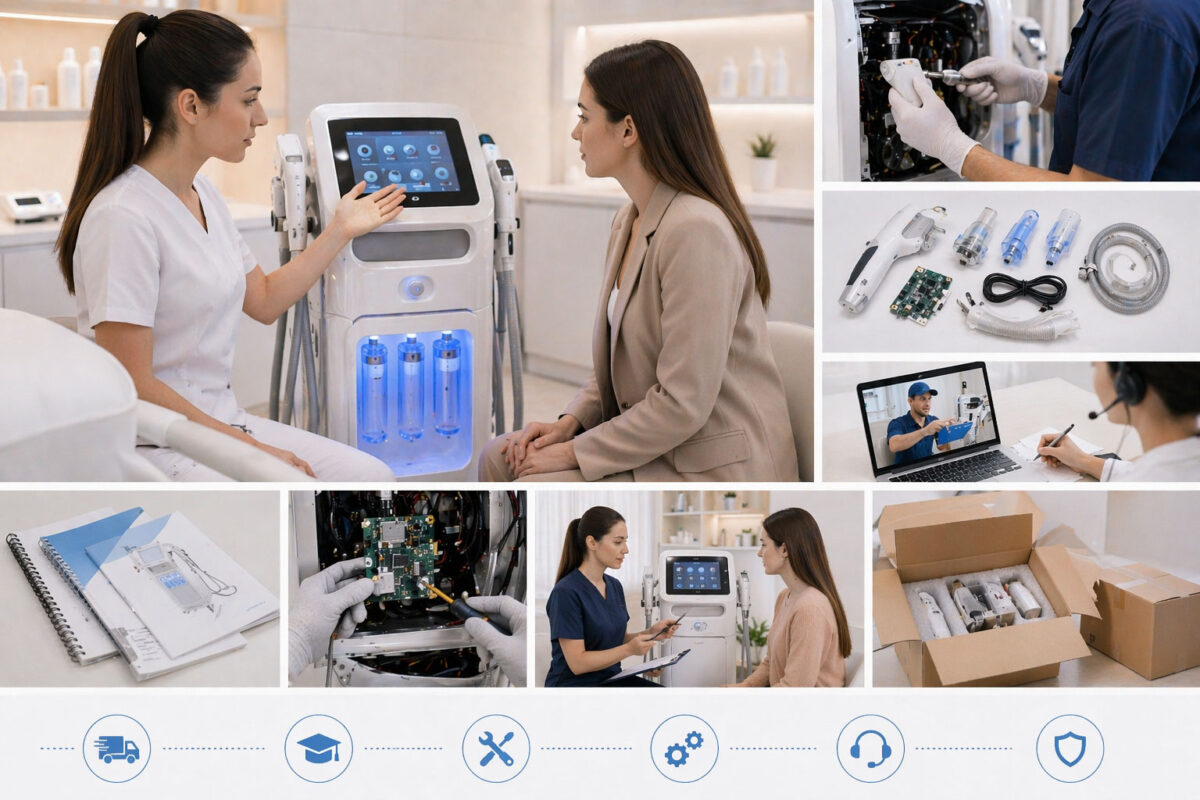
1. Vejledning før installation
Stærk støtte bør begynde, før maskinen nogensinde tændes.
En alvorlig skønhedsmaskine producent skal kunne fortælle køber, hvad der skal forberedes på forhånd, herunder rumplanlægning, elektriske krav, ventilation, adgang til vand, hvis det er relevant, forbrugsvarer, og udpaknings- eller accepttrin. WHO's rammer for sundhedsteknologistyring inkluderer eksplicit installation som en del af korrekt udstyrsstyring.
En køber skal normalt forvente:
- vejledning til forberedelse af stedet
- tjekliste for installation
- forsendelses- og udpakningsvejledning
- opsætningsbekræftelse
- grundlæggende accepttest efter ankomst
Hvis en producent ikke kan forklare opsætningskravene klart før levering, det er normalt ikke et godt tegn.
2. Operatøruddannelse
Træning er en af de vigtigste dele af support efter salg, især når klinikken tilføjer en ny behandlingskategori eller ansætter nyt personale.
WHO's politikmateriale bemærker, at der bør tilbydes brugertræning for sofistikerede enheder, at der også skal gives vedligeholdelsestræning, og at omskoling eller genopfriskningskurser bør gennemføres med jævne mellemrum.
Det betyder, at en køber med rimelighed bør forvente:
- indledende operatøruddannelse
- vejledning i behandlingsforløb
- bevidsthed om sikkerhed og kontraindikationer
- rengørings- og daglige plejeanvisninger
- genopfriskningstræning
- træningsstøtte til nye medarbejdere ved behov
Til klinikker, dette har betydning, fordi personaleudskiftning er almindelig. En maskine, der er afhængig af uformelle forklaringer fra én sælger, er ikke understøttet af et rigtigt supportsystem.
3. Manualer og dokumentation
En klinik skal ikke blive ved med at bede om grundlæggende driftsdokumenter efter betaling.
God eftersalgssupport bør omfatte de nødvendige dokumenter for at betjene og vedligeholde maskinen korrekt. WHO-brugervejledningsmaterialer understreger den rolle, teknisk information spiller i at hjælpe teknikere og sundhedsledere med at bruge og administrere udstyr korrekt.
Nyttig dokumentation kan omfatte:
- brugermanual
- vedligeholdelsesplan
- rengøringsvejledning
- fejlfindingsvejledning
- reservedelsliste
- liste over forbrugsstoffer
- garantibetingelser
- relevante overensstemmelses- eller regulatoriske dokumenter for målmarkedet
Denne form for dokumentation er ikke kun papirarbejde. Det har direkte indflydelse på, om maskinen kan køres konsekvent og sikkert.
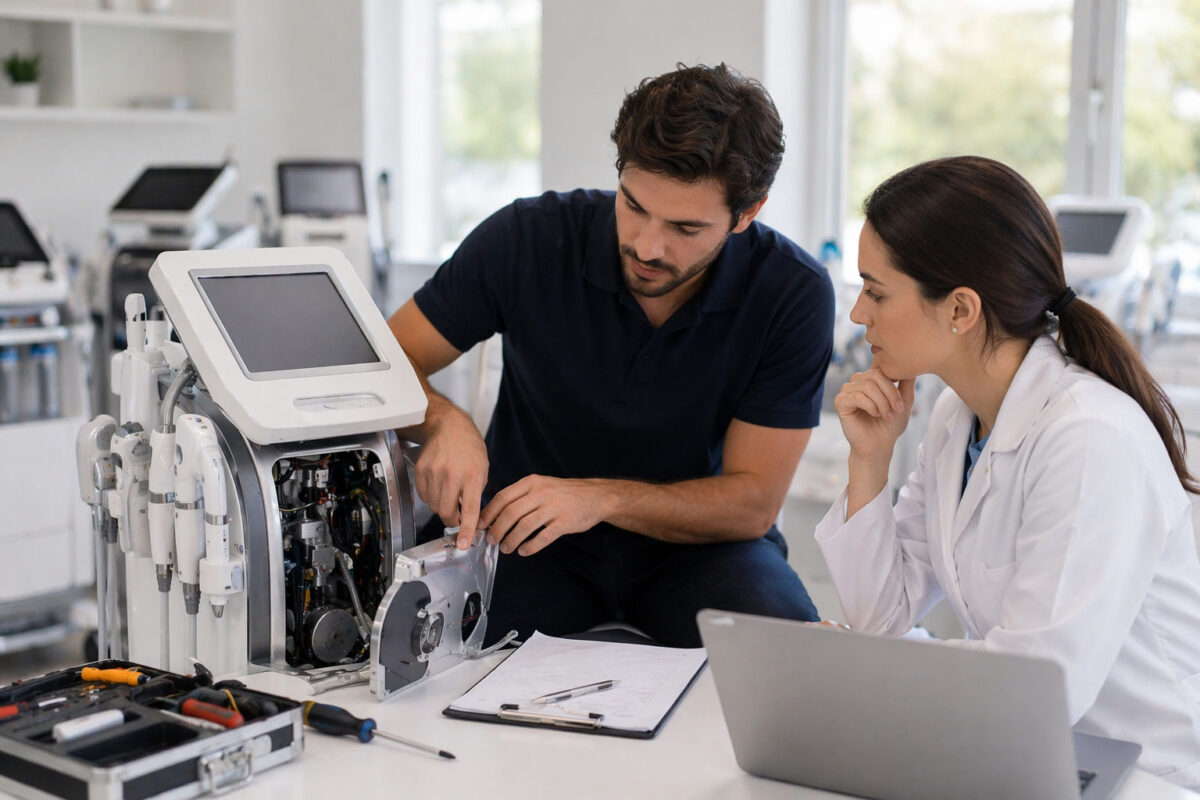
4. Forebyggende vedligeholdelse og servicering
En af de tydeligste forskelle mellem svage og stærke producenter er, om de først taler om vedligeholdelse, når noget går i stykker.
FDA oplyser, at korrekt vedligeholdelse, reparation, og service er afgørende for at opretholde sikkerheden, effektiv, og pålidelig ydeevne.
En klinik bør forvente, at producenten leverer:
- anbefalede vedligeholdelsesintervaller
- daglig, ugentlig, og månedlige plejetrin
- vejledning om forebyggende vedligeholdelse
- kalibreringsvejledning, hvor det er relevant
- fjerndiagnosestøtte, hvis det er muligt
- klare grænser mellem problemer, der kan betjenes af brugeren, og problemer, der kun er teknikere
En maskine, der først får opmærksomhed efter en fejl opstår, understøttes reaktivt, ikke fagligt.
5. Adgang til reservedele og forbrugsstoffer
En skønhedsmaskine er kun så nyttig som producentens evne til at holde den kørende.
I rigtig klinikdrift, et manglende filter, tip, håndtag, kabel, eller intern komponent kan afbryde behandlinger med det samme. Derfor bør købere spørge om reservedele, før de bestiller, ikke efter en fiasko.
Hvad en køber bør ønske at vide:
- hvilke dele slides først
- hvilke forbrugsstoffer der kræves regelmæssigt
- gennemløbstider for reservedele
- om der findes regional bestand
- hvordan genbestillinger håndteres
- om der kun skal bruges godkendt tilbehør
For udenlandske købere, dette punkt bliver endnu vigtigere, fordi forsendelsesforsinkelser hurtigt kan gøre et lille problem til et større forretningsproblem.
6. Fjernfejlfinding og teknisk respons
De fleste klinikker forventer ikke perfektion. De forventer klarhed og respons.
Når en maskine viser en fejl, mister stabilt output, eller opfører sig uventet, det første behov er normalt fjerndiagnosticering og et klart næste skridt. FDA's klage- og rapporteringsramme viser, hvorfor struktureret håndtering af enhedsproblemer er vigtige: fabrikanter forventes at vedligeholde procedurer og filer for enhedsrelaterede klager og begivenheder.
En bedre producent burde kunne tilbyde:
- fjern fejldiagnose
- video eller guidet fejlfinding
- svarforventninger til tekniske problemer
- eskaleringsvej for uafklarede fejl
- dokumentation af servicehandlinger
Et tilfældigt løfte som "bare besked til os, hvis der er et problem" er ikke det samme som en organiseret supportproces.
7. Behandling af klage
Dette er en af de mest oversete dele af eftersalgssupport, indtil der opstår et alvorligt problem.
Hvis en klinik rapporterer unormal behandlingsadfærd, gentagen funktionsfejl, formodede sikkerhedsproblemer, eller en enhedsrelateret hændelse, producenten skal have en formel måde at modtage, vurdere, og dokumentere klagen. FDA-materialer forklarer, at klagefiler og rapportering af enhedshændelser er en del af postmarket-systemet, der bruges til at overvåge enhedens ydeevne og sikkerhedsproblemer.
I praksis, det betyder, at en køber bør forvente:
- formel klageindtagelse
- udstede dokumentation
- undersøgelsesproces
- feedback, når resultaterne er tilgængelige
- korrigerende handling eller erstatningsvej, hvor det er berettiget
Dette beskytter klinikken, slutbrugeren, og producenten selv.
8. Softwareopdateringer og cybersikkerhedssupport
Efterhånden som skønhedsmaskiner bliver mere softwaredrevne, eftersalgssupport bør også omfatte opdateringssupport.
IMDRF-vejledning om ældre medicinsk udstyr forklarer, at cybersikkerhed er et fælles ansvar, og at understøttede enheder kan kræve softwarerettelser, opdateringer, og tilhørende support som en del af post-market management.
Til maskiner med digitale grænseflader eller tilsluttede funktioner, købere bør spørge om:
- meddelelser om softwareopdatering
- patch support
- versionssporing
- opdatere timing vejledning
- understøttelse af softwarerelaterede fejl
Dette er især relevant for nyere generations enheder, der i højere grad er afhængige af software-kontrollerede behandlingsgrænseflader.
9. Ryd garantibetingelser
Garantien skal være specifik, ikke vagt.
En god garantistruktur bør forklare:
- garantiperiode
- dækkede dele
- om arbejdskraft er inkluderet
- hvad der tæller som misbrug
- der betaler fragt for erstatninger
- hvad ugyldiggør dækning
- hvordan krav behandles
Den praktiske pointe er enkel: køberen bør vide, hvad der sker, hvis maskinen udvikler et problem måneder efter installationen.
10. Løbende kommerciel support
Ikke alle købere har brug for dette, men det kan stadig have betydning.
Nogle producenter understøtter ikke kun den tekniske side, men også klinikkens mulighed for at bruge maskinen kommercielt. Afhængig af virksomheden, der kan omfatte:
- vejledning i behandlingsprotokol
- rådgivning om forbrugsvarer
- marketing visuals
- distributør træningsmateriale
- støtte til fremtidig udstyrsudvidelse
Dette er ikke vigtigere end sikkerhed, uddannelse, eller servicesvar, men det kan stadig forbedre køberoplevelsen, især til nyere klinikker.
Hvorfor dette betyder endnu mere for avancerede æstetiske enheder
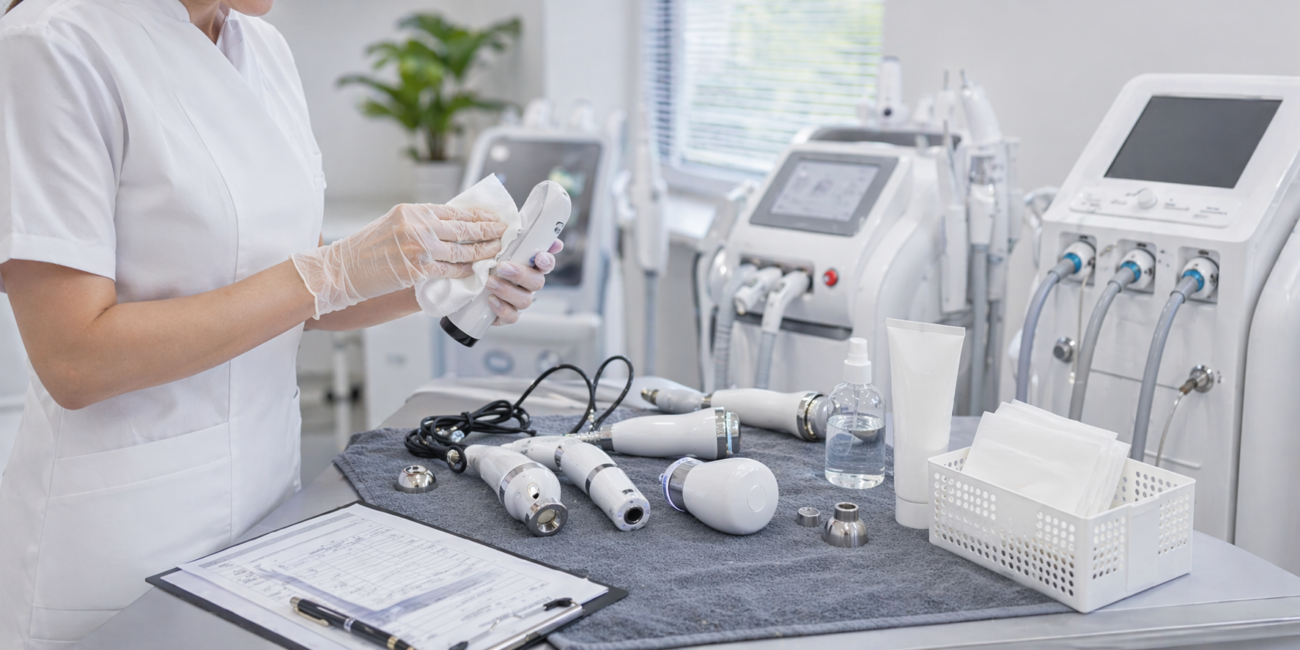
Behovet for stærk eftersalgssupport bliver endnu vigtigere, når enhedskategorien er mere kompleks.
Det inkluderer kategorier såsom RF microneedling, lasersystemer, og andre æstetiske platforme med højere risiko. F.eks, FDA udsendte sent en sikkerhedsmeddelelse 2025 advarsel om alvorlige komplikationer rapporteret ved visse anvendelser af RF-mikronålingsenheder, inklusive forbrændinger, ardannelse, fedttab, vansiring, og nerveskader. Når sådanne risici dukker op, support efter salg er ikke kun en bekvemmelighed. Det bliver en del af ansvarlig styring af enhedens livscyklus.
Derfor bør klinikker anvende en højere standard, når de evaluerer support efter salg til avanceret udstyr.
En skønhedsmaskineproducent, der er værd at overveje
Hvis du stadig sammenligner skønhedsmaskineproducenter, det kan være nyttigt at se ud over selve maskinlisten og være opmærksom på, om virksomheden ser ud til at være indstillet på længerevarende udstyrssupport.
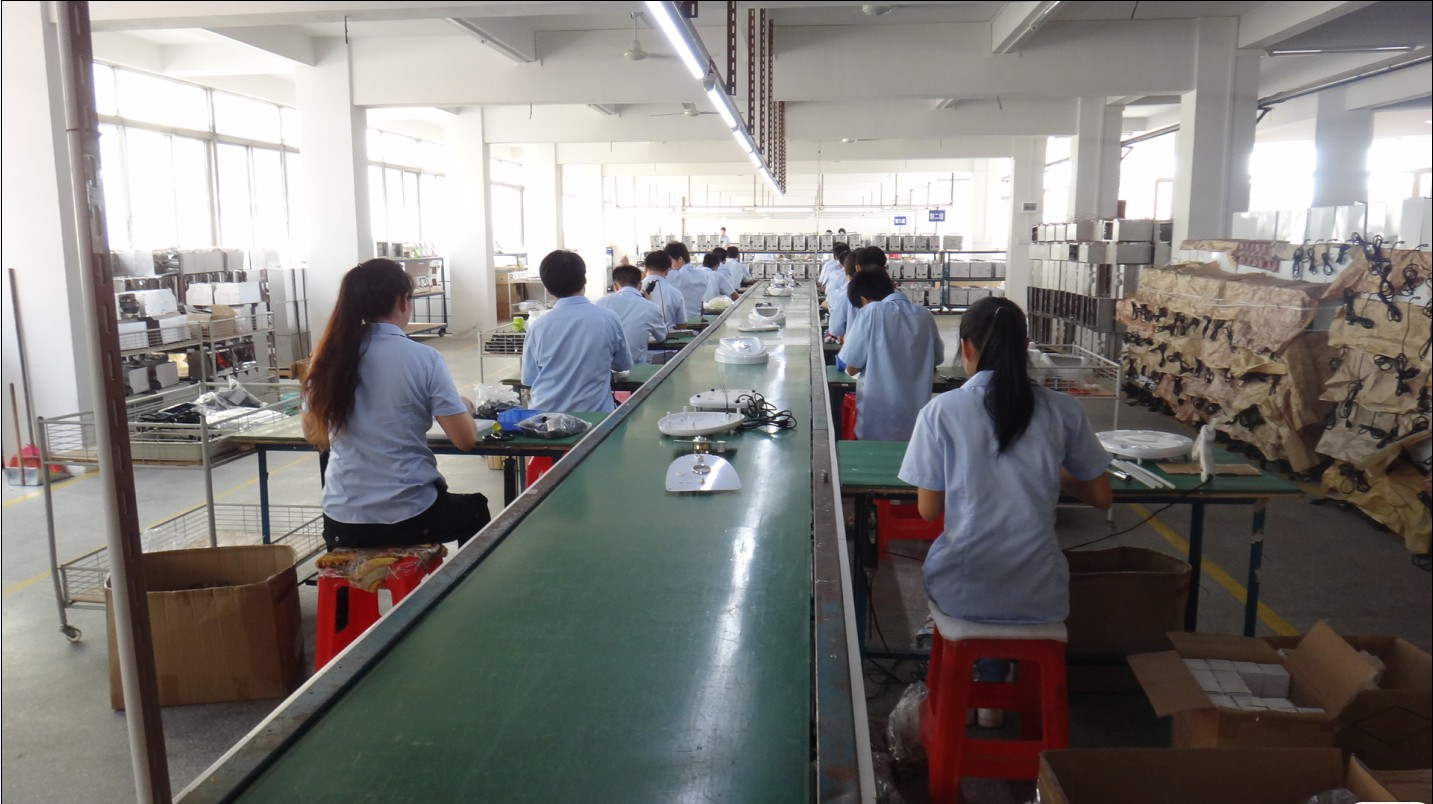
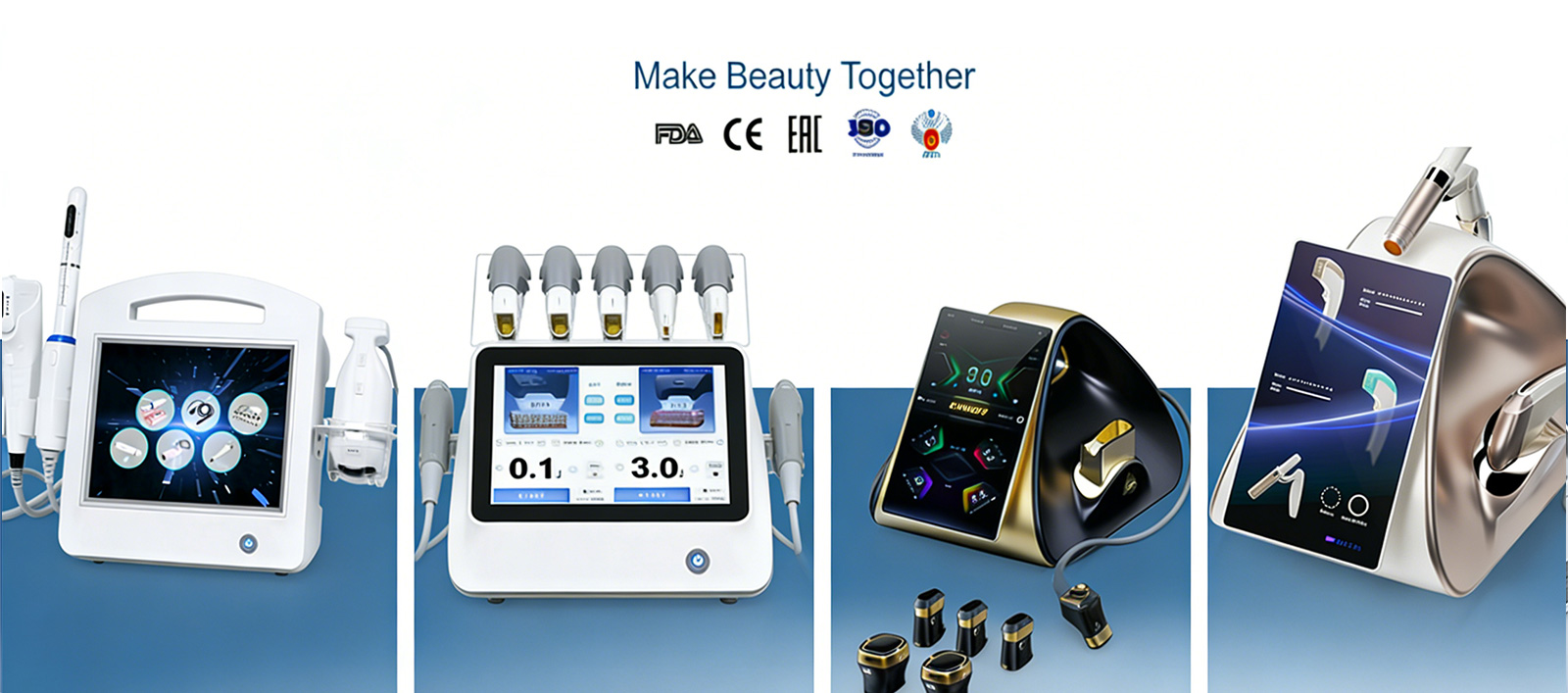
Det er en del af grunden til, at en producent kan lide Uangelcare kan være værd at holde på shortlisten. Virksomheden præsenterer sig selv omkring en bredere one-stop medicinsk æstetisk enhedsmodel, dækkende design, R&D, produktion, og salg i stedet for kun at skubbe en enkelt enhedskategori.
Fra en købers perspektiv, den slags positionering kan være nyttig, fordi klinikker ofte har brug for mere end én maskine over tid, og eftersalgskoordinering er normalt nemmere, når producenten allerede er struktureret omkring bredere udstyrsstøtte.
For købere, der planlægger en etapevis klinikopsætning frem for et engangskøb af udstyr, den slags fremstillings- og supportomfang kan være værd at være mere opmærksom på.
Afsluttende tanker
En skønhedsmaskine er ikke bare et køb. Det er et langsigtet driftsværktøj.
Derfor bør eftersalgssupport behandles som en del af selve produktet. De stærkeste producenter af skønhedsmaskiner er normalt ikke kun dem med attraktive brochurer eller konkurrencedygtige lanceringspriser. Det er dem, der kan understøtte hele livscyklussen efter salg: installation, uddannelse, dokumentation, opretholdelse, reservedele, fejlfinding, klagebehandling, opdateringer, og garantiklarhed.
Det skal klinikkerne forvente. Og det er det, købere skal presse på, før de afgiver ordren.
FAQ
God eftersalgssupport bør omfatte installationsvejledning, operatøruddannelse, manualer, vedligeholdelsesplanlægning, adgang til reservedele, hjælp til fejlfinding, klare garantibetingelser, og klagebehandlingsprocedurer. FDA og WHO materialer understøtter begge ideen om, at vedligeholdelse, installation, og livscyklusstyring er centrale dele af enhedens pålidelighed og sikker brug.
Fordi personalet skal forstå driften, rensning, sikkerhedstrin, og rutinemæssig pleje. WHOs politikmateriale bemærker også, at brugeruddannelse, vedligeholdelsestræning, og genopfriskningstræning bør gives, især til mere komplekse enheder.
Ja. Tilgængeligheden af reservedele påvirker nedetiden, kontinuitet i behandlingen, og langsigtede driftsomkostninger. En maskine med dårlig adgang til dele kan skabe meget større problemer senere, selvom indkøbsprisen så attraktiv ud i starten.
Fordi enhedsproblemer og gentagne fejl skal dokumenteres og evalueres korrekt. FDA-materialer viser, at klagefiler og rapportering efter markedsføring er en del af, hvordan enhedens ydeevne og potentielle sikkerhedsproblemer overvåges.
Nogle gør. Til enheder med softwarestyrede grænseflader eller tilsluttede funktioner, opdatering og patch-support kan have betydning. IMDRF-vejledning behandler cybersikkerhed og post-markedsopdateringssupport som en del af ansvarlig enhedslivscyklusstyring.