

비침습적 지방 감소는 의료 미용 분야에서 가장 빠르게 성장하는 분야 중 하나가 되었습니다.. 무바늘에 대한 환자의 요구에 따라, 다운타임 없는 바디 컨투어링 상승, 클리닉 소유자는 중요한 장비 결정에 직면해 있습니다.: 환자의 인구통계학적 및 비즈니스 모델에 가장 적합한 결과를 제공하는 기술은 무엇입니까?? 널리 채택되는 두 가지 방식인 냉동지방분해요법과 지방 레이저는 각각 메커니즘 면에서 뚜렷한 장점을 제공합니다., 환자 경험, 그리고 투자 수익. 이 기사는 정보에 입각한 조달 결정을 내리는 데 도움이 되는 포괄적인 임상 및 상업적 비교를 제공합니다..
주요 시사점
- 한랭지방 분해 영하의 온도에서 제어된 냉각을 사용합니다. (-10°C ~ -15°C) 피하 지방 세포의 세포 사멸을 유도하기 위해, 눈에 보이는 결과가 나타나며 3 에게 12 치료 후 몇 주.
- 레이저 635~658nm 파장의 저레벨 레이저 요법을 사용하여 지방 세포막에 구멍을 뚫습니다., 자연적인 대사 제거를 위해 저장된 트리글리세리드 방출, 결과는 다음에 표시됩니다. 2 에게 6 주.
- 한랭지방 분해 일반적으로 더 적은 수의 세션이 필요합니다. (1- 지역당 3개) 하지만 치료 시간이 더 길어짐 (30–60분), ~하는 동안 레이저 더 자주 세션을 요구합니다 (6- 지역당 8개) 더 짧은 기간으로 (10– 구역당 20분).
- 설비 투자 크게 다르다: 냉동지방 분해 기계는 일반적으로 다음과 같습니다. $8,000 에게 $25,000+ 어플리케이터 수 및 구성에 따라 다름, 지방 레이저 시스템은 일반적으로 다음과 같습니다. $3,000 에게 $12,000.
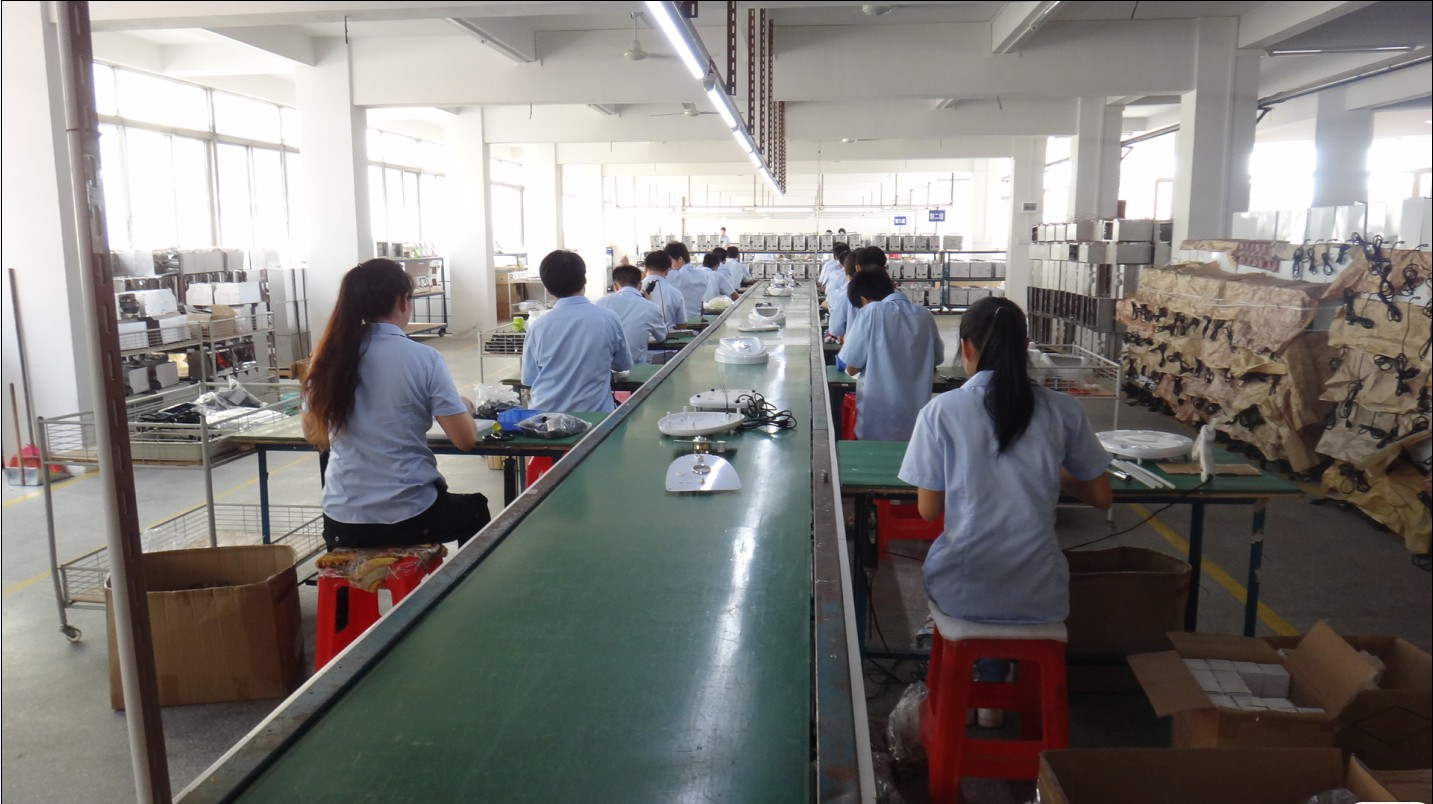
- 유엔젤케어 완전한 OEM/ODM 맞춤화를 통해 냉동지방 분해 및 지방 레이저 플랫폼을 모두 제조합니다., NMPA/ISO13485/CE 인증, 모든 구매에는 포괄적인 운영자 교육이 포함됩니다..
극저온 분해의 작동 원리
한랭지방 분해, 임상적으로 제어된 냉각 유발 지방분해로 알려져 있음, 지방 조직이 주변 조직보다 추위로 인한 손상에 더 민감하다는 원리에 기초합니다.. 이 개념은 박사에 의해 처음 조사되었습니다.. 디터 만슈타인 박사. 아르 자형. 매사추세츠 종합병원 Wellman 사진의학 센터의 Rox Anderson, 그의 연구는 정밀하게 제어된 냉각에 장기간 노출되면 그 위에 있는 피부를 손상시키지 않고 피하 지방 세포에서 선택적 세포사멸을 유발한다는 것을 입증했습니다., 근육, 또는 신경.
치료는 잘 문서화된 생물학적 폭포를 통해 이루어집니다.. 지방 세포가 -10°C에서 -15°C 사이의 온도에 노출되면 30 에게 60 분, 세포내 지질 결정은 지방세포 내에서 형성됩니다.. 이 결정화는 염증 반응을 유발합니다., 이후 며칠 동안 지방세포의 세포사멸이 이어졌습니다.. Macrophages and phagocytic cells then gradually clear the cellular debris through the lymphatic system. The full process unfolds over 4 에게 12 주, with progressive fat layer reduction visible as the body metabolizes the disrupted adipose tissue.
Modern cryolipolysis systems utilize vacuum-assisted applicators that draw the targeted tissue fold between cooling plates, ensuring precise thermal delivery to subcutaneous fat while protecting the epidermis through integrated skin warming mechanisms. Clinical studies have demonstrated an average fat layer reduction of 20% 에게 25% per session, with some patients achieving up to 30% reduction following multiple sessions. A pivotal multicenter study published in 미용성형저널 documented a 95% patient satisfaction rate across 518 subjects, with no serious adverse events reported.
Key clinical parameters for cryolipolysis include:
- Treatment temperature: -10°C ~ -15°C (adjustable based on tissue thickness and patient tolerance)
- Session duration: 30 에게 60 minutes per treatment cycle (depending on applicator size and protocol)
- Sessions required: 1 에게 3 지역별, spaced 4 에게 6 weeks apart
- Results timeline: Initial changes visible at 3 주; full results at 8 에게 12 치료 후 몇 주
- Applicator options: Various sizes designed for abdomen, 측면, 하층 영역, 허벅지, and upper arms
How Lipolaser Works
레이저, also referred to as low-level laser therapy (LLLT) for fat reduction, operates on an entirely different biophysical mechanism. Rather than using thermal energy to destroy fat cells, lipolaser employs specific wavelengths of light — typically in the red light spectrum between 635nm and 658nm — to stimulate photochemical reactions within adipose tissue. This technology is rooted in photobiomodulation, where specific light wavelengths interact with cellular chromophores to trigger measurable physiological changes.
The mechanism involves the interaction of laser energy with mitochondrial membranes of adipocytes. When 635–658nm wavelength laser light penetrates the skin to reach the subcutaneous fat layer, it is absorbed by cytochrome c oxidase and other mitochondrial chromophores within fat cells. This absorption temporarily alters mitochondrial membrane permeability, creating transitory pores in the adipocyte cell membrane. Through these pores, stored triglycerides are released into the interstitial space, then transported via the lymphatic system to the liver for natural metabolic processing and energy expenditure.
A critical distinction from cryolipolysis is that lipolaser does not destroy the fat cell itself. The adipocytes remain structurally intact; only their lipid content is temporarily evacuated. This means the fat cells can potentially re-accumulate lipids if the patient does not maintain appropriate dietary and exercise habits. For this reason, post-treatment protocols typically include immediate physical activity (20–30 minutes of cardiovascular exercise) to utilize the mobilized fatty acids for energy, preventing reabsorption.
Clinical research supports the efficacy of lipolaser for circumferential reduction. A study published in the Journal of Clinical and Aesthetic Dermatology demonstrated an average reduction of 0.8 에게 3.7 cm in waist circumference following a 2-week treatment protocol (6 세션). Another controlled trial documented a mean total circumference reduction of 5.4 cm across the abdomen, 엉덩이, and thighs after completing the full treatment course.
Key clinical parameters for lipolaser include:
- 레이저 파장: 635nm to 658nm (red light spectrum)
- Session duration: 10 에게 20 치료 부위당 분
- Sessions required: 6 에게 8 지역별, 예정된 2 에게 3 주당 횟수
- Results timeline: Visible changes within 1 에게 2 주; full results at 4 에게 6 weeks after completing the treatment course
- 에너지 출력: 일반적으로 5 에게 15 mW per diode, with multi-diode paddles for concurrent treatment of multiple zones
일대일 비교: 한랭지방분해 vs Lipolaser
For clinic owners evaluating these technologies side by side, the following comparison table summarizes critical differences across clinical, operational, and financial dimensions.
| 매개변수 | 한랭지방 분해 | 레이저 |
|---|---|---|
| 작용 메커니즘 | Controlled cooling induces fat cell apoptosis (세포사멸); destroyed cells are permanently removed | Low-level laser creates transient pores in fat cells; lipids are released but cells remain intact |
| Treatment Temperature | -10°C ~ -15°C (sub-zero cooling) | Non-thermal (photochemical reaction at skin temperature) |
| 세션 시간 | 30 에게 60 minutes per area | 10 에게 20 minutes per area |
| Sessions Required | 1 에게 3 지역별 (spaced 4–6 weeks apart) | 6 에게 8 지역별 (2–3 sessions per week) |
| Results Timeline | 3 weeks initial; 8–12 weeks full results | 1–2 weeks initial; 4–6 weeks full results |
| Average Fat Reduction | 20–25% per session in treated area | 0.8–3.7 cm circumference reduction per course |
| Permanence of Results | Permanent (fat cells are destroyed); maintained with stable weight | Semi-permanent (fat cells remain); requires lifestyle maintenance |
| Discomfort Level | 보통의 (intense cold, pulling/suction sensation, transient numbness) | Minimal to none (warmth or tingling sensation reported occasionally) |
| 중단 시간 | 없음 (가벼운 발적, 부종, or bruising may persist 1–2 weeks) | 없음 (immediate return to normal activities) |
| 금기 사항 | Cold urticaria, 한랭글로불린혈증, 발작성 감기 혈색소뇨증, Raynaud’s disease, pregnancy, hernias in treatment area | 임신, active cancer, 간/신장 질환, photosensitivity disorders, implanted electronic devices |
| Price Per Session (Clinic) | $600–$1,200 per area | $150–$300 per area |
| Equipment Cost (Approximate) | $8,000–$25,000+ (varies by applicator count) | $3,000–$12,000 (varies by paddle/diode configuration) |
| FDA 승인 | 510(케이) cleared for cryolipolysis (multiple systems) | 510(케이) cleared for specific lipolaser devices (예를 들어, Erchonia) |
의료 면책조항: The clinical parameters cited above are based on published peer-reviewed literature and manufacturer specifications. Individual results may vary based on patient anatomy, 치료 프로토콜, and equipment configuration. Practitioners should consult device-specific IFU (Instructions for Use) and relevant regulatory guidelines before clinical use.
치료 부위: Which Technology for Which Body Region
An important consideration in the cryolipolysis vs lipolaser decision is the range of treatable anatomical sites. The two technologies differ in versatility and effectiveness across body regions.
한랭지방 분해 excels in treating discrete, pinchable fat deposits. The vacuum-assisted applicator requires sufficient tissue to form a fold, making it highly effective for:
- 복부 (upper and lower)
- Flanks and love handles
- Submental area (이중 턱)
- Inner and outer thighs
- Bra fat and back rolls
- 팔뚝
하지만, cryolipolysis is less suitable for areas with thin subcutaneous fat layers or where tissue cannot be adequately drawn into the applicator.
레이저 offers greater flexibility in treatment site selection because the laser paddles are placed flat against the skin without requiring tissue vacuum suction. This makes lipolaser suitable for:
- Abdomen and waist
- Hips and thighs
- 팔뚝
- Back and bra area
- Chin and neck area
- Calves and ankles
The non-contact nature of lipolaser paddles also allows treatment of areas with thinner fat deposits where cryolipolysis applicators cannot achieve adequate tissue capture.
환자 선택: Matching Technology to Patient Profiles
Selecting the appropriate technology for each patient is essential for optimizing outcomes and satisfaction. The ideal candidate profiles differ significantly between the two modalities.
Ideal cryolipolysis candidates are individuals who are at or near their target body weight (within 10–15 kg of their ideal BMI) but have localized, diet-and-exercise-resistant fat deposits. These patients typically have pinchable fat folds of at least 1–2 cm in thickness and are seeking permanent fat reduction in specific areas rather than overall weight loss. Cryolipolysis is particularly well-suited for patients who prefer a limited number of treatment sessions and are willing to wait 8–12 weeks for full results.
Ideal lipolaser candidates include patients seeking overall body contouring and circumference reduction rather than targeted fat removal. Lipolaser is appropriate for individuals with thinner fat deposits unsuitable for cryolipolysis, patients who prefer a more gradual treatment experience, and those who can commit to multiple sessions over a 3–4 week period. Lipolaser is also a strong option for patients sensitive to cold or with contraindications to cryolipolysis.
Contraindications require careful screening for both modalities. For cryolipolysis, absolute contraindications include cold-related disorders such as cold urticaria, 한랭글로불린혈증, and paroxysmal cold hemoglobinuria. Relative contraindications include neuropathy, recent surgery in the treatment area, and hernias. For lipolaser, practitioners should screen for pregnancy, active malignancy, severe liver or kidney dysfunction, photosensitivity disorders, and implanted electronic devices.
Cost and ROI Analysis for Clinic Owners
비즈니스 관점에서, the investment considerations for cryolipolysis vs lipolaser extend beyond the equipment purchase price. A comprehensive ROI analysis must account for per-session revenue, throughput capacity, consumable costs, and patient acquisition patterns.
Equipment Investment:
- Cryolipolysis systems typically range from $8,000 에게 $25,000+, with price variations driven by the number and type of applicators (single vs. multi-applicator configurations), brand positioning, and software features. Premium systems with four or more applicator ports allow simultaneous treatment of multiple areas, significantly improving throughput.
- Lipolaser systems generally range from $3,000 에게 $12,000, with pricing determined by the number of laser paddles, diode count per paddle, and wavelength configuration. Systems with 6–10 paddles enable concurrent treatment of multiple body zones, enhancing per-session efficiency.
Per-Session Economics:
- 한랭지방 분해: At $600–$1,200 per session per area, a single applicator performing 4–6 treatments per day generates $2,400–$7,200 in daily revenue. With low consumable costs (mainly applicator covers and gel pads), gross margins typically exceed 80%.
- 레이저: At $150–$300 per session, with 4–6 treatment areas per patient and 3–4 patients per day, daily revenue ranges from $1,800–$7,200. Consumable costs are minimal (protective eyewear replacement, cleaning supplies), yielding similarly high gross margins.
Break-Even Analysis: A cryolipolysis system priced at $15,000 with average revenue of $800 per session and 20 sessions weekly reaches break-even in approximately 9.4 주. A lipolaser system priced at $7,000 with average revenue of $200 per session and 60 weekly sessions reaches break-even in approximately 9.3 주. Both technologies offer compelling ROI timelines, with specific dynamics depending on patient volume and pricing strategy.
Operational Considerations: Cryolipolysis’s longer session duration (30–60분) may limit daily throughput unless multiple applicators are available. Lipolaser’s shorter session time (10–20 minutes) allows higher patient turnover, but the higher session frequency requires greater patient commitment and appointment management.
Combining Cryolipolysis and Lipolaser: A Synergistic Approach
Many forward-thinking clinics are adopting a combined-technology approach rather than viewing cryolipolysis and lipolaser as mutually exclusive investments. The two technologies can complement each other effectively within a comprehensive body contouring treatment protocol.
One proven combination strategy involves using cryolipolysis as the primary fat reduction modality for discrete, localized fat deposits, followed by lipolaser sessions to enhance overall circumferential reduction and skin tightening in treated and adjacent areas. Cryolipolysis addresses structural fat reduction by permanently removing adipocytes, while subsequent lipolaser treatments can accelerate lymphatic clearance of released cellular debris, potentially shortening the results timeline.
Another combination approach uses lipolaser as a pre-treatment for cryolipolysis in patients with dense or fibrotic fat tissue. The laser energy softens tissue and improves blood flow, potentially enhancing cooling penetration and efficacy of the subsequent cryolipolysis session. While clinical evidence for this protocol is still emerging, practitioners report improved patient comfort and outcomes with the sequential approach.
비즈니스 관점에서, offering both technologies allows clinics to serve a broader patient demographic and increase per-patient revenue through combination treatment packages. UangelCare’s product lineup includes both platforms, enabling clinics to source complementary equipment from a single manufacturer with unified training and warranty support. Explore the full range of 바디 슬리밍 장비 for OEM/ODM customization.
자주 묻는 질문
1. Is cryolipolysis or lipolaser more effective for fat reduction?
Effectiveness depends on the treatment goal. Cryolipolysis produces permanent, localized fat reduction of 20–25% per session by destroying fat cells, making it more effective for targeted fat removal. Lipolaser produces measurable circumference reduction (0.8–3.7 cm per treatment course) but does not destroy fat cells, making it better for overall body contouring. 특정 문제 영역이 있는 환자의 경우, 냉동지방분해요법은 일반적으로 더욱 극적이고 지속적인 결과를 제공합니다..
2. 눈에 띄는 결과를 얻으려면 몇 개의 세션이 필요합니까??
한랭지방 분해에는 일반적으로 다음이 필요합니다. 1 에게 3 지역별 세션, 결과가 가시화되면서 3 첫 번째 세션이 끝난 지 몇 주 후, 전체 결과는 다음과 같습니다. 8 에게 12 주. Lipolaser가 필요합니다 6 에게 8 지역별 세션, 결과는 다음에서 볼 수 있습니다. 1 에게 2 주 및 전체 결과는 다음과 같습니다. 4 에게 6 weeks after completing the treatment course. 냉동지방분해요법 세션 사이의 간격을 고려하면 총 치료 기간은 비슷합니다..
3. 냉동지방분해술의 결과는 영구적입니까??
예. 한랭지방 분해는 처리된 지방 세포를 영구적으로 파괴합니다., 그런 다음 자연적으로 대사되어 신체에서 제거됩니다.. 파괴된 지방세포는 재생되지 않습니다.. 하지만, 치료되지 않은 남아 있는 지방 세포는 체중 증가로 인해 여전히 팽창할 수 있습니다., 따라서 환자는 결과를 유지하기 위해 식이요법과 운동을 통해 안정적인 체중을 유지해야 합니다.. 리포레이저 결과는 반영구적입니다., 지방 세포는 손상되지 않고 생활 방식을 유지하지 않고도 지질을 다시 축적할 수 있기 때문에.
4. 부작용이 적은 치료법은 무엇입니까??
두 기술 모두 유리한 안전 프로필을 가지고 있습니다.. 한랭지방 분해는 일시적인 발적을 유발할 수 있습니다., 부종, 멍이 들다, 얼어서 고움, 또는 치료 부위에 약간의 불편함, 일반적으로 이내에 해결 1 에게 2 주. 역설적 지방 증식이 드물게 보고되었습니다.. 리포레이저는 부작용이 최소화됩니다., 가끔 온화한 따뜻함을 만들어 내는, 따끔거림, 또는 일시적인 피부 발적. 두 치료법 모두 가동 중지 시간이 필요하지 않습니다., 환자는 즉시 정상적인 활동을 재개할 수 있습니다..
5. 냉동지방분해요법과 리포레이저를 같은 날 사용할 수 있나요??
두 가지 방식 모두 포괄적인 치료 계획에 통합될 수 있지만, 대부분의 의사들은 동일한 치료 부위에 당일 적용을 권장하지 않습니다.. The inflammatory response from cryolipolysis needs time to progress naturally, and concurrent laser application may interfere with the apoptotic cascade. A typical combined protocol spaces cryolipolysis and lipolaser sessions at least 1 에게 2 weeks apart. Consult the device manufacturer’s clinical guidelines for specific protocol recommendations.
6. What is the cost difference between cryolipolysis and lipolaser equipment?
Cryolipolysis systems typically range from $8,000 에게 $25,000+ depending on the number of applicators and features. Lipolaser systems generally range from $3,000 에게 $12,000 based on paddle count and diode configuration. While cryolipolysis requires a higher initial investment, the higher per-session revenue and lower session count per patient can yield comparable or superior ROI. UangelCare offers both technologies at competitive OEM/ODM pricing with flexible customization options. Request a cryolipolysis machine quote 또는 lipolaser equipment consultation to discuss your specific requirements.
7. Which technology is better for small clinics starting out?
For new or small clinics with limited capital, lipolaser offers a lower barrier to entry with equipment costs starting around $3,000 and minimal training requirements. The technology is straightforward to operate, treatments are short, and patient scheduling is flexible. Cryolipolysis represents a higher initial investment but may attract patients willing to pay premium pricing for permanent fat reduction. Many successful clinics start with lipolaser and add cryolipolysis as their patient base and revenue grow.
8. Does UangelCare provide training and support for both technologies?
예. UangelCare provides comprehensive operator training with every cryolipolysis and lipolaser system purchase, including device operation, 치료 프로토콜, patient consultation guidance, and safety procedures. All equipment is backed by a 1-year warranty, with ongoing technical support available. Production lead time is 3 에게 7 날, with air shipping to US/EU destinations in 7 에게 15 날. Learn more about UangelCare’s OEM/ODM manufacturing capabilities and certification standards.
Making the Right Choice for Your Clinic
The decision between cryolipolysis and lipolaser ultimately depends on your clinic’s patient demographic, business model, and strategic objectives. Cryolipolysis delivers permanent, localized fat reduction with premium pricing and strong patient demand. Lipolaser offers an accessible entry point with broad applicability, shorter sessions, and excellent patient comfort. For clinics positioned to serve diverse patient needs, investing in both technologies creates a comprehensive body contouring service line that maximizes both clinical outcomes and revenue potential.
유엔젤케어, as a Guangzhou-based OEM/ODM manufacturer with NMPA, ISO13485, 및 CE 인증, offers both cryolipolysis and lipolaser platforms tailored to your specifications. Whether you need a single-applicator cryolipolysis system for a boutique practice or a multi-paddle lipolaser platform for a high-volume clinic, UangelCare’s engineering team can customize hardware, software, and branding to meet your requirements. 생산 리드타임은 다음과 같습니다. 3 에게 7 days and global shipping, UangelCare supports your procurement timeline efficiently.
To explore UangelCare’s complete range of aesthetic equipment solutions, visit our slimming machine category or contact our sales team for a personalized consultation on building your body contouring equipment portfolio.
This article is intended for informational and educational purposes for licensed aesthetic practitioners and clinic owners. It does not constitute medical advice. Always consult device-specific Instructions for Use, relevant regulatory authority guidelines, and applicable clinical protocols before performing any aesthetic treatment.