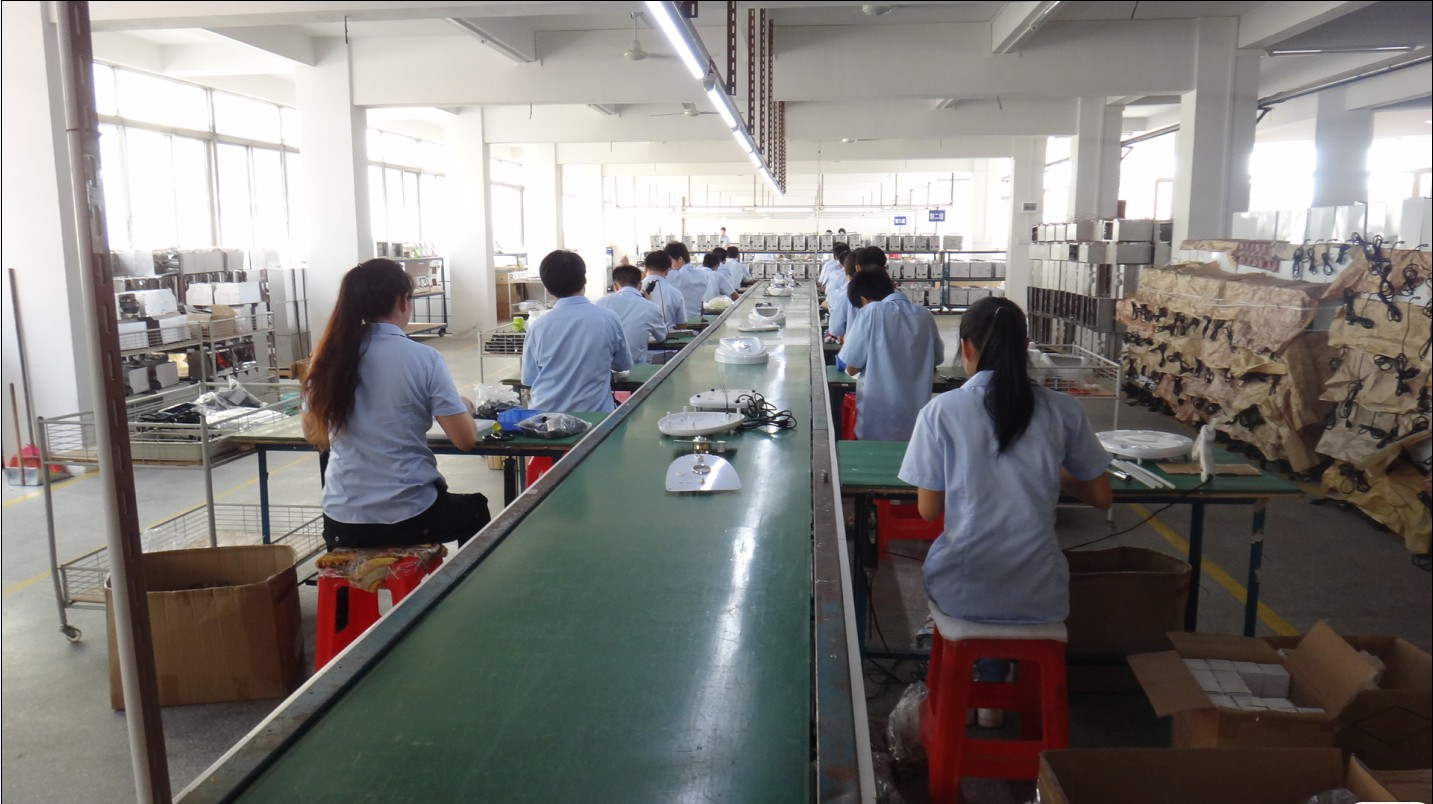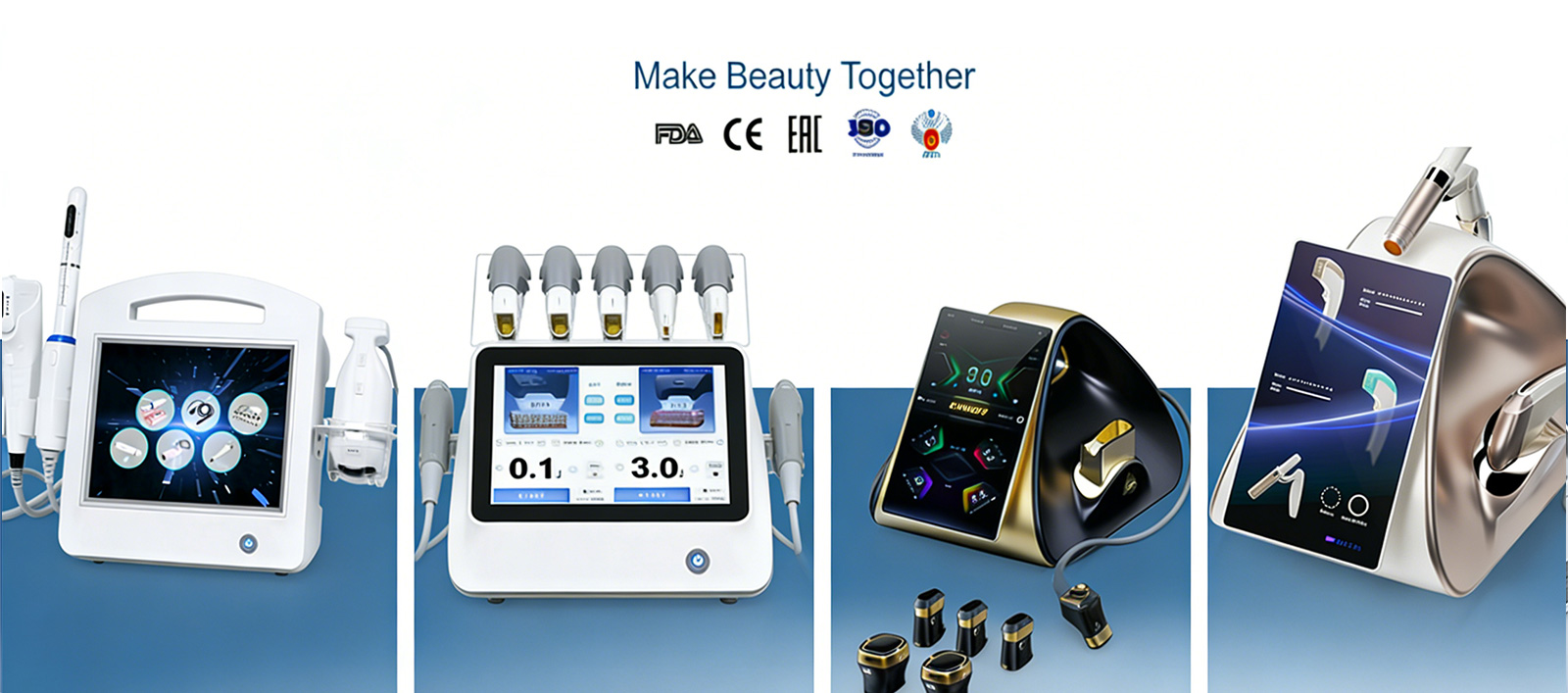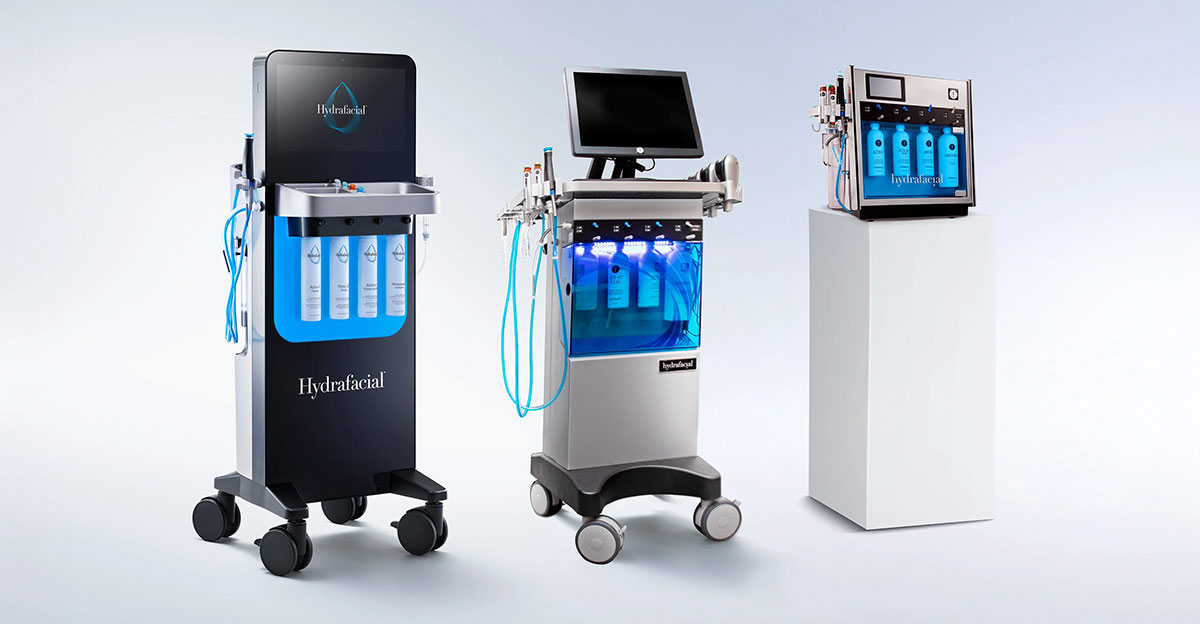


Introducción
Importar máquinas de belleza directamente de fabricantes chinos puede reducir el costo de los productos entre un 40% y un 70% en comparación con la compra a través de distribuidores.. Para distribuidores, cadenas de clínicas, y propietarios de marcas que construyen una línea de marca privada, Esta es una ventaja competitiva significativa..
Pero la brecha entre “haciendo un pedido” y “recibir mercancías en su almacén” es amplio y está plagado de regulaciones aduaneras, logística de envío, documentación de cumplimiento, y decisiones de gestión de riesgos que pueden hacer o deshacer su operación de importación.
Esta guía proporciona una información completa, Descripción general paso a paso de la importación de equipos de belleza de China, que cubre la verificación de proveedores, métodos de envío, despacho de aduanas por región, requisitos de cumplimiento, y desgloses de costos.
¿Por qué importar máquinas de belleza directamente desde China?
Ventaja de costos: Los fabricantes chinos venden a precios directos de fábrica. Una máquina de criolipólisis que cuesta $8,000 a través de un distribuidor europeo puede costar entre 2.500 y 4.000 dólares directamente desde una fábrica china. Entre 10 y 20 unidades por año, el impacto en el margen es sustancial.
Profundidad del producto: Las fábricas chinas ofrecen carteras de tecnología más amplias y una iteración de modelos más rápida que la mayoría de los distribuidores occidentales.. Si desea la última plataforma HIFU o un dispositivo combinado de múltiples tecnologías, China es donde se construye.
Personalización: Las relaciones directas permiten la marca privada, configuraciones personalizadas, y ajustes de parámetros que los distribuidores normalmente no ofrecen.
Escalabilidad: A medida que tu volumen crece, sus costos unitarios disminuyen. Las relaciones directas con OEM le brindan acceso a precios por volumen y líneas de producción dedicadas..
La advertencia: La importación directa requiere más sofisticación operativa: conocimiento de cumplimiento, gestión logística, y habilidades de relación con proveedores que no son necesarias al comprar a un distribuidor local.
Proceso de importación paso a paso
Fase 1: Verificación de proveedores (Semanas 1 a 4)
1. Identificar proveedores potenciales
- Fuente de plataformas B2B verificadas: Alibaba, Hecho en china, Fuentes globales
- Asistir a ferias comerciales: Cosmoprof (Bolonia, Hong Kong), AMWC, Estético & Congreso Mundial de Medicina Antienvejecimiento
- Referencias de la industria de otros distribuidores.
2. Criterios de selección inicial
- Exporta experiencia a tu mercado objetivo (Solicite registros de envío o referencias.)
- ISO 13485 proceso de dar un título (Obligatorio para la fabricación de dispositivos médicos.)
- Tamaño de la fábrica y capacidad de producción.
- Capacidad de comunicación y profesionalismo.
- Años en el negocio (Preferiblemente ≥5 años)
3. auditoría de fábrica (obligatorio para OEM, recomendado para ODM)
- Auditoría presencial: viajar a china (Cantón, Zhejiang, o provincias de Jiangsu)
- Auditoría de vídeo: Si viajar no es factible, Realizar un recorrido en video en vivo por las instalaciones de producción.
- Que verificar:
- Línea de producción física y condición del equipo.
- Departamento de control de calidad y procedimientos.
- Documentación de certificación (originales, no copias)
- Competencia del personal y capacidades lingüísticas.
- Condiciones de almacén y almacenamiento.
- Cumplimiento ambiental y de seguridad
4. Verificaciones de referencia
- Póngase en contacto con al menos 2 o 3 clientes internacionales que hayan importado de esta fábrica.
- Preguntar: consistencia de la calidad del producto, confiabilidad de la comunicación, resolución de problemas, entrega a tiempo
5. Revisión legal
- Verificar licencia comercial (licencia comercial) a través de la base de datos de registro de empresas chinas (AIC)
- Revisar el historial de cumplimiento de exportaciones de la fábrica.
- Contratar a un consultor legal chino si se trata de OEM (La protección de la propiedad intelectual es fundamental.)
Fase 2: Pedido y contrato (Semanas 2 a 4)
1. Negociar términos
- Especificaciones del producto (detallado, por escrito, no verbal)
- Precio unitario por nivel de volumen
- Condiciones de pago: Estándar = 30% depósito, 70% saldo antes del envío
- Cronograma de entrega (desde el depósito hasta el puerto de salida)
- Términos de garantía (mínimo 12 meses en la unidad principal)
- Paquete de repuestos (Solicite entre el 2% y el 5% del valor del pedido en repuestos.)
- Términos de soporte posventa (actualizaciones de firmware, acceso a soporte técnico)
2. Firmar contratos
- Utilice un acuerdo de compra formal (no sólo la garantía comercial de Alibaba)
- Incluir: anexo de especificaciones del producto, estándares de calidad, criterios de inspección, cláusulas de penalización por no conformidad
- Para OEM: incluir cláusulas de propiedad de propiedad intelectual, acuerdo de confidencialidad, y disposiciones de no competencia
3. Método de pago
- Transferencia bancaria (T/T): Estándar y ampliamente aceptado; Utilice un banco con experiencia en China.
- Depósito en garantía a través de Alibaba Trade Assurance: Recomendado para primeros pedidos: fondos retenidos hasta que se verifiquen los productos
- Carta de crédito (carta de crédito): Para pedidos grandes (>$50k); Ofrece protección a ambas partes pero es complejo y costoso.
Fase 3: Control de producción y calidad (Semanas 1 a 12)
1. Reunión de preproducción
- Confirme todas las especificaciones en persona o por video.
- Definir puntos de inspección y criterios de aceptación.
- Establecer cadencia de comunicación (Se recomiendan actualizaciones semanales.)
2. Monitoreo de producción
- Solicite fotos o videos en hitos clave: adquisición de materiales, asamblea, pruebas, embalaje
- Inspección de terceros en 30%, 60%, y 100% etapas de terminación
3. Inspección previa al envío (PSI)
- Contratar una empresa de inspección externa: ¿QUÉ?, Oficina Veritas (VB), SGS, o Intertek
- Alcance de la PSI: recuento de unidades, precisión de la marca, integridad del embalaje, pruebas de funcionalidad, recuento de accesorios, integridad de la documentación
- Nunca omita PSI en su primer pedido a un nuevo proveedor
Fase 4: Envío (Día 1–60)
1. Elige el método de envío (ver tabla comparativa a continuación)
2. Coordinar con el transportista
- Proporcionar: Factura comercial, Lista de embalaje, informes de prueba de fábrica, certificaciones
- Reservar espacio de carga (especialmente crítico para el transporte marítimo durante la temporada alta: Agosto-octubre)
- Confirmar fechas límite para salidas de puerto
3. Aduanas de exportación (manejado por fábrica o agente de carga en China)
- Factura comercial (detallado, con códigos HS)
- Lista de embalaje
- certificado de origen (formulario E para Asia, formulario A para países en desarrollo)
- Declaración de Exportación
4. Aduanas de llegada e importación. (manejado por su agente de carga en el país de destino)
- Ver sección de aduanas regionales a continuación
Fase 5: Entrega y Post-Importación
1. Inspección final a la llegada.
- Verificar que el recuento de unidades coincida con el orden
- Compruebe si hay daños durante el tránsito
- Pruebe la funcionalidad básica antes de firmar el recibo de entrega
- Documente cualquier discrepancia inmediatamente con fotografías.
2. Cumplimiento normativo
- Registre los dispositivos con la autoridad sanitaria local si es necesario
- Actualice la documentación CE/FDA con su marca y detalles del importador
- Coloque las etiquetas requeridas (nombre del importador, número de modelo, números de serie, clasificaciones eléctricas)
3. Activación de garantía
- Registrar unidades con el fabricante.
- Almacene números de serie y copias de facturas para reclamos de garantía.
Documentación requerida para la importación
| Documento | Objetivo | ¿Quién lo proporciona? |
|---|---|---|
| Factura comercial | valoración en aduana, cálculo de derechos | Fábrica / Vendedor |
| Lista de embalaje | Verifica el contenido y el peso del envío. | Fábrica / Vendedor |
| Guía de carga (LICENCIADO EN DERECHO) o guía aérea (AWB) | Título de los bienes, contrato de envío | agente de carga |
| Certificado de origen | Determina los tipos de derechos aplicables, acuerdos comerciales | Fábrica / Cámara de Comercio |
| Certificado de conformidad (CE, FDA, etc.) | Demuestra el cumplimiento normativo | laboratorio de pruebas |
| ISO 13485 Certificado | Confirma el sistema de calidad de fabricación. | Fábrica |
| Informes de prueba de productos | Valida la seguridad eléctrica, CEM, actuación | laboratorio acreditado |
| Informe de inspección previa al envío | Verifica la calidad antes del envío. | Empresa de inspección de terceros |
| Certificado de seguro | Cubre pérdida/daños durante el tránsito. | Proveedor de seguros |
| Licencia de Importación (si es necesario) | Autorización legal para importar | Su autoridad local |
Comparación de métodos de envío
Transporte Marítimo (FCL y LCL)
| Factor | Detalles |
|---|---|
| Costo | $1,500–$5,000 por metro cúbico (metro cúbico); más rentable para envíos grandes |
| tiempo de tránsito | 25–45 días (China a la costa oeste de EE. UU.); 35–55 días (China a Europa) |
| Volumen mínimo | LCL de 1 CBM; FCL = 20 pies (25 CBM) o 40 pies (55 CBM) |
| Lo mejor para | Pedidos ≥5 unidades; equipo voluminoso; envíos no urgentes |
| Riesgos | Mayor plazo de entrega; congestión portuaria; daño por humedad (usar desecantes) |
| Consejo clave | Consolide con otros importadores en su región para compartir los costos de los contenedores |
Costos estimados (Shanghái a Los Ángeles, 40contenedor de pies):
- Transporte marítimo: $1,500–$3,500
- Manipulación portuaria (Porcelana): $200–$500
- Despacho de aduana (A NOSOTROS): $500–$1,500
- Transporte interior (A NOSOTROS): $300–$800
- Total: ~$2,500–$6,300 + deberes
Transporte Aéreo
| Factor | Detalles |
|---|---|
| Costo | $4–$12 por kilo; para un envío de 100 kg, espere entre $ 2000 y $ 8000 |
| tiempo de tránsito | 3–7 días (vendedor a domicilio) |
| Volumen mínimo | De 30 kilos (debajo de esto, El costo por kg es prohibitivo.) |
| Lo mejor para | Muestras, pedidos urgentes, unidades pequeñas de alto valor, primeros pedidos para pruebas de mercado |
| Riesgos | Alto costo; restricciones de peso y dimensiones; caro para equipo pesado |
| Consejo clave | Utilice el transporte aéreo únicamente para muestras, a menos que el tiempo sea crítico |
mensajería urgente (DHL, FedEx, Unión Postal Universal)
| Factor | Detalles |
|---|---|
| Costo | $8–$25 por kilo; económico solo para muy pequeños, envíos ligeros |
| tiempo de tránsito | 2–5 días |
| Lo mejor para | Documentos, pequeños repuestos, muestras (<30 kilos) |
| Riesgos | Costo severo poco práctico para máquinas completas |
| Consejo clave | Uso para repuestos y accesorios., no para máquinas completas |
Proceso de Despacho Aduanero por Región
Estados Unidos
Organismo regulador: FDA (Administración de Alimentos y Medicamentos)
Requisitos clave:
- Las máquinas de estética son generalmente dispositivos médicos de Clase I o Clase II.
- La mayoría requiere FDA 510(k) autorización o exención antes de la distribución comercial
- Se requiere el registro de la FDA de la instalación de fabricación.
- El importador registrado debe ser una entidad estadounidense con registro de la FDA.
Proceso aduanero:
- CBP (Aduanas y Protección Fronteriza) entrada en el puerto de llegada
- Resumen de entrada de archivos del importador (Formulario CBP 7501)
- Deberes evaluados según el código HTS (máquinas de belleza/estética: típicamente HTS 9018 o 8543, derechos 0–4,5%)
- La FDA puede retener entradas de dispositivos para su examen (aviso previo requerido)
- Liberación tras pago de derechos y autorización de la FDA
Problemas comunes:
- FDA 510(k) no obtenido → mercancías retenidas o entrada denegada
- Código HTS incorrecto → disputas sobre fijación de derechos
- Falta de cumplimiento de FSMA (si corresponde)
unión Europea
Organismo regulador: Comisión Europea (Marcado CE a través de Organismos Notificados)
Requisitos clave:
- Todos los dispositivos médicos requieren el marcado CE según MDR 2017/745
- Los dispositivos de Clase I pueden autocertificarse; Clase IIa y superiores requieren la participación del organismo notificado
- Representante autorizado (REPRESENTANTE DE LA CE) debe ser designado si el fabricante está fuera de la UE
- Es necesario registrarse en Eudamed.
Proceso aduanero:
- Entrada en la aduana fronteriza de la UE (puerto de primera entrada)
- Factura comercial, certificado de origen, declaración CE, y documentación del expediente técnico
- Derechos evaluados según el AEC de la UE (Arancel Externo Común) — normalmente entre 0% y 4,5% para equipos estéticos
- Contabilización del IVA aplazada (si el importador está registrado con IVA)
- Registro EUDAMED antes de comercializar el dispositivo
Problemas comunes:
- Marcado CE obtenido sin intervención del Organismo Notificado (para Clase IIa+) → retirada del mercado
- Documentación técnica incompleta → retención en aduana
- Representante autorizado no establecido → ilegal para distribuir
Oriente Medio
Mercados clave: Emiratos Árabes Unidos (Dubái), Arabia Saudita, Catar, Kuwait
Requisitos reglamentarios:
- Emiratos Árabes Unidos: SFDA (Autoridad Saudita de Alimentos y Medicamentos) registro requerido
- Arabia Saudita: Autorización de comercialización de dispositivos médicos de la SFDA
- Estados del Golfo: Consejo de Cooperación del Golfo (CCG) Certificación aceptada en la mayoría de los países.
Proceso aduanero:
- Derechos de importación de los EAU: 5% valor cif
- Arabia Saudita: 5–15% dependiendo de la clasificación del producto
- Arabia Saudita requiere SASO (Estándares sauditas) cumplimiento y aprobación SFDA
- La mayoría de los países del CCG: declaración de aduana única válida en todos los estados miembros
Problemas comunes:
- Productos no registrados en la SFDA → confiscados o devueltos
- Falta de etiquetado árabe → rechazo aduanero
- Requisito de agente/socio en Arabia Saudita (patrocinador local obligatorio)
América Latina
Mercados clave: México, Brasil, Colombia, Chile, Argentina
Brasil (ANVISA):
- Proceso de registro complejo: ANVISA requiere pruebas locales y documentación en idioma portugués
- El registro puede tardar entre 12 y 24 meses; utilice un asesor de registro brasileño local
- Derechos de importación: 12–14% + impuesto estatal ICMS (17–25%)
- Brasil requiere un titular de registro brasileño local (BRH)
México (COFEPRIS):
- Se requiere autorización de comercialización de COFEPRIS
- Derechos de importación: ~10% en equipos estéticos
- NOMBRE (Normas Oficiales Mexicanas) Cumplimiento requerido para la seguridad eléctrica.
Colombia (INVIMA):
- Se requiere registro en INVIMA; el proceso demora entre 4 y 8 meses
- Derechos de importación: ~15% en dispositivos médicos/estéticos
Chile:
- ISP (Instituto de Salud Pública) registro
- Chile tiene tratados de libre comercio (TPP-11, UE-Chile) que pueden reducir o eliminar los derechos de importación
Problemas comunes en LATAM:
- Largos plazos de registro (comenzar temprano: entre 6 y 24 meses antes del lanzamiento previsto)
- Requisitos de prueba locales
- documentación en idioma español
- Requisitos de los representantes locales
Sudeste Asiático
Mercados clave: Singapur, Indonesia, Tailandia, Vietnam, Malasia
Singapur (HSA):
- Autoridad de Ciencias de la Salud (HSA) registro del dispositivo
- Dispositivos de clase B: 2–Cronograma de registro de 4 meses
- Derechos de importación: 0% bajo el Tratado de Libre Comercio de Singapur (para la mayoría de los productos)
- Singapur sirve como centro regional: muchos distribuidores lo utilizan como primer punto de entrada.
Indonesia (BPOM / Ministerio de Salud):
- Registro BPOM para dispositivos adyacentes a cosméticos; Ministerio de Salud para dispositivos médicos.
- licencia de importacion (NIE — Notificación de Importación) requerido
- Se requiere distribuidor/agente local
- Derechos de importación: 5–15%
Tailandia (FDA Tailandia):
- Se requiere registro de la FDA tailandesa
- Se requiere etiquetado en idioma tailandés
- Derechos de importación: 5–10%
Vietnam:
- Se requiere registro en el Ministerio de Salud
- Vietnam está simplificando rápidamente los procesos de importación
- Derechos de importación: 0–10%
Descripción general de derechos e impuestos de importación
Derechos de importación estimados por región
| Región / Mercado | Tasa de servicio típica | TINA / IVA | Notas |
|---|---|---|---|
| Estados Unidos | 0–4,5% | Ninguno (impuesto sobre las ventas a nivel estatal) | HTS 9018/8543 |
| unión Europea | 0–4,5% | 19–27% IVA (varía según el país) | Capítulo AEC 90 |
| Emiratos Árabes Unidos | 5% | 5% TINA | Basado en CIF |
| Arabia Saudita | 5–15% | 15% TINA | Depende de la clasificación |
| Brasil | 12–14% | 17–25% ICMS + PIS/COFINS | Alta carga fiscal total |
| México | 5–15% | 16% TINA | Se requiere cumplimiento de NOM |
| Singapur | 0–5% | 9% IVA (recuperable) | La mayoría de los dispositivos tienen poco o ningún servicio |
| Australia | 0–5% | 10% IVA | También se requiere registro de TGA |
| Sudáfrica | 0–20% | 15% TINA | Se requiere registro SAHPRA |
Estas son tarifas orientativas.. Verifique las tarifas actuales con un agente de aduanas antes de importar: los códigos arancelarios y las tarifas cambian.
Problemas comunes de cumplimiento y cómo evitarlos
Asunto 1: Falta de coincidencia de certificación regulatoria
Problema: La fábrica proporciona el marcado CE basado en pruebas para el mercado de la UE, pero planea importar a los EE. UU. — FDA 510(k) la autorización nunca se obtuvo.
Solución: Antes de realizar pedidos, confirmar la vía regulatoria para su mercado de destino específico. Solicitar documentación relevante para ese mercado., no solo CE.
Asunto 2: Lista arancelaria armonizada incorrecta (HTS) Códigos
Problema: El uso de un código HS/HTS incorrecto puede dar lugar a tipos de derechos incorrectos, retenciones aduaneras, o sanciones. Los dispositivos estéticos pueden clasificarse según varios códigos según su función principal..
Solución: Trabaje con un agente de aduanas autorizado para verificar el código HTS correcto antes del envío.. La diferencia entre 9018 (instrumentos medicos) y 8543 (maquinas electricas) puede afectar las tasas de derechos.
Asunto 3: Incumplimiento del etiquetado
Problema: Falta información requerida del importador, números de modelo, clasificaciones eléctricas, o requisitos de idioma (árabe, Español, etc.).
Solución: Obtenga una especificación de etiquetado completa de su agente de aduanas antes de la producción.. Incluya requisitos de etiquetado en su orden de compra a fábrica..
Asunto 4: Brechas en el control de calidad
Problema: Los productos llegan dañados., no funcional, o diferente de las muestras aprobadas.
Solución: Realice siempre una inspección previa al envío. Utilice empresas de inspección de terceros. Nunca renuncies a PSI en los primeros pedidos. Incluya especificaciones de calidad y criterios de aceptación en su contrato de compra..
Asunto 5: Robo de propiedad intelectual y marcas
Problema: Su marca privada aparece en los sitios web de la competencia a los pocos meses de la importación..
Solución: Registre su marca en China antes de realizar pedidos. Utilice bufetes de abogados chinos en materia de propiedad intelectual para hacer cumplir la ley. Trabajar con fábricas que tengan un historial documentado de protección de la propiedad intelectual del cliente..
Asunto 6: Subestimar el costo total
Problema: El precio unitario cotizado parece bueno, pero el envío, deberes, inspección, y los costos de cumplimiento duplican el costo real de entrega.
Solución: Calcular el costo de destino = precio FOB + transporte + seguro + derechos arancelarios + impuestos de importación + tarifas de inspección + cumplimiento normativo + logística local + colchón de riesgo cambiario (10–15%).
Trabajar con transitarios
Un transitario gestiona el movimiento físico de sus mercancías desde la fábrica china hasta su almacén de destino..
que hacen:
- Reservar espacio de carga en buques o aviones.
- Manejar la documentación aduanera de exportación en China.
- Gestionar el transbordo y la consolidación.
- Coordinar con agentes aduanales en destino.
- Organizar el transporte terrestre hasta su almacén
Cómo elegir un transitario:
- Especialización en dispositivos médicos. / importaciones de equipos de belleza
- Experiencia con tu país de destino
- Red de agentes en puertos de destino
- Precios competitivos y estructura de tarifas transparente
- Comunicación receptiva (crítico durante los asuntos aduaneros)
Principales transitarios para China: transporte marítimo global:
- Envío mundial de DHL
- kühne + Nagel
- DB Schenker
- Puerto flexible (plataforma digital, precios transparentes)
- CH. robinson
Banderas rojas:
- Cotizaciones que parecen demasiado bajas (Las tarifas ocultas aparecerán más tarde.)
- Falta de voluntad para proporcionar referencias.
- Sin experiencia con importaciones de dispositivos médicos.
- Mala comunicación durante la fase de cotización.
Consideraciones de seguro
El seguro de carga marítima es esencial. Se pierden contenedores de transporte, dañado, o retrasarse regularmente. Sin seguro, un solo contenedor dañado puede eliminar años de ganancias por importaciones.
Tipos de cobertura:
- Cobertura a todo riesgo: La protección más amplia: cubre pérdidas o daños por cualquier causa externa
- Cobertura de riesgos nombrados: Cubre sólo riesgos específicamente nombrados (fuego, colisión, robo)
- Sólo pérdida total: Cubre pérdida total del envío.
Cobertura recomendada:
- Asegurar por 110% del CIF (Costo, Seguro, Transporte) valor
- Asegúrese de que la póliza cubra tanto el tránsito marítimo/aéreo como el transporte terrestre.
- Verificar que la aseguradora tenga experiencia con carga de dispositivos médicos.
Costo típico: 0.1–0,5% del valor de la carga (para equipos de belleza, normalmente entre $150 y $1500 por envío)
Inspección de calidad antes del envío
Inspección previa al envío (PSI) es la herramienta de mitigación de riesgos más eficaz en el comercio internacional.
Lista de verificación de PSI para equipos de belleza:
| Controlar | Estándar |
|---|---|
| Recuento de unidades | Coincide con la cantidad del pedido |
| Precisión de marca | Logo, color, contenido de la etiqueta correcto |
| Números de modelo | Documentación de orden de partido |
| Números de serie | Todas las unidades tienen números de serie únicos |
| Clasificaciones eléctricas | Voltaje, frecuencia, potencia correcta para el mercado de destino |
| Condición física | Sin rayones, abolladuras, grietas, o defectos cosméticos |
| Accesorios | Todos los accesorios presentes según la lista de embalaje. |
| Embalaje | Grado de exportación (cajas reforzadas, barrera contra la humedad, paletizado) |
| Prueba de funcionalidad | Encendido, control de funcionamiento básico (si es seguro hacerlo en fábrica) |
| Documentación | Manuales, certificados, informes de prueba incluidos |
Empresas PSI recomendadas:
- ¿QUÉ? (qiama.com) — cobertura mundial, precios competitivos
- Oficina Veritas (bv.com)
- SGS (sgs.com)
- Intertek (intertek.com)
Costo típico de PSI: $200–$500 por día de inspección, dependiendo de la complejidad
Preguntas frecuentes
Q1: ¿Necesito una licencia para importar máquinas de belleza??
A: Depende de su mercado de destino y de la clasificación del dispositivo.. Estados Unidos exige el registro de la FDA y 510(k) autorización. La UE exige el marcado CE según el MDR. La mayoría de los demás mercados requieren algún tipo de registro de autoridad sanitaria.. Verifique siempre los requisitos para su dispositivo y destino específicos antes de realizar pedidos.
Q2: ¿Cuál es el costo típico en destino de importar una máquina de criolipólisis de China??
A: Un desglose típico de los costos de destino: Precio FOB $2,500–$4,000 + flete marítimo $500–$1,500 + seguro marítimo $100–$300 + derecho de importación (5%) $125–$200 + IVA de importación (varía según el país) + honorarios del agente de aduanas ($200–$500) + Inspección PSI ($200–$400). El costo total en destino suele ser entre un 15 % y un 30 % superior al precio FOB para las importaciones de EE. UU. y la UE..
Q3: ¿Cómo verifico que las certificaciones de una fábrica china sean legítimas??
A: Solicite certificados originales y verifíquelos de forma independiente: ISO 13485 Los certificados se pueden verificar a través del registro público del organismo de certificación emisor.. Los certificados CE se pueden verificar a través de la base de datos NANDO de la UE. El registro de instalaciones de la FDA se puede verificar a través de la base de datos de registro de establecimientos de la FDA.. Solicite auditorías de fábrica: nunca confíe únicamente en la documentación.
Q4: ¿Debo utilizar el transporte marítimo o aéreo para importar máquinas de belleza??
A: Utilice el transporte marítimo para pedidos de 5+ unidades o cuando el pedido no es urgente. Utilice transporte aéreo para muestras, reemplazos urgentes, o primeros pedidos de prueba de 1 a 2 unidades. La diferencia de costo es de 5 a 10 veces: pague el flete aéreo solo cuando la velocidad realmente importe.
Q5: ¿Qué pasa si mis mercancías son retenidas en la aduana??
A: Razones comunes: documentación faltante, código HTS incorrecto, certificado reglamentario no proporcionado, incumplimiento del etiquetado, o inspección aleatoria. Solución: Trabaje con su agente de aduanas para identificar el problema específico. Remedios comunes: enviar documentos faltantes, pagar los derechos evaluados, reetiquetar productos, o en el peor de los casos, reexportar bienes. La retención aduanera promedio dura de 3 a 10 días hábiles por problemas de documentación.
Q6: ¿Puedo importar máquinas de belleza para uso personal o para investigación?, eludiendo las regulaciones comerciales?
A: Algunos mercados tienen exenciones para uso personal o importaciones de investigación., pero estos son limitados y varían según el país.. Importar cantidades comerciales sin el registro adecuado es ilegal y puede resultar en incautación., multas, y responsabilidad penal. Cumpla siempre con las regulaciones de importación comercial., incluso para muestras iniciales.
P7: ¿Qué es una carta de crédito? (carta de crédito) y debería usar uno?
A: Una carta de crédito es un instrumento de pago en el que su banco garantiza el pago al vendedor previa presentación de los documentos de envío conformes.. Ofrece protección para ambas partes en grandes transacciones. ($50k+). Sin embargo, Las cartas de crédito son caras ($500–$2,000 en comisiones bancarias) y complejo. Para la mayoría de las importaciones de equipos de belleza por debajo de $50 mil, Transferencia bancaria T/T con un 30/70 La estructura de pago y Alibaba Trade Assurance proporciona una protección adecuada con menos complejidad..
Listo para importar?
UangelCare apoya a los distribuidores internacionales con:
- Fabricación OEM y ODM para las principales plataformas de tecnología estética.
- Paquetes completos de documentación regulatoria (CE, Archivos técnicos de la FDA, NMPA)
- Coordinación de inspección previa al envío
- Coordinación de envíos internacionales con socios de transporte autorizados
- Soporte técnico multilingüe
Explora nuestras categorías de productos → | Contacta con nuestro equipo de comercio internacional → | Obtenga una estimación del coste final →
Esta guía es para fines informativos.. Las regulaciones de importación cambian con frecuencia. Siempre consulte con un agente de aduanas autorizado., profesional de asuntos regulatorios, y asesoría legal para su situación específica.