

Al actualizar la oferta de tratamientos faciales de su spa, Dos tecnologías dominan la conversación.: Máquinas hidrofaciales y sistemas de microdermoabrasión con diamante.. Ambos brindan exfoliación y rejuvenecimiento de la piel., pero sus mecanismos, resultados clínicos, y la economía empresarial difieren significativamente. Esta guía desglosa las especificaciones técnicas., resultados del tratamiento, y consideraciones sobre el retorno de la inversión (ROI) para ayudarle a tomar una decisión informada sobre el debate entre hidrofacial y microdermoabrasión para su negocio..
Conclusiones clave
- maquinas hidrofaciales combine la succión de vórtice con la infusión de suero en un único tratamiento de varios pasos, entregando exfoliación y entrega de ingredientes activos en aproximadamente 30 minutos.
- Microdermoabrasión con diamante utiliza abrasión física mediante cabezales con punta de diamante con succión al vacío, Ofrece un control preciso sobre la profundidad de la exfoliación pero sin administración simultánea de suero..
- Comando tratamientos hidrofaciales 30 a 50 Precio por sesión porcentualmente más alto debido a la funcionalidad de varios pasos y resultados de hidratación visibles., mientras que la microdermoabrasión con diamante ofrece tiempos de tratamiento más rápidos y un menor costo de equipo.
- La piel sensible y propensa al acné generalmente responde mejor a la tecnología hidrofacial, mientras que la microdermoabrasión con diamante se destaca al abordar la textura áspera, pigmentación superficial, y piel engrosada.
- UangelCare fabrica máquinas de dermoabrasión hidrofacial y de diamante con personalización completa OEM/ODM, Certificación NMPA y CE, y capacitación integral del operador incluida en cada pedido.
Cómo funciona la tecnología hidrofacial
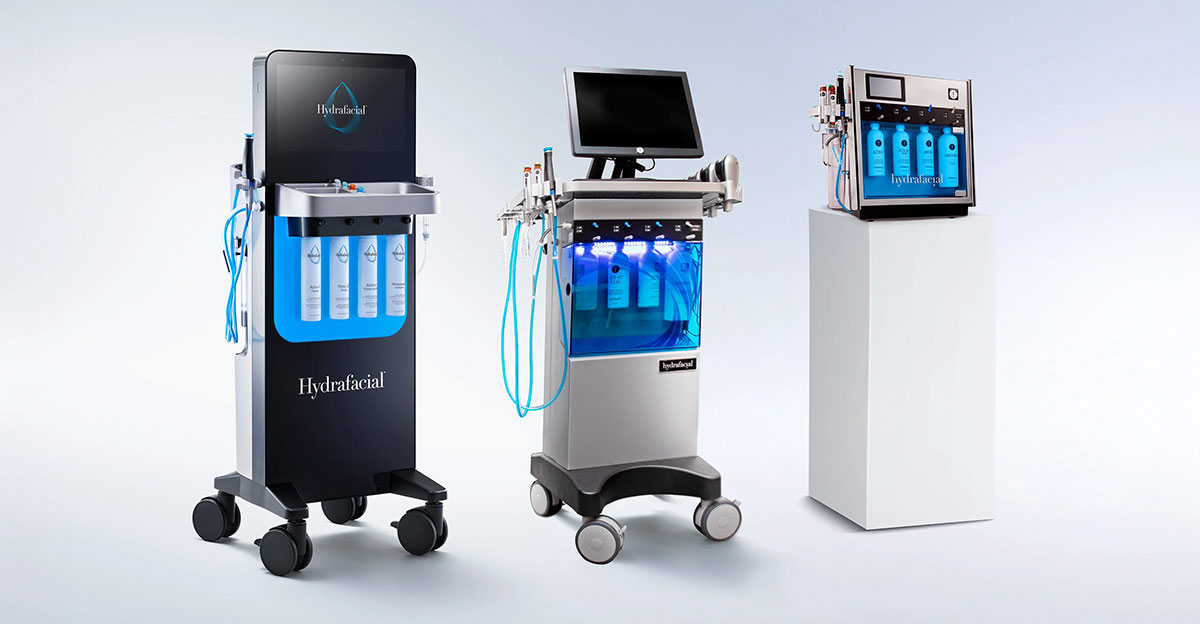
Tratamiento hidrofacial, a veces denominado hidradermoabrasión, es un procedimiento de rejuvenecimiento facial de varios pasos que combina limpieza, exfoliación, extracción, e infusión de suero en un solo dispositivo. La tecnología se basa en un mecanismo de succión de vórtice patentado que aspira simultáneamente las impurezas de los poros mientras administra sueros específicos en la piel recién exfoliada..
El mecanismo central se centra en la sistema de entrega de fusión de vórtice. Una punta de tratamiento especializada en forma de espiral crea un efecto de vórtice mientras se desliza por la piel.. Este diseño en espiral genera una presión negativa que extrae el sebo., células muertas de la piel, y desechos de los folículos al mismo tiempo que impulsa los ingredientes activos, como ácido hialurónico y péptidos, en la capa dérmica. El resultado es un tratamiento que limpia y nutre en una sola pasada..
Un tratamiento hidrofacial estándar sigue un protocolo estructurado:
- Drenaje linfático (opcional): La succión suave estimula el flujo linfático para reducir la hinchazón..
- Limpieza y exfoliación: Una punta exfoliante física elimina las células muertas de la piel..
- exfoliación química: Una solución suave de ácido glicólico o salicílico afloja la suciedad dentro de los poros.
- Extracción: La succión de vórtice elimina las impurezas de los folículos sin apretar manualmente.
- Infusión de suero: Sueros específicos con ácido hialurónico, péptidos, y los antioxidantes se entregan a través de la punta del vórtice.
- Terapia de luz LED (opcional): La luz roja estimula el colágeno.; La luz azul ataca las bacterias que causan el acné..
El tratamiento completo dura aproximadamente 30 minutos, sin tiempo de inactividad. La succión de vórtice funciona a presión negativa controlada, ajustable en tres a cinco niveles de intensidad para adaptarse a diferentes sensibilidades de la piel.
Según la literatura clínica., El mecanismo simultáneo de exfoliación y administración de suero mejora la penetración transepidérmica de los ingredientes activos.. Un estudio en el Revista de Dermatología Clínica y Estética demostró que la tecnología de fusión de vórtice mejoraba significativamente la hidratación de la piel y reducía la pérdida de agua transepidérmica, con resultados visibles inmediatamente después de una sola sesión.
Cómo funciona la microdermoabrasión con diamante
La microdermoabrasión con diamante es una técnica de exfoliación física que utiliza puntas de cristal naturales fracturadas con diamantes unidas a una varilla o pieza de mano.. A diferencia de la microdermoabrasión con cristales tradicional, que proyecta cristales de óxido de aluminio sobre la piel, El método de la punta de diamante elimina el riesgo de inhalación de cristales y residuos de partículas incrustados., convirtiéndolo en la opción preferida para entornos de spa modernos.
El mecanismo es sencillo pero eficaz.. Una punta con incrustaciones de diamantes con un específico tamaño de grano se dibuja a través de la superficie de la piel bajo control presión de vacío. La arena de diamante desgasta el estrato córneo., eliminar las células muertas de la piel capa por capa, mientras que la succión del vacío elimina inmediatamente los restos exfoliados. Esta doble acción de abrasión mecánica y aspiración mantiene limpia el área de tratamiento y evita que las partículas sueltas irriten el tejido circundante..
Las puntas de diamante están disponibles en diferentes tamaños de grano., típicamente categorizado como:
- Grano fino (aproximadamente 120 a 180 arena): Diseñado para pieles sensibles y zonas delicadas como alrededor de los ojos y la boca..
- Grano medio (aproximadamente 80 a 120 arena): El consejo estándar para la mayoría de tratamientos faciales., adecuado para pieles normales a mixtas.
- Grano grueso (aproximadamente 40 a 80 arena): Utilizado para pieles más gruesas., tratamientos corporales, o áreas que requieren un rejuvenecimiento más profundo, como estrías y cicatrices de acné.
La presión de vacío en las máquinas profesionales de microdermoabrasión con diamante suele oscilar entre 0.1 a 0.5 bar (aproximadamente 7.6 a 38 cmHg), ajustable en múltiples configuraciones. Se utilizan presiones más bajas para pieles sensibles o finas., mientras que las configuraciones más altas abordan las más gruesas, tipos de piel más resistentes. El vacío también tiene el propósito secundario de estimular el flujo sanguíneo local., que puede mejorar la circulación y promover un brillo saludable.
Una sesión típica de microdermoabrasión con diamantes dura 20 a 30 minutos para un tratamiento facial completo. Los operadores hacen 2 a 3 pasa sobre cada zona de tratamiento, ajustar la presión y el ángulo según la condición de la piel y los objetivos del tratamiento. A diferencia de los sistemas hidrofaciales, La microdermoabrasión diamante no incluye infusión de suero en la misma pasada.; cualquier suero o humectante tópico se aplica manualmente después de completar el paso de exfoliación.
Investigación publicada en Cirugía Dermatológica ha demostrado que la microdermoabrasión produce cambios mensurables en la matriz dérmica, incluyendo una mayor producción de colágeno y una mejor función de la barrera epidérmica durante una serie de tratamientos. Una revisión basada en evidencia en la misma revista confirmó que la microdermoabrasión puede mejorar las irregularidades del contorno de la piel., mejorar la administración transepidérmica de agentes tópicos, y estimular cambios beneficiosos en los constituyentes de la matriz dérmica.
Comparación cabeza a cabeza
| Parámetro | Máquina Hidrofacial | Microdermoabrasión de diamante |
|---|---|---|
| Mecanismo | Aspiración vortex con infusión simultánea de suero.; protocolo de varios pasos | Abrasión física mediante varilla con punta de diamante con aspiración al vacío |
| Profundidad de exfoliación | Superficial a moderado; controlado por la química del suero y la selección de puntas | Superficial a moderado; controlado por el tamaño del grano de diamante y el número de pasadas |
| Infusión de suero | Incorporado; sueros administrados a través de la punta de vórtice durante el tratamiento | No incluido; sueros aplicados manualmente después del tratamiento |
| Poder de succión | Succión de vórtice ajustable, típicamente 3 a 5 niveles | Presión de vacío ajustable, 0.1 a 0.5 bar, múltiples niveles |
| Tiempo de tratamiento | Aproximadamente 30 minutos (protocolo facial completo) | 20 a 30 minutos (solo exfoliación; la aplicación de suero agrega 5 a 10 minutos) |
| Falta del tiempo | Ninguno; Puede producirse un enrojecimiento leve, pero normalmente se resuelve en 1 hora | Ninguno a mínimo; el enrojecimiento leve puede persistir durante 2 a 4 horas |
| Duración de los resultados | 4 a 6 semanas con sesiones de mantenimiento cada 4 semanas | 3 a 4 semanas con sesiones de mantenimiento cada 2 a 4 semanas |
| Precio por sesión (Spa al por menor) | $150 a $300 por sesión | $75 a $175 por sesión |
| Costo del equipo (Grado profesional) | $3,000 a $15,000 Según características y marca. | $800 a $5,000 dependiendo de la configuración |
| Consumibles | Cartuchos de suero de un solo uso, puntas desechables, soluciones de limpieza | Puntas de diamante reutilizables (esterilizable), filtros desechables |
| Requisito de capacitación | Se recomienda capacitación certificada por el fabricante.; 4 a 8 horas | Formación básica del operador.; 2 a 4 horas |
Resultados del tratamiento: Lo que los clientes pueden esperar
Resultados del tratamiento hidrofacial
Los tratamientos hidrofaciales ofrecen mejoras visibles inmediatamente después de la primera sesión.. Los clientes suelen notar una textura de la piel más suave., apariencia reducida de líneas finas, tamaño de poro disminuido, y un brillo hidratado que dura varios días. El componente de infusión de suero garantiza que los ingredientes activos penetren eficazmente., abordar preocupaciones específicas como la hiperpigmentación, deshidración, y pérdida de elasticidad.
Las evaluaciones clínicas de la tecnología de fusión de vórtices han mostrado mejoras mensurables en los niveles de hidratación de la piel., con una pérdida de agua transepidérmica que disminuye hasta 25 porcentaje inmediatamente después del tratamiento. A lo largo de una serie de 4 a 6 sesiones espaciadas 2 a 4 semanas de diferencia, Los beneficios acumulativos incluyen una mejor uniformidad del tono de la piel., Reducción de la producción de sebo en pieles grasas., y densidad de colágeno mejorada visible en imágenes de ultrasonido.
La naturaleza de varios pasos del tratamiento también significa que cada sesión aborda múltiples inquietudes simultáneamente.. Una sola sesión hidrofacial proporciona limpieza, exfoliación química, extracción mecánica, entrega de antioxidantes, y terapia de luz, lo que lo convierte en una opción eficiente para los clientes que buscan una mejora integral de la piel sin aplicar múltiples tratamientos separados..
Resultados de la microdermoabrasión con diamante
La microdermoabrasión con diamante destaca por mejorar la textura y el tono de la piel mediante una exfoliación física controlada.. Después de una sola sesión, Los clientes notan una superficie de piel más suave., rugosidad reducida, y una tez más luminosa ya que la eliminación de la acumulación de células muertas revela una piel más fresca debajo. A lo largo de una serie de 5 a 10 tratos, Los resultados incluyen el suavizado de las líneas finas superficiales., aclaración de la pigmentación de la superficie, y mejora progresiva de la firmeza de la piel.
La precisión de la abrasión con punta de diamante la hace particularmente eficaz para abordar problemas localizados, como zonas ásperas., cicatrices leves de acné, y textura desigual en áreas específicas. Los operadores pueden cambiar entre tamaños de grano durante una sola sesión para un tratamiento personalizado de diversas zonas faciales y corporales..
Estudios en el Revista Americana de Dermatología Clínica indican que una serie de tratamientos de microdermoabrasión pueden aumentar la producción de colágeno tipo I y mejorar la función de la barrera epidérmica. Porque la microdermoabrasión con diamante no incluye la administración activa de suero durante el tratamiento., la aplicación del producto post-tratamiento es esencial. Muchos operadores lo combinan con un paso separado de suero o mascarilla para maximizar los resultados..
Condiciones de la piel: ¿Qué tecnología funciona mejor?
Los diferentes problemas de la piel responden de forma diferente a cada tecnología. Comprender estas distinciones ayuda a los propietarios de spa a adaptar su menú de servicios y recomendar el tratamiento adecuado a cada cliente..
| Condición de la piel | Tecnología recomendada | Razón fundamental |
|---|---|---|
| Acné y poros congestionados | hidrofacial | La extracción con vórtice elimina el sebo y la suciedad de los poros de forma más eficaz que la abrasión física sola.. La infusión de suero de ácido salicílico ataca las bacterias que causan el acné. La opción de terapia con LED azules reduce aún más la actividad bacteriana. |
| Líneas finas y piel envejecida | hidrofacial | La infusión de suero de péptidos y antioxidantes proporciona ingredientes antienvejecimiento directamente a la capa dérmica.. La terapia con luz roja LED estimula la producción de colágeno. El protocolo de varios pasos aborda múltiples factores de envejecimiento simultáneamente. |
| Hiperpigmentación y embotamiento | Ambos (enfoque combinado óptimo) | La microdermoabrasión con diamante elimina las células superficiales pigmentadas, mientras que la infusión de suero hidrofacial proporciona agentes iluminadores como vitamina C y niacinamida.. Muchos spas ofrecen un protocolo combinado.. |
| Piel Sensible y Rosácea | hidrofacial | Los ajustes de succión más bajos y las formulaciones de suero suaves hacen que el hidrofacial sea más adecuado para pieles reactivas.. La abrasión del diamante puede causar irritación en barreras delgadas o comprometidas.. Realice siempre una prueba de parche para cualquiera de las modalidades.. |
| Piel grasa y engrosada | Microdermoabrasión de diamante | Los tamaños de grano más gruesos abordan eficazmente el estrato córneo engrosado y la acumulación excesiva de sebo.. La exfoliación física proporciona un rejuvenecimiento más agresivo para los tipos de piel resistentes.. |
| Cicatrización superficial del acné | Microdermoabrasión de diamante | La abrasión controlada ayuda a suavizar las irregularidades texturales superficiales.. Varias sesiones con puntas de grano medio a grueso pueden mejorar gradualmente la apariencia de cicatrices atróficas superficiales. |
| Piel deshidratada | hidrofacial | El paso de infusión de suero centrado en la hidratación administra ácido hialurónico y agentes humectantes directamente en la piel., abordar la deshidratación de manera más efectiva que la exfoliación sola. |
Ambos tratamientos son procedimientos cosméticos no invasivos.. Clientes con inflamación activa del acné., heridas abiertas, brotes de eczema, rosácea en fase aguda, o el uso reciente de isotretinoína debe consultar a un dermatólogo antes de someterse a cualquiera de los tratamientos. Las clientas embarazadas deben evitar los componentes del peeling químico en los protocolos hidrofaciales.
Análisis de costos y retorno de la inversión
Comprender el panorama financiero es fundamental a la hora de decidir en qué tecnología invertir para su spa.. El análisis de costos se extiende más allá del precio de compra del equipo para incluir los consumibles., mantenimiento, potencial de precios, y factores de retención de clientes.
Inversión en equipos
Las máquinas hidrofaciales de calidad profesional suelen variar desde $3,000 a $15,000 dependiendo de los pasos del tratamiento, sofisticación del cartucho de suero, y características adicionales como terapia LED y múltiples opciones de piezas de mano. Las unidades clínicas premium caen en el $8,000 a $15,000 rango.
Las máquinas de microdermoabrasión con diamante son generalmente más asequibles., con unidades profesionales que van desde $800 a $5,000. El diseño mecánico más simple mantiene los costos de fabricación más bajos. Las unidades multifunción que combinan la microdermoabrasión con diamante con un tratamiento ultrasónico o de alta frecuencia pueden alcanzar $3,000 a $5,000.
Consumibles y costos operativos
Los sistemas hidrofaciales requieren compras continuas de consumibles: cartuchos de suero de un solo uso, puntas de vórtice desechables, y soluciones de limpieza. El costo típico de consumibles por sesión oscila entre $8 a $20 dependiendo del protocolo sérico. Para un spa actuando 20 sesiones por semana, costos mensuales de consumibles ejecutados $640 a $1,600.
La microdermoabrasión con diamante tiene costos de consumibles significativamente más bajos. Las puntas de diamante son reutilizables y esterilizables., con reemplazo necesario después de aproximadamente 200 a 300 usos. El consumible principal es un filtro desechable que cuesta $0.50 a $1.00 por sesión. Costos mensuales de consumibles para 20 sesiones por semana total $40 a $80.
Potencial de ingresos
Las sesiones hidrofaciales tienen precios superiores debido a los múltiples pasos., posicionamiento de marca premium. El precio minorista típico de un spa varía desde $150 a $300 por sesión, con precios de paquete para series de 4 a 6 sesiones. En un promedio de $200 por sesión y 20 sesiones semanales, Los ingresos brutos mensuales pueden alcanzar $16,000 o más.
Las sesiones de microdermoabrasión con diamantes generalmente se venden por $75 a $175 por sesión, con paquetes de 6 a 10 sesiones comunes. En un promedio de $100 por sesión y 20 sesiones semanales, los ingresos brutos mensuales alcanzan aproximadamente $8,000. El precio más bajo atrae a una base de clientes más amplia y fomenta visitas frecuentes..
Cálculo del punto de equilibrio
Para una máquina hidrofacial con un precio de $8,000 con $15 costo promedio de consumibles y $200 precio de la sesión, el margen bruto es $185 por sesión. En 20 sesiones por semana, el punto de equilibrio se alcanza en aproximadamente 2.2 semanas, o 4 a 6 semanas, incluido el tiempo de marketing y del personal.
Para una máquina de microdermoabrasión con diamante con un precio de $2,500 con $1 costo de consumibles y $100 precio de la sesión, el margen bruto es $99 por sesión. En 20 sesiones por semana, el punto de equilibrio se produce en aproximadamente 1.3 semanas, o 2 a 3 semanas, incluidos los gastos operativos.
Cuál elegir según su clientela
La decisión en la comparación entre hidrofacial y microdermoabrasión debe depender del mercado objetivo de su spa., menú de servicio existente, y estrategia empresarial. Aquí hay escenarios específicos para guiar su elección..
Elija hidrofacial si su spa está dirigido:
- Clientela premium y de lujo: El protocolo de varios pasos, personalización del suero, y el brillo visible justifican precios más altos y atraen a clientes dispuestos a pagar por tratamientos integrales.
- Servicios enfocados al anti-envejecimiento: Las capacidades de infusión de péptidos y antioxidantes., combinado con terapia LED, hacer del hidrofacial la mejor opción para los clientes preocupados por las líneas finas, pérdida de firmeza, y embotamiento.
- Datos demográficos de la piel sensible y propensa al acné: La suave extracción con vórtice y los protocolos de suero personalizables abordan el acné sin la irritación que puede causar la abrasión física..
- Negocio facial de gran volumen: El tiempo de tratamiento de 30 minutos y los resultados visibles inmediatos impulsan las reservas repetidas y las tasas de retención de clientes de 70 por ciento o más.
Elija Diamond Microdermoabrasion si su spa está dirigido:
- Clientes conscientes del valor: El precio más bajo de la sesión hace que los tratamientos de exfoliación sean accesibles a un grupo demográfico más amplio., Fomentar visitas periódicas y compras de paquetes..
- Servicios de tratamientos corporales.: La microdermoabrasión con diamante es muy eficaz para áreas del cuerpo más allá del rostro., incluyendo el cuello, escote, manos, y áreas de estrías, ampliando su menú de servicios.
- Tratamientos rápidos a la hora del almuerzo: Con sesiones tan cortas como 20 minutos, La microdermoabrasión con diamante encaja fácilmente en los menús de servicios exprés y se adapta a clientes ocupados..
- Protocolos de tratamiento complementarios: Si tu spa ya ofrece peelings químicos, Terapia LED, o tratamientos ultrasónicos, capas de microdermoabrasión de diamante de forma eficaz y sin redundancia.
Considere ambas tecnologías si:
- Su spa atiende a un grupo demográfico mixto con clientes tanto premium como preocupados por el valor..
- Quiere ofrecer precios escalonados con exfoliación básica (diamante) y tratamientos faciales premium de varios pasos (hidrofacial).
- Sus esteticistas pueden realizar ventas cruzadas entre modalidades basándose en evaluaciones individuales de los clientes..
- Tiene el espacio y el presupuesto para acomodar dos dispositivos con diferentes requisitos operativos.
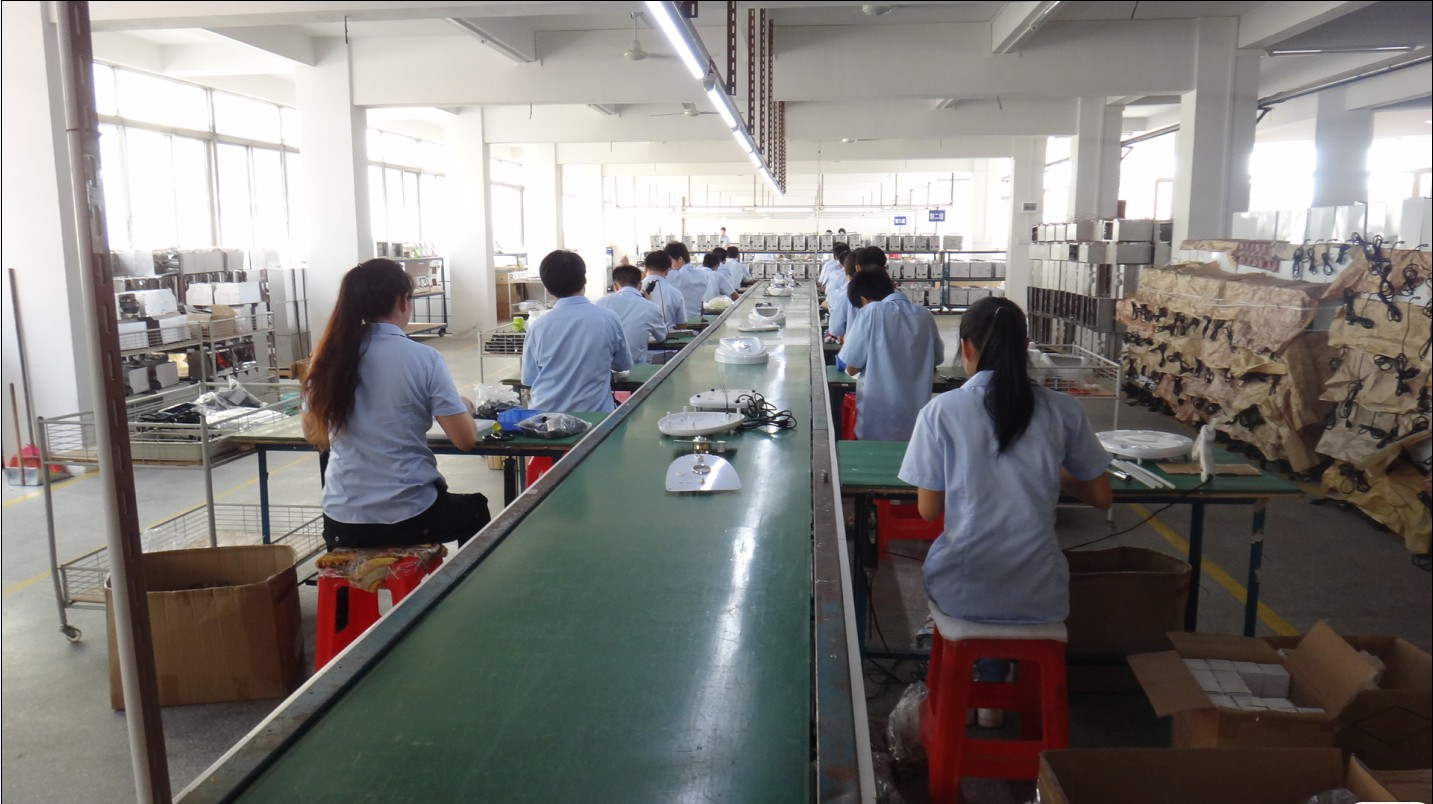
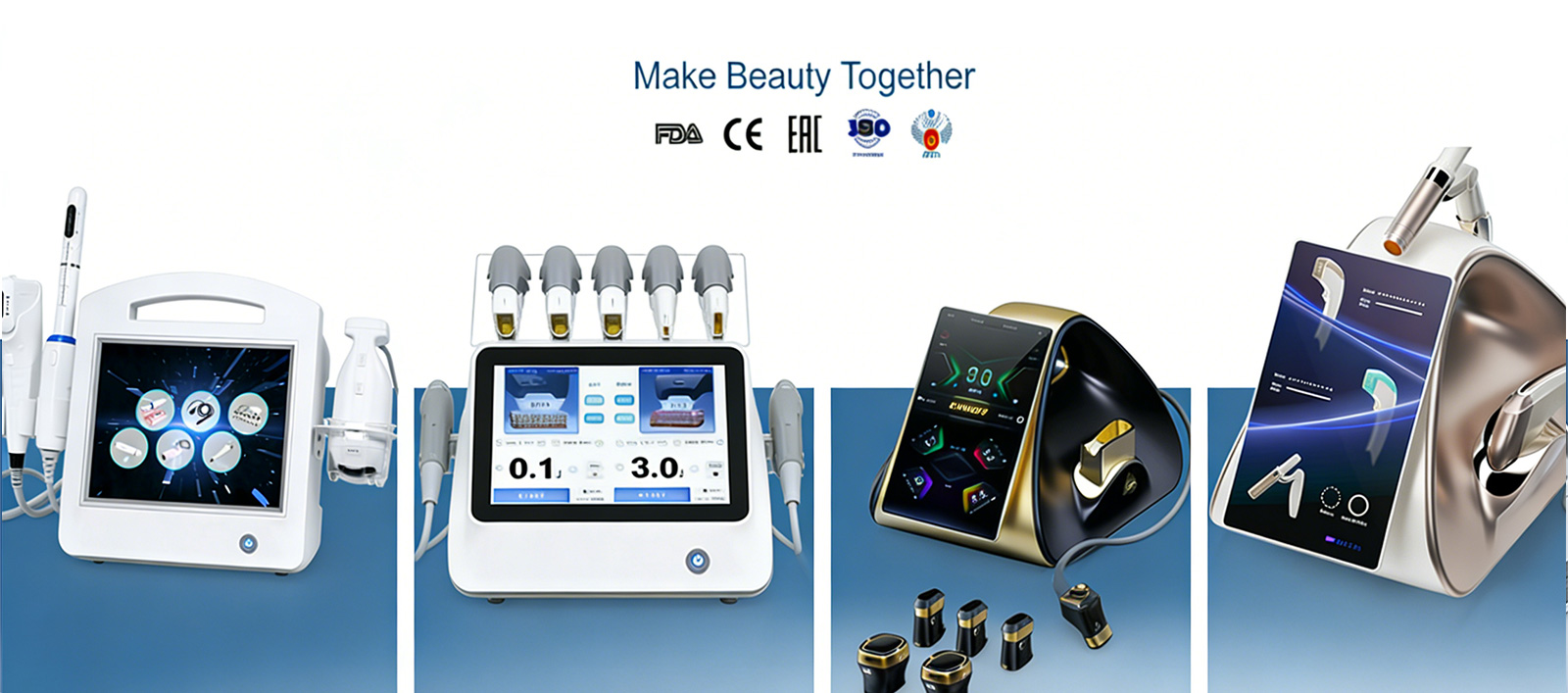
UangelCare, Como fabricante OEM/ODM con sede en Guangzhou, Porcelana, Ofrece máquinas de microdermoabrasión hidrofacial y de diamante., Permitir a los propietarios de spa obtener ambas tecnologías de un único proveedor con estándares de calidad consistentes., términos de garantía unificados, y formación integrada.
Preguntas frecuentes
¿El tratamiento hidrofacial es seguro para todo tipo de piel??
El tratamiento hidrofacial generalmente es seguro para todo tipo de piel., incluyendo piel sensible, cuando los niveles de succión y las formulaciones de suero se seleccionan apropiadamente. Sin embargo, personas con infecciones cutáneas activas, heridas abiertas, rosácea severa, o el uso reciente de isotretinoína debe consultar a un dermatólogo antes del tratamiento.
Cuantas sesiones se necesitan para ver resultados con la microdermoabrasión con diamante?
La mayoría de los clientes notan una mejora inmediata en la suavidad y el brillo de la piel después de una sola sesión.. Para beneficios acumulativos como la reducción de la pigmentación superficial., suavizado de líneas finas, y mejora de las cicatrices del acné, una serie de 5 a 10 tratamientos espaciados 1 a 2 Se recomienda semanas de diferencia. El mantenimiento mensual sostiene los resultados.
¿Se puede combinar la microdermoabrasión hidrofacial y diamante en una sola sesión??
Sí. Muchos spas avanzados ofrecen protocolos combinados en los que primero se realiza la microdermoabrasión con diamante para preparar la piel mediante exfoliación física., seguido de un paso de infusión de suero hidrofacial. Esta combinación puede mejorar la penetración del suero y proporcionar resultados más espectaculares., aunque requiere una programación cuidadosa para evitar la exfoliación excesiva.
¿Cuál es el requisito de mantenimiento para las máquinas hidrofaciales??
Las máquinas hidrofaciales requieren una limpieza diaria de la punta del vórtice., sistema de cartucho de suero, y líneas fluidas. Se recomienda una limpieza profunda mensual de los sistemas internos de tuberías y bombas.. La mayoría de las unidades profesionales cuentan con funciones de autodiagnóstico.. Con el cuidado adecuado, una máquina hidrofacial de calidad tiene una vida útil de 5 a 8 años.
¿Los resultados del tratamiento hidrofacial son permanentes??
No, Los resultados hidrofaciales no son permanentes.. Los efectos inmediatos de brillo e hidratación suelen durar 5 a 7 días, mientras que las mejoras acumulativas se desarrollan a lo largo de una serie de tratamientos. Para mantener los resultados, Los clientes deben programar sesiones de mantenimiento cada 4 a 6 semanas y siga una rutina constante de cuidado de la piel en casa.
¿Qué certificaciones debo buscar al comprar estas máquinas??
Al adquirir equipos de microdermoabrasión hidrofacial o de diamante para uso profesional, buscar máquinas con Marcado CE para el cumplimiento europeo, Aprobación de la FDA para el mercado estadounidense, y ISO 13485 Certificación para la gestión de calidad de dispositivos médicos.. Para equipos fabricados en China, NMPA La certificación garantiza el cumplimiento normativo nacional.. Los equipos de UangelCare llevan CE e ISO 13485 certificaciones, con autorización parcial de la FDA y registro completo de NMPA.
¿Cuánto tiempo tarda el envío de los equipos pedidos a UangelCare??
UangelCare mantiene un plazo de producción de 3 a 7 días para configuraciones estándar, con envío aéreo a EE. UU. y Europa tomando 7 a 15 días. Configuraciones OEM u ODM personalizadas con marca específica, esquemas de color, o las modificaciones del protocolo pueden extender el tiempo de producción en 5 a 10 días. Todos los envíos incluyen seguimiento y seguro..
¿UangelCare brinda capacitación con la compra de equipos??
Sí. UangelCare incluye capacitación integral del operador con cada compra de equipo, cubriendo la configuración del dispositivo, protocolos de tratamiento, procedimientos de seguridad, mantenimiento, y solución de problemas. La formación se imparte a través de vídeotutoriales., manuales impresos, y consultas por video en vivo. Para pedidos OEM a granel, Se puede organizar formación in situ..
Productos y recursos relacionados
- Página del producto de la máquina hidrofacial – Explore la gama de dispositivos hidrofaciales profesionales de UangelCare con tecnología vortex.
- Página del producto de la máquina de dermoabrasión con diamante – Explore los sistemas de microdermoabrasión con diamantes de UangelCare para uso en spas y clínicas.
- Categoría de máquina facial – Catálogo completo de equipos de tratamiento facial incluyendo plataformas multifunción..
- Blog de equipamiento estético – guías técnicas, protocolos de tratamiento, y conocimientos de la industria para operadores de spas y clínicas.
Este artículo está dirigido a profesionales de clínicas y spas que evalúan equipos estéticos.. Las referencias clínicas se basan en literatura dermatológica revisada por pares.. Los resultados individuales pueden variar según la condición de la piel del cliente., técnica del operador, y configuración del dispositivo. Siga siempre los protocolos del fabricante y las regulaciones locales aplicables..
Acerca de UangelCare: Guangzhou Uangel Tecnología Co., Ltd., Limitado. es un fabricante OEM/ODM de dispositivos estéticos establecido en 2016. Con 51 a 200 empleados y certificaciones incluyendo NMPA, ISO 13485, CE, y autorización parcial de la FDA, UangelCare suministra máquinas hidrofaciales, sistemas de dermoabrasión con diamante, y plataformas estéticas multifunción para spas, clínicas, y distribuidores en todo el mundo. Todos los productos incluyen 1 año de garantía., entrenamiento del operador, y soporte técnico. Plazo de producción: 3 a 7 días. Envío aéreo a EE. UU./UE: 7 a 15 días.