

When upgrading your spa’s facial treatment offerings, two technologies dominate the conversation: hydrofacial machines and diamond microdermabrasion systems. Both deliver exfoliation and skin rejuvenation, but their mechanisms, clinical outcomes, and business economics differ significantly. This guide breaks down the technical specifications, treatment results, and ROI considerations to help you make an informed decision on the hydrofacial vs microdermabrasion debate for your business.
Key Takeaways
- Hydrofacial machines combine vortex suction with serum infusion in a single multi-step treatment, delivering both exfoliation and active ingredient delivery in approximately 30 minutes.
- Diamond microdermabrasion uses physical abrasion via diamond-tipped heads with vacuum suction, offering precise control over exfoliation depth but without simultaneous serum delivery.
- Hydrofacial treatments command 30 to 50 percent higher per-session pricing due to multi-step functionality and visible hydration results, while diamond microdermabrasion offers faster treatment times and lower equipment cost.
- Sensitive and acne-prone skin generally responds better to hydrofacial technology, whereas diamond microdermabrasion excels at addressing rough texture, superficial pigmentation, and thickened skin.
- UangelCare manufactures both hydrofacial and diamond dermabrasion machines with full OEM/ODM customization, NMPA and CE certification, and comprehensive operator training included with every order.
How Hydrofacial Technology Works
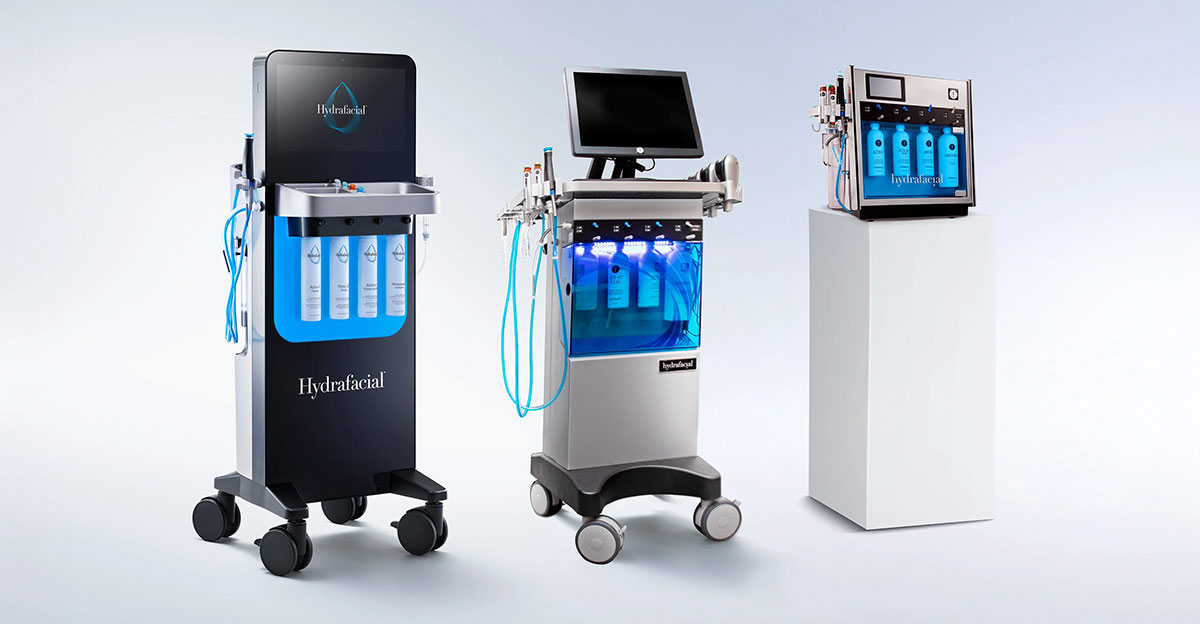
Hydrofacial treatment, sometimes referred to as hydradermabrasion, is a multi-step facial resurfacing procedure that combines cleansing, exfoliation, extraction, and serum infusion in a single device. The technology relies on a patented vortex suction mechanism that simultaneously vacuums impurities from the pores while delivering targeted serums into the freshly exfoliated skin.
The core mechanism centers on the vortex fusion delivery system. A specialized spiral-shaped treatment tip creates a vortex effect as it glides across the skin. This spiral design generates negative pressure that draws out sebum, dead skin cells, and debris from follicles while simultaneously pushing active ingredients, such as hyaluronic acid and peptides, into the dermal layer. The result is a treatment that cleanses and nourishes in a single pass.
A standard hydrofacial treatment follows a structured protocol:
- Lymphatic drainage (optional): Gentle suction stimulates lymph flow to reduce puffiness.
- Cleansing and exfoliation: A physical exfoliating tip removes dead skin cells.
- Chemical peel: A mild glycolic or salicylic acid solution loosens debris within pores.
- Extraction: Vortex suction removes impurities from follicles without manual squeezing.
- Serum infusion: Targeted serums with hyaluronic acid, peptides, and antioxidants are delivered through the vortex tip.
- LED light therapy (optional): Red light stimulates collagen; blue light targets acne-causing bacteria.
The entire treatment takes approximately 30 minutes, with no downtime. Vortex suction operates at controlled negative pressure, adjustable across three to five intensity levels to accommodate different skin sensitivities.
According to clinical literature, the simultaneous exfoliation and serum delivery mechanism enhances transepidermal penetration of active ingredients. A study in the Journal of Clinical and Aesthetic Dermatology demonstrated that vortex-fusion technology significantly improved skin hydration and reduced transepidermal water loss, with results visible immediately after a single session.
How Diamond Microdermabrasion Works
Diamond microdermabrasion is a physical exfoliation technique that uses natural diamond-fractured crystal tips attached to a wand or handpiece. Unlike traditional crystal microdermabrasion, which projects aluminum oxide crystals onto the skin, the diamond-tip method eliminates the risk of crystal inhalation and embedded particle residue, making it the preferred choice for modern spa environments.
The mechanism is straightforward but effective. A diamond-encrusted tip with a specific grit size is drawn across the skin surface under controlled vacuum pressure. The diamond grit abrades the stratum corneum, removing dead skin cells layer by layer, while the vacuum suction immediately whisks away the exfoliated debris. This dual action of mechanical abrasion and aspiration keeps the treatment area clean and prevents loose particles from irritating surrounding tissue.
Diamond tips are available in different grit sizes, typically categorized as:
- Fine grit (approximately 120 to 180 grit): Designed for sensitive skin and delicate areas such as around the eyes and mouth.
- Medium grit (approximately 80 to 120 grit): The standard tip for most facial treatments, suitable for normal to combination skin.
- Coarse grit (approximately 40 to 80 grit): Used for thicker skin, body treatments, or areas requiring deeper resurfacing such as stretch marks and acne scarring.
Vacuum pressure in professional diamond microdermabrasion machines typically ranges from 0.1 to 0.5 bar (approximately 7.6 to 38 cmHg), adjustable across multiple settings. Lower pressures are used for sensitive or thin skin, while higher settings address thicker, more resilient skin types. The vacuum also serves a secondary purpose of stimulating local blood flow, which can improve circulation and promote a healthy glow.
A typical diamond microdermabrasion session lasts 20 to 30 minutes for a full-face treatment. Operators make 2 to 3 passes over each treatment zone, adjusting pressure and angle based on the skin condition and treatment goals. Unlike hydrofacial systems, diamond microdermabrasion does not include serum infusion in the same pass; any topical serums or moisturizers are applied manually after the exfoliation step is complete.
Research published in Dermatologic Surgery has shown that microdermabrasion produces measurable changes in the dermal matrix, including increased collagen production and improved epidermal barrier function over a series of treatments. An evidence-based review in the same journal confirmed that microdermabrasion can improve skin contour irregularities, enhance transepidermal delivery of topical agents, and stimulate beneficial changes in dermal matrix constituents.
Head-to-Head Comparison
| Parameter | Hydrofacial Machine | Diamond Microdermabrasion |
|---|---|---|
| Mechanism | Vortex suction with simultaneous serum infusion; multi-step protocol | Physical abrasion via diamond-tip wand with vacuum aspiration |
| Exfoliation Depth | Superficial to moderate; controlled by serum chemistry and tip selection | Superficial to moderate; controlled by diamond grit size and number of passes |
| Serum Infusion | Built-in; serums delivered through vortex tip during treatment | Not included; serums applied manually post-treatment |
| Suction Power | Adjustable vortex suction, typically 3 to 5 levels | Adjustable vacuum pressure, 0.1 to 0.5 bar, multiple levels |
| Treatment Time | Approximately 30 minutes (full facial protocol) | 20 to 30 minutes (exfoliation only; serum application adds 5 to 10 minutes) |
| Downtime | None; mild redness may occur but typically resolves within 1 hour | None to minimal; mild redness may persist for 2 to 4 hours |
| Results Duration | 4 to 6 weeks with maintenance sessions every 4 weeks | 3 to 4 weeks with maintenance sessions every 2 to 4 weeks |
| Price per Session (Spa Retail) | $150 to $300 per session | $75 to $175 per session |
| Equipment Cost (Professional Grade) | $3,000 to $15,000 depending on features and brand | $800 to $5,000 depending on configuration |
| Consumables | Single-use serum cartridges, disposable tips, cleansing solutions | Reusable diamond tips (sterilizable), disposable filters |
| Training Requirement | Manufacturer-certified training recommended; 4 to 8 hours | Basic operator training; 2 to 4 hours |
Treatment Results: What Clients Can Expect
Hydrofacial Treatment Results
Hydrofacial treatments deliver visible improvements immediately after the first session. Clients typically notice smoother skin texture, reduced appearance of fine lines, diminished pore size, and a hydrated glow that lasts several days. The serum infusion component ensures that active ingredients penetrate effectively, addressing specific concerns such as hyperpigmentation, dehydration, and loss of elasticity.
Clinical assessments of vortex-fusion technology have shown measurable improvements in skin hydration levels, with transepidermal water loss decreasing by up to 25 percent immediately post-treatment. Over a series of 4 to 6 sessions spaced 2 to 4 weeks apart, cumulative benefits include improved skin tone uniformity, reduced sebum production in oily skin types, and enhanced collagen density visible on ultrasound imaging.
The multi-step nature of the treatment also means that each session addresses multiple concerns simultaneously. A single hydrofacial session provides cleansing, chemical exfoliation, mechanical extraction, antioxidant delivery, and light therapy, making it an efficient option for clients seeking comprehensive skin improvement without layering multiple separate treatments.
Diamond Microdermabrasion Results
Diamond microdermabrasion excels at improving skin texture and tone through controlled physical exfoliation. After a single session, clients notice smoother skin surface, reduced roughness, and a brighter complexion as the removal of dead cell buildup reveals fresher skin underneath. Over a series of 5 to 10 treatments, results include softening of superficial fine lines, lightening of surface pigmentation, and progressive improvement in skin firmness.
The precision of diamond-tip abrasion makes it particularly effective for addressing localized concerns such as rough patches, mild acne scarring, and uneven texture on specific areas. Operators can switch between grit sizes during a single session for customized treatment of varied facial and body zones.
Studies in the American Journal of Clinical Dermatology indicate that a series of microdermabrasion treatments can increase type I collagen production and improve epidermal barrier function. Because diamond microdermabrasion does not include active serum delivery during treatment, post-treatment product application is essential. Many operators combine it with a separate serum or mask step to maximize results.
Skin Conditions: Which Technology Works Best
Different skin concerns respond differently to each technology. Understanding these distinctions helps spa owners tailor their service menu and recommend the appropriate treatment to each client.
| Skin Condition | Recommended Technology | Rationale |
|---|---|---|
| Acne and Congested Pores | Hydrofacial | Vortex extraction removes sebum and debris from pores more effectively than physical abrasion alone. Salicylic acid serum infusion targets acne-causing bacteria. Blue LED therapy option further reduces bacterial activity. |
| Fine Lines and Aging Skin | Hydrofacial | Peptide and antioxidant serum infusion delivers anti-aging ingredients directly to the dermal layer. LED red light therapy stimulates collagen production. Multi-step protocol addresses multiple aging factors simultaneously. |
| Hyperpigmentation and Dullness | Both (combined approach optimal) | Diamond microdermabrasion removes pigmented surface cells, while hydrofacial serum infusion delivers brightening agents such as vitamin C and niacinamide. Many spas offer a combined protocol. |
| Sensitive Skin and Rosacea | Hydrofacial | Lower suction settings and gentle serum formulations make hydrofacial more suitable for reactive skin. Diamond abrasion may cause irritation on thin or compromised barriers. Always perform a patch test for either modality. |
| Oily and Thickened Skin | Diamond Microdermabrasion | Coarser grit sizes effectively address thickened stratum corneum and excess sebum buildup. Physical exfoliation provides more aggressive resurfacing for resilient skin types. |
| Superficial Acne Scarring | Diamond Microdermabrasion | Controlled abrasion helps smooth superficial textural irregularities. Multiple sessions with medium to coarse grit tips can gradually improve the appearance of shallow atrophic scars. |
| Dehydrated Skin | Hydrofacial | The hydration-focused serum infusion step delivers hyaluronic acid and moisturizing agents directly into the skin, addressing dehydration more effectively than exfoliation alone. |
Both treatments are non-invasive cosmetic procedures. Clients with active acne inflammation, open wounds, eczema flare-ups, rosacea in acute phase, or recent isotretinoin use should consult a dermatologist before undergoing either treatment. Pregnant clients should avoid chemical peel components in hydrofacial protocols.
Cost and ROI Analysis
Understanding the financial picture is critical when deciding which technology to invest in for your spa. The cost analysis extends beyond the equipment purchase price to include consumables, maintenance, pricing potential, and client retention factors.
Equipment Investment
Professional-grade hydrofacial machines typically range from $3,000 to $15,000 depending on treatment steps, serum cartridge sophistication, and additional features such as LED therapy and multiple handpiece options. Premium clinical units fall in the $8,000 to $15,000 range.
Diamond microdermabrasion machines are generally more affordable, with professional units ranging from $800 to $5,000. The simpler mechanical design keeps manufacturing costs lower. Multi-function units combining diamond microdermabrasion with ultrasonic or high-frequency treatment may reach $3,000 to $5,000.
Consumables and Operating Costs
Hydrofacial systems require ongoing consumable purchases: single-use serum cartridges, disposable vortex tips, and cleaning solutions. Typical consumable cost per session ranges from $8 to $20 depending on the serum protocol. For a spa performing 20 sessions per week, monthly consumable costs run $640 to $1,600.
Diamond microdermabrasion has significantly lower consumable costs. Diamond tips are reusable and sterilizable, with replacement needed after approximately 200 to 300 uses. The primary consumable is a disposable filter costing $0.50 to $1.00 per session. Monthly consumable costs for 20 sessions per week total $40 to $80.
Revenue Potential
Hydrofacial sessions command premium pricing due to the multi-step, premium-brand positioning. Typical spa retail pricing ranges from $150 to $300 per session, with package pricing for series of 4 to 6 sessions. At an average of $200 per session and 20 sessions weekly, monthly gross revenue can reach $16,000 or more.
Diamond microdermabrasion sessions typically retail for $75 to $175 per session, with packages of 6 to 10 sessions common. At an average of $100 per session and 20 sessions weekly, monthly gross revenue reaches approximately $8,000. The lower price point attracts a broader client base and encourages frequent visits.
Break-Even Calculation
For a hydrofacial machine priced at $8,000 with $15 average consumable cost and $200 session price, the gross margin is $185 per session. At 20 sessions per week, break-even is reached in approximately 2.2 weeks, or 4 to 6 weeks including marketing and staff time.
For a diamond microdermabrasion machine priced at $2,500 with $1 consumable cost and $100 session price, the gross margin is $99 per session. At 20 sessions per week, break-even occurs in approximately 1.3 weeks, or 2 to 3 weeks including operational overhead.
Which to Choose Based on Your Clientele
The decision in the hydrofacial vs microdermabrasion comparison should be driven by your spa’s target market, existing service menu, and business strategy. Here are specific scenarios to guide your choice.
Choose Hydrofacial If Your Spa Targets:
- Premium and luxury clientele: The multi-step protocol, serum customization, and visible glow justify higher pricing and attract clients willing to pay for comprehensive treatments.
- Anti-aging focused services: The peptide and antioxidant infusion capabilities, combined with LED therapy, make hydrofacial the stronger choice for clients concerned with fine lines, loss of firmness, and dullness.
- Acne-prone and sensitive skin demographics: The gentle vortex extraction and customizable serum protocols address acne without the irritation that physical abrasion can cause.
- High-volume facial business: The 30-minute treatment time and immediate visible results drive repeat bookings and client retention rates of 70 percent or higher.
Choose Diamond Microdermabrasion If Your Spa Targets:
- Value-conscious clients: The lower session price point makes exfoliation treatments accessible to a broader demographic, encouraging regular visits and package purchases.
- Body treatment services: Diamond microdermabrasion is highly effective for body areas beyond the face, including neck, decollete, hands, and stretch mark areas, expanding your service menu.
- Quick-lunchtime treatments: With sessions as short as 20 minutes, diamond microdermabrasion fits easily into express service menus and accommodates busy clients.
- Complementary treatment protocols: If your spa already offers chemical peels, LED therapy, or ultrasonic treatments, diamond microdermabrasion layers effectively without redundancy.
Consider Both Technologies If:
- Your spa serves a mixed demographic with both premium and value-conscious clients.
- You want to offer tiered pricing with entry-level exfoliation (diamond) and premium multi-step facials (hydrofacial).
- Your estheticians can cross-sell between modalities based on individual client assessments.
- You have the space and budget to accommodate two devices with different operational requirements.
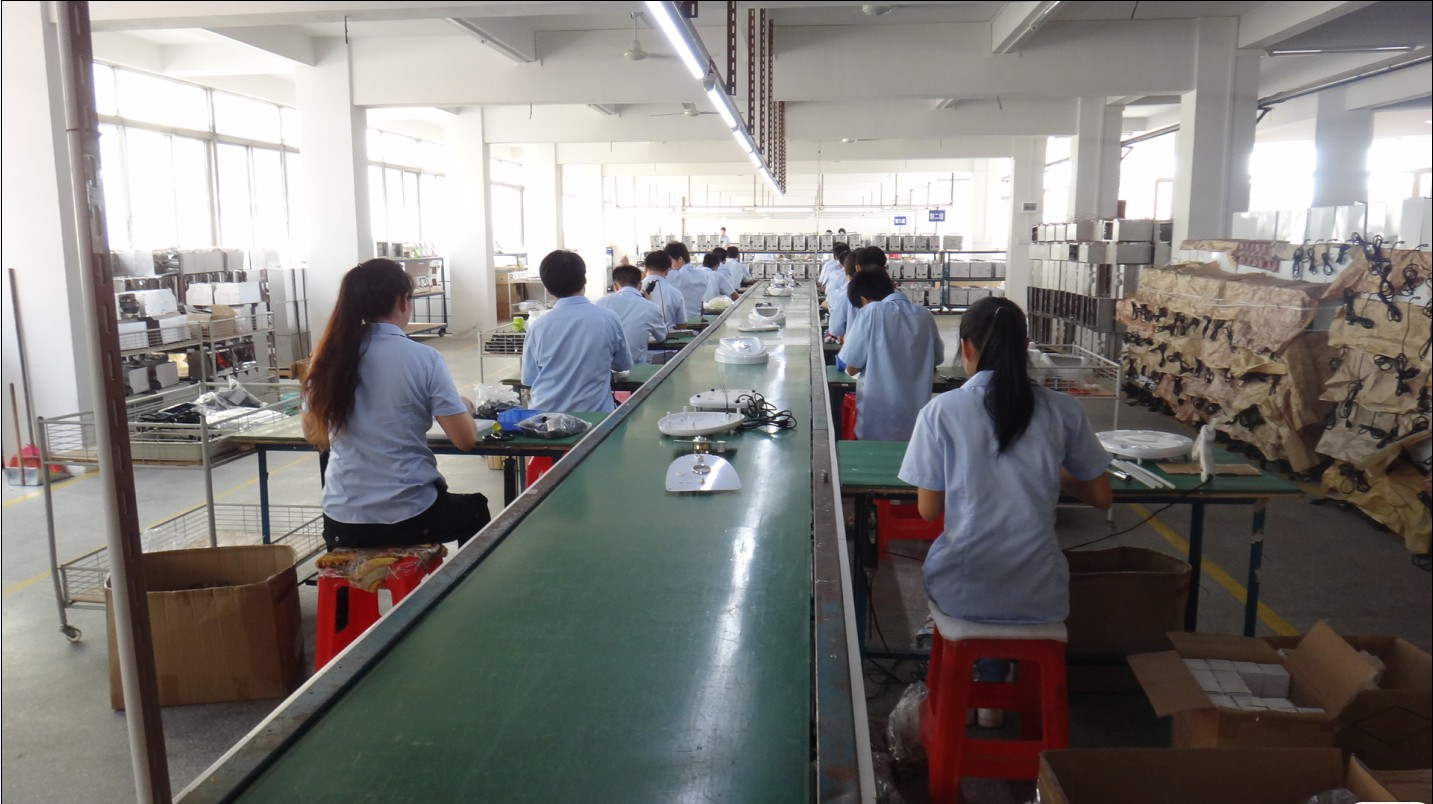
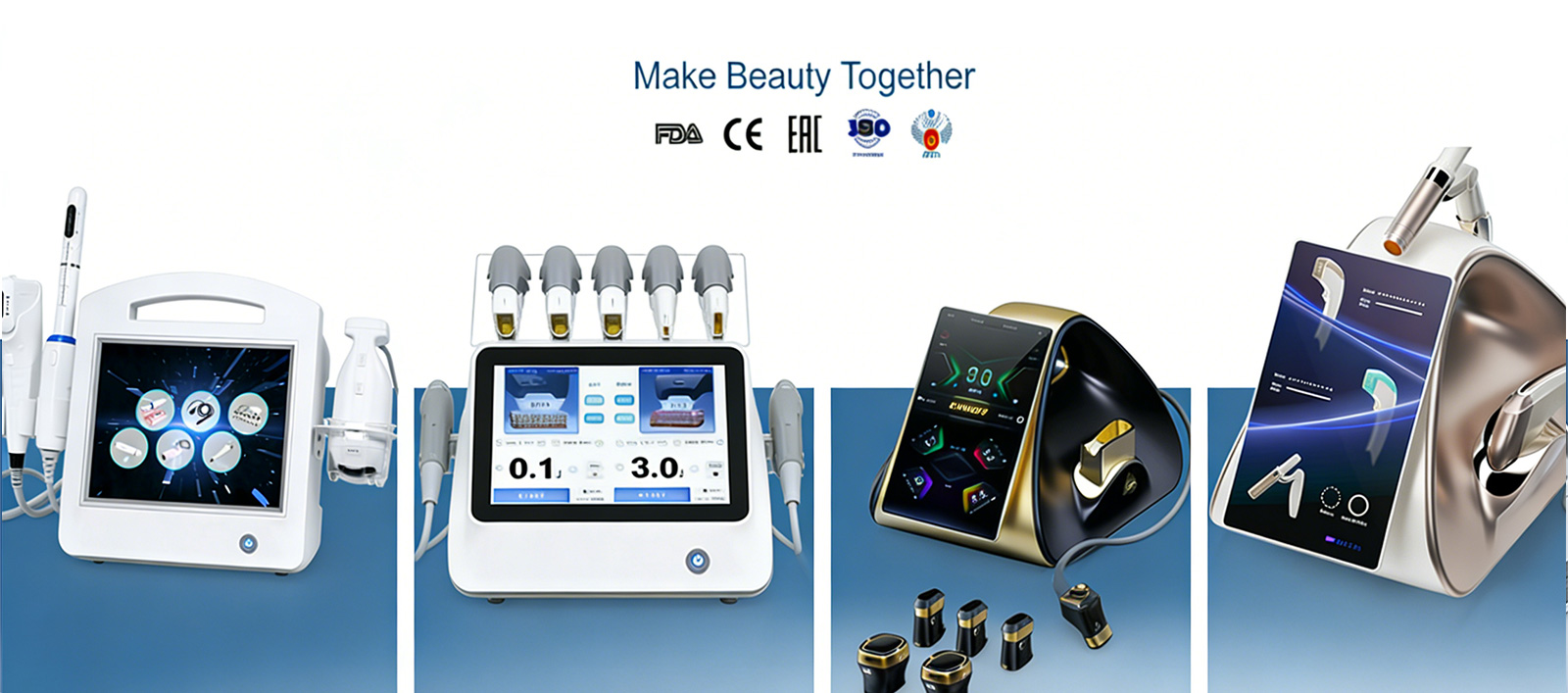
UangelCare, as an OEM/ODM manufacturer based in Guangzhou, China, offers both hydrofacial and diamond microdermabrasion machines, allowing spa owners to source both technologies from a single supplier with consistent quality standards, unified warranty terms, and integrated training.
Frequently Asked Questions
Is hydrofacial treatment safe for all skin types?
Hydrofacial treatment is generally safe for all skin types, including sensitive skin, when suction levels and serum formulations are appropriately selected. However, individuals with active skin infections, open wounds, severe rosacea, or recent isotretinoin use should consult a dermatologist before treatment.
How many sessions are needed to see results with diamond microdermabrasion?
Most clients notice immediate improvement in skin smoothness and brightness after a single session. For cumulative benefits such as reduction of superficial pigmentation, softening of fine lines, and improvement in acne scarring, a series of 5 to 10 treatments spaced 1 to 2 weeks apart is recommended. Monthly maintenance sustains results.
Can hydrofacial and diamond microdermabrasion be combined in one session?
Yes. Many advanced spas offer combined protocols where diamond microdermabrasion is performed first to prepare the skin through physical exfoliation, followed by a hydrofacial serum infusion step. This combination can enhance serum penetration and provide more dramatic results, though it requires careful scheduling to avoid over-exfoliation.
What is the maintenance requirement for hydrofacial machines?
Hydrofacial machines require daily cleaning of the vortex tip, serum cartridge system, and fluid lines. Monthly deep cleaning of internal tubing and pump systems is recommended. Most professional units feature self-diagnostic functions. With proper care, a quality hydrofacial machine has a service life of 5 to 8 years.
Are the results from hydrofacial treatment permanent?
No, hydrofacial results are not permanent. The immediate glow and hydration effects typically last 5 to 7 days, while cumulative improvements develop over a series of treatments. To maintain results, clients should schedule maintenance sessions every 4 to 6 weeks and follow a consistent home skincare routine.
What certifications should I look for when purchasing these machines?
When sourcing hydrofacial or diamond microdermabrasion equipment for professional use, look for machines with CE marking for European compliance, FDA clearance for the US market, and ISO 13485 certification for medical device quality management. For equipment manufactured in China, NMPA certification ensures domestic regulatory compliance. UangelCare equipment carries CE and ISO 13485 certifications, with partial FDA clearance and full NMPA registration.
How long does shipping take for equipment ordered from UangelCare?
UangelCare maintains a production lead time of 3 to 7 days for standard configurations, with air shipping to the US and Europe taking 7 to 15 days. Custom OEM or ODM configurations with specific branding, color schemes, or protocol modifications may extend production time by 5 to 10 days. All shipments include tracking and insurance.
Does UangelCare provide training with equipment purchases?
Yes. UangelCare includes comprehensive operator training with every equipment purchase, covering device setup, treatment protocols, safety procedures, maintenance, and troubleshooting. Training is provided through video tutorials, printed manuals, and live video consultations. For bulk OEM orders, on-site training can be arranged.
Related Products and Resources
- Hydrofacial Machine Product Page – Explore UangelCare’s range of professional hydrofacial devices with vortex technology.
- Diamond Dermabrasion Machine Product Page – Browse UangelCare’s diamond microdermabrasion systems for spa and clinic use.
- Facial Machine Category – Complete catalog of facial treatment equipment including multi-function platforms.
- Aesthetic Equipment Blog – Technical guides, treatment protocols, and industry insights for spa and clinic operators.
This article is intended for spa and clinic professionals evaluating aesthetic equipment. Clinical references are based on peer-reviewed dermatology literature. Individual results may vary depending on client skin condition, operator technique, and device configuration. Always follow manufacturer protocols and applicable local regulations.
About UangelCare: Guangzhou Uangel Technology Co., Ltd. is an OEM/ODM manufacturer of aesthetic devices established in 2016. With 51 to 200 employees and certifications including NMPA, ISO 13485, CE, and partial FDA clearance, UangelCare supplies hydrofacial machines, diamond dermabrasion systems, and multi-function aesthetic platforms to spas, clinics, and distributors worldwide. All products include a 1-year warranty, operator training, and technical support. Production lead time: 3 to 7 days. Air shipping to US/EU: 7 to 15 days.