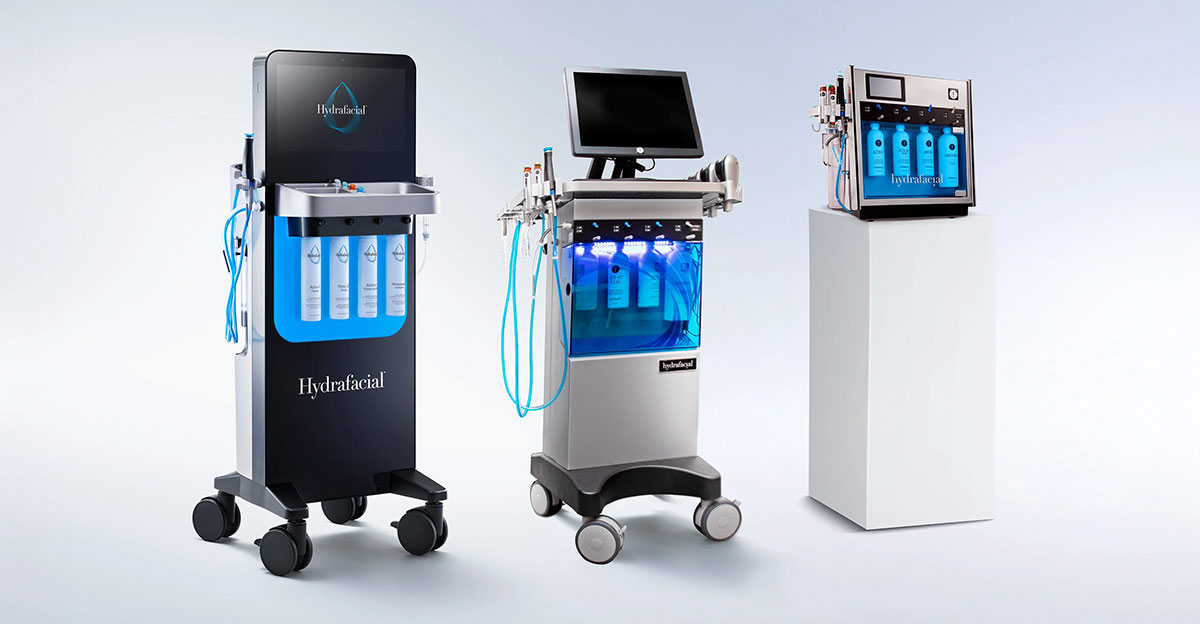


ハイドラフェイシャルマシンは精密機械です. 血清を注入した水を皮膚全体に引き込み、同時に不純物を抽出します。このプロセスは密閉性が重要です。, フィルターをきれいにする, 校正された吸引力, 安定した水の流れ. メンテナンスを怠る, そしてパフォーマンスは急速に低下します: 吸引ドロップ, ヒントが詰まる, ディスプレイがエラーコードをスローし始める, それに伴い顧客満足度も低下します.
このガイドは、クリニックに構造化されたメンテナンス プロトコルを提供します。, 最も一般的な問題のトラブルシューティングのリファレンス, マシンの寿命を延ばすためのフレームワーク — 今日から使用できる実行可能なチェックリストに裏付けられた.
ハイドロフェイシャルマシンの日常メンテナンスチェックリスト
これらのタスクは、営業日の開始時と終了時に完了してください。.
一日の始まり
- ハンドピースとケーブルを検査する — 目に見える亀裂がないか確認します, 擦り切れたケーブル, または接続が緩んでいる. 損傷が見つかった場合は機械を使用しないでください.
- 水タンクを確認してください — 新鮮な蒸留水または精製水のみを入れてください。. 水道水にはミネラルが含まれており、マシンのチューブ内に蓄積し、時間の経過とともに効果が低下します。.
- キャリブレーションフラッシュを実行する — 蒸留水のみを使用して新しいサイクルを開始します (遅くない) 2〜3分間. これにより、前のセッションの残留物がすべて消去されます.
- 治療チップを検査して装着します — チップが適切に装着され、磨耗していないことを確認します。. 磨耗したチップは一貫性のない結果をもたらし、皮膚の炎症を引き起こす可能性があります.
- 吸引と流量の設定を確認してください — クライアントセッションを開始する前に、簡単なテストサイクルを実行し、吸引感が正常であることを確認します.
一日の終わり
- システムを蒸留水で洗い流します — 蒸留水のみを使用して 3 分間のサイクルを実行します。. これにより、チューブから血清残留物が除去されます.
- チューブをパージします — 機械のパージ機能を使用する (利用可能な場合) ラインに残った水を吹き飛ばすため.
- 治療チップを取り外して洗浄します — 中性洗剤に浸します。, 十分に洗い流してください, 自然乾燥, そして清潔な状態で保管してください, 密閉容器.
- ハンドピースを拭きます — ソフトを使用する, 湿った布. ハンドピースを液体に浸さないでください.
- 廃棄物容器を空にしてすすいでください — マシンに廃棄物容器がある場合, 稼働日ごとに空にして、温水ですすいでください。.
- 機械にカバーを掛ける — 使用しないときは、製造元が提供するカバーまたは清潔な布を使用してほこりを防ぎます.
毎週のメンテナンスタスク
- ディープクリーン治療のヒント — チップを医療グレードの超音波洗浄液に浸すか、 70% イソプロピルアルコール用 15 分, その後すすぎ、完全に自然乾燥させます.
- 浄水フィルターの点検と掃除をする — ほとんどのハイドラフェイシャルマシンには、定期的な交換が必要なインライン浄水フィルターが装備されています (通常は 3 ~ 6 か月ごと). マニュアルを確認してください.
- チューブのねじれを検査する, ひび割れ, または変色 — 損傷したチューブは直ちに交換してください. ねじれにより吸引力が低下する; 亀裂が漏れの原因となる.
- マシンのシャーシを拭きます — 外側を研磨剤のないもので掃除します, クリニックグレードの消毒剤. 通気口や展示エリアに液体が入らないようにしてください.
- 血清システム診断を実行する — マシンに診断モードがある場合, 毎週実行して、すべてのチャネルが通常のパラメータ内で機能していることを確認します.
- 校正を確認する — 吸引と流量の設定が標準プロトコルと一致していることを確認します。. 設定がおかしいと感じたら, メーカーの指示に従って再調整してください.
毎月の保守点検
- 浄水フィルターを交換する — マシンの使用状況に応じて, 1〜3か月ごとに交換してください. 毎日頻繁に使用する = 交換頻度が高くなります.
- シールとOリングを確認してください — 硬化を検査する, ひび割れ, または変形. メーカー指定のシールのみと交換してください.
- 電気接続を確認する — 電源コードが接続されていることを確認してください。, プラグ, すべてのケーブル接続が安全であること. 接続が緩んでいると断続的な障害が発生する.
- 廃棄物システムを検査する — 廃液瓶を掃除し、臭気が蓄積していないか確認します。, これはライン内での細菌の増殖を示している可能性があります.
- ディスプレイとタッチパネルを掃除する — ソフトを使用する, 糸くずの出ない布 70% アルコール. 研磨剤入りのクリーナーは使用しないでください.
- 完全なシステム診断 — マシンに完全な自己診断サイクルがある場合は、それを実行します。. エラーコードをメモし、次の営業日までに対処してください。.
- すべての検査結果を文書化する — メンテナンス記録に結果を記録します (以下のテンプレートを参照してください).
よくある問題とトラブルシューティング
問題 1: 吸引力が低い、または吸引力がない
最も考えられる原因:
- 治療チップの詰まりまたは摩耗
- 水フィルターの汚れまたは詰まり
- チューブの詰まりやよじれ
- シール/Oリングの故障
- リザーバー内の液面が低い
トラブルシューティングの手順:
- 治療チップを新しいものと交換してください. 吸引力が戻ったら, 先端が磨耗しているか詰まっている.
- 浄水フィルターの点検と交換.
- 目に見えるすべてのチューブにねじれや詰まりがないか検査します. ねじれをまっすぐにする; ひび割れたチューブを交換する.
- シールと O リングが適切に装着されており、損傷がないことを確認します。.
- リザーバーに十分な蒸留水があることを確認してください.
- 上記をすべて確認しても吸引力が低い場合, 真空ポンプには専門的なサービスが必要な場合があります.
一般的な解決率: 80– 吸引の問題の 90% はチップ/フィルターの交換だけで解決します.
問題 2: チップの詰まりとハンドピースの詰まり
原因:
- 使用ごとにチップ内の残留美容液が乾燥する
- 低品質または期限切れの血清溶液の使用
- 各セッション後にシステムをフラッシュしない
- 水道水からのミネラルの蓄積
トラブルシューティングの手順:
- チップを温かい蒸留水に浸してください。 10 分, 次に、柔らかい毛のブラシを使用して蓄積物を取り除きます.
- 蒸留水フラッシュサイクルを実行します。 5 分.
- 詰まりが続く場合, ハンドピースを分解する (マニュアルに従って) 各コンポーネントを個別に洗浄します.
- 蒸留水のみと新鮮な水に切り替えます。, 高品質の血清.
- 必ず乾燥させずにチップを保管しないでください。内部に湿気が溜まると細菌の増殖やミネラルの沈着が促進されます。.
問題 3: 水の流れの問題 (弱い流れまたは断続的な流れ)
原因:
- 水フィルターの詰まりまたは汚れ
- チューブ内のエアロック (機械を移動した後によくあること)
- 低品質または不十分な血清/水溶液
- ポンプの故障
トラブルシューティングの手順:
- 浄水フィルターを交換する.
- パージサイクルを実行する (機械のパージ機能を使用する) エアロックを解除する.
- 血清ボトルが正しく装着されており、空になっていないことを確認してください.
- 問題が解決しない場合, チューブに漏れがないか確認します。空気漏れがあると、適切な吸引と流れが妨げられます。.
- ポンプの問題には専門のサービスが必要です. 機械のケーシングを開けようとしないでください.
問題 4: 表示エラーと電子的故障
よくあるエラーコードとその意味 (メーカーによって異なります):
| エラーコード | 意味 | アクション |
|---|---|---|
| E01 | 水位が低い | リザーバーに蒸留水を補充します |
| E02 | 吸引システムの故障 | ヒントを確認してください, フィルター, 閉塞用のチューブと; 診断を実行する |
| E03 | ハンドピース接続エラー | ハンドピースコネクタを取り付け直します; 港にゴミがないか確認する |
| E04 | ポンプの過圧 | Check for blockages in tubing or tip; purge the system |
| E05 | System overheating | Turn the machine off, let it rest for 30 分, ensure vents are clear |
| E99 | General system fault | Restart the machine; if persistent, contact technical support |
General electronic troubleshooting:
- Always power down completely before cleaning or performing maintenance — never wipe the display while the machine is on.
- If the machine displays intermittent errors, check all cable connections, especially after any movement or transport.
- Error codes that persist after following the manual’s troubleshooting steps require professional service.
Handpiece and Tip Care
The handpiece is the most-used and most-sensitive component of a hydrafacial machine.
- Never submerge the handpiece in liquid — ハンドピース内の湿気により、内部モーターやセンサーのコンポーネントが損傷します。.
- メーカーが承認したチップのみを使用してください — 一般的なチップは緩くフィットする可能性があります, 一貫性のない結果や皮膚炎の可能性を引き起こす.
- 使用前にチップを点検する — 傷を探します, 変形, または変色. チップは 20 ~ 40 回の治療セッションごとに、またはメーカーの推奨に従って交換してください。.
- チップを清潔に保管する, ドライ, 密閉容器 — 開放保管ではほこりや細菌による汚染が発生する可能性があります.
- 治療チップをオートクレーブしたり煮沸したりしないでください メーカーによって明示的に承認されていない限り、熱によりプラスチックが変形し、シールが損傷する可能性があります。.
水質とろ過
水質は機械の性能と寿命に直接影響します.
なぜそれが重要なのか:
- 水道水にはカルシウムとマグネシウムのミネラルが含まれており、これらがチューブやポンプのコンポーネントに蓄積します。, 吸引力が低下し、最終的にはポンプの故障につながる.
- 不純物は血清の化学的性質と相互作用する可能性があります, 治療効果の低下.
- 給水ラインの細菌汚染は患者の安全上の懸念です.
ベストプラクティス:
- 使用 蒸留水のみ すべてのハイドラフェイシャル処置に. 水道水は絶対に使用しないでください, ろ過された水道水, または湧き水.
- 稼働日ごとにタンク内の水を交換します。前日の水を再利用しないでください。.
- インライン浄水フィルターは使用量に応じて 1 ~ 3 か月ごとに交換してください。.
- 一部の高度な機械には UV 滅菌または多段階濾過が組み込まれています。これらのシステムの特定のメンテナンス スケジュールに従ってください。.
- マシンが静止している場合, 専用の水ろ過システムへの接続を検討してください。.
プロフェッショナル サービスに連絡する場合
次の場合は、資格のある技術者またはメーカーのサポート チームにお問い合わせください。:
- トラブルシューティング手順を実行した後もエラー コードが表示されない — 特にE02 (吸引不良) そしてE04 (過圧), ポンプの損傷を示す可能性があります.
- 真空ポンプに目に見える劣化が見られる — 異常な騒音, 間欠吸引, または、チップ/フィルターの問題を除外した後の完全な吸引障害.
- 機械から異常な音がする — 研削, クリックする, または高音のノイズは、ほとんどの場合、機械的な問題を示しています。.
- 機械のシャーシ内で目に見える液体の漏れ — シールまたはチューブの故障を示します.
- 電気的な問題 — ちらつき表示, マシンが予期せずシャットダウンする, または焦げる臭い.
- 重要な機械の輸送後 — 輸送中の振動により接続が緩み、校正に影響を与える可能性があります.
- マシンは推奨される保守間隔を過ぎています — ほとんどのハイドラフェイシャルマシンは、毎年専門家によるメンテナンスを受けることができます。.
ヒント: マシンのシリアル番号を保管しておいてください, 型番, 購入日, および保証情報にすぐにアクセスできる. サポートに連絡するとき, この情報により解決が大幅に短縮されます.
メンテナンスログテンプレート
このログを使用してメンテナンス活動を追跡し、経時的なパターンを特定します。.
“`
メンテナンスログ — [機械モデル] — [シリアルナンバー]
=====================================================
日付 | タイプ | 取られたアクション | 注意事項 / 部品を交換しました | スタッフ初期化
————|————-|————————————–|————————|————
YYYY-MM-DD | 毎日 | | |
YYYY-MM-DD | 毎日 | | |
YYYY-MM-DD | 毎週 | | |
YYYY-MM-DD | 毎月 | | |
YYYY-MM-DD | 修理 | | |
伝説:
タイプ: 毎日 / 毎週 / 毎月 / 四半期ごと / 修理 / 検査
“`
機械の寿命を延ばす
ほとんどのハイドラフェイシャル マシンは、適切なメンテナンスを行えば 5 ~ 8 年間臨床で使用できるように設計されています。. 長持ちするマシンと早期に故障するマシンを分けるものは次のとおりです.
使用要因
- 蒸留水による毎日の洗浄 — 最も影響力のある習慣を 1 つ挙げる. ポンプにダメージを与えるミネラルの蓄積を防ぎます.
- 一貫したチップ交換 — 磨耗したチップにより吸引モーターにさらなる負荷がかかります.
- オペレーターエラーの回避 — ハンドピースの落下, ケーブルを引っ張る, 水なしで機械を稼働させることは、予防可能な損傷の最も一般的な原因です.
- 治療量の管理 — 使用される機械 10+ 毎日の治療により磨耗が早くなり、より頻繁なメンテナンスが必要になります.
環境要因
- 安定した温度と湿度 — 極端な温度変動はポンプの性能に影響を与える可能性があります. 機械を温度管理された環境に保管する.
- ディスプレイに直射日光が当たらないようにする — UV にさらされると、時間の経過とともに画面の品質が低下します.
- 適切な保管 — 使用しないときは機械にカバーをかけてください. 機械の上に物を積み重ねないでください.
財務的要因
- 線路の保守コスト — メンテナンス費用が超過した場合 20% 1年間の機械の交換価値の, 修理または交換の方が経済的に合理的かどうかを評価する.
- すべてを文書化する — メンテナンス記録は保証請求をサポートします, 再販価値, そしてサービス履歴.
- 延長保証を検討する — メーカーが購入時に延長保証を提供している場合, 真剣に検討してください. 保証対象外のハイドラフェイシャル マシンの修理には 800 ~ 3,000 ドル以上かかる場合があります.
よくある質問
Q1: トリートメントチップはどのくらいの頻度で交換すればよいですか?
あ: 通常、20 ~ 40 回の治療ごとに, メーカーの推奨と、使用の合間にチップをどの程度厳密に洗浄するかによって異なります。. 傷を見つけたらすぐに交換してください, 変形, または、推奨されるセッション数の前であっても吸引性能が低下する.
第2四半期: 蒸留水の代わりに通常のろ過水を使用できますか??
あ: いいえ. ろ過された水道水には、ポンプやチューブ内に蓄積するミネラルがまだ含まれています。. 蒸留のみ, 逆浸透, または脱イオン水を使用する必要があります. 蒸留水を省略することによる短期的なコスト削減は、高価なポンプ修理につながります.
Q3: 私のマシンが研削音を立てるのはなぜですか?
あ: 研削音はほとんどの場合、機械的な問題を示しています。おそらくポンプ モーターまたはベアリングの故障です。. 直ちにマシンの使用を中止し、テクニカル サポートに連絡してください。. 継続して使用すると致命的な故障を引き起こす可能性があります.
Q4: 浄水フィルターを交換する必要があるかどうかを確認するにはどうすればよいですか?
あ: ほとんどの機械では、フィルター詰まりの最初の兆候として吸引力の低下が見られます。. 推奨交換時期についてはマニュアルをご確認ください。 (通常 1 ~ 3 か月). 機械のメンテナンスが長期間行われていない場合 3 数ヶ月かかり、吸引力が通常よりも低い, より詳細なトラブルシューティングを行う前に、まずフィルターを交換してください.
Q5: 自分で機械の修理を行うことはできますか?
あ: このガイドでは日常的なメンテナンス タスクのみが説明されています (チップのクリーニング, フィルター交換, チューブ検査, 表面の洗浄). 機械のシャーシを開けることを伴う修理, ポンプに触れる, 電気コンポーネントの作業は、資格のある技術者が行う必要があります。. 不正な修理を試みると、ほとんどの保証が無効になります.
Q6: ハイドラフェイシャルマシンの一般的な寿命はどのくらいですか?
あ: 日々のメンテナンスをしっかりと行うことで、, ほとんどのハイドラフェイシャル マシンは、大規模なサービスや交換が必要になるまで 5 ~ 8 年間使用できます。. メンテナンスが不十分な機械は 2 ~ 3 年以内に故障することがよくあります. 適切なメンテナンスのコストは、早期交換のコストよりも大幅に低くなります.
Q7: 予備のマシンまたは予備部品を保管しておいたほうがよいでしょうか?
あ: 複数の治療室を運営する患者数の多いクリニック向け, 予備のハンドピース 1 つと 3 か月分のフィルターとチップを保管するのが標準的な方法です. フル バックアップ マシンはあまり一般的ではありませんが、ダウンタイムが収益に直接影響する大量の医療スパでは検討する価値があります。.
クイックリファレンス: メンテナンススケジュールの概要
| タスク | 頻度 |
|---|---|
| 蒸留水によるフラッシュシステム | 毎回の治療後 |
| クリーンな治療のヒント | 毎回の治療後 |
| ハンドピースとケーブルを検査する | 治療日ごとに |
| ディープクリーンのヒント (浸す + ブラシ) | 毎週 |
| 浄水フィルターの点検と掃除/交換 | 毎週 (チェック) / 毎月 (交換する) |
| チューブに損傷がないか検査します | 毎週 |
| マシンのシャーシを拭きます | 毎週 |
| シールとOリングを確認してください | 毎月 |
| 完全なシステム診断 | 毎月 |
| シールとOリングを交換する | 四半期ごとまたは必要に応じて |
| プロフェッショナルサービス検査 | 毎年 |
UangelCare は、信頼性を重視して設計され、文書化された品質管理システムに裏付けられたハイドラフェイシャル マシンを提供します. 私たちのを参照してください ハイドロフェイシャルマシンコレクション または、モデル固有のメンテナンス ガイダンスについてはサポート チームにお問い合わせください。.
このガイドでは、一般的なハイドロフェイシャル マシンのメンテナンス方法について説明します。. 必ず特定のマシンのユーザーマニュアルを参照し、モデル固有のメンテナンス要件についてはメーカーのガイダンスに従ってください。.