

Viktiga takeaways
- Den globala marknaden för medicinsk estetik förväntas växa från USD 22.59 miljarder in 2026 till USD 40.60 miljarder med 2031, vid en CAGR på 12.4%, skapa betydande möjligheter för nya distributörer.
- En portfölj av startutrustning som kombinerar hydrodermabrasion, HIFU, och EMS kroppskonturmaskiner kan uppfylla de flesta initiala kundkrav med en hanterbar investeringströskel.
- Tillverkarens utvärdering bör prioritera certifieringar (CE, FDA, ISO 13485), OEM/ODM-funktioner, garantivillkor, utbildningsprogram, och produktionsledtider.
- Regelefterlevnad varierar beroende på region: FDA-godkännande för USA, CE-märkning för EU, och NMPA-registrering för Kina kräver var och en tydlig dokumentation och tidslinjer för godkännande.
- En typisk distributionsverksamhet för skönhetsmaskiner kan uppnå bruttomarginaler på 30-50% på försäljning av utrustning, med ytterligare återkommande intäkter från förbrukningsvaror, underhållskontrakt, och utbildningstjänster.
Marknadsöversikt: Den blomstrande industrin för estetiska enheter
Den globala marknaden för medicinsk estetik representerar ett av de snabbast växande segmenten inom hälsovård och friskvård. Enligt MarketsandMarkets, marknaden för medicinsk estetik förväntas växa från USD 22.59 miljarder in 2026 till USD 40.60 miljarder med 2031, vid en CAGR på 12.4%. Allied Market Research värderade separat den globala marknaden för medicinsk estetisk utrustning till USD 13.5 miljarder in 2020 och beräknade att den skulle nå USD 38.9 miljarder med 2030, vid en CAGR på 10.7%. Bara det professionella estetiska lasersegmentet värderades till USD 2.78 miljarder in 2024 och förväntas nå USD 5.36 miljarder med 2032, enligt P&S Intelligens.
International Society of Aesthetic Plastic Surgery (ISAPS) rapporterade att totala kirurgiska och icke-kirurgiska estetiska ingrepp över hela världen nåddes 34.9 miljoner in 2023, a 3.4% ökning från år till år, med icke-kirurgiska behandlingar som står för majoriteten av volymen. Detta återspeglar en tydlig konsumentpreferens för procedurer som ger synliga resultat med minimal stilleståndstid.
Flera faktorer driver denna tillväxt. Den åldrande globala befolkningen driver efterfrågan på anti-aging behandlingar. Stigande disponibla inkomster på tillväxtmarknader gör estetiska förfaranden tillgängliga för bredare demografi. Sociala medieplattformar har normaliserat kosmetiska behandlingar som en del av regelbunden egenvård. Dessutom, förbättrade säkerhetsprofiler har utvecklat medicinsk estetik från ett diskretionärt erbjudande till en vanlig hälsovårdstjänst.
För entreprenörer som överväger inträde i distributionssektorn för skönhetsmaskiner, dessa trender signalerar fortsatta möjligheter. Dock, framgång kräver strategiskt produktval, tillverkares partnerskap, regelefterlevnad, och ekonomisk planering. Den här guiden ger ett ramverk för att starta en lönsam skönhetsmaskinverksamhet.
Steg 1: Definiera din marknadsnisch och målkund
Innan du investerar i utrustning, identifiera exakt vem du ska sälja till. Marknaden för estetiska enheter betjänar flera distinkta kundsegment med olika köpbeteenden och budgetnivåer.
Medicinska spa och estetiska kliniker representerar det största kundsegmentet. Dessa företag erbjuder icke-invasiva kosmetiska procedurer och investerar vanligtvis i flera enheter. De prioriterar utrustning som kombinerar klinisk effekt med patientkomfort och korta behandlingstider.
Dermatologi och plastikkirurgi representerar ett specialiserat segment som söker avancerade enheter med kliniska bevis och myndighetsgodkännanden. De investerar i premiumutrustning men kräver robust utbildning och garantitäckning.
Hembruk och konsumentmarknad är ett framväxande segment som kännetecknas av mindre, enheter med lägre effekt. Medan priserna per enhet är lägre, volympotentialen är betydande eftersom den globala marknaden för estetiska enheter för hemmet växer snabbt.
När du definierar din nisch, överväga din geografiska marknad, existing industry relationships, technical expertise, and available capital. A distributor serving medical spas in a metropolitan area needs a different portfolio than one supplying home-use devices to retail channels. Your niche selection directly influences every subsequent decision.
Analyze the competitive landscape in your target market. Identify existing distributors, the brands they carry, their pricing structures, and service quality. Look for gaps such as underserved regions, missing product categories, or inadequate after-sales support from competitors. These gaps represent your entry opportunities.
Steg 2: Choose Your Core Product Portfolio
Selecting the right product portfolio is the most critical decision in starting a beauty machine business. Based on industry trends and distributor experience, a tiered approach to portfolio building is recommended.
Starter Portfolio: Hydrodermabrasion + HIFU + EMS
For new distributors with limited capital, a starter portfolio addressing the most in-demand non-invasive treatments provides efficient market entry. This combination covers three core aesthetic concerns: hudföryngring, skin lifting, och kroppskonturering.
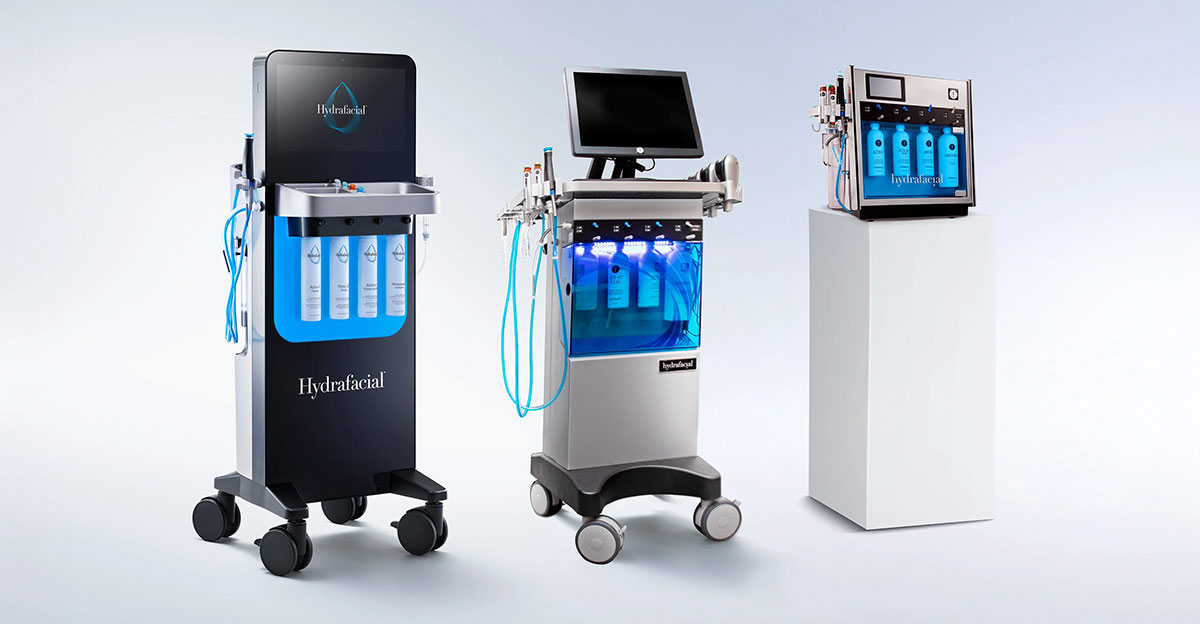
Hydrodermabrasion machines (hydrafacial devices) combine cleansing, exfoliering, extraktion, and hydration in a single treatment. They are suitable for all skin types, require minimal training, and generate high patient satisfaction. The treatment is non-invasive with no downtime, making it an ideal entry-level service for clinics. Explore hydrodermabrasion equipment options to find devices that match your market needs.
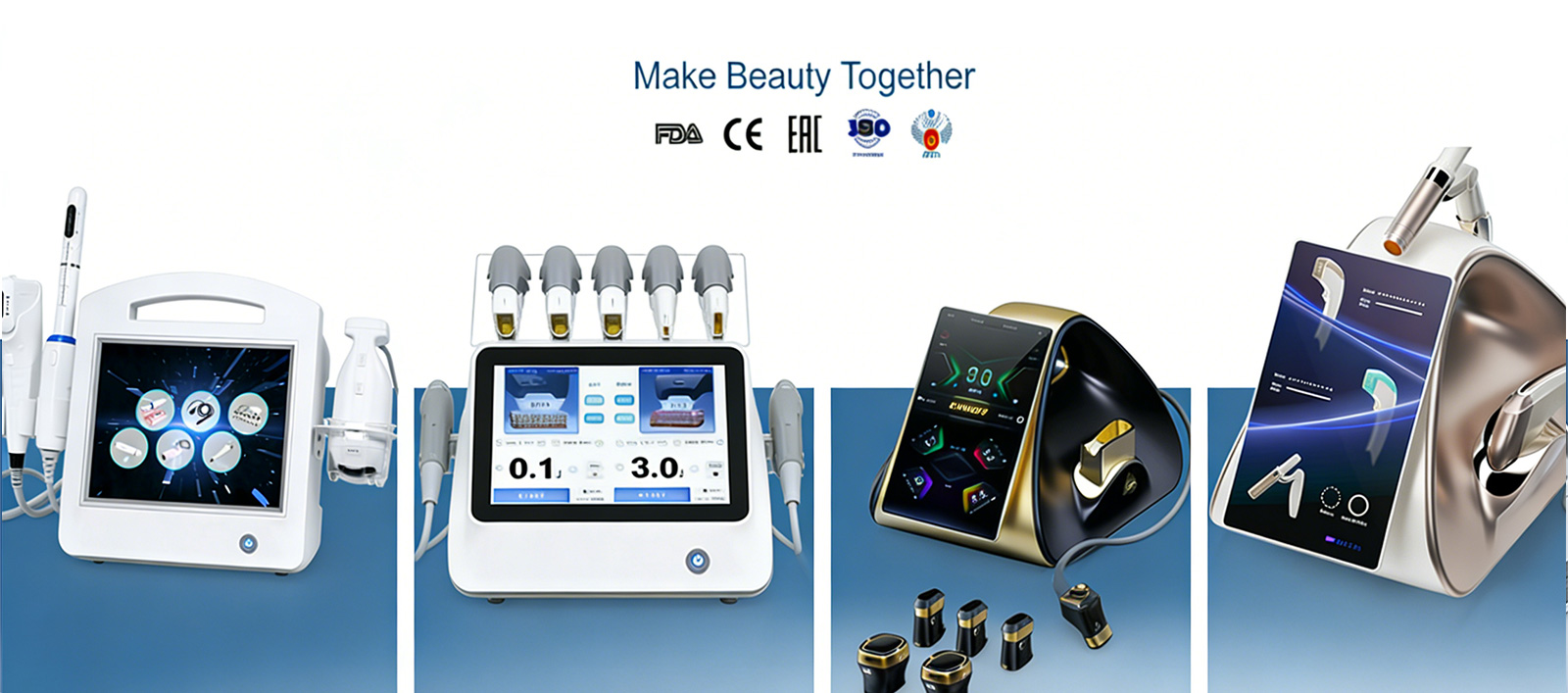
HIFU (Högintensivt fokuserat ultraljud) maskiner deliver targeted ultrasound energy to deep skin layers, stimulating collagen production for a non-surgical lifting effect. HIFU treatments are among the most profitable single-session procedures, with prices typically ranging from USD 500 till USD 3,000 per session depending on treatment area and market.
EMS (Elektrisk muskelstimulering) kroppskonturmaskiner use electromagnetic energy to induce supramaximal muscle contractions, building muscle while reducing localized fat. This technology has gained enormous popularity, with body contouring representing one of the fastest-growing categories in aesthetic devices.
Mid-Tier Portfolio: Lägg till Cryolipolysis + Radiofrekvens
As your distribution business grows, expanding into cryolipolysis and radio frequency (RF) technologies allows you to serve broader clinical needs and target higher-revenue customers.
Cryolipolysis machines (fettfrysning) provide non-surgical fat reduction by crystallizing adipose tissue at controlled temperatures. The treated fat cells are naturally eliminated over several weeks. This technology addresses persistent demand for non-invasive body contouring. Browse body contouring equipment categories to evaluate available options.
Radiofrekvens (RF) enheter deliver controlled thermal energy to dermal layers, stimulating collagen remodeling and skin tightening. RF technology is versatile, suitable for facial treatments, body tightening, and cellulite reduction. Multipolar RF systems with adjustable parameters serve a wide range of indications.
Premium Portfolio: Add Laser Systems + Microneedling RF
For distributors targeting premium medical markets, laser systems and microneedling RF devices represent the top tier of equipment investment.
Laser systems include diode lasers for hair removal, Q-switchad Nd:YAG lasers for tattoo removal and pigmentation, and CO2 fractional lasers for skin resurfacing. The professional aesthetic lasers market was valued at USD 2.78 miljarder in 2024 och förväntas nå USD 5.36 miljarder med 2032 (P&S Intelligens). Laser systems require higher investment and training but offer correspondingly higher returns per treatment.
Microneedling RF devices combine mechanical microneedling with radio frequency energy delivery, creating controlled micro-injuries while delivering thermal energy to precise depths. This combination is highly effective for acne scar treatment, hudföryngring, and pore refinement.
When building your portfolio, consider synergies between devices. A clinic purchasing a hydrodermabrasion machine may also need HIFU for lifting treatments, creating natural cross-selling opportunities. Designing product bundles around clinical workflows delivers value to customers while maximizing your average order value.
Steg 3: Evaluate and Select Manufacturers
Your manufacturer partnership is the foundation of your distribution business. Kvalitet, pålitlighet, and support directly determine your customers’ uppleva. En rigorös utvärderingsprocess är nödvändig.
Certifieringskrav
Certifieringar är inte förhandlingsbara, visa att en tillverkare uppfyller internationella kvalitets- och säkerhetsstandarder. Åtminstone, din tillverkare borde hålla:
- ISO 13485: Den internationella kvalitetsledningsstandarden för medicintekniska produkter, indikerar konsekvent design, produktion, och distributionsprocesser.
- CE-märkning: Krävs för försäljning av medicinsk utrustning inom Europeiska ekonomiska samarbetsområdet, anger överensstämmelse med EU:s hälso- och säkerhetsstandarder.
- FDA-godkännande: Krävs för distribution av medicinsk utrustning i USA. Beroende på enhetsklassificering, detta kan innebära 510(k) clearance eller De Novo-vägen.
- NMPA-registrering: Krävs för medicinsk utrustning som tillverkas och säljs i Kina, visa överensstämmelse med kinesiska regleringsstandarder.
Läs mer om varför certifieringar är viktiga när du väljer en tillverkare av estetisk enhet in our detailed guide.
OEM/ODM Capabilities
Om du planerar att bygga ditt eget varumärke, OEM and ODM capabilities are critical. OEM allows you to sell devices under your own brand, while ODM enables custom design modifications and proprietary software interfaces. Evaluate the manufacturer’s design team, prototype development process, customization lead times, and minimum order quantities (MOQs) for custom products.
Warranty and After-Sales Support
Reliable after-sales support is a key selling point. Evaluate warranty terms including coverage duration, covered components, and claim processes. A one-year warranty is the industry standard for professional aesthetic equipment. Technical support availability is equally important: does the manufacturer provide online support, video tutorials, or on-site training? What is their typical response time for technical inquiries?
Production Lead Time and Logistics
Typical lead times for aesthetic device manufacturing range from 3 till 7 days for standard products, with additional time for OEM/ODM customization. Air shipping to North America and Europe generally takes 7 till 15 dagar, while sea freight requires 30 till 45 dagar. Discuss MOQ requirements with potential manufacturers, as some have high MOQs that may strain cash flow for new distributors.
About UangelCare as Your OEM/ODM Partner
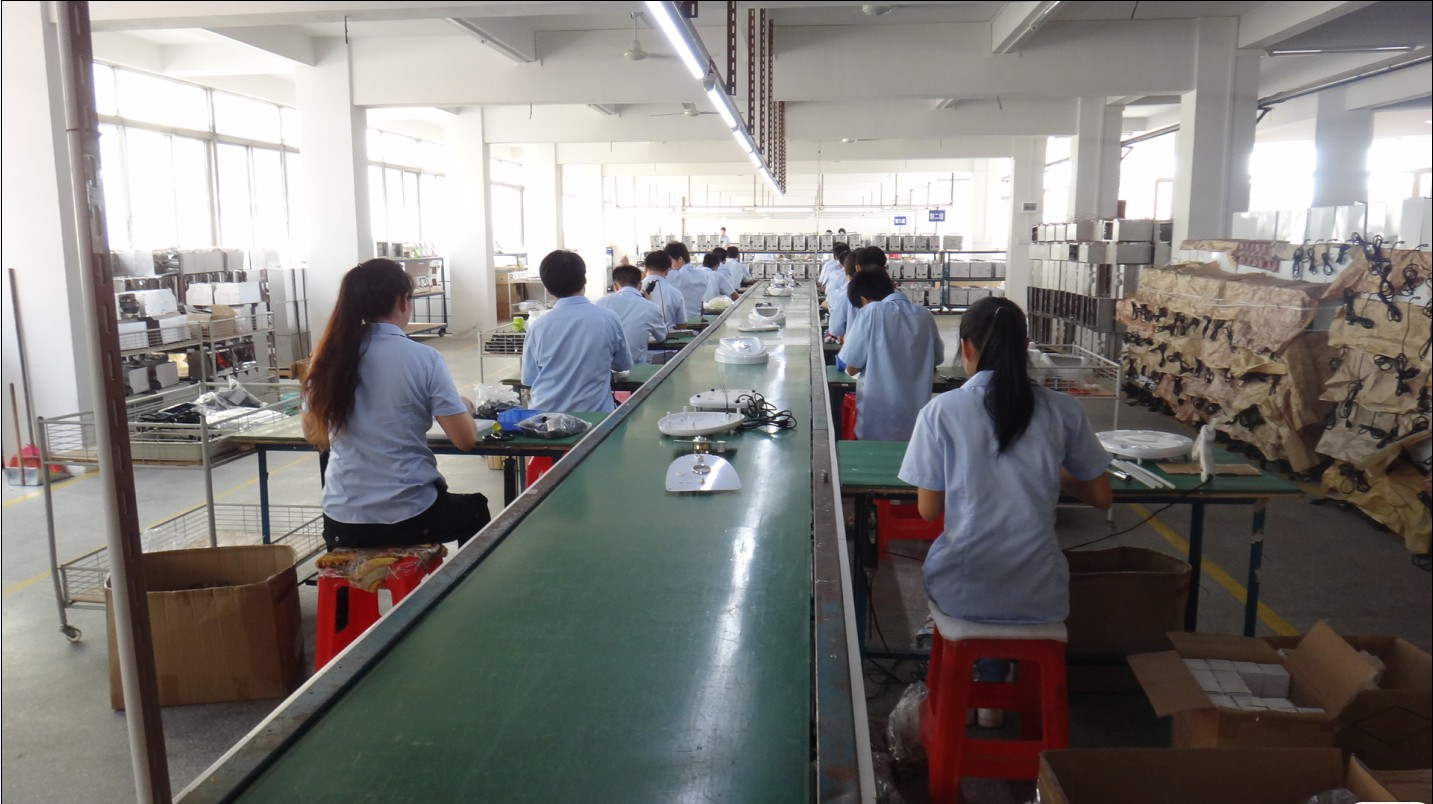
Guangzhou Uangel Technology Co., Ltd., Ltd. (UangelCare), etablerat i 2016, is a professional aesthetic device manufacturer based in Guangzhou, Kina, med 51-200 employees. The company holds NMPA, ISO 13485, och CE-certifieringar, with partial FDA clearance for select products. UangelCare specializes in B2B OEM/ODM manufacturing, offering comprehensive customization services for distributors worldwide.
UangelCare provides a one-year warranty on all professional aesthetic equipment, with training available through online video tutorials and on-site sessions. Standard production lead time is 3 till 7 dagar, with air shipping to the US and EU taking 7 till 15 dagar. The product portfolio includes hydrodermabrasion, HIFU, EMS body contouring, kryolipolys, RF, lasersystem, and microneedling RF devices.
Steg 4: Understand Regulatory Requirements in Your Target Markets
Regulatory compliance is one of the most complex aspects of the beauty machine business. Each major market has its own framework, and failure to comply can result in product seizures, böter, and legal liability.
USA: FDA Regulation
I USA, aesthetic devices are regulated by the FDA as medical devices. Most energy-based aesthetic devices are Class II, requiring 510(k) clearance before marketing. As a distributor, you must verify that devices have proper FDA clearance and comply with FDA establishment registration and device listing requirements. Distributing uncleared devices can result in warning letters, import detentions, and civil penalties.
Europeiska unionen: CE Marking and MDR
In the EU, aesthetic devices must bear CE marking under the Medical Device Regulation (MDR 2017/745), which imposes strict requirements for clinical evaluation, post-market surveillance, and risk management. Distributors must verify conformity documentation, ensure proper storage and transport conditions, and report incidents to competent authorities.
Kina: NMPA-registrering
For distributors sourcing from or operating in China, NMPA classifies medical devices into three classes. Most aesthetic energy-based devices fall under Class II or III, requiring formal NMPA registration before market entry.
Other Markets
Other markets have their own requirements: Health Canada regulates medical devices under the Medical Devices Regulations; Australia’s TGA manages the Australian Register of Therapeutic Goods; Brazil’s ANVISA oversees device registration. Confirm that your manufacturer holds necessary certifications for your target markets to simplify distribution and reduce compliance risk.
Steg 5: Calculate Investment Requirements and Project ROI
Understanding the financial dynamics of a beauty machine distribution business is essential for making informed investment decisions.
Initial Investment Components
Inventory acquisition: A starter portfolio of 3-5 enheter (hydrodermabrasion, HIFU, and EMS machines) may require USD 15,000 till USD 40,000 depending on manufacturer, specifikationer, och varumärkespositionering. Mid-tier and premium portfolios require proportionally higher investment.
Shipping and customs: International shipping, importtullar, and customs fees can add 10-20% to equipment cost. Air freight is faster but more expensive than sea freight.
Regelefterlevnad: Budget USD 2,000 till USD 10,000 for local certification, product testing, or regulatory consulting in your first year.
Marketing and business development: Allocate 15-25% of your first-year budget to digital marketing, trade show attendance, sales collateral, and website development.
Working capital: Maintain a reserve of 3-6 months of operating expenses for the initial ramp-up period.
Revenue Model and Margin Structure
Beauty machine distributors typically operate on gross margins of 30-50% på försäljning av utrustning. Successful distributors also develop multiple revenue streams:
- Consumables and accessories: Behandlingstips, serum, patroner, and replacement parts offer higher margins (50-70%) and recurring revenue.
- Maintenance and service contracts: Annual contracts provide predictable revenue, typically generating 5-10% of device purchase price annually.
- Training services: Device operation training creates additional revenue and differentiates your business.
- Financing and leasing: Offering financing options increases average sale value and makes premium equipment accessible to smaller clinics.
ROI Projection Example
Consider a distributor starting with a USD 30,000 inventory investment in a starter portfolio. Assuming an average selling price of USD 8,000 per device and a 40% gross margin, selling 15 devices in year one generates USD 120,000 in revenue and USD 48,000 in gross profit. Adding USD 15,000 in consumable sales at 60% margin contributes USD 9,000, and USD 10,000 in service contracts at 70% margin adds USD 7,000. Total gross profit of USD 64,000 against operating expenses of approximately USD 40,000 yields a net profit of USD 24,000 in the first year, en 80% return on initial inventory investment.
Second and third-year projections typically show significant improvement through repeat business, referrals, and expanded product portfolios. Successful distributors commonly achieve annual revenues of USD 500,000 till USD 2,000,000 within three to five years.
Common Mistakes New Distributors Make
1. Prioritizing price over quality. Low-quality devices fail frequently, generate complaints, and damage your reputation. The cost of warranty repairs and lost customers exceeds initial savings. Evaluate total cost of ownership, not just purchase price.
2. Neglecting regulatory compliance. Distributors in many jurisdictions have independent regulatory obligations. Failing to register as a medical device establishment or distributing devices without proper clearance can result in severe penalties.
3. Underestimating training importance. Aesthetic devices require proper operation for safe, effective results. Distributors who sell without providing training risk customer dissatisfaction and liability exposure. Invest in comprehensive training programs.
4. Failing to build a brand. Reselling under the manufacturer’s brand without developing your own market presence limits pricing power and makes your business replaceable. Building your brand through OEM partnerships and content marketing creates long-term value.
5. Ignoring after-sales service. Ongoing technical support and maintenance differentiate successful distributors from transactional sellers. Customers who receive excellent support become repeat buyers and referral sources.
6. Overextending inventory. Over-investing in inventory ties up capital and creates exposure to technology obsolescence. Start with a focused portfolio and expand based on actual demand.
Vanliga frågor
How much capital do I need to start a beauty machine distribution business?
A typical startup investment ranges from USD 30,000 till USD 75,000, covering initial inventory, frakt, regelefterlevnad, marketing, and working capital. Distributors starting with a single product category can begin with as little as USD 15,000, while comprehensive portfolios may require USD 100,000 or more.
Do I need a medical background to distribute aesthetic devices?
No medical background is required, but you should thoroughly understand the technologies you sell, including how they work, indications they treat, and safety considerations. Manufacturer-provided training can bridge knowledge gaps for distributors from other professional backgrounds.
What is the minimum order quantity (MOQ) for aesthetic devices?
MOQs vary by manufacturer and product type. For standard products, many manufacturers accept single-unit orders. For OEM/ODM products with custom branding, MOQs typically range from 5 till 20 enheter. UangelCare offers flexible MOQs suitable for new distributors.
How long does it take to receive equipment after placing an order?
For standard products, production lead times are 3 till 7 dagar. Air shipping to North America and Europe takes 7 till 15 dagar, making total turnaround approximately 2 till 4 veckor. OEM/ODM customization may add 2 till 4 weeks to production time.
What warranty coverage should I expect from manufacturers?
The industry standard is a one-year comprehensive warranty covering manufacturing defects in materials and workmanship. Some manufacturers offer extended coverage of two or three years for specific components. UangelCare provides a standard one-year warranty with extended coverage options for select products.
Can I distribute devices that do not have FDA clearance?
Distributing medical devices without proper FDA clearance in the United States violates federal law and can result in warning letters, import detentions, product seizures, and civil penalties. Always verify that each device has appropriate FDA clearance before making sales in the US market.
What is the difference between OEM and ODM manufacturing?
OEM involves manufacturing products to your specifications under your brand name. ODM involves the manufacturer’s own design, customizable with your branding and minor modifications. OEM offers greater customization but typically requires higher MOQs, while ODM is faster to market with less flexibility.
How do I handle device repairs and maintenance?
Most manufacturers provide technical support through online communication, video tutorials, and remote diagnostics. For physical repairs, manufacturers typically ship replacement parts installable with technical guidance. Complex repairs may require returning the device to the manufacturer. Establish clear repair protocols with your manufacturer before selling.
Further Reading and Resources
- Explore our complete range of aesthetic devices for distribution
- Browse equipment by treatment category and technology type
- Read more distributor guides and industry insights on our blog
Starting a beauty machine distribution business is a significant undertaking, but with the right product portfolio, a reliable manufacturing partner, and a disciplined approach to compliance and customer service, it represents a compelling opportunity in one of healthcare’s fastest-growing markets. The demand for non-invasive aesthetic treatments continues to expand globally, and distributors who position themselves strategically can build durable, profitable businesses in this dynamic industry.
För mer information om att samarbeta med UangelCare som din OEM/ODM-tillverkare, inklusive produktspecifikationer, certifieringsdokumentation, och distributörspriser, kontakta vårt team för att diskutera dina specifika krav och marknadsmål.