

Wichtige Erkenntnisse
- Der weltweite Markt für medizinische Ästhetik wird voraussichtlich ab USD wachsen 22.59 Milliarden in 2026 in USD 40.60 Milliarden von 2031, bei einer CAGR von 12.4%, Schaffung bedeutender Chancen für neue Vertriebshändler.
- Ein Einstiegsausrüstungsportfolio, das Hydrodermabrasion kombiniert, HIFU, und EMS-Geräte zur Körperformung können den Großteil der anfänglichen Kundenanforderungen mit einer überschaubaren Investitionsschwelle erfüllen.
- Bei der Herstellerbewertung sollten Zertifizierungen Vorrang haben (CE, FDA, ISO 13485), OEM/ODM-Fähigkeiten, Garantiebedingungen, Trainingsprogramme, und Produktionsvorlaufzeiten.
- Die Einhaltung gesetzlicher Vorschriften variiert je nach Region: FDA-Zulassung für die USA, CE-Kennzeichnung für die EU, und die NMPA-Registrierung für China erfordern jeweils unterschiedliche Dokumentations- und Genehmigungsfristen.
- Ein typisches Vertriebsunternehmen für Kosmetikmaschinen kann Bruttomargen von erzielen 30-50% zum Verkauf von Geräten, mit zusätzlichen wiederkehrenden Einnahmen aus Verbrauchsmaterialien, Wartungsverträge, und Schulungsdienstleistungen.
Marktübersicht: Die boomende Branche für ästhetische Geräte
Der globale Markt für medizinische Ästhetik stellt eines der am schnellsten wachsenden Segmente im Gesundheitswesen und Wellness dar. Laut MarketsandMarkets, Der Markt für medizinische Ästhetik wird voraussichtlich ab USD wachsen 22.59 Milliarden in 2026 in USD 40.60 Milliarden von 2031, bei einer CAGR von 12.4%. Allied Market Research hat den weltweiten Markt für medizinisch-ästhetische Geräte separat mit USD bewertet 13.5 Milliarden in 2020 und prognostizierte, dass es USD erreichen wird 38.9 Milliarden von 2030, bei einer CAGR von 10.7%. Allein das Segment der professionellen ästhetischen Laser wurde mit USD bewertet 2.78 Milliarden in 2024 und wird voraussichtlich USD erreichen 5.36 Milliarden von 2032, laut P&S Intelligenz.
Die Internationale Gesellschaft für Ästhetisch-Plastische Chirurgie (ISAPS) berichteten, dass insgesamt chirurgische und nicht-chirurgische ästhetische Eingriffe weltweit erreicht wurden 34.9 Millionen in 2023, A 3.4% Anstieg gegenüber dem Vorjahr, wobei nicht-chirurgische Behandlungen den Großteil des Volumens ausmachen. Dies spiegelt die klare Präferenz der Verbraucher für Verfahren wider, die sichtbare Ergebnisse bei minimaler Ausfallzeit liefern.
Mehrere Faktoren befeuern dieses Wachstum. Die alternde Weltbevölkerung steigert die Nachfrage nach Anti-Aging-Behandlungen. Steigende verfügbare Einkommen in Schwellenländern machen ästhetische Eingriffe einer breiteren Bevölkerungsgruppe zugänglich. Social-Media-Plattformen haben kosmetische Behandlungen als Teil der regelmäßigen Selbstpflege normalisiert. Zusätzlich, Verbesserte Sicherheitsprofile haben die medizinische Ästhetik von einem diskretionären Angebot zu einer allgemeinen Gesundheitsdienstleistung entwickelt.
Für Unternehmer, die den Einstieg in den Vertriebssektor für Schönheitsmaschinen erwägen, Diese Trends signalisieren nachhaltige Chancen. Jedoch, Erfolg erfordert eine strategische Produktauswahl, Herstellerpartnerschaften, Einhaltung gesetzlicher Vorschriften, und Finanzplanung. Dieser Leitfaden bietet einen Rahmen für den Start eines profitablen Schönheitsmaschinengeschäfts.
Schritt 1: Definieren Sie Ihre Marktnische und Ihren Zielkunden
Bevor Sie in Ausrüstung investieren, Identifizieren Sie genau, an wen Sie verkaufen möchten. Der Markt für ästhetische Geräte bedient mehrere unterschiedliche Kundensegmente mit unterschiedlichem Kaufverhalten und Budgetniveau.
Medizinische Spas und ästhetische Kliniken stellen das größte Kundensegment dar. Diese Unternehmen bieten nicht-invasive kosmetische Eingriffe an und investieren in der Regel in mehrere Geräte. Sie legen Wert auf Geräte, die klinische Wirksamkeit mit Patientenkomfort und kurzen Behandlungszeiten verbinden.
Praxen für Dermatologie und plastische Chirurgie stellen ein spezialisiertes Segment dar, das nach fortschrittlichen Geräten mit klinischer Evidenz und behördlichen Genehmigungen sucht. Sie investieren in Premium-Ausrüstung, benötigen aber eine fundierte Schulung und Garantieabdeckung.
Heimgebrauch und Verbrauchermarkt ist ein aufstrebendes Segment, das durch kleinere Unternehmen gekennzeichnet ist, Geräte mit geringerer Leistung. Während die Preise pro Einheit niedriger sind, Das Volumenpotenzial ist erheblich, da der weltweite Markt für ästhetische Geräte für zu Hause schnell wächst.
Bei der Definition Ihrer Nische, Berücksichtigen Sie Ihren geografischen Markt, bestehende Branchenbeziehungen, technisches Fachwissen, und verfügbares Kapital. Ein Händler, der medizinische Spas in einer Metropolregion beliefert, benötigt ein anderes Portfolio als einer, der Geräte für den Heimgebrauch an Einzelhandelskanäle liefert. Ihre Nischenauswahl hat direkten Einfluss auf jede weitere Entscheidung.
Analysieren Sie die Wettbewerbslandschaft in Ihrem Zielmarkt. Identifizieren Sie bestehende Distributoren, die Marken, die sie führen, ihre Preisstrukturen, und Servicequalität. Suchen Sie nach Lücken, beispielsweise in unterversorgten Regionen, fehlende Produktkategorien, oder unzureichender After-Sales-Support durch Wettbewerber. Diese Lücken stellen Ihre Einstiegsmöglichkeiten dar.
Schritt 2: Wählen Sie Ihr Kernproduktportfolio
Die Auswahl des richtigen Produktportfolios ist die wichtigste Entscheidung bei der Gründung eines Schönheitsmaschinenunternehmens. Basierend auf Branchentrends und Vertriebserfahrung, Für den Portfolioaufbau wird ein abgestufter Ansatz empfohlen.
Starter Portfolio: Hydrodermabrasion + HIFU + EMS
Für neue Vertriebspartner mit begrenztem Kapital, Ein Starter-Portfolio, das die gefragtesten nicht-invasiven Behandlungen abdeckt, ermöglicht einen effizienten Markteintritt. Diese Kombination deckt drei zentrale ästhetische Anliegen ab: Hautverjüngung, Hautstraffung, und Körperformung.
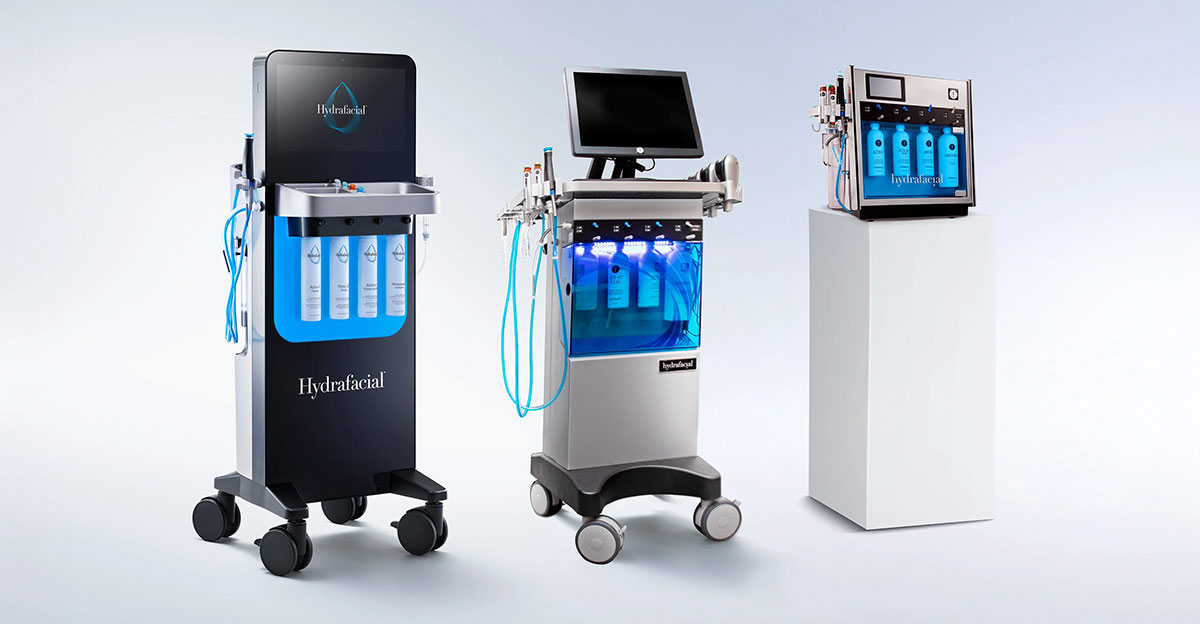
Hydrodermabrasionsgeräte (Hydrafacial-Geräte) Kombinieren Sie die Reinigung, Peeling, Extraktion, und Feuchtigkeit in einer einzigen Behandlung. Sie sind für alle Hauttypen geeignet, erfordern nur minimale Schulung, und eine hohe Patientenzufriedenheit erzeugen. Die Behandlung ist nicht-invasiv und ohne Ausfallzeiten, Dies macht es zu einem idealen Einstiegsservice für Kliniken. Erkunden Optionen für Hydrodermabrasionsgeräte um Geräte zu finden, die Ihren Marktanforderungen entsprechen.
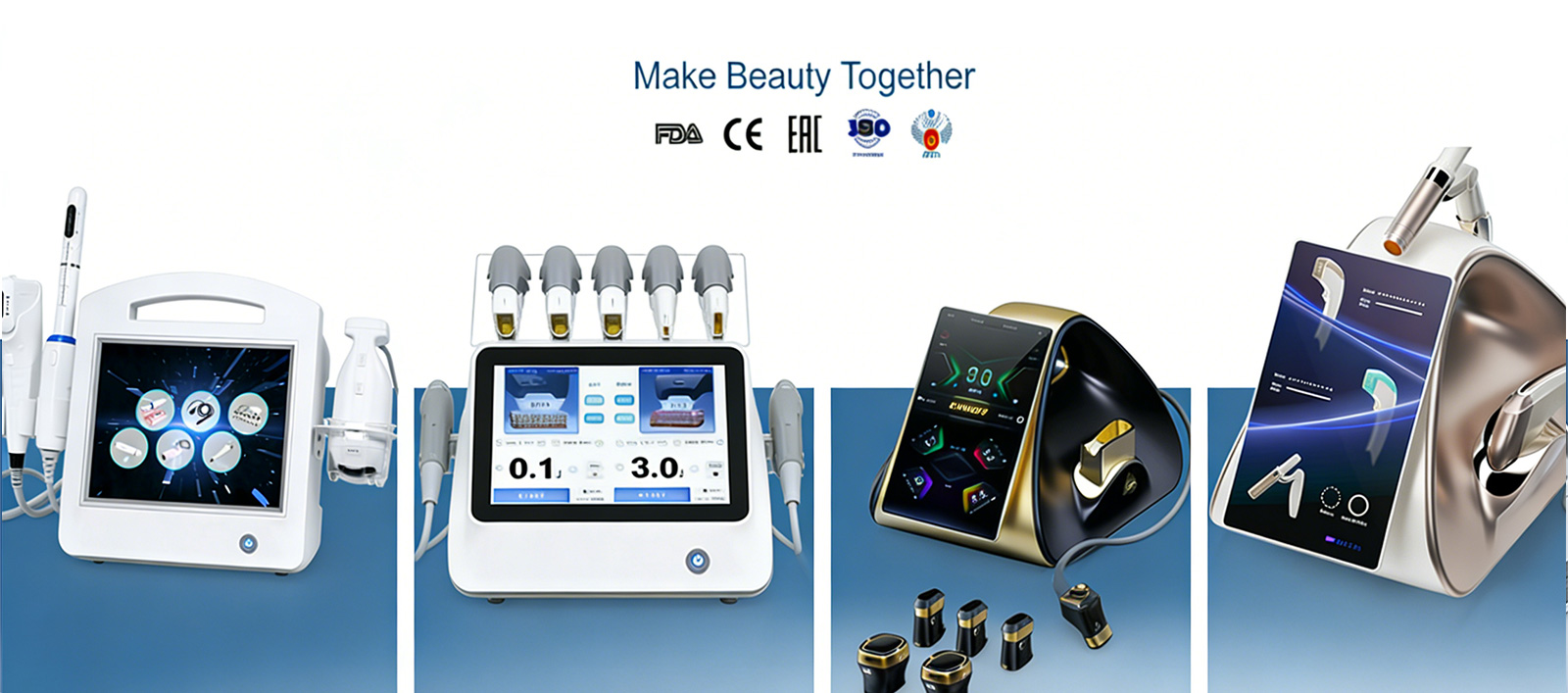
HIFU (Hochintensiver fokussierter Ultraschall) Maschinen liefern gezielte Ultraschallenergie an tiefe Hautschichten, Stimulierung der Kollagenproduktion für einen nicht-chirurgischen Lifting-Effekt. HIFU-Behandlungen gehören zu den profitabelsten Einzelsitzungsverfahren, Die Preise liegen typischerweise zwischen USD 500 in USD 3,000 pro Sitzung je nach Behandlungsbereich und Markt.
EMS (Elektrische Muskelstimulation) Körperformungsmaschinen Verwenden Sie elektromagnetische Energie, um supramaximale Muskelkontraktionen auszulösen, Muskelaufbau bei gleichzeitiger Reduzierung von lokalisiertem Fett. Diese Technologie erfreut sich enormer Beliebtheit, wobei die Körperkonturierung eine der am schnellsten wachsenden Kategorien ästhetischer Geräte darstellt.
Mid-Tier Portfolio: Fügen Sie Kryolipolyse hinzu + Radiofrequenz
Wenn Ihr Vertriebsgeschäft wächst, Erweiterung um Kryolipolyse und Radiofrequenz (RF) Mit diesen Technologien können Sie umfassendere klinische Anforderungen erfüllen und umsatzstärkere Kunden ansprechen.
Kryolipolyse-Maschinen (Fett einfrieren) sorgen für eine nicht-chirurgische Fettreduktion durch Kristallisierung des Fettgewebes bei kontrollierten Temperaturen. Die behandelten Fettzellen werden über mehrere Wochen auf natürliche Weise beseitigt. Diese Technologie erfüllt die anhaltende Nachfrage nach nicht-invasiver Körperformung. Durchsuchen Kategorien von Geräten zur Körperformung um verfügbare Optionen zu bewerten.
Radiofrequenz (RF) Geräte liefern kontrollierte Wärmeenergie an die Hautschichten, stimuliert den Kollagenumbau und die Hautstraffung. Die HF-Technologie ist vielseitig, geeignet für Gesichtsbehandlungen, Körperstraffung, und Cellulite-Reduktion. Multipolare HF-Systeme mit einstellbaren Parametern bedienen ein breites Indikationsspektrum.
Premium-Portfolio: Lasersysteme hinzufügen + Microneedling RF
Für Händler, die auf Premium-Medizinmärkte abzielen, Lasersysteme und Mikronadel-RF-Geräte stellen die höchste Stufe der Ausrüstungsinvestitionen dar.
Lasersysteme Dazu gehören Diodenlaser zur Haarentfernung, Gütegeschalteter Nd:YAG-Laser zur Tattooentfernung und Pigmentierung, und CO2-Fraktionslaser zur Hauterneuerung. Der Markt für professionelle ästhetische Laser wurde mit USD bewertet 2.78 Milliarden in 2024 und wird voraussichtlich USD erreichen 5.36 Milliarden von 2032 (P&S Intelligenz). Lasersysteme erfordern höhere Investitionen und Schulungen, bieten aber entsprechend höhere Erträge pro Behandlung.
Microneedling RF-Geräte Kombinieren Sie mechanisches Microneedling mit Radiofrequenz-Energieabgabe, Es erzeugt kontrollierte Mikroverletzungen und liefert gleichzeitig thermische Energie bis in präzise Tiefen. Diese Kombination ist äußerst wirksam bei der Behandlung von Aknenarben, Hautverjüngung, und Porenverfeinerung.
Beim Aufbau Ihres Portfolios, Berücksichtigen Sie Synergien zwischen Geräten. Eine Klinik, die ein Hydrodermabrasionsgerät kauft, benötigt möglicherweise auch HIFU für Lifting-Behandlungen, Schaffung natürlicher Cross-Selling-Möglichkeiten. Die Gestaltung von Produktpaketen rund um klinische Arbeitsabläufe bietet Kunden einen Mehrwert und maximiert gleichzeitig Ihren durchschnittlichen Bestellwert.
Schritt 3: Bewerten und wählen Sie Hersteller aus
Ihre Herstellerpartnerschaft ist die Grundlage Ihres Vertriebsgeschäfts. Qualität, Zuverlässigkeit, und Support bestimmen direkt Ihre Kunden’ Erfahrung. Ein strenger Bewertungsprozess ist unerlässlich.
Zertifizierungsanforderungen
Zertifizierungen sind nicht verhandelbar, der Nachweis, dass ein Hersteller internationale Qualitäts- und Sicherheitsstandards erfüllt. Zumindest, Ihr Hersteller sollte halten:
- ISO 13485: Der internationale Qualitätsmanagementstandard für Medizinprodukte, was auf ein einheitliches Design hinweist, Produktion, und Vertriebsprozesse.
- CE-Kennzeichnung: Erforderlich für den Verkauf von Medizinprodukten im Europäischen Wirtschaftsraum, Angabe der Konformität mit EU-Gesundheits- und Sicherheitsstandards.
- FDA-Zulassung: Erforderlich für den Vertrieb medizinischer Geräte in den Vereinigten Staaten. Abhängig von der Geräteklassifizierung, Dies kann beinhalten 510(k) Freigabe oder De-Novo-Weg.
- NMPA-Registrierung: Erforderlich für medizinische Geräte, die in China hergestellt und verkauft werden, Nachweis der Einhaltung chinesischer Regulierungsstandards.
Erfahren Sie mehr darüber, warum Zertifizierungen bei der Auswahl eines Herstellers ästhetischer Geräte wichtig sind in unserem ausführlichen Ratgeber.
OEM/ODM-Fähigkeiten
Wenn Sie planen, Ihre eigene Marke aufzubauen, OEM- und ODM-Fähigkeiten sind von entscheidender Bedeutung. Mit OEM können Sie Geräte unter Ihrer eigenen Marke verkaufen, während ODM kundenspezifische Designänderungen und proprietäre Softwareschnittstellen ermöglicht. Bewerten Sie das Designteam des Herstellers, Prototypenentwicklungsprozess, Lieferzeiten für individuelle Anpassungen, und Mindestbestellmengen (MOQs) für maßgeschneiderte Produkte.
Garantie und Kundendienst
Zuverlässiger After-Sales-Support ist ein wichtiges Verkaufsargument. Bewerten Sie die Garantiebedingungen einschließlich der Deckungsdauer, abgedeckte Komponenten, und Anspruchsprozesse. Eine einjährige Garantie ist der Industriestandard für professionelle ästhetische Geräte. Ebenso wichtig ist die Verfügbarkeit des technischen Supports: Bietet der Hersteller Online-Support an?, Video-Tutorials, oder Schulung vor Ort? Was ist ihre typische Reaktionszeit für technische Anfragen??
Produktionsvorlaufzeit und Logistik
Typische Vorlaufzeiten für die Herstellung ästhetischer Geräte liegen zwischen 3 Zu 7 Tage für Standardprodukte, mit zusätzlicher Zeit für OEM/ODM-Anpassungen. Der Luftversand nach Nordamerika und Europa dauert in der Regel 7 Zu 15 Tage, während Seefracht erfordert 30 Zu 45 Tage. Besprechen Sie MOQ-Anforderungen mit potenziellen Herstellern, da einige hohe Mindestbestellmengen haben, was den Cashflow für neue Vertriebshändler belasten kann.
Über UangelCare als Ihren OEM/ODM-Partner
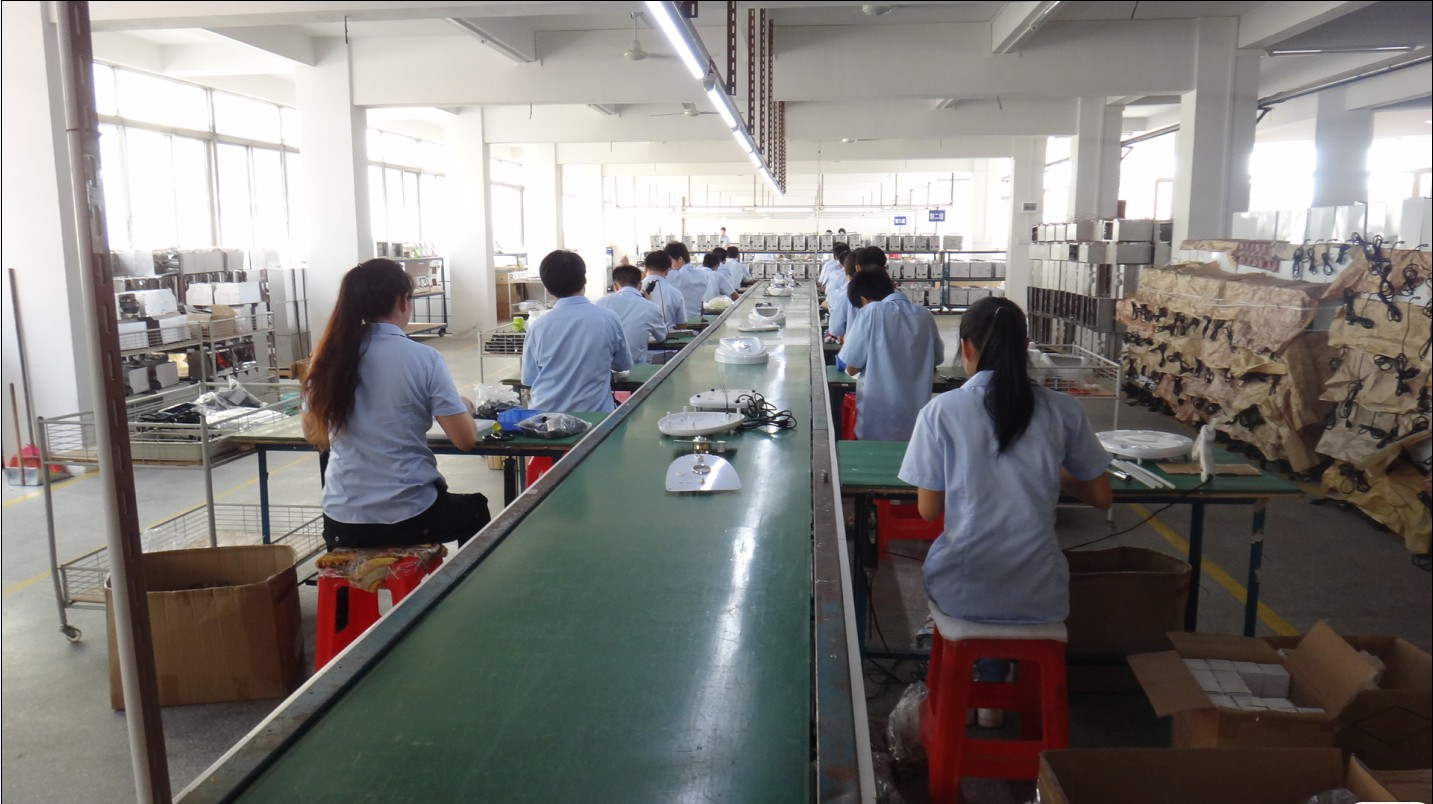
Guangzhou Uangel Technology Co., Ltd., Ltd. (UangelCare), gegründet in 2016, ist ein professioneller Hersteller ästhetischer Geräte mit Sitz in Guangzhou, China, mit 51-200 Mitarbeiter. Das Unternehmen besitzt NMPA, ISO 13485, und CE-Zertifizierungen, mit teilweiser FDA-Zulassung für ausgewählte Produkte. UangelCare ist auf die B2B-OEM/ODM-Fertigung spezialisiert, bietet umfassende Anpassungsdienste für Händler weltweit.
UangelCare gewährt eine einjährige Garantie auf alle professionellen ästhetischen Geräte, Die Schulungen sind über Online-Video-Tutorials und Vor-Ort-Sitzungen verfügbar. Die Standardvorlaufzeit für die Produktion beträgt 3 Zu 7 Tage, mit Luftversand in die USA und in die EU 7 Zu 15 Tage. Das Produktportfolio umfasst Hydrodermabrasion, HIFU, EMS-Körperformung, Kryolipolyse, RF, Lasersysteme, und Mikronadel-RF-Geräte.
Schritt 4: Verstehen Sie die regulatorischen Anforderungen in Ihren Zielmärkten
Die Einhaltung gesetzlicher Vorschriften ist einer der komplexesten Aspekte im Geschäft mit Kosmetikmaschinen. Jeder große Markt hat seine eigenen Rahmenbedingungen, und die Nichtbeachtung kann zu Produktbeschlagnahmungen führen, Geldstrafen, und gesetzliche Haftung.
Vereinigte Staaten: FDA-Verordnung
In den Vereinigten Staaten, Ästhetische Geräte werden von der FDA als Medizinprodukte reguliert. Die meisten energiebasierten ästhetischen Geräte gehören zur Klasse II, erfordern 510(k) Freigabe vor der Vermarktung. Als Distributor, Sie müssen sicherstellen, dass die Geräte über eine ordnungsgemäße FDA-Zulassung verfügen und den Anforderungen der FDA an die Einrichtungsregistrierung und Geräteauflistung entsprechen. Das Verteilen nicht freigegebener Geräte kann zu Abmahnungen führen, Importdelikte, und zivilrechtliche Sanktionen.
europäische Union: CE-Kennzeichnung und MDR
In der EU, Ästhetische Geräte müssen gemäß der Medizinprodukteverordnung eine CE-Kennzeichnung tragen (MDR 2017/745), die strenge Anforderungen an die klinische Bewertung stellt, Überwachung nach dem Inverkehrbringen, und Risikomanagement. Händler müssen die Konformitätsdokumentation überprüfen, Sorgen Sie für ordnungsgemäße Lager- und Transportbedingungen, und Vorfälle den zuständigen Behörden melden.
China: NMPA-Registrierung
Für Händler, die ihre Produkte aus China beziehen oder dort tätig sind, NMPA klassifiziert medizinische Geräte in drei Klassen. Die meisten ästhetischen energiebasierten Geräte fallen unter die Klasse II oder III, Vor dem Markteintritt ist eine formelle NMPA-Registrierung erforderlich.
Andere Märkte
Andere Märkte haben ihre eigenen Anforderungen: Health Canada reguliert medizinische Geräte gemäß den Medical Device Regulations; Die australische TGA verwaltet das Australian Register of Therapeutic Goods; Die brasilianische ANVISA überwacht die Geräteregistrierung. Bestätigen Sie, dass Ihr Hersteller über die erforderlichen Zertifizierungen für Ihre Zielmärkte verfügt, um den Vertrieb zu vereinfachen und das Compliance-Risiko zu reduzieren.
Schritt 5: Berechnen Sie den Investitionsbedarf und den Projekt-ROI
Um fundierte Investitionsentscheidungen treffen zu können, ist es wichtig, die Finanzdynamik eines Vertriebsunternehmens für Kosmetikmaschinen zu verstehen.
Erstinvestitionskomponenten
Bestandserwerb: Ein Starter-Portfolio von 3-5 Einheiten (Hydrodermabrasion, HIFU, und EMS-Maschinen) kann USD erfordern 15,000 in USD 40,000 je nach Hersteller, Spezifikationen, und Markenpositionierung. Mittelklasse- und Premium-Portfolios erfordern proportional höhere Investitionen.
Versand und Zoll: Internationaler Versand, Einfuhrzölle, und Zollgebühren können hinzukommen 10-20% zu den Ausrüstungskosten. Luftfracht ist schneller, aber teurer als Seefracht.
Einhaltung gesetzlicher Vorschriften: Budget USD 2,000 in USD 10,000 für die lokale Zertifizierung, Produkttests, oder regulatorische Beratung im ersten Jahr.
Marketing und Geschäftsentwicklung: Zuordnen 15-25% Ihres Budgets für das erste Jahr in digitales Marketing umwandeln, Messebesuch, Verkaufssicherheiten, und Website-Entwicklung.
Betriebskapital: Halten Sie eine Reserve von 3-6 Monate Betriebsaufwand für die erste Anlaufphase.
Umsatzmodell und Margenstruktur
Händler von Schönheitsmaschinen arbeiten in der Regel mit Bruttomargen von 30-50% zum Verkauf von Geräten. Erfolgreiche Vertriebshändler erschließen auch mehrere Einnahmequellen:
- Verbrauchsmaterialien und Zubehör: Behandlungstipps, Seren, Patronen, und Ersatzteile bieten höhere Margen (50-70%) und wiederkehrende Einnahmen.
- Wartungs- und Serviceverträge: Jahresverträge sorgen für vorhersehbare Einnahmen, typischerweise erzeugend 5-10% des Gerätekaufpreises pro Jahr.
- Schulungsdienstleistungen: Schulungen zur Gerätebedienung schaffen zusätzliche Einnahmen und differenzieren Ihr Unternehmen.
- Finanzierung und Leasing: Das Angebot von Finanzierungsoptionen erhöht den durchschnittlichen Verkaufswert und macht Premiumgeräte auch für kleinere Kliniken zugänglich.
Beispiel für eine ROI-Projektion
Betrachten Sie einen Händler, der mit einem USD beginnt 30,000 Bestandsinvestition in ein Starterportfolio. Unter der Annahme eines durchschnittlichen Verkaufspreises von USD 8,000 pro Gerät und a 40% Bruttomarge, Verkauf 15 Geräte im ersten Jahr generieren USD 120,000 in Umsatz und USD 48,000 im Bruttogewinn. USD hinzufügen 15,000 im Verbrauchsmaterialverkauf bei 60% Marge trägt USD bei 9,000, und USD 10,000 in Dienstverträgen bei 70% Marge fügt USD hinzu 7,000. Gesamtbruttogewinn von USD 64,000 gegen Betriebskosten von ca. USD 40,000 ergibt einen Nettogewinn von USD 24,000 im ersten Jahr, ein 80% Rendite der anfänglichen Lagerinvestition.
Prognosen für das zweite und dritte Jahr zeigen in der Regel eine deutliche Verbesserung durch Folgegeschäfte, Empfehlungen, und erweiterte Produktportfolios. Erfolgreiche Distributoren erzielen in der Regel einen Jahresumsatz von USD 500,000 in USD 2,000,000 innerhalb von drei bis fünf Jahren.
Häufige Fehler, die neue Vertriebspartner machen
1. Priorisierung des Preises vor der Qualität. Geräte von geringer Qualität fallen häufig aus, Beschwerden hervorrufen, und Ihrem Ruf schaden. Die Kosten für Garantiereparaturen und verlorene Kunden übersteigen die anfänglichen Einsparungen. Bewerten Sie die Gesamtbetriebskosten, nicht nur der Kaufpreis.
2. Vernachlässigung der Einhaltung gesetzlicher Vorschriften. In vielen Ländern unterliegen Vertriebshändler unabhängigen Regulierungspflichten. Das Versäumnis, sich als Medizinprodukteunternehmen zu registrieren oder Geräte ohne entsprechende Genehmigung zu vertreiben, kann schwere Strafen zur Folge haben.
3. Die Wichtigkeit der Ausbildung wird unterschätzt. Für die Sicherheit von ästhetischen Geräten ist eine ordnungsgemäße Bedienung erforderlich, effektive Ergebnisse. Händler, die verkaufen, ohne Schulungen anzubieten, riskieren die Unzufriedenheit der Kunden und riskieren Haftungsrisiken. Investieren Sie in umfassende Schulungsprogramme.
4. Es gelingt nicht, eine Marke aufzubauen. Der Weiterverkauf unter der Marke des Herstellers ohne Aufbau einer eigenen Marktpräsenz schränkt die Preismacht ein und macht Ihr Unternehmen austauschbar. Der Aufbau Ihrer Marke durch OEM-Partnerschaften und Content-Marketing schafft langfristigen Wert.
5. Den Kundendienst ignorieren. Kontinuierlicher technischer Support und Wartung unterscheiden erfolgreiche Händler von Transaktionsverkäufern. Kunden, die eine hervorragende Betreuung erhalten, werden zu Wiederholungskäufern und Empfehlungsquellen.
6. Überdimensionierter Lagerbestand. Übermäßige Investitionen in Lagerbestände binden Kapital und erhöhen die Gefahr der Veralterung der Technologie. Beginnen Sie mit einem fokussierten Portfolio und erweitern Sie es basierend auf der tatsächlichen Nachfrage.
Häufig gestellte Fragen
Wie viel Kapital benötige ich, um ein Unternehmen für den Vertrieb von Kosmetikmaschinen zu gründen??
Eine typische Startup-Investition liegt bei USD 30,000 in USD 75,000, Deckung des Erstinventars, Versand, Einhaltung gesetzlicher Vorschriften, Marketing, und Betriebskapital. Vertriebspartner, die mit einer einzigen Produktkategorie beginnen, können bereits ab USD beginnen 15,000, während umfassende Portfolios möglicherweise USD erfordern 100,000 oder mehr.
Benötige ich einen medizinischen Hintergrund, um ästhetische Geräte zu vertreiben??
Es ist kein medizinischer Hintergrund erforderlich, Sie sollten jedoch die von Ihnen verkauften Technologien gründlich verstehen, einschließlich ihrer Funktionsweise, Indikationen, die sie behandeln, und Sicherheitsaspekte. Vom Hersteller bereitgestellte Schulungen können Wissenslücken für Händler mit anderem beruflichen Hintergrund schließen.
Was ist die Mindestbestellmenge? (Mindestbestellmenge) für ästhetische Geräte?
MOQs variieren je nach Hersteller und Produkttyp. Für Standardprodukte, Viele Hersteller akzeptieren Einzelbestellungen. Für OEM/ODM-Produkte mit individuellem Branding, MOQs reichen normalerweise von 5 Zu 20 Einheiten. UangelCare bietet flexible MOQs, die für neue Vertriebspartner geeignet sind.
Wie lange dauert es, bis ich die Ausrüstung nach der Bestellung erhalte??
Für Standardprodukte, Produktionsvorlaufzeiten sind 3 Zu 7 Tage. Der Luftversand nach Nordamerika und Europa dauert 7 Zu 15 Tage, ungefähre Gesamtdurchlaufzeit erreichen 2 Zu 4 Wochen. OEM/ODM-Anpassung kann hinzufügen 2 Zu 4 Wochen bis zur Produktionszeit.
Welchen Garantieumfang kann ich von den Herstellern erwarten??
Der Industriestandard ist eine einjährige umfassende Garantie, die Herstellungsfehler in Material und Verarbeitung abdeckt. Einige Hersteller bieten für bestimmte Komponenten eine erweiterte Garantie von zwei oder drei Jahren an. UangelCare bietet standardmäßig eine einjährige Garantie mit erweiterten Deckungsoptionen für ausgewählte Produkte.
Kann ich Geräte vertreiben, die keine FDA-Zulassung haben??
Der Vertrieb von Medizinprodukten ohne entsprechende FDA-Zulassung in den Vereinigten Staaten verstößt gegen Bundesgesetze und kann zu Abmahnungen führen, Importdelikte, Produktbeschlagnahmungen, und zivilrechtliche Sanktionen. Stellen Sie immer sicher, dass jedes Gerät über die entsprechende FDA-Zulassung verfügt, bevor Sie es auf dem US-Markt verkaufen.
Was ist der Unterschied zwischen OEM- und ODM-Fertigung??
Beim OEM handelt es sich um die Herstellung von Produkten nach Ihren Spezifikationen unter Ihrem Markennamen. Bei ODM handelt es sich um das eigene Design des Herstellers, anpassbar mit Ihrem Branding und geringfügigen Änderungen. OEM bietet eine größere Anpassungsfähigkeit, erfordert jedoch in der Regel höhere Mindestbestellmengen, während ODM schneller auf den Markt kommt und weniger flexibel ist.
Wie gehe ich mit Gerätereparaturen und -wartungen um??
Die meisten Hersteller bieten technischen Support über Online-Kommunikation an, Video-Tutorials, und Ferndiagnose. Für physische Reparaturen, Hersteller liefern in der Regel austauschbare Ersatzteile mit technischer Anleitung. Bei aufwändigen Reparaturen kann eine Rücksendung des Gerätes an den Hersteller erforderlich sein. Erstellen Sie vor dem Verkauf klare Reparaturprotokolle mit Ihrem Hersteller.
Weiterführende Literatur und Ressourcen
- Entdecken Sie unser komplettes Sortiment an ästhetischen Geräten für den Vertrieb
- Durchsuchen Sie die Geräte nach Behandlungskategorie und Technologietyp
- Weitere Händlerleitfäden und Brancheneinblicke finden Sie in unserem Blog
Die Gründung eines Vertriebsunternehmens für Kosmetikmaschinen ist ein bedeutendes Unterfangen, aber mit dem richtigen Produktportfolio, ein zuverlässiger Fertigungspartner, und ein disziplinierter Ansatz in Bezug auf Compliance und Kundenservice, Es stellt eine überzeugende Chance in einem der am schnellsten wachsenden Märkte des Gesundheitswesens dar. Die Nachfrage nach nicht-invasiven ästhetischen Behandlungen nimmt weltweit weiter zu, und Händler, die sich strategisch positionieren, können nachhaltig bauen, profitable Unternehmen in dieser dynamischen Branche.
Weitere Informationen zur Partnerschaft mit UangelCare als Ihrem OEM/ODM-Hersteller, einschließlich Produktspezifikationen, Zertifizierungsdokumentation, und Händlerpreise, Kontaktieren Sie unser Team, um Ihre spezifischen Anforderungen und Marktziele zu besprechen.