

Radiofrequency (RF) skin tightening has become one of the most sought-after non-surgical aesthetic treatments globally, offering clinics a high-demand, repeatable revenue stream with minimal downtime for patients. For clinic owners and procurement managers evaluating new equipment, selecting the right RF machine requires understanding technical specifications, treatment protocols, regulatory compliance, and total cost of ownership. This guide walks you through everything you need to know before purchasing an RF skin tightening device for your aesthetic practice.
Key Takeaways
- RF skin tightening uses controlled radiofrequency energy to heat dermal tissue, stimulating collagen production and improving skin laxity without surgery.
- Monopolar, bipolar, multipolar, and fractional RF devices each offer distinct penetration depths and treatment applications; the right choice depends on your clinic’s patient demographic and service menu.
- Key evaluation criteria include frequency range (typically 1–40 MHz), electrode configuration, temperature control accuracy, pulse duration options, and FDA/CE regulatory clearance.
- A quality RF system from a reputable OEM/ODM manufacturer with ISO 13485 certification, CE marking, and a comprehensive warranty delivers the best long-term ROI for aesthetic clinics.
- UangelCare supplies OEM/ODM RF machines with full regulatory documentation, training support, and lead times of 3–7 days for production and 7–15 days for international shipping.
How RF Skin Tightening Works
RF skin tightening is based on the principle of dielectric heating: when radiofrequency current passes through biological tissue, it causes rapid oscillation of water molecules, generating thermal energy in the dermis and subdermal layers. This controlled heating triggers two primary biological responses.
First, immediate collagen contraction occurs. Collagen fibers have a triple-helix structure that denatures and contracts when heated to approximately 40–45 °C, producing an immediate tightening effect that patients can observe right after treatment. Second, the thermal stimulus initiates a wound-healing cascade, stimulating fibroblasts to produce new collagen and elastin over a period of weeks to months following the procedure. Clinical studies published in the Journal of Cosmetic and Laser Therapy and Dermatologic Surgery have documented measurable increases in dermal thickness and elasticity following a series of RF treatments, with results peaking at 3–6 months post-series.
The depth of energy penetration is determined primarily by the electrode configuration and RF frequency. Lower frequencies (1–5 MHz) penetrate more deeply and are suited to body contouring and deep tissue heating, while higher frequencies (10–40 MHz) target more superficial dermal layers and are appropriate for fine line reduction and delicate facial areas. Modern multipurpose RF platforms offer adjustable frequency settings, allowing clinicians to tailor treatment depth to individual patient needs.
Types of RF Technology
Not all RF devices are equivalent. Understanding the four primary RF delivery configurations will help you match technology to your clinical objectives.
Monopolar RF
Monopolar RF uses a single active electrode applied to the skin surface, with a return pad placed elsewhere on the patient’s body to complete the electrical circuit. Energy flows from the electrode through the entire tissue volume between the electrode and the return pad, delivering the deepest penetration of all RF modalities — typically reaching 10–20 mm into subcutaneous tissue. Monopolar RF is highly effective for treating larger body areas with moderate to severe skin laxity, such as the abdomen, thighs, and upper arms. It requires precise temperature monitoring and practitioner training due to the depth of energy delivery. Common clinical frequencies for monopolar RF range from 1 MHz to 6.78 MHz.
Bipolar RF
Bipolar RF incorporates two electrodes on the treatment handpiece, with current flowing between them through the tissue directly beneath the handpiece. Penetration depth is approximately half the distance between the electrodes, typically 2–4 mm, making bipolar RF ideal for facial treatments and more delicate areas where superficial to mid-dermal heating is desired. Because the energy path is contained between the two electrodes, bipolar RF offers greater control and a more uniform heating zone compared to monopolar, reducing the risk of uneven heating or burns at the periphery. This modality is frequently used for periorbital tightening, jawline definition, and neck treatments.
Multipolar RF
Multipolar RF employs three or more electrodes on the handpiece, with current flowing dynamically between multiple electrode pairs simultaneously. This configuration creates overlapping thermal zones, enabling more uniform volumetric heating across a broader treatment area while maintaining controlled depth. Multipolar RF systems are versatile enough for both facial and body applications and are often preferred for their ability to deliver consistent results with a lower per-session discomfort level. Many manufacturers combine multipolar RF with other energy modalities — such as intense pulsed light (IPL) or vacuum massage — in a single platform, increasing the设备的 Versatility and value proposition for clinic owners.
Fractional RF
Fractional RF (also called microneedle RF or RF microneedling) delivers radiofrequency energy through an array of insulated microneedles that penetrate the skin surface, depositing thermal energy directly into the dermis at precise depths — typically 0.5 mm to 3.5 mm. The fractional approach creates microthermal treatment zones (MTZs) surrounded by unaffected tissue, which accelerates healing and stimulates robust collagen remodeling. Fractional RF is particularly effective for acne scar revision, deep wrinkles, stretch marks, and textural irregularities. It requires disposable needle cartridges and stricter infection control protocols than surface-contact RF modalities.
Monopolar vs. Bipolar vs. Multipolar RF Comparison
| Parameter | Monopolar RF | Bipolar RF | Multipolar RF |
|---|---|---|---|
| Penetration Depth | 10–20 mm | 2–4 mm | 3–8 mm (variable) |
| Typical Frequency | 1–6.78 MHz | 3–10 MHz | 1–10 MHz |
| Best Treatment Areas | Abdomen, thighs, arms, large body zones | Face, periorbital, neck, décolletage | Face and body (versatile) |
| Energy Delivery Control | Moderate (requires return pad, deeper scatter) | High (confined between two electrodes) | High (overlapping zones, uniform heating) |
| Patient Comfort | Moderate (deeper heat sensation) | High (superficial, well-tolerated) | High (distributed energy, less discomfort) |
| Skin Type Suitability | All Fitzpatrick types | All Fitzpatrick types | All Fitzpatrick types |
| Typical Treatment Duration | 30–60 minutes | 20–30 minutes | 20–45 minutes |
| Equipment Complexity | Moderate (requires return electrode placement) | Low (self-contained handpiece) | Low to moderate |
Treatment Areas and Protocols
RF skin tightening is FDA-cleared for treatment of facial and body rhytides (wrinkles) and mild to moderate skin laxity. Common treatment areas include the full face (forehead, cheeks, periorbital region, jawline, and neck), the décolletage, arms, abdomen, flanks, thighs, and knees. Treatment protocols vary by device, patient skin type, and severity of laxity, but a typical course consists of 4–8 sessions spaced 2–4 weeks apart, followed by maintenance sessions every 6–12 months.
Pre-treatment assessment should include a thorough patient history, skin typing (Fitzpatrick I–VI), and evaluation of areas of concern. Patients should be counseled that RF tightening produces gradual, natural-looking results rather than the dramatic immediate lift associated with surgical procedures. Common side effects include transient erythema, mild edema, and warmth at the treatment site, typically resolving within 24–48 hours. RF is contraindicated in patients with active electronic implants (pacemakers, defibrillators), metal implants in the treatment area, active skin infections, or pregnancy.
Key Specifications to Evaluate
When comparing RF machine manufacturers and models, the following technical parameters directly impact clinical performance, safety, and return on investment.
Frequency Range and Adjustability
Devices operating in the 1–40 MHz range offer the broadest clinical applicability. Look for platforms with adjustable frequency settings that allow fine-tuning of penetration depth per treatment area. Fixed-frequency devices may be less expensive but significantly limit clinical versatility.
Electrode Design and Quality
Handpiece electrode quality determines treatment consistency and patient safety. Gold-plated or titanium electrodes provide superior conductivity and corrosion resistance compared to lower-grade materials. For fractional RF, needle cartridge quality — including sharpness retention, insulation integrity, and consistent depth calibration — directly affects treatment efficacy and patient comfort.
Temperature Monitoring and Control
Real-time temperature monitoring through infrared sensors or contact thermometry is essential for consistent clinical outcomes and patient safety. The best systems offer closed-loop temperature control that automatically adjusts energy delivery to maintain the target therapeutic range (40–45 °C in the dermis) throughout the treatment. Systems without real-time monitoring rely on practitioner skill alone, increasing risk of undertreatment or thermal injury.
Treatment Depth Control
Precise, adjustable treatment depth settings — whether through frequency modulation (for monopolar/multipolar systems) or needle penetration depth (for fractional RF) — enable clinicians to safely treat diverse patient populations and anatomical areas. Verify that the device offers a sufficient range of depth settings to cover your target service offerings.
Pulse Duration and Energy Delivery Modes
Look for devices offering multiple pulse modes: continuous, pulsed, and synchronized. Continuous mode is suited to body treatments requiring deep uniform heating; pulsed mode is preferred for facial areas where patient comfort is a priority. Synchronized delivery — where RF is combined with cooling or vacuum — enhances treatment tolerability and can improve outcomes for certain indications.
Regulatory Certifications
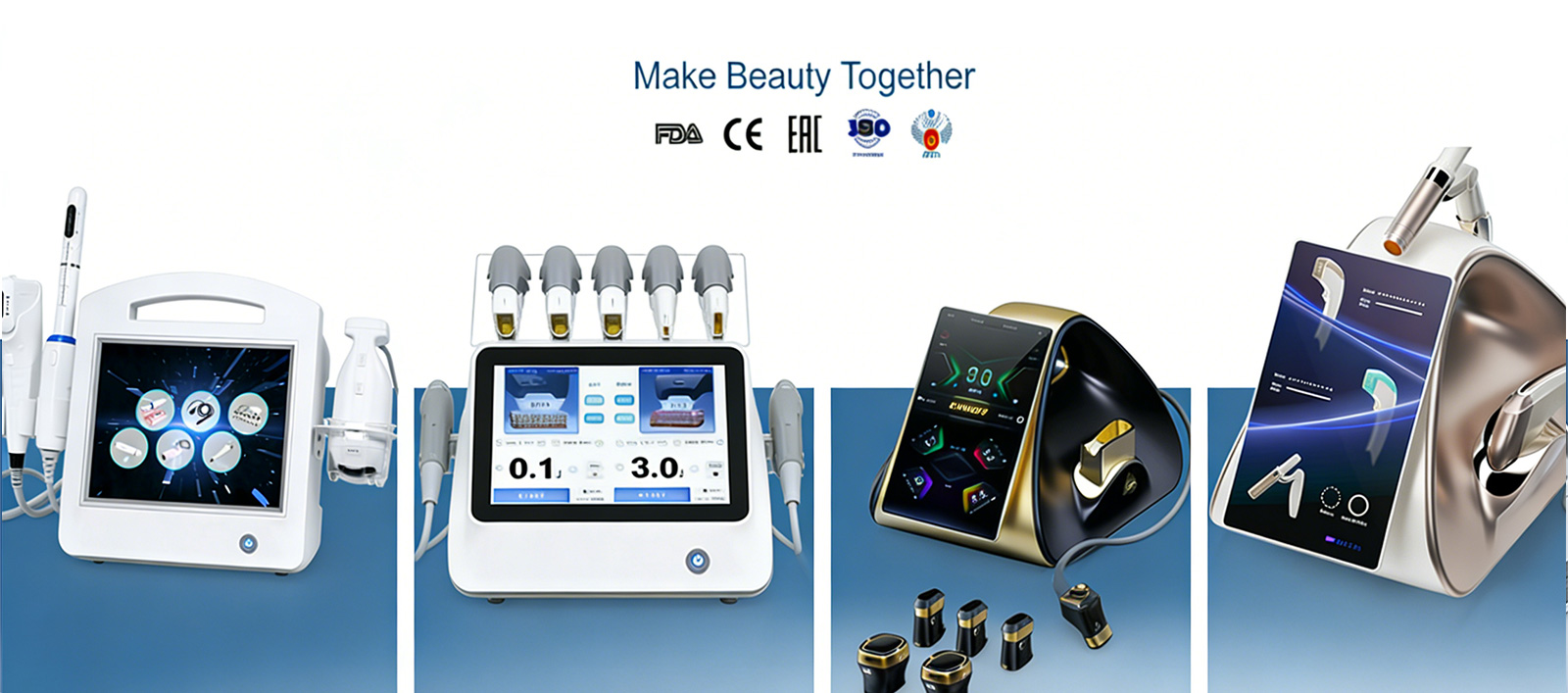
Regulatory clearance is non-negotiable for any RF device entering a clinical market. FDA 510(k) clearance (or CE marking under the EU Medical Device Regulation) confirms that the device has undergone safety and efficacy evaluation by a recognized regulatory body. CE marking under ISO 13485-certified quality management systems indicates that the manufacturer adheres to international standards for medical device design, production, and post-market surveillance. UangelCare holds ISO 13485 certification, CE marking, and partial FDA clearance across its RF platform, supporting regulatory compliance across US, EU, and select Asian markets.
Warranty and Service Support
Equipment downtime directly impacts clinic revenue. Evaluate warranty terms carefully: a minimum 1-year comprehensive warranty covering parts and labor is standard for quality devices. Beyond warranty, assess the manufacturer’s technical support availability, training provision (online, video, and on-site), and spare parts accessibility. UangelCare provides a 1-year warranty on all RF systems, structured training programs, and responsive technical support to minimize operational disruption for clinic partners.
Cost and Return on Investment
RF skin tightening equipment pricing varies substantially based on technology type, brand positioning, and included accessories. Entry-level bipolar or single-mode multipolar devices for facial use may be available from unbranded distributors in the $2,000–$8,000 range, while premium multipolar platforms with fractional RF capability and integrated technologies typically range from $15,000 to $50,000 or more from established medical device brands.
OEM/ODM manufacturing partnerships, such as those offered by UangelCare, allow clinics and distributors to access clinically validated RF technology at a significantly lower price point than branded alternatives, without sacrificing core performance specifications. When calculating ROI, consider the following: a single RF facial treatment session typically ranges from $300 to $800 in North American and European markets, and a full course of 6 sessions can generate $1,800–$4,800 in revenue per patient. With a properly priced device, most clinics recover equipment investment within 50–150 patient sessions, depending on local market pricing and patient volume.
Beyond initial acquisition cost, factor in consumables (fractional RF needle cartridges, treatment gels, disposal items), service and maintenance costs, and the opportunity cost of treatment room utilization. Devices with durable handpieces and minimal consumable requirements will deliver superior economics over a 3–5 year ownership horizon.
Choosing the Right RF Manufacturer
Selecting a manufacturer is as important as selecting a device. A reputable OEM/ODM partner brings not just a product, but a complete support infrastructure that protects your clinical outcomes and business operations.
Manufacturing Credentials and Quality Systems
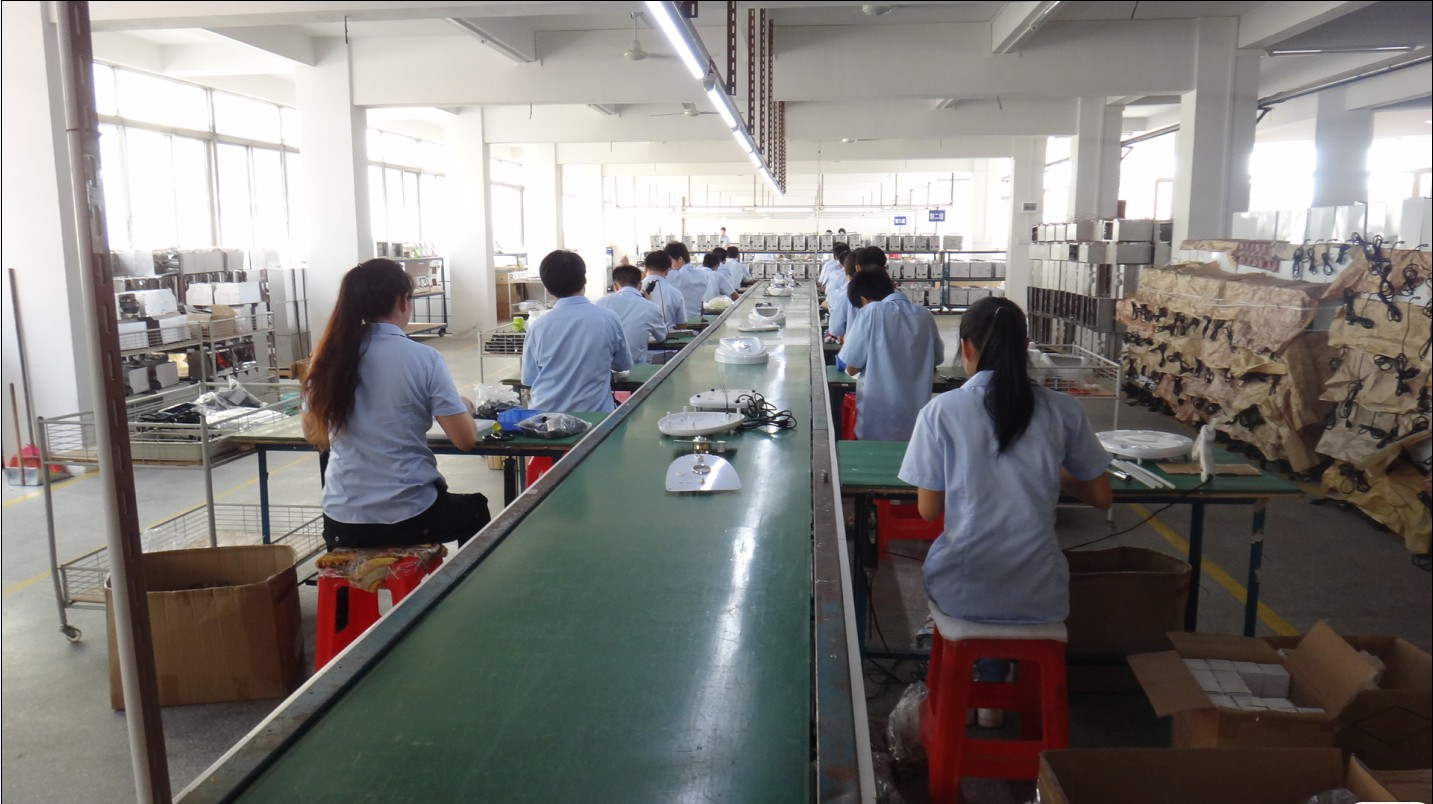
Verify that your manufacturer operates under a certified quality management system — ISO 13485 being the global standard for medical device quality. ISO 13485 certification requires documented processes for design control, risk management, supplier quality, production control, and post-market surveillance. UangelCare operates an ISO 13485-certified production facility in Guangzhou, with all RF devices manufactured under controlled conditions that support regulatory submissions in target markets.
Customization and OEM/ODM Capabilities
If you operate under a clinic brand or distribute equipment to other practices, OEM/ODM customization is a significant advantage. Look for manufacturers capable of branding customization (logo, color scheme, packaging), firmware modifications (customized treatment protocols, language options), and even bespoke hardware configurations for specific clinical applications. UangelCare’s ODM capabilities include full brand customization, logo integration, and software interface modifications to meet distributor and clinic partner specifications.
Regulatory Documentation and Market Entry Support
A reliable manufacturer should provide comprehensive regulatory documentation packages, including device specifications, test reports, risk analysis files, and manufacturing records — the essential components of any regulatory submission. This documentation significantly reduces the time and cost of obtaining local regulatory clearance. UangelCare supports market entry by providing complete technical files aligned with FDA, CE, and NMPA submission requirements.
Production and Delivery Lead Times
For clinic owners purchasing equipment for an active or planned practice, lead time matters. Evaluate both production lead time (device manufacturing and quality testing) and shipping lead time (international logistics to your location). UangelCare quotes 3–7 days for standard production runs and 7–15 days for air freight delivery to the United States and European Union — among the fastest in the industry for OEM medical device orders.
Training and Clinical Support
Even the most sophisticated device delivers poor outcomes without proper clinical training. Confirm that your manufacturer provides structured training covering treatment protocols, patient selection, contraindications, operational procedures, and troubleshooting. UangelCare offers multi-format training — online modules, pre-recorded video guides, and on-site clinical training — ensuring that clinic teams are confident and competent from day one of clinical operations.
Frequently Asked Questions
Is RF skin tightening FDA-cleared?
Yes, multiple RF devices for non-invasive skin tightening have received FDA 510(k) clearance in the United States. However, clearance status varies by manufacturer and specific device model. Always verify that the device you intend to purchase holds the appropriate regulatory clearance for your jurisdiction. UangelCare maintains partial FDA clearance and full CE marking across its RF product line.
How many RF sessions are needed to see results?
Most patients observe measurable improvement in skin firmness and texture after 2–3 sessions. Optimal results typically appear after 4–8 sessions, with continued improvement over 3–6 months as new collagen is produced. Maintenance sessions every 6–12 months help sustain results long-term.
What is the difference between RF and laser skin tightening?
RF and laser skin tightening both use energy to stimulate collagen, but they deliver energy in different forms. Laser devices use coherent light energy absorbed by chromophores (melanin and hemoglobin) in the skin. RF devices use electromagnetic radio waves that heat tissue based on electrical resistance, regardless of chromophore presence. This makes RF more predictable across diverse skin types and less dependent on melanin density than laser-based modalities.
Can RF be combined with other aesthetic treatments?
Yes. RF skin tightening is commonly combined with microneedling, injectable fillers, and certain laser treatments in comprehensive aesthetic treatment plans. However, sequencing and timing between treatments must be carefully planned to avoid excessive thermal accumulation in the skin. Consult manufacturer guidelines and clinical literature when designing combination protocols.
What is the typical treatment depth for RF skin tightening?
Treatment depth varies by RF type and settings. Monopolar RF reaches 10–20 mm, making it suitable for body contouring and deep tissue tightening. Bipolar RF typically penetrates 2–4 mm, optimal for facial treatments. Multipolar RF offers variable depth based on electrode configuration. Fractional RF delivers energy at precise depths of 0.5–3.5 mm via microneedles, enabling targeted dermal remodeling.
What frequency range should a quality RF machine operate within?
Most clinical RF devices operate between 1 MHz and 40 MHz. Frequencies in the 1–6.78 MHz range are most common for monopolar and multipolar body treatments, while frequencies of 10–40 MHz are used for more superficial facial treatments and fractional RF applications. The best clinical platforms offer adjustable frequency control across this range.
How long do RF skin tightening results last?
Results from a complete RF treatment series typically last 12–24 months, depending on the patient’s age, skin condition, lifestyle factors, and adherence to maintenance protocols. The natural aging process continues after treatment, so maintenance sessions are recommended to sustain optimal outcomes.
What certifications should I look for in an RF machine manufacturer?
At minimum, verify ISO 13485 certification (quality management for medical devices), CE marking (required for EU market access), and relevant FDA clearance (for US market access). Additional credentials such as NMPA approval (China) and independent clinical trial data add further confidence in the manufacturer’s commitment to safety and efficacy.
Disclaimer
This article is intended for B2B audiences including aesthetic clinic owners, medical professionals, and healthcare procurement specialists. The information provided is for general educational purposes and does not constitute medical advice. Treatment protocols, regulatory requirements, and device specifications referenced herein may vary by jurisdiction. Clinicians are responsible for ensuring that any devices or protocols used in their practice comply with applicable local regulations, professional standards, and manufacturer guidelines. Individual patient outcomes may vary based on age, skin condition, treatment adherence, and other factors. UangelCare recommends thorough clinical training and patient consultation before implementing any new aesthetic technology.
Learn More About RF Technology
- Explore UangelCare’s RF Skin Tightening Machines
- Browse All RF Aesthetic Equipment
- Read More About RF Technology and Clinical Applications
Article published by UangelCare — B2B OEM/ODM Partner for Aesthetic Device Manufacturers and Aesthetic Clinics Worldwide.