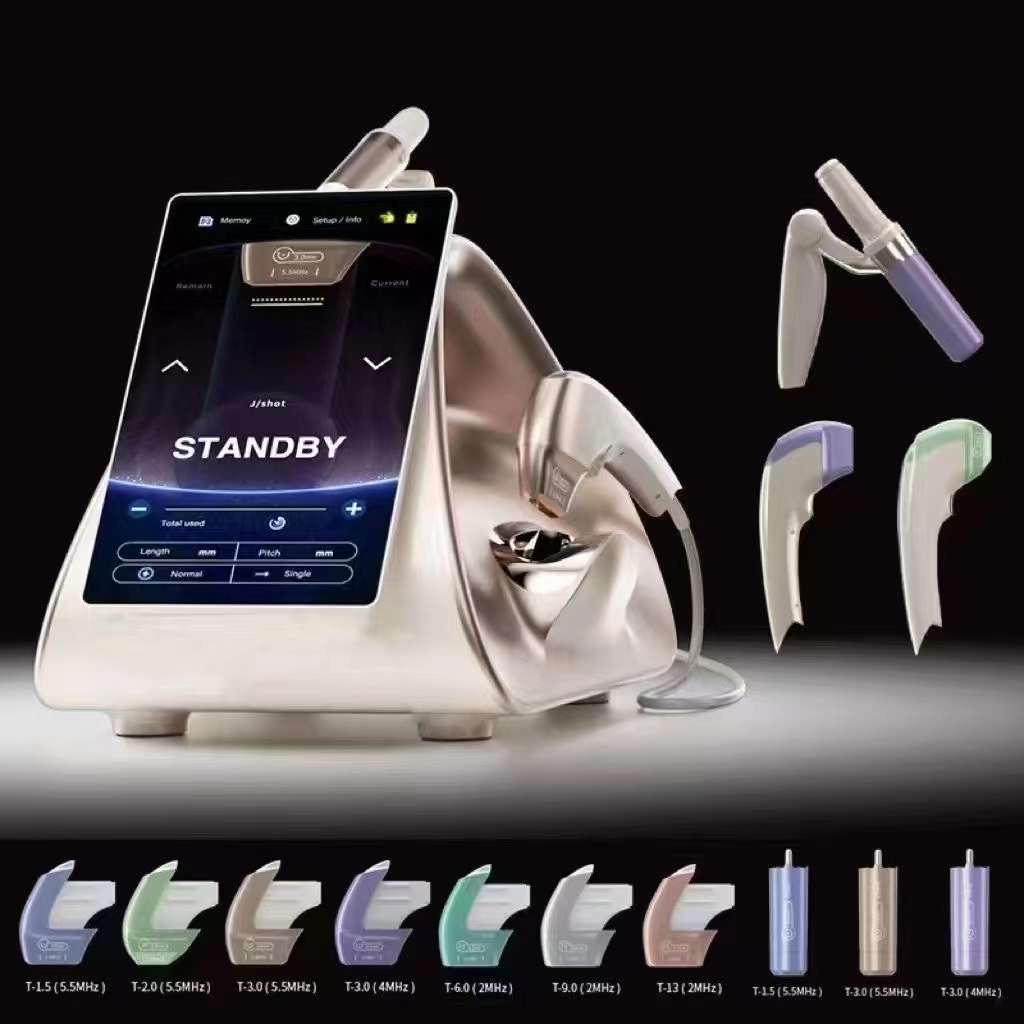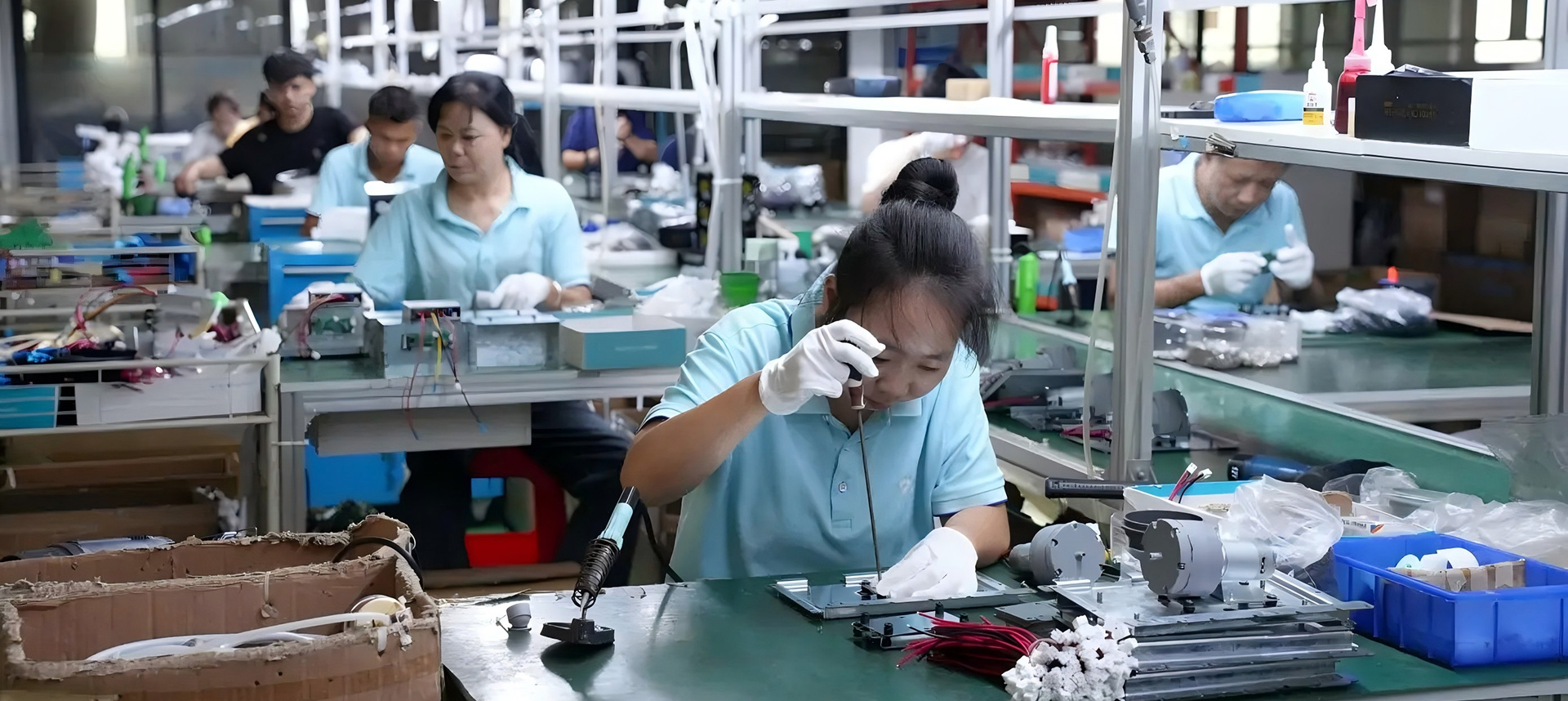


Når jeg ser på det estetiske markedet i dag, Jeg ser ett tydelig mønster: more patients want visible lifting and tightening results without surgery, long recovery, or dramatic social downtime. That is exactly why the HIFU maskin has become such an important category for clinic owners. In my view, it sits in a very attractive space between basic skin treatments and more invasive procedures.
For a clinic owner or purchasing manager, the real question is not just “What is HIFU?” The bigger question is, “Can this device help me attract the right patients, improve treatment value, and build a stronger service menu?” I believe the answer can be yes, but only if the buyer understands the technology, its limits, and the type of results it is realistically designed to deliver.
HIFU, which stands for high-intensity focused ultrasound, is used in several medical fields. In aesthetic practice, focused ultrasound systems are regulated by the FDA as Class II devices for aesthetic use, and FDA materials describe them as devices that use focused ultrasound to create localized heating or mechanical effects in tissue for non-invasive aesthetic purposes. Some FDA-cleared aesthetic uses include reduction of lines and wrinkles, lifting effects in tissue, and in certain devices, non-invasive waist circumference reduction.
That matters to me as a buyer because it shows this is not just a trendy buzzword. It is an established energy-based technology with defined regulatory pathways and specific indications. At the same time, I would never treat all HIFU platforms as equal. Device quality, depth control, cartridge design, training standards, and supplier support can make a huge difference in both patient outcomes and clinic profitability.
I denne veiledningen, I will walk through the topic as if I were advising my own clinic team before making a purchase. I will cover what a HIFU maskin is, how it works, what treatments it can support, what to check before buying, what risks to manage, and how I would think about return on investment. My goal is simple: to help clinic owners make a smarter and more confident decision.
What Is a HIFU Machine?
A HIFU Machine is a device that uses highly focused ultrasound energy to target precise layers beneath the skin. In aesthetic applications, that energy is delivered into selected tissue depths to create thermal or mechanical effects without cutting the skin surface. The FDA describes focused ultrasound stimulator systems for aesthetic use as devices that can produce localized heating for tissue coagulation or mechanical cellular membrane disruption for non-invasive aesthetic use.
What HIFU Stands For
HIFU means High-Intensity Focused Ultrasound. The phrase sounds technical, but the concept is actually easy to understand. Ultrasound waves are concentrated into very small focal points below the skin. Where those waves converge, energy is released into tissue at a controlled depth.
The Basic Idea Behind the Technology
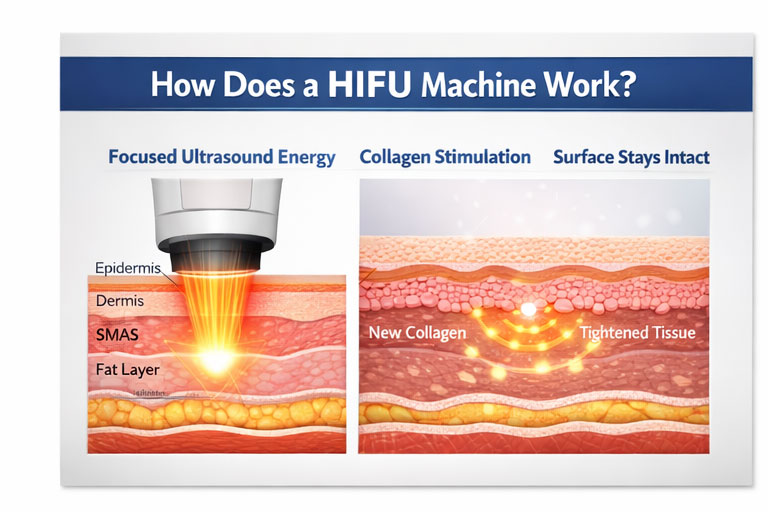
I usually explain it like this: instead of affecting the entire skin surface, HIFU tries to deliver energy where it is most useful. In facial rejuvenation, published dermatology literature describes focused ultrasound creating discrete zones of thermal injury in deeper tissue layers, including the dermis and deeper structural planes, while leaving the outer skin relatively undisturbed. Other published reviews describe this process as a trigger for neocollagenesis and elastin remodeling, which supports tightening and lifting over time.
For clinic owners, that makes HIFU attractive because patients often want exactly that combination: no incision, no peeling, no stitches, and a “natural improvement” story they can accept.
How a HIFU Machine Works in Aesthetic Treatments
Focused Ultrasound Energy
A HIFU system sends ultrasound energy into a fixed focal point at a selected depth. Different cartridges or transducers are often used for different treatment depths, depending on the area being treated and the manufacturer’s intended use. FDA-cleared device summaries for aesthetic HIFU systems show that some platforms are designed to target tissue beneath the outer dermis at specified depths, and others are indicated for non-invasive reduction of subcutaneous fat in body contouring applications.
In practical clinic terms, that means one device may be optimized for facial lifting and wrinkle reduction, while another may be better suited to waist circumference reduction or body contouring. I never assume that “HIFU” automatically means one universal treatment function.
Collagen Stimulation and Tissue Tightening
One of the main reasons HIFU is popular in aesthetics is its relationship with collagen remodeling. Published clinical literature describes micro-focused ultrasound as causing focal heating that stimulates neocollagenesis and elastin remodeling. Other dermatology sources describe heat-stimulated collagen production and contraction in deeper support structures as part of the tightening mechanism.
From a clinic owner’s viewpoint, this is commercially important. Patients often respond very well to treatment explanations based on “supporting your body’s own collagen response” rather than “forcing an artificial change.” That message feels more natural and easier to market.
Why the Skin Surface Stays Intact
A major selling point is that HIFU is non-invasive. Because the energy is concentrated below the skin surface rather than broadly ablating the epidermis, the top layer is generally left intact during properly delivered treatment. That is one reason why many patients can return to normal daily activities quickly compared with more invasive options. Published reviews and dermatology literature repeatedly describe HIFU as a non-invasive modality with minimal downtime, though adverse effects such as discomfort, transient redness, swelling, or temporary numbness can still occur.
What Treatments a HIFU Machine Can Offer
In my opinion, one of the strongest reasons to invest in a HIFU maskin is versatility. A well-positioned clinic can use the technology to create a premium tightening category inside its treatment menu.
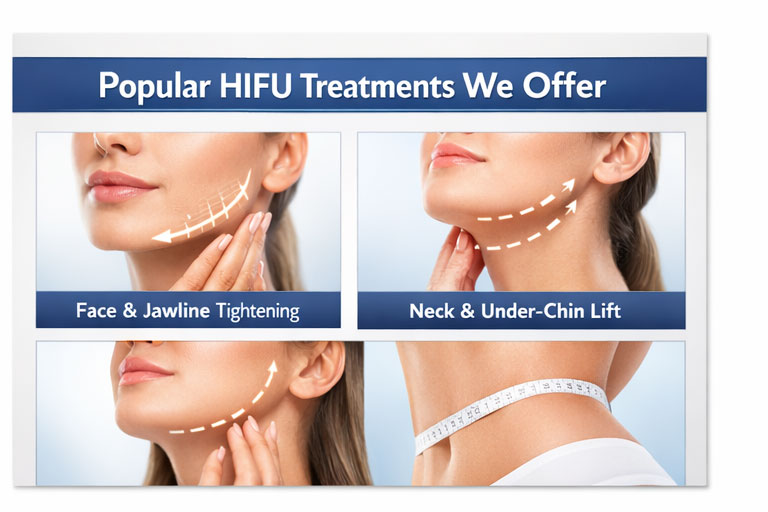
Face and Jawline Tightening
Facial lifting and skin tightening are the most recognized uses. FDA-cleared summaries for some aesthetic focused ultrasound devices include reduction of lines and wrinkles and lifting effects in facial tissue. Clinical studies in dermatology literature have also reported improvements in mid-face, lower-face, facial and neck laxity with micro-focused or intense focused ultrasound treatments.
This is highly relevant for clinic owners because facial rejuvenation is easier to market than many body services. Patients understand jawline definition, cheek support, brow area lifting, and under-chin tightening immediately.
Neck and Under-Chin Treatments
The neck is a common complaint area for aging patients. Many clients do not want surgery, but they do want visible support in loose tissue. HIFU is often used as part of a neck firming strategy, especially for patients with mild to moderate laxity rather than severe skin redundancy. Published sources discussing facial and neck rejuvenation support its role in these areas, though outcomes vary based on anatomy, age, and baseline laxity.
Body Contouring and Firming
Some HIFU platforms are intended for body applications, especially non-invasive waist circumference reduction by disrupting subcutaneous adipose tissue. The FDA’s body contouring overview and specific 510(k) summaries show that some focused ultrasound devices are cleared for waist reduction, not just facial tightening.
This is where I become very careful as a buyer. I always want the exact indication for the exact model. A facial HIFU device is not automatically a body contouring device, and vice versa.
Who Is the Ideal Patient for HIFU?
If I were training a front desk or consultation team, I would say the ideal HIFU patient is usually someone who wants improvement, not a surgical-level transformation. In most cases, the best candidates are patients with mild to moderate skin laxity, realistic expectations, and a preference for gradual, natural-looking results.
I would be more cautious with patients who have severe sagging, advanced tissue descent, major skin redundancy, or unrealistic expectations of “one treatment instead of a facelift.” HIFU can be powerful, but it does not replace surgery in every case. Strong consultation language protects both patient satisfaction and clinic reputation.
In my experience, HIFU also fits patients who:
- want non-surgical treatment,
- can tolerate mild to moderate treatment discomfort,
- value low downtime,
- prefer natural-looking tightening,
- and understand that full results may develop over weeks to months rather than overnight.
That gradual-results conversation is important because collagen remodeling is not instant. Some people notice an early tightening effect, but fuller changes typically appear over time as tissue remodeling progresses, which is consistent with published aesthetic literature.
Key Benefits of Adding a HIFU Machine to My Clinic
Non-Surgical Appeal
The first advantage is marketability. Non-surgical services are easier to position for a broad audience. Many patients are curious about lifting treatments but not ready for surgery. HIFU helps fill that gap.
Minimal Downtime
Minimal downtime is a strong business benefit. A treatment that allows patients to return to work or social life quickly is easier to sell, especially to busy professionals.
High Perceived Value
HIFU often carries premium value in the patient’s mind. The treatment sounds advanced, looks technical, and addresses visible concerns like jawline looseness, brow heaviness, and neck laxity. That combination can support healthy pricing when results and consultation quality are strong.
Expanded Service Menu
A clinic with HIFU can create bundles, treatment plans, and cross-sell opportunities. For example, HIFU may sit well alongside skin care, injectables, RF-based treatments, and maintenance programs.
Brand Positioning
A good device also helps a clinic look modern. Patients often judge clinics by visible technology. Owning a reputable platform can improve trust, provided the clinic team is trained and confident.
HIFU Machine vs RF, Laser, and Microneedling
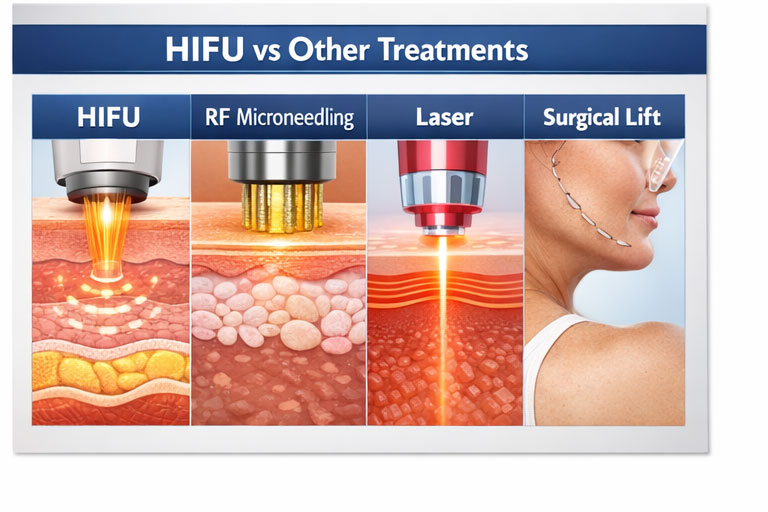
I never buy a device just because it sounds impressive. I compare it with what I already offer.
| Trekk | HIFU | RF Microneedling | Laser | Surgical Lift |
|---|---|---|---|---|
| Invasiveness | Ikke-invasiv | Minimally invasive | Varies | Invasive |
| Downtime | Usually minimal | Mild to moderate | Varies | Høy |
| Main Goal | Tightening/lifting | Texture + innstramming | Surface/vascular/pigment or resurfacing | Major lift |
| Skin Surface Injury | Usually limited | Ja, via needles | Often yes, depending on laser | Ja |
| Result Style | Gradual, natural | Progressive | Depends on device | Dramatic |
Published dermatology sources support HIFU’s role in deeper tissue tightening and lifting, while its mechanism differs from resurfacing-focused lasers and from needle-based RF systems.
So, when I think strategically, I do not ask, “Is HIFU better than everything else?” I ask, “What gap in my clinic does HIFU fill?” Usually, the answer is deeper non-surgical lifting with relatively low downtime.
What I Look for Before Buying a HIFU Machine
Certifications and Regulatory Status
This is the first thing I check. I want clear documentation, real regulatory status, exact intended use, and country-specific compliance. FDA materials make it clear that focused ultrasound stimulator systems for aesthetic use are not exempt from premarket notification requirements in the U.S., and warning letters show the agency actively monitors marketing claims for devices in this category.
That tells me one simple truth: I should never buy based on sales talk alone.
Cartridge Depths and Treatment Modes
I want to know:
- what depths are available,
- whether the device is designed for facial, nakke, or body work,
- how stable the energy delivery is,
- and whether the cartridges are practical and cost-effective.
Opplæring og ettersalgsstøtte
I consider training non-negotiable. Even strong technology can fail commercially if the operator does not understand anatomy, energy selection, patient selection, and contraindications. FDA-cleared focused ultrasound systems in other specialties also reference successful completion of manufacturer training for operators, which reinforces how important training is for safe use of energy-based devices.
Software, Grensesnitt, and Maintenance
A complicated machine slows the team down. I prefer an interface that is easy to learn, logical to navigate, and reliable in daily use. I also ask about servicing, warranty turnaround, cartridge lifespan, and whether local technical support is actually available.
How Much Does a HIFU Machine Cost?
Exact pricing varies widely by brand, feature set, cartridge system, distributor, and region. Because device pricing changes often and depends on supplier packages, I would always request a current written quotation rather than rely on market gossip. In real purchasing terms, total ownership cost includes:
- the base machine,
- treatment cartridges or consumables,
- shipping and import fees,
- training,
- warranty terms,
- maintenance,
- and marketing materials.
Sikkerhet, Side Effects, and Risk Management
I would never add an energy device to my clinic without a clear safety process. HIFU is generally described in published literature as non-invasive with an acceptable safety profile when used properly, but side effects can still happen. Reported issues can include treatment discomfort, transient redness, swelling, and in some cases temporary numbness or nerve-related irritation.
That means my clinic would need:
- patient screening protocols,
- informed consent,
- contraindication review,
- proper treatment mapping,
- correct energy and depth selection,
- and a clear post-care plan.
I would also make sure the team understands what HIFU is not meant to do. Overselling results is a safety and reputation risk in its own right.
How I Would Choose the Right HIFU Machine Manufactures

If I were making the final buying call, I would ask the supplier these questions:
- What exact treatments is this model intended for?
- What regulatory documents can you provide?
- What training is included?
- What is the warranty period?
- How fast is technical support?
- What are the cartridge costs and expected lifespan?
- Do you have real case studies or local references?
- What happens if the machine needs repair?
- Do you provide treatment protocols and marketing support?
A trustworthy HIFU Machine Manufacture should answer clearly, not vaguely. For clinic owners, confidence in after-sales support is almost as important as confidence in the machine itself.
Final Thoughts
If you ask me, what is HIFU Machine? My answer is this: it is a focused ultrasound platform that can help aesthetic clinics deliver non-surgical lifting, innstramming, and selected contouring treatments when used appropriately and purchased wisely. It is not magic, and it is not a shortcut around consultation, training, or realistic expectations. But when I look at it from a business and treatment perspective, I can absolutely see why it continues to attract interest.
If I were buying one for my own clinic, I would focus on four things above all: sikkerhet, indication, support, og lønnsomhet. A strong HIFU Machine should fit my patient demand, match my clinic’s positioning, and come from a supplier I trust. When those pieces line up, the device can become a valuable part of a modern aesthetic practice.
FAQ
Ingen, not in every case. HIFU is best viewed as a non-surgical tightening option for selected patients, not a universal replacement for surgery.
For me, it is the combination of regulatory clarity, real training, reliable support, and a device indication that matches my clinic goals.
Ja, it can be, especially if the clinic targets anti-aging, facial tightening, or premium non-surgical services. The key is choosing a device that matches your patient base and budget.
Treatment time depends on the area and protocol. Smaller facial zones are faster, while full-face or body treatments take longer.
Some patients may notice early tightening, but fuller results often develop gradually over the following weeks or months as collagen remodeling continues.