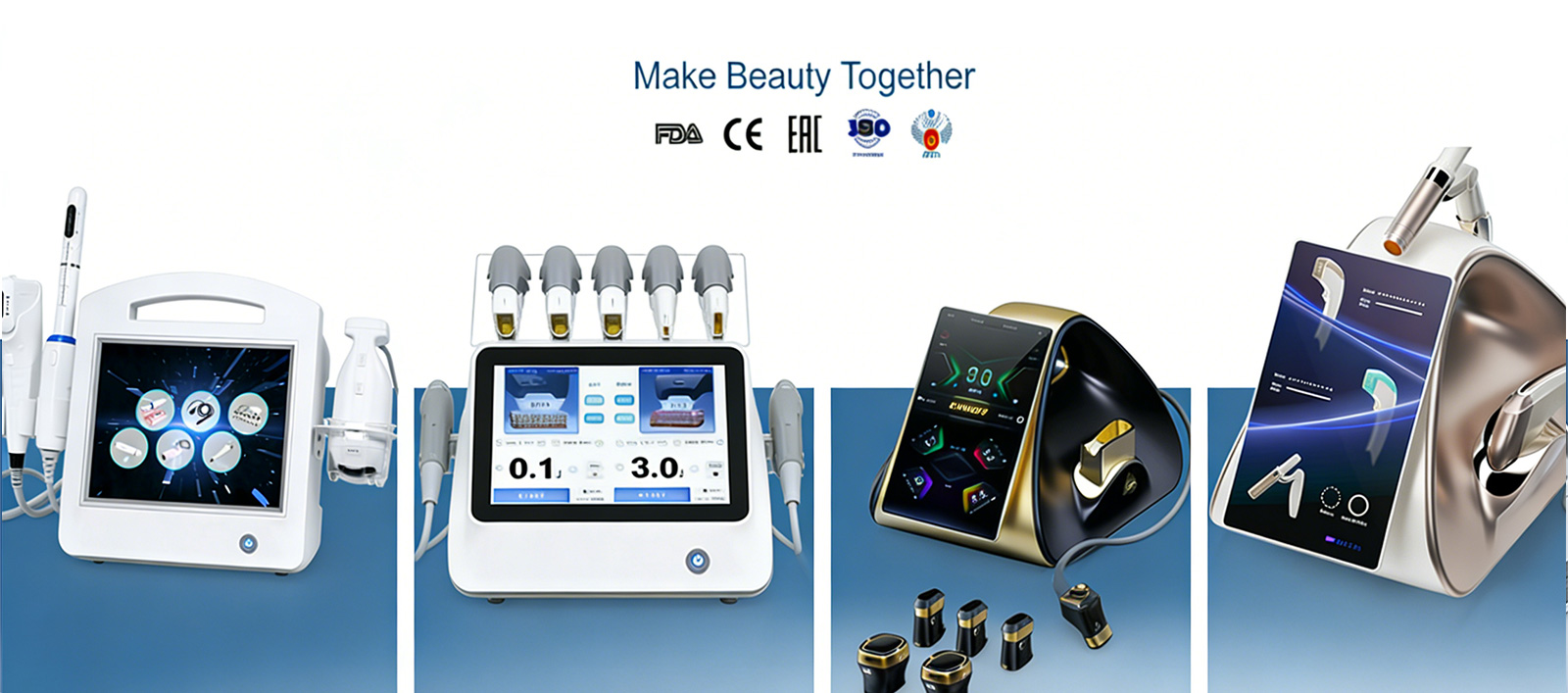


Wenn ich mir heute den ästhetischen Markt ansehe, Ich sehe ein klares Muster: Immer mehr Patienten wünschen sich sichtbare Lifting- und Straffungsergebnisse ohne Operation, lange Genesung, or dramatic social downtime. That is exactly why the HIFU-Maschine has become such an important category for clinic owners. Meiner Meinung nach, it sits in a very attractive space between basic skin treatments and more invasive procedures.
For a clinic owner or purchasing manager, the real question is not just “What is HIFU?” The bigger question is, “Can this device help me attract the right patients, improve treatment value, and build a stronger service menu?” I believe the answer can be yes, but only if the buyer understands the technology, its limits, and the type of results it is realistically designed to deliver.
HIFU, which stands for high-intensity focused ultrasound, is used in several medical fields. In aesthetic practice, focused ultrasound systems are regulated by the FDA as Class II devices for aesthetic use, and FDA materials describe them as devices that use focused ultrasound to create localized heating or mechanical effects in tissue for non-invasive aesthetic purposes. Some FDA-cleared aesthetic uses include reduction of lines and wrinkles, lifting effects in tissue, and in certain devices, non-invasive waist circumference reduction.
That matters to me as a buyer because it shows this is not just a trendy buzzword. It is an established energy-based technology with defined regulatory pathways and specific indications. Gleichzeitig, I would never treat all HIFU platforms as equal. Device quality, depth control, cartridge design, training standards, and supplier support can make a huge difference in both patient outcomes and clinic profitability.
In diesem Ratgeber, I will walk through the topic as if I were advising my own clinic team before making a purchase. I will cover what a HIFU-Maschine is, how it works, what treatments it can support, what to check before buying, what risks to manage, and how I would think about return on investment. My goal is simple: to help clinic owners make a smarter and more confident decision.
What Is a HIFU Machine?
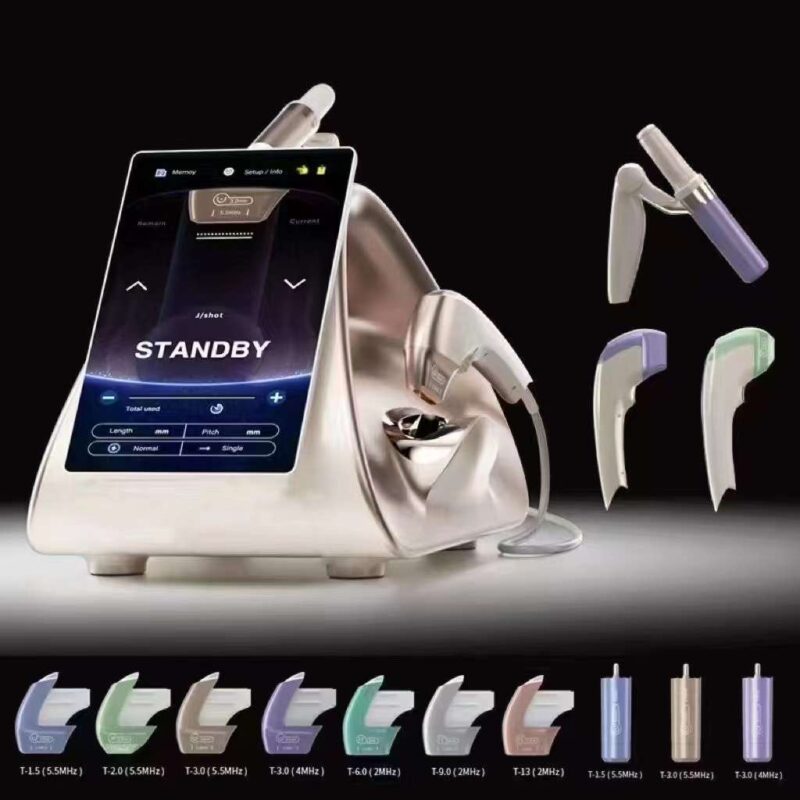
A HIFU Machine is a device that uses highly focused ultrasound energy to target precise layers beneath the skin. In aesthetic applications, that energy is delivered into selected tissue depths to create thermal or mechanical effects without cutting the skin surface. The FDA describes focused ultrasound stimulator systems for aesthetic use as devices that can produce localized heating for tissue coagulation or mechanical cellular membrane disruption for non-invasive aesthetic use.
What HIFU Stands For
HIFU means High-Intensity Focused Ultrasound. The phrase sounds technical, but the concept is actually easy to understand. Ultrasound waves are concentrated into very small focal points below the skin. Where those waves converge, energy is released into tissue at a controlled depth.
The Basic Idea Behind the Technology
I usually explain it like this: instead of affecting the entire skin surface, HIFU tries to deliver energy where it is most useful. In facial rejuvenation, published dermatology literature describes focused ultrasound creating discrete zones of thermal injury in deeper tissue layers, including the dermis and deeper structural planes, while leaving the outer skin relatively undisturbed. Other published reviews describe this process as a trigger for neocollagenesis and elastin remodeling, which supports tightening and lifting over time.
For clinic owners, that makes HIFU attractive because patients often want exactly that combination: no incision, no peeling, no stitches, and a “natural improvement” story they can accept.
How a HIFU Machine Works in Aesthetic Treatments
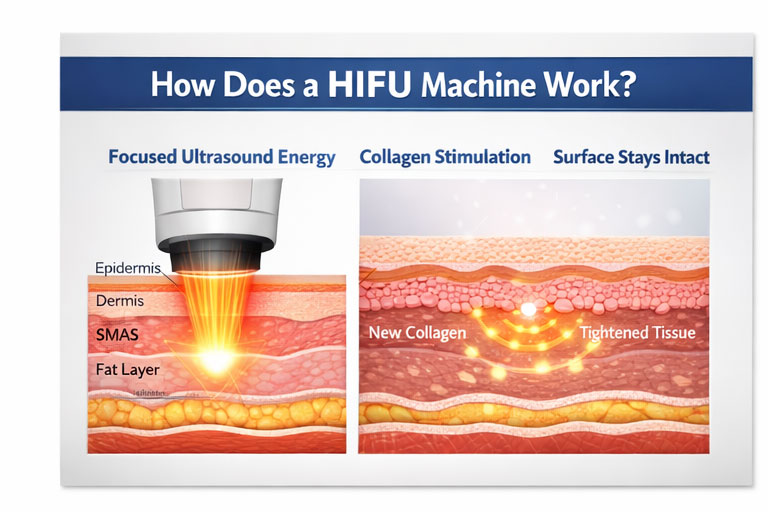
Focused Ultrasound Energy
A HIFU system sends ultrasound energy into a fixed focal point at a selected depth. Different cartridges or transducers are often used for different treatment depths, Abhängig von der zu behandelnden Fläche und dem Verwendungszweck des Herstellers. Von der FDA zugelassene Gerätezusammenfassungen für ästhetische HIFU-Systeme zeigen, dass einige Plattformen so konzipiert sind, dass sie auf Gewebe unterhalb der äußeren Dermis in bestimmten Tiefen abzielen, und andere sind für die nicht-invasive Reduzierung von Unterhautfett bei Körperformungsanwendungen indiziert.
In praktischer Kliniksprache, Das bedeutet, dass ein Gerät für die Gesichtsstraffung und Faltenreduzierung optimiert werden kann, während ein anderer möglicherweise besser zur Reduzierung des Taillenumfangs oder zur Körperformung geeignet ist. Ich gehe nie davon aus, dass „HIFU“ automatisch eine universelle Behandlungsfunktion bedeutet.
Kollagenstimulation und Gewebestraffung
Einer der Hauptgründe, warum HIFU in der Ästhetik so beliebt ist, ist sein Zusammenhang mit der Kollagenumgestaltung. In der veröffentlichten klinischen Literatur wird beschrieben, dass mikrofokussierter Ultraschall eine fokale Erwärmung verursacht, die die Neokollagenese und den Elastin-Remodelling stimuliert. Andere dermatologische Quellen beschreiben die durch Hitze stimulierte Kollagenproduktion und Kontraktion in tieferen Stützstrukturen als Teil des Straffungsmechanismus.
Aus der Sicht eines Klinikinhabers, Dies ist kommerziell wichtig. Patienten sprechen oft sehr gut auf Behandlungserklärungen an, die darauf basieren, „die körpereigene Kollagenreaktion zu unterstützen“ und nicht „eine künstliche Veränderung zu erzwingen“. Diese Botschaft fühlt sich natürlicher an und lässt sich leichter vermarkten.
Warum die Hautoberfläche intakt bleibt
Ein wichtiges Verkaufsargument ist, dass HIFU nichtinvasiv ist. Weil die Energie unterhalb der Hautoberfläche konzentriert ist und nicht die Epidermis großflächig abträgt, the top layer is generally left intact during properly delivered treatment. That is one reason why many patients can return to normal daily activities quickly compared with more invasive options. Published reviews and dermatology literature repeatedly describe HIFU as a non-invasive modality with minimal downtime, though adverse effects such as discomfort, transient redness, Schwellung, or temporary numbness can still occur.
What Treatments a HIFU Machine Can Offer
In my opinion, one of the strongest reasons to invest in a HIFU-Maschine is versatility. A well-positioned clinic can use the technology to create a premium tightening category inside its treatment menu.
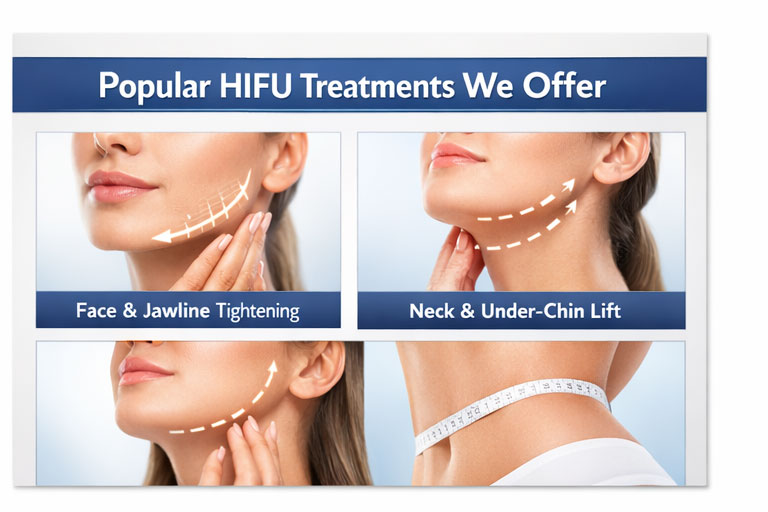
Face and Jawline Tightening
Facial lifting and skin tightening are the most recognized uses. FDA-cleared summaries for some aesthetic focused ultrasound devices include reduction of lines and wrinkles and lifting effects in facial tissue. Clinical studies in dermatology literature have also reported improvements in mid-face, lower-face, facial and neck laxity with micro-focused or intense focused ultrasound treatments.
This is highly relevant for clinic owners because facial rejuvenation is easier to market than many body services. Patients understand jawline definition, cheek support, brow area lifting, and under-chin tightening immediately.
Neck and Under-Chin Treatments
The neck is a common complaint area for aging patients. Many clients do not want surgery, but they do want visible support in loose tissue. HIFU is often used as part of a neck firming strategy, especially for patients with mild to moderate laxity rather than severe skin redundancy. Published sources discussing facial and neck rejuvenation support its role in these areas, though outcomes vary based on anatomy, age, and baseline laxity.
Body Contouring and Firming
Some HIFU platforms are intended for body applications, especially non-invasive waist circumference reduction by disrupting subcutaneous adipose tissue. The FDA’s body contouring overview and specific 510(k) summaries show that some focused ultrasound devices are cleared for waist reduction, not just facial tightening.
This is where I become very careful as a buyer. I always want the exact indication for the exact model. A facial HIFU device is not automatically a body contouring device, und umgekehrt.
Who Is the Ideal Patient for HIFU?
If I were training a front desk or consultation team, I would say the ideal HIFU patient is usually someone who wants improvement, not a surgical-level transformation. In den meisten Fällen, the best candidates are patients with mild to moderate skin laxity, realistic expectations, and a preference for gradual, natural-looking results.
I would be more cautious with patients who have severe sagging, advanced tissue descent, major skin redundancy, or unrealistic expectations of “one treatment instead of a facelift.” HIFU can be powerful, but it does not replace surgery in every case. Strong consultation language protects both patient satisfaction and clinic reputation.
Meiner Erfahrung nach, HIFU also fits patients who:
- want non-surgical treatment,
- can tolerate mild to moderate treatment discomfort,
- value low downtime,
- prefer natural-looking tightening,
- and understand that full results may develop over weeks to months rather than overnight.
That gradual-results conversation is important because collagen remodeling is not instant. Some people notice an early tightening effect, but fuller changes typically appear over time as tissue remodeling progresses, which is consistent with published aesthetic literature.
Key Benefits of Adding a HIFU Machine to My Clinic
Non-Surgical Appeal
The first advantage is marketability. Non-surgical services are easier to position for a broad audience. Many patients are curious about lifting treatments but not ready for surgery. HIFU helps fill that gap.
Minimal Downtime
Minimal downtime is a strong business benefit. A treatment that allows patients to return to work or social life quickly is easier to sell, especially to busy professionals.
High Perceived Value
HIFU often carries premium value in the patient’s mind. The treatment sounds advanced, looks technical, and addresses visible concerns like jawline looseness, brow heaviness, and neck laxity. That combination can support healthy pricing when results and consultation quality are strong.
Expanded Service Menu
A clinic with HIFU can create bundles, treatment plans, and cross-sell opportunities. Zum Beispiel, HIFU may sit well alongside skin care, Injektionspräparate, RF-based treatments, and maintenance programs.
Brand Positioning
A good device also helps a clinic look modern. Patients often judge clinics by visible technology. Owning a reputable platform can improve trust, provided the clinic team is trained and confident.
HIFU Machine vs RF, Laser, and Microneedling
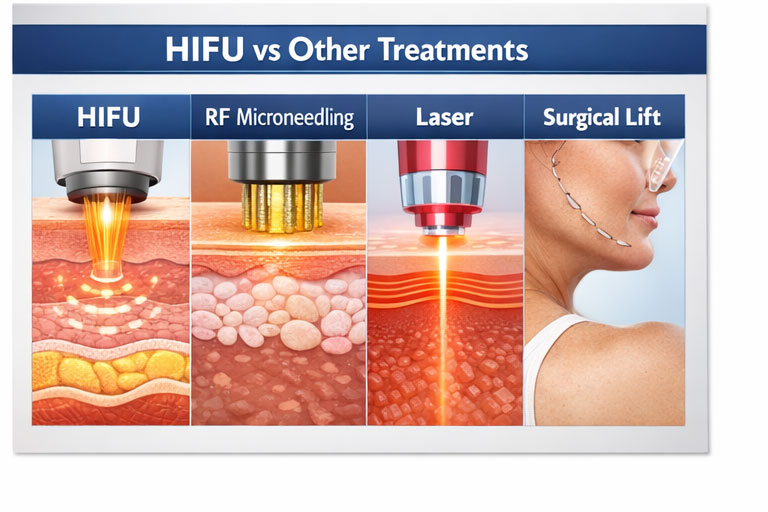
I never buy a device just because it sounds impressive. I compare it with what I already offer.
| Besonderheit | HIFU | RF-Microneedling | Laser | Surgical Lift |
|---|---|---|---|---|
| Invasiveness | Nichtinvasiv | Minimally invasive | Varies | Invasive |
| Ausfallzeit | Usually minimal | Mild to moderate | Varies | Hoch |
| Main Goal | Tightening/lifting | Textur + Straffung | Surface/vascular/pigment or resurfacing | Major lift |
| Skin Surface Injury | Usually limited | Ja, via needles | Often yes, depending on laser | Ja |
| Result Style | Gradual, natural | Progressive | Depends on device | Dramatisch |
Published dermatology sources support HIFU’s role in deeper tissue tightening and lifting, while its mechanism differs from resurfacing-focused lasers and from needle-based RF systems.
Also, when I think strategically, I do not ask, “Is HIFU better than everything else?” I ask, “What gap in my clinic does HIFU fill?” Usually, the answer is deeper non-surgical lifting with relatively low downtime.
What I Look for Before Buying a HIFU Machine
Certifications and Regulatory Status
This is the first thing I check. I want clear documentation, real regulatory status, exact intended use, and country-specific compliance. FDA materials make it clear that focused ultrasound stimulator systems for aesthetic use are not exempt from premarket notification requirements in the U.S., and warning letters show the agency actively monitors marketing claims for devices in this category.
That tells me one simple truth: I should never buy based on sales talk alone.
Cartridge Depths and Treatment Modes
I want to know:
- what depths are available,
- whether the device is designed for facial, Nacken, or body work,
- how stable the energy delivery is,
- and whether the cartridges are practical and cost-effective.
Schulung und After-Sales-Support
I consider training non-negotiable. Even strong technology can fail commercially if the operator does not understand anatomy, energy selection, patient selection, und Kontraindikationen. FDA-cleared focused ultrasound systems in other specialties also reference successful completion of manufacturer training for operators, which reinforces how important training is for safe use of energy-based devices.
Software, Schnittstelle, and Maintenance
A complicated machine slows the team down. I prefer an interface that is easy to learn, logical to navigate, and reliable in daily use. I also ask about servicing, warranty turnaround, cartridge lifespan, and whether local technical support is actually available.
How Much Does a HIFU Machine Cost?
Exact pricing varies widely by brand, feature set, cartridge system, Verteiler, and region. Because device pricing changes often and depends on supplier packages, Ich würde immer ein aktuelles schriftliches Angebot anfordern, anstatt mich auf Marktklatsch zu verlassen. In realen Einkaufsbedingungen, Die Gesamtbetriebskosten umfassen:
- die Basismaschine,
- Behandlungskartuschen oder Verbrauchsmaterialien,
- Versand- und Einfuhrgebühren,
- Ausbildung,
- Garantiebedingungen,
- Wartung,
- und Marketingmaterialien.
Sicherheit, Nebenwirkungen, und Risikomanagement
Ohne einen klaren Sicherheitsprozess würde ich meiner Klinik niemals ein Energiegerät hinzufügen. HIFU wird in der veröffentlichten Literatur im Allgemeinen als nicht-invasiv mit einem akzeptablen Sicherheitsprofil bei ordnungsgemäßer Anwendung beschrieben, Es können aber dennoch Nebenwirkungen auftreten. Zu den gemeldeten Problemen kann auch Unwohlsein bei der Behandlung gehören, transient redness, Schwellung, und in einigen Fällen vorübergehendes Taubheitsgefühl oder nervenbedingte Reizungen.
Das heißt, meine Klinik würde es brauchen:
- Patienten-Screening-Protokolle,
- Einverständniserklärung,
- Überprüfung der Kontraindikationen,
- richtige Behandlungskartierung,
- richtige Energie- und Tiefenauswahl,
- und einen klaren Nachsorgeplan.
Ich würde auch sicherstellen, dass das Team versteht, was HIFU ist nicht beabsichtigt zu tun. Das Überverkaufen von Ergebnissen stellt ein eigenes Sicherheits- und Reputationsrisiko dar.
Wie ich die richtigen HIFU-Maschinenhersteller auswählen würde
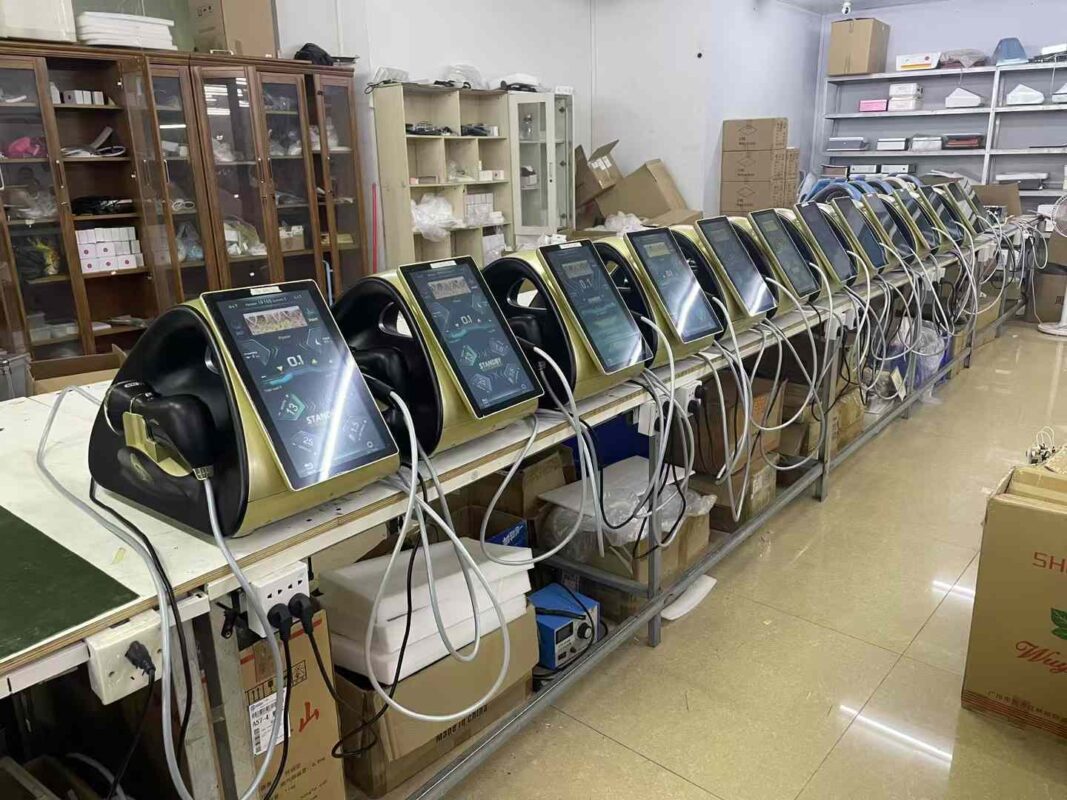
Wenn ich den letzten Kaufanruf tätigen würde, Diese Fragen würde ich dem Lieferanten stellen:
- Für welche genauen Behandlungen ist dieses Modell gedacht??
- Welche regulatorischen Dokumente können Sie bereitstellen??
- Welche Schulung ist inbegriffen?
- Wie lange ist die Garantiezeit??
- Wie schnell ist der technische Support??
- Wie hoch sind die Patronenkosten und die erwartete Lebensdauer??
- Verfügen Sie über echte Fallstudien oder lokale Referenzen??
- Was passiert, wenn die Maschine repariert werden muss??
- Bieten Sie Behandlungsprotokolle und Marketingunterstützung an??
Ein vertrauenswürdiger HIFU-Maschinenbau sollte klar antworten, nicht vage. For clinic owners, Das Vertrauen in den Kundendienst ist fast genauso wichtig wie das Vertrauen in die Maschine selbst.
Letzte Gedanken
If you ask me, what is HIFU Machine? My answer is this: it is a focused ultrasound platform that can help aesthetic clinics deliver non-surgical lifting, Straffung, and selected contouring treatments when used appropriately and purchased wisely. It is not magic, and it is not a shortcut around consultation, Ausbildung, or realistic expectations. But when I look at it from a business and treatment perspective, I can absolutely see why it continues to attract interest.
If I were buying one for my own clinic, I would focus on four things above all: Sicherheit, indication, Unterstützung, und Rentabilität. A strong HIFU Machine should fit my patient demand, match my clinic’s positioning, and come from a supplier I trust. When those pieces line up, the device can become a valuable part of a modern aesthetic practice.
FAQ
NEIN, nicht in jedem Fall. HIFU wird am besten als nicht-chirurgische Straffungsoption für ausgewählte Patienten angesehen, kein universeller Ersatz für eine Operation.
Für mich, es ist die Kombination aus regulatorischer Klarheit, echtes Training, zuverlässige Unterstützung, und eine Geräteindikation, die meinen Klinikzielen entspricht.
Ja, es kann sein, vor allem, wenn die Klinik auf Anti-Aging abzielt, Gesichtsstraffung, oder erstklassige nicht-chirurgische Dienstleistungen. Der Schlüssel liegt in der Auswahl eines Geräts, das zu Ihrem Patientenstamm und Ihrem Budget passt.
Die Behandlungszeit hängt von der Region und dem Protokoll ab. Kleinere Gesichtszonen gehen schneller, während Ganzgesichts- oder Körperbehandlungen länger dauern.
Some patients may notice early tightening, but fuller results often develop gradually over the following weeks or months as collagen remodeling continues.