

Si je décris machine de beauté en gros en une phrase, je dirais ceci: il ne s'agit pas seulement de trouver un fournisseur à bas prix. Il s’agit de choisir la bonne catégorie de machines, niveau de qualité, norme de conformité, et modèle économique pour votre marché.
La plupart des acheteurs sont trop concentrés sur le prix au début. C'est logique en théorie. En réalité, cela entraîne souvent des problèmes plus importants par la suite.: des machines qui ne répondent pas à la demande locale, mauvais support après-vente, qualité variable, certification peu claire, ou une gamme de produits difficile à faire évoluer.
L’importance d’un bon guide d’achat en gros de machines de beauté n’est plus un secret. Si vous êtes distributeur, importateur, chaîne de spa, propriétaire de salon, Vendeur de commerce électronique ou marque de beauté cherchant à entrer dans la catégorie des appareils, vous avez besoin de plus qu'une liste de fournisseurs. Vous avez besoin d’un ensemble de directives plus transparentes pour acheter des appareils de beauté en gros, de manière à favoriser une croissance à long terme..
Dans ce guide, Je vais parler de la façon d'évaluer les fournisseurs en gros de machines de beauté, sur quelles catégories de produits il convient de se concentrer, quelles questions poser avant de passer une commande, et comment choisir une gamme de produits qui correspond réellement à votre marché.
Qu'est-ce que la vente en gros de machines de beauté?
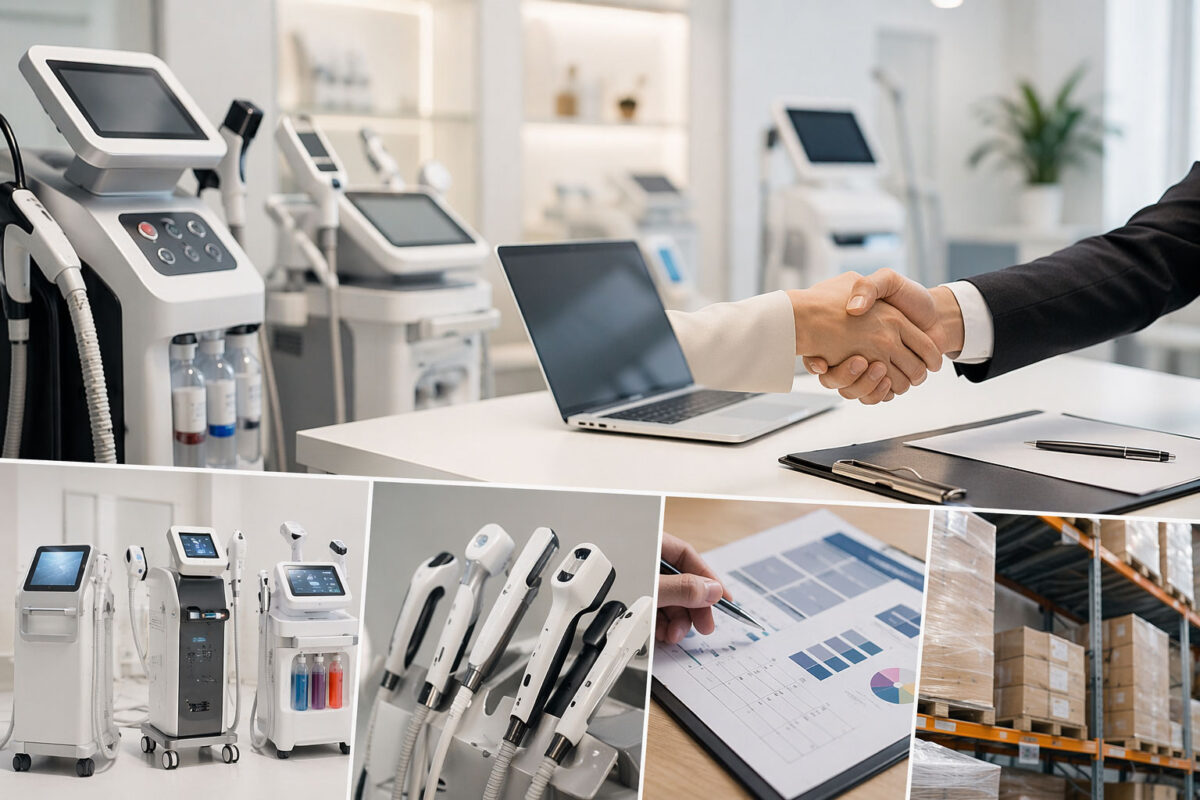
Qu'est-ce que la vente en gros de machines de beauté? Cela signifie acheter des machines de beauté ou du matériel esthétique en gros auprès d'un fabricant., usine, ou fournisseur en gros pour la revente, utilisation en salon, utilisation du spa, distribution de la marque, ou entreprise de marque privée.
Dans des situations d'achat réelles, cependant, le terme peut englober un certain nombre de modèles:
- acheter des machines de beauté prêtes à l'emploi pour la revente
- acheter du matériel de salon et de spa en gros
- travailler avec un fabricant de machines de beauté OEM ou ODM
- achat via un modèle de distributeur ou d’importateur
- créer une gamme d'appareils de beauté de marque privée
- fourniture de spas, écoles, salons ou cliniques
Pourquoi est-ce important? Tous les fournisseurs ne servent pas le même type d'acheteur. Certains se concentrent sur les machines faciales de salon. Certains se concentrent sur les systèmes de remodelage du corps. D'autres sont meilleurs en matière de marque et d'emballage OEM. Les autres sont en grande partie des sociétés commerciales avec peu de soutien technique..
Si vous souhaitez bâtir une entreprise stable, vous devez savoir quel type de fournisseur en gros d'équipements de beauté convient actuellement à votre étape commerciale.
Qui achète habituellement des appareils de beauté en gros?
Le profil d’acheteur pour cette catégorie est plus diversifié que beaucoup ne le pensent.
Importateurs et distributeurs
Spa & Propriétaires de salons
Marques de beauté
Vendeurs de commerce électronique
Académies de beauté et centres de formation
Entreprises de beauté à côté de la clinique
Parce que ces types d'acheteurs sont si différents, le bon fournisseur en gros de machines de beauté pour une entreprise peut être complètement faux pour quelqu'un d'autre.
Pourquoi une bonne stratégie de vente en gros est importante
Une décision globale faible peut prendre quatre formes possibles.
Le premier est la disparité des produits. Une machine peut être jolie dans un catalogue ou lors d'un salon professionnel, mais peut ne pas réussir sur le marché cible réel.
La seconde est une qualité instable. Dans les équipements de beauté, une qualité incohérente se transforme rapidement en problème de réputation.
Le troisième est un mauvais support. Une belle machine peut être une mauvaise décision commerciale si le fournisseur ne peut pas prendre en charge les manuels., vidéos, entraînement, dépannage ou pièces de rechange.
Le quatrième est une faible évolutivité. Certains acheteurs commencent avec un ou deux appareils de beauté, puis réalisez plus tard que le fournisseur ne peut pas prendre en charge l'expansion dans des catégories connexes.
Une meilleure stratégie pour Vente en gros machines de beauté aide à atténuer ces risques dès le départ.
Types courants de machines de beauté sur les marchés de gros
Une bonne décision d'achat commence par connaître les principales catégories. Modèle de demande, niveau de marge & les profils d'acheteur ne sont pas les mêmes pour chaque catégorie de machine.
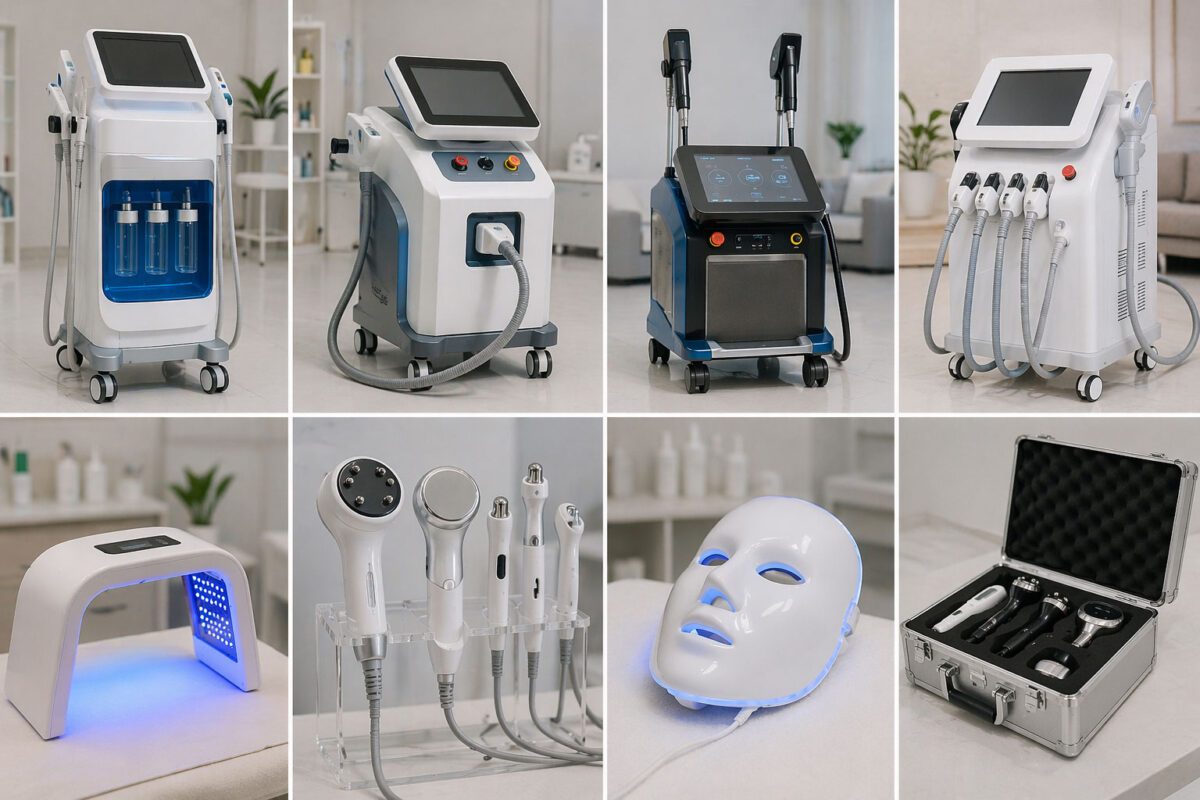
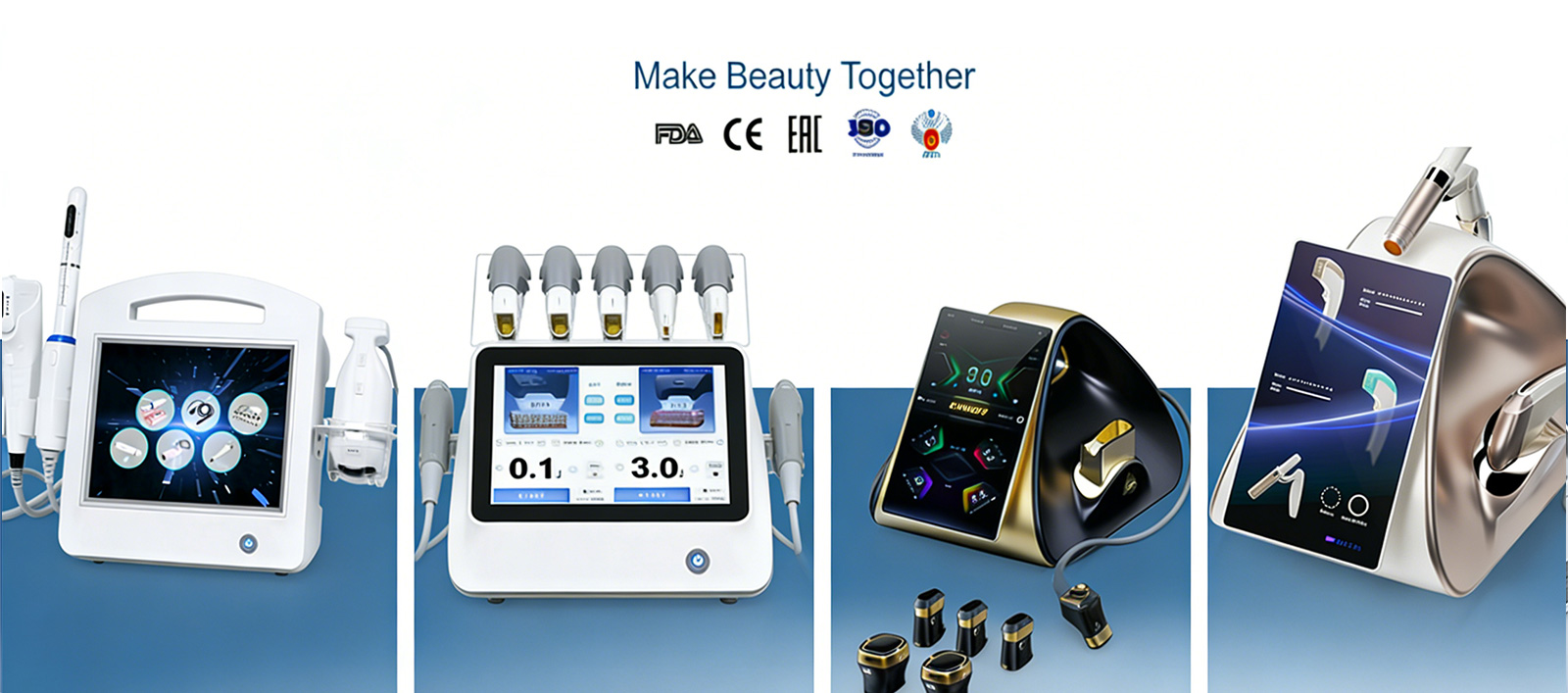
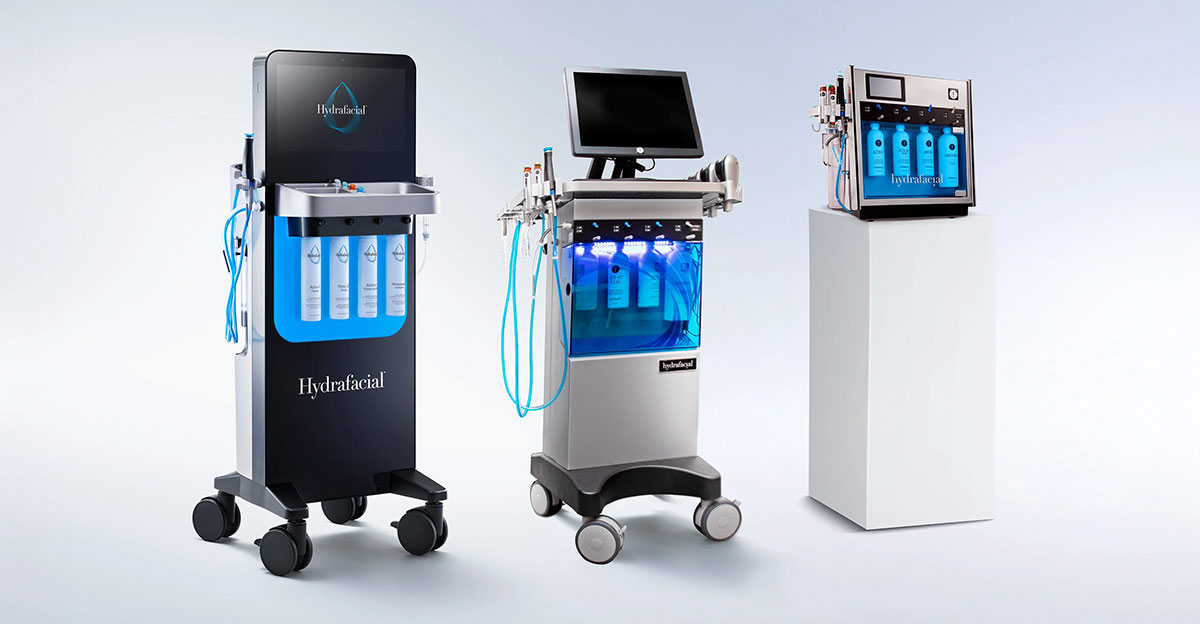
Machines de soins du visage
Cette catégorie comprend généralement les machines de nettoyage, hydratation, exfoliation, support de levage ou de positionnement pour un traitement facial non invasif.
Quelques exemples typiques sont:
- équipement hydro facial
- machine faciale à oxygène.
- Appareils à visage LED
- machine faciale à radiofréquence
- machines de traitement de la peau à ultrasons
- unités faciales multifonctions
Les machines faciales sont souvent attrayantes car elles conviennent aux salons, spas, studios de soins de la peau et environnements de beauté professionnels.
Appareils d'épilation
Sur de nombreux marchés, les équipements d'épilation restent l'une des catégories les plus attractives commercialement.
Les acheteurs comparent toujours:
- Machines de beauté IPL
- machines d'épilation au laser à diode
- systèmes multifonctions avec fonctions d'épilation
Cette catégorie nécessite normalement plus d'attention aux spécifications, entraînement, certification et accompagnement.
Machines amincissantes et remodelantes pour le corps
Ici, les services de soins corporels sont en croissance et il peut y avoir une forte demande en gros.
Les exemples incluent:
- machines à cavitation
- Appareils amincissants EMS
- machines de remodelage du corps par radiofréquence
- appareils de thérapie sous vide
- systèmes de cryothérapie ou de mise en forme
Appareils pour l'analyse de la peau
Ceux-ci sont souvent utiles pour les entreprises plus premium ou professionnelles qui souhaitent améliorer la qualité des consultations..
Les exemples incluent:
- machines d'analyse de la peau
- systèmes de diagnostic facial
- dispositifs de consultation pour environnements de services de soins de la peau
Appareils de beauté portables et à usage domestique
Cette section est plus pertinente pour les vendeurs de commerce électronique, les détaillants et les marques qui étudient les opportunités d'appareils de marque privée plus légers.
Les exemples incluent:
- Masques LED
- appareils RF portables
- outils de lifting du visage portatifs
- appareils de beauté à usage domestique
Cet espace croise fréquemment les appareils de beauté de marque privée et les marques de consommation..
Comment sélectionner la machine de beauté adaptée à votre marché
L’une des plus grosses erreurs que font les gens lors d’un achat Vente en gros machines de beauté est d'acheter en fonction de la promotion du fournisseur, plutôt que l’adéquation produit-marché.
Commencez par l'utilisateur final
Demandez qui utilisera réellement la machine?
Est-il conçu pour:
- salons de beauté
- avec spas
- petits spas
- écoles de formation
- consommateurs de commerce électronique
- distributeurs
Ce n’est pas parce qu’une machine fonctionne bien pour une chaîne de salons qu’elle convient parfaitement à un petit revendeur..
Adaptez la machine aux besoins réels
Quelle tendance de service est déjà visible sur votre marché?
Que demandent les clients:
- Traitements d'hydratation de la peau
- soutien au lifting du visage
- services d'épilation
- service minceur corps
- tests cutanés
- prolongation de la vie sans douleur
Les produits de gros les plus solides ne sont pas souvent les produits les plus récents.. Ce sont eux qui sont déjà dans la lignée de la demande visible.
Pensez à votre positionnement prix
Ne jugez pas uniquement sur la base du coût d’usine. Demandez-vous si votre marché est de masse, milieu de gamme, axé sur la prime ou la valeur du traitement.
Si une machine à faible coût ne prend pas en charge le niveau de prix dont vous avez besoin pour votre entreprise, ce n'est peut-être pas le bon choix.
Adaptez le produit à votre modèle commercial
Un distributeur peut avoir besoin d'une gamme de machines plus large. Un propriétaire de spa peut avoir besoin de moins de machines mais de plus de soutien. Un vendeur sur le commerce électronique peut préférer les produits à moindre risque, plus facile à expédier, et une expérience utilisateur plus simple.
Les bons produits en gros de machines de beauté, selon la façon dont vous souhaitez les vendre.
Ce qu'il faut considérer lors du choix d'un fournisseur en gros de machines de beauté
C'est là que l'acheteur doit faire le plus attention.
Gamme de produits
Un fournisseur proposant une gamme plus large et plus cohérente pourrait soutenir une meilleure expansion à long terme.
Si vous commencez avec des appareils faciaux, les mêmes fournisseurs prendront-ils en charge les catégories associées?
Capacité de fabrication
Essayez de déterminer si vous avez affaire à:
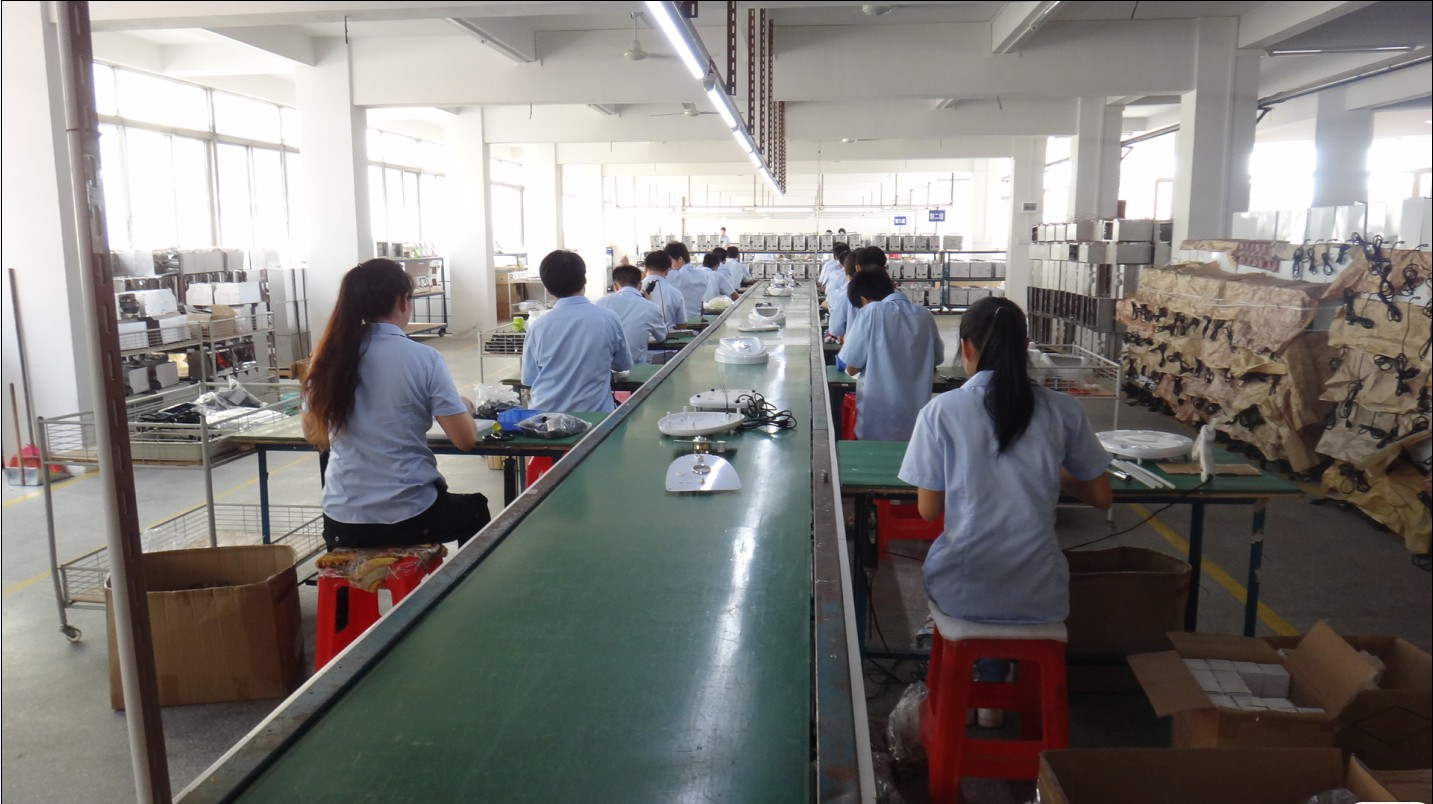
- un fabricant
- une usine OEM ou ODM
- une société commerciale
- un revendeur
Cela affecte la cohérence, délai de mise en œuvre, flexibilité de la marque, et support technique.
Certification et conformité
Différents marchés nécessitent des formalités et des normes différentes. Il est conseillé aux acheteurs de vérifier ce qui est réellement disponible avant de commander.
Formation et support technique
Demandez si le fournisseur peut fournir:
- manuels d'utilisation
- vidéos de formation
- assistance au dépannage
- des pièces de rechange
- conseils d'entretien
MOQ et structure de prix
Tu devrais comprendre:
- quantité minimum de commande
- niveaux de tarification de gros
- exemple de politique
- coût de la marque
- coût d'emballage
- structure des frais d'expédition
Qualité des communications
Une mauvaise communication au début est généralement un signe avant-coureur de problèmes plus graves plus tard..
Questions à considérer avant d’acheter des machines de beauté en gros
Un acheteur sérieux ne devrait pas se limiter au prix et au délai de livraison..
Voici quelques questions utiles:
- Quels sont vos principaux types d'appareils de beauté ?
- Êtes-vous une société commerciale ou un fabricant?
- Quels documents de test et certifications fournissez-vous?
- What’s the minimum order quantity for wholesale?
- Do you offer OEM, ODM or private label services?
- Oui, I can assist with branding and packaging customization.
- What training materials do you offer?
- Do you provide spare parts and after sales service?
- What is the warranty?
- How long is the lead time for samples and bulk production?
- What export markets are you already in?
- Product video, manuels, demo materials?
These questions will help you evaluate the product, and also the reliability of the supplier relationship.
Common Mistakes When Buying Beauty Machine From Wholesale
I have noticed over time that buyers in the beauty machine wholesale market keep encountering the same issues repeatedly. Most of them are not for want of trying. They often stem from focusing too soon on the wrong decision points.
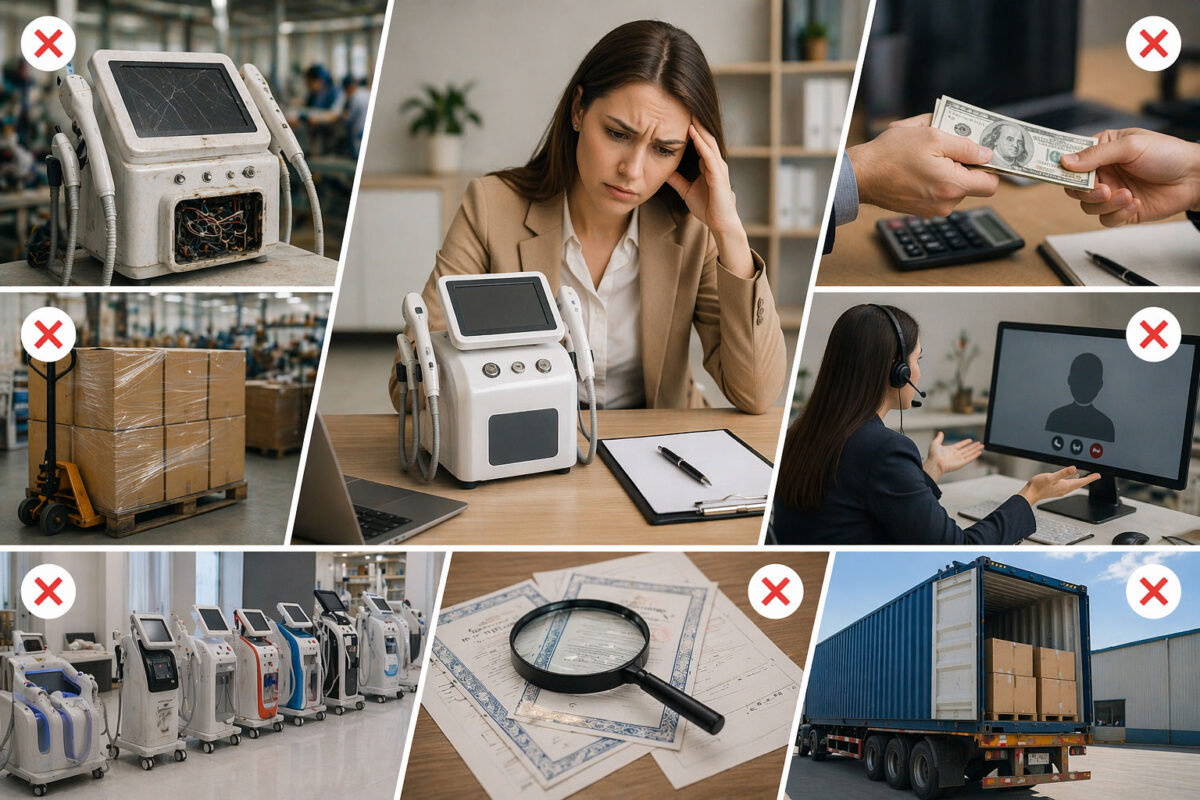
Choisir uniquement par prix
Une cotation inférieure peut paraître attrayante à première vue, mais la machine la moins chère est rarement la décision commerciale la moins chère à long terme. Mauvaise qualité, des performances irrégulières et un support insuffisant peuvent entraîner des coûts beaucoup plus élevés une fois la commande passée.
Négligence du support après-vente
Une machine de beauté n’est pas seulement un produit. C'est quelque chose qui a souvent besoin de conseils, dépannage, pièces de rechange et assistance continue. Sans ça, même un excellent produit peut se transformer en plaintes de clients, pression de remboursement et dommages à la réputation de votre entreprise en un rien de temps.
Acheter trop de modèles trop tôt
Certains acheteurs essaient de constituer un gros catalogue dès le début, penser à plus de produits équivaut à plus de chances. En pratique, il est souvent plus judicieux de commencer avec une gamme de produits restreinte et plus facile à comprendre, marché et accompagnement.
Emballage et image de marque: Ignoré
Sur de nombreux marchés, l'emballage et la présentation visuelle sont presque aussi importants que les spécifications techniques pour influencer les décisions d'achat.. Si la machine fonctionne bien, mais l'image de marque et la présentation générale semblent faibles, il peut avoir du mal sur le marché.
Manque de tests d’adéquation au marché
Tous les appareils de beauté tendance ne fonctionneront pas aussi bien dans tous les pays, segment de clientèle ou canal de vente. Vérifiez toujours l’adéquation de la demande avant de passer au volume de gros, car une machine qui se vend bien sur un marché peut avoir un attrait très limité sur un autre.
Sous-estimer la conformité
Règles d'importation, les exigences de sécurité et les attentes en matière de certification doivent être vérifiées avant de commander, pas après l'arrivée des machines. Il est bien plus facile d’éviter les problèmes de conformité au stade de l’approvisionnement que de les résoudre plus tard..
Comment créer une meilleure gamme de produits de gros pour les machines de beauté
En général, un mix de produits est plus fort avec trois couches.
Vendeurs principaux
Ce sont les produits avec stable, demande large.
Exemples:
- machines hydro faciales
- appareils d'épilation
- systèmes de remodelage du corps
Moteurs de profit
Ceux-ci peuvent ne pas se vendre dans le volume le plus élevé, mais ils soutiennent des marges plus fortes ou un positionnement plus élevé.
Exemples:
- machines d'analyse de peau
- systèmes de beauté multifonctions avancés
- plus d'équipements de traitement haut de gamme
Produits d'extension
Ceux-ci vous aident à évoluer dans des catégories connexes sans changer trop souvent de fournisseurs..
Exemples:
- accessoires
- appareils de beauté portables
- équipement de traitement de soutien
- outils de salon associés
Cette structure offre plus de flexibilité que d'acheter au hasard sur un catalogue.
La vente en gros de machines de beauté est-elle une opportunité commerciale rentable?
Oui, sur de nombreux marchés. Mais l'opportunité dépend de la discipline de la stratégie d'approvisionnement.
Il existe une marge de croissance dans la demande de services de beauté, intérêt pour les appareils à usage domestique, tendances de mise à niveau des salons et expansion des marques privées. Mais les acheteurs réussissent généralement mieux lorsqu'ils:
- comprendre leur marché
- choisissez les bonnes catégories
- travailler avec des fournisseurs en gros fiables
- garder le mix de produits gérable
- penser au-delà de la première commande
C'est pourquoi la vente en gros d'appareils de beauté doit être considérée comme une décision de catégorie à long terme., pas un achat unique.
Pourquoi vous devez considérer UangelCare en tant que fabricant
Si je devais faire une liste restreinte de grossistes de machines de beauté, j'inclurais UangelCare dans la liste des fabricants qui méritent d'être examinés de plus près. Sur la base des informations accessibles au public, UangelCare est un fabricant de machines de beauté qui propose une solution unique pour la conception, recherche et développement, fabrication et vente, C'est le type de structure que de nombreux acheteurs en gros recherchent lorsqu'ils évaluent la capacité d'approvisionnement à long terme..
Cela ne veut pas dire que c’est la bonne solution pour chaque acheteur. La gamme de produits, assistance technique, attestation, les pièces détachées et la réactivité du SAV doivent encore être vérifiées par le distributeur, chaîne de spa ou importateur. Cependant, comme première étape, UangelCare semble se positionner comme un fabricant et pas seulement comme un vendeur sur catalogue, c'est donc un nom raisonnable à considérer lors de la sélection des fournisseurs.
Conclusion
Si je conseillais à quelqu’un qui entre pour la première fois dans la catégorie des grossistes d’appareils de beauté, voici ce que je dirais: Don’t start by asking which machine is the cheapest. D'abord, ask yourself what kind of machine best suits your market, your customers and your business model.
A strong wholesale decision is a combination of product fit, qualité des fournisseurs, compliance awareness, support capability and growth potential. When these components come together, wholesale beauty machines can be a profitable and scalable business segment. When they don’t, even a pretty machine can be hard to sell, support or expand.
The better way is to buy with structure. Understand Your Target User. Understand your market demand. Ask Better Questions Of Suppliers. Select a product mix you can manage. And partner with suppliers that can help in manufacturing and also in longer-term business development.
C’est généralement la différence entre une commande à court terme et une véritable stratégie de vente en gros.
FAQ
La vente en gros de machines de beauté consiste à acheter des appareils de beauté ou des équipements esthétiques en gros auprès de fabricants ou de fournisseurs en gros pour les revendre., utilisation en salon, services de spa, ou distribution de marque.
Les acheteurs typiques incluent les distributeurs, importateurs, propriétaires de salons, exploitants de spas, vendeurs de commerce électronique, marques de beauté, et centres de formation.
Vous devriez vérifier la capacité de fabrication, gamme de produits, accompagnement aux certifications, Quantité minimale de commande, matériel de formation, service après-vente, disponibilité des pièces de rechange, et la qualité des communications.
L'OEM utilise généralement une plate-forme de machine existante avec des ajustements de marque ou de spécifications. ODM usually includes more development or design adaptation. La marque privée se concentre principalement sur le branding et l'emballage sous votre propre nom..
Les catégories populaires incluent les machines de soins du visage, appareils d'épilation, systèmes de remodelage du corps, appareils d'analyse cutanée, et appareils de beauté portables à usage domestique.