

The global aesthetic device market is projected to reach $24.9 billion by 2028, growing at a CAGR of 10.4%. That growth isn’t just creating opportunities for manufacturers — it’s building an entire ecosystem for distributors who can connect the right equipment with the right clinics.
But here’s what most new distributors get wrong: they focus on the product and ignore the partnership.
Selling beauty machines isn’t like selling consumer electronics. The sales cycle is longer. The customer needs more support. And the relationship with your manufacturer partner determines whether you build a sustainable business or burn out after your first dozen sales.
This guide covers what it actually takes to build a profitable, long-term beauty machine distribution business — from choosing the right manufacturer partner to managing cash flow and avoiding the mistakes that sink new distributors.
The Beauty Machine Distribution Opportunity
Market Size and Growth
- Global medical aesthetic device market: $15.9 billion (2023) → projected $24.9 billion (2028)
- Key growth drivers: rising demand for non-invasive procedures, expanding clinic networks in emerging markets, technology advancement
- Fastest-growing segments: RF microneedling, laser hair removal, body contouring, HIFU devices
- Regional hotspots: Southeast Asia, Middle East, Latin America, and Eastern Europe are seeing clinic growth rates of 15–25% annually
Why Distribution Beats Manufacturing for Most Entrepreneurs
- Lower capital requirement (no R&D, factory, or regulatory filing costs)
- Faster time to revenue (you sell what’s already certified)
- Flexibility to represent multiple product lines
- Focus on relationships and market knowledge — your actual competitive advantage
Typical Distributor Margins
| Category | Margin Range | Notes |
|---|---|---|
| Entry-level devices ($500–$2,000) | 25–35% | High volume, lower ticket |
| Mid-range machines ($2,000–$10,000) | 30–40% | Sweet spot for most distributors |
| Premium systems ($10,000–$50,000+) | 20–30% | Longer sales cycle, more support needed |
| Consumables and accessories | 40–60% | Recurring revenue, high margin |
Types of Distribution Models
Choosing the right model shapes everything — your exclusivity, margins, and obligations.
Exclusive Distribution
- What it is: You are the sole distributor for a manufacturer in a defined territory
- Advantages: No competition within territory, stronger manufacturer support, better pricing, marketing co-op funds
- Disadvantages: Higher sales quotas, exclusivity commitments, inventory obligations
- Best for: Experienced distributors with established clinic networks and proven sales capability
Non-Exclusive Distribution
- What it is: Multiple distributors can sell the same product line in the same territory
- Advantages: Lower commitment, no minimum quotas, more flexibility
- Disadvantages: Price competition from other distributors, less manufacturer support, weaker negotiating position
- Best for: New distributors testing the market or supplementing an existing product portfolio
Regional Distribution
- What it is: Exclusive rights to a specific geographic region (country, state, or province)
- Advantages: Protected territory, focused marketing, strong local relationships
- Disadvantages: Limited market size, travel costs, may need sub-distributors for full coverage
- Best for: Distributors with deep local market knowledge and connections
Online Distribution
- What it is: Selling through e-commerce platforms, websites, or digital marketplaces
- Advantages: Broader reach, lower overhead, scalable marketing
- Disadvantages: Less relationship-building, price transparency creates competition, harder to provide hands-on demonstrations
- Best for: Complementing an offline sales strategy; rarely effective as a standalone model for high-ticket devices
Practical advice: Most successful distributors start non-exclusive or regional, prove their sales capability, then negotiate exclusive terms once they’ve demonstrated value to the manufacturer.
How to Evaluate a Manufacturer Partner
Your manufacturer partner is the foundation of your business. Choose wrong, and every sale becomes a liability.
Product Quality
- Build quality: Are machines well-constructed with durable components?
- Technology: Is the technology current or outdated? Does the manufacturer invest in R&D?
- Performance: Do devices deliver consistent, reproducible results?
- Request: Always ask for demo units, clinical data, and customer references before signing
Certifications and Compliance
This is non-negotiable. Your customers — clinics and practitioners — need compliant equipment. Selling non-certified devices exposes you to legal liability and destroys credibility.
- Medical device certifications: FDA (US), CE MDR (EU), TGA (Australia), ANVISA (Brazil), NMPA (China)
- Quality management: ISO 13485 (medical device quality management system)
- Electrical safety: IEC 60601 series compliance
- Manufacturing standards: GMP compliance, factory audit reports
Red flag: A manufacturer that cannot provide certification documentation or claims “certifications are pending” without a clear timeline.
Support Capabilities
- Technical support: Is there a dedicated team? What are response times?
- Training: Do they provide product training for your team and end-users?
- Warranty: What’s covered, for how long, and what’s the claim process?
- Software updates: Are firmware/software updates included? How are they delivered?
- Spare parts availability: Can you get replacement parts quickly?
Business Terms
- Pricing structure: Transparent, consistent pricing with volume discounts
- Payment terms: Letter of credit, TT, net terms — what’s available?
- Minimum order quantities (MOQ): Reasonable for your market size?
- Lead times: How long from order to delivery?
- Return policy: What happens with defective units?
What to Look for in a Distribution Agreement
A distribution agreement protects both parties. Key elements to negotiate:
Pricing and Payment
- Distributor pricing: Discount off MSRP; typically 30–50% depending on volume
- Volume rebates: Additional discounts for hitting quarterly/annual targets
- Payment terms: Net 30/60 for established distributors; letter of credit for new relationships
- Currency: Which currency are prices quoted in? Who bears exchange rate risk?
Territory and Exclusivity
- Defined territory: Specify geographic boundaries clearly (country codes, regions)
- Exclusivity terms: Is it exclusive or non-exclusive? What are the performance thresholds to maintain exclusivity?
- Online sales: Are e-commerce sales included in territory protection?
- Cross-border sales: What happens if a clinic in your territory buys from another distributor?
Minimum Performance Requirements
- Annual sales quotas: Must be realistic for your market size and experience level
- Ramp-up period: Negotiate a lower quota for year one with stepped increases
- Consequences of missing targets: Loss of exclusivity? Reduced pricing? Termination?
Marketing Support
- Co-op marketing funds: Manufacturer contribution to your marketing spend (typically 50% co-op)
- Marketing materials: Brochures, videos, training content in local languages
- Trade show support: Booth cost sharing, product demonstrations, staff support
- Digital assets: Product images, specifications, clinical studies for your website
Contract Duration and Termination
- Term: 1–3 years is standard; longer terms may offer better pricing but less flexibility
- Renewal: Auto-renewal with notice period, or renegotiation
- Termination clauses: For cause (breach) and without cause (with notice)
- Post-termination: What happens to existing inventory, customer relationships, and warranty obligations?
Building Your Customer Base
Clinic Outreach
- Identify target clinics: Private practices, medical spas, dermatology clinics, aesthetic chains
- Direct outreach: Cold calls, emails, LinkedIn — the fundamentals still work
- In-clinic demonstrations: Nothing sells a beauty machine like a live demo. Offer free demo sessions where practitioners can see results firsthand
- Referral programs: Existing customers are your best lead source. Offer incentives (extended warranty, consumable discounts) for referrals
Trade Shows and Industry Events
- Major events: IMCAS, AMWC, AAD, Beautyworld, Cosmoprof — these are where buyers go
- Strategy: Don’t just exhibit — present, demonstrate, and collect leads
- ROI tip: One closed deal from a trade show typically covers your exhibition costs for the year
Digital Marketing
- SEO and content: Clinics search for equipment online. Be visible with product reviews, comparisons, and educational content
- Paid advertising: Google Ads targeting clinic owners and aesthetic practitioners
- Social proof: Before/after results, video testimonials, practitioner interviews
- Email marketing: Nurture leads with product education, case studies, and special offers
Building Authority
- Educational workshops: Host training events that add value beyond the sale
- Clinical partnerships: Collaborate with key opinion leaders (KOLs) who can endorse your product lines
- Industry publications: Contribute articles, case studies, and expert commentary
Post-Sale Support and Customer Retention
The sale is the beginning of the relationship, not the end. In aesthetic equipment, retention drives profitability through:
- Consumable sales (tips, cartridges, gels) — recurring revenue at 40–60% margins
- Upgrade and add-on sales — clinics expanding their treatment menu
- Referrals — satisfied customers recommend you to their network
- Service contracts — extended warranty and maintenance agreements
Support Infrastructure
- Dedicated support line or chat: Response within 4 business hours for technical issues
- Remote diagnostics: Many issues can be resolved without a site visit
- On-site service: For hardware problems that require hands-on repair
- Regular check-ins: Quarterly calls to ensure equipment is performing well and identify upsell opportunities
Training and Education
- Initial training: Included with every machine purchase (minimum 1 day on-site)
- Ongoing education: New treatment protocols, advanced techniques, operator certification
- Online training portal: Video tutorials, troubleshooting guides, and certification programs
Common Mistakes New Distributors Make
1. Choosing Price Over Partnership
The cheapest manufacturer isn’t always the best partner. Low prices often mean:
- Poor build quality → warranty claims and unhappy customers
- Inadequate support → you handle problems alone
- No certifications → you can’t sell to legitimate clinics
- No R&D investment → products become obsolete quickly
Lesson: Evaluate total partnership value, not just unit price.
2. Taking On Too Many Product Lines
More products don’t mean more sales. They mean:
- Diluted focus and expertise
- Higher inventory carrying costs
- Inability to provide deep technical support on any single line
- Confused market positioning
Lesson: Start with 2–3 complementary product lines. Master them. Then expand.
3. Ignoring After-Sale Support
Selling a machine without supporting it creates:
- High return rates and chargebacks
- Negative word-of-mouth in a tight-knit industry
- Legal liability for equipment failures
- Zero repeat business
Lesson: Budget 15–20% of revenue for post-sale support infrastructure.
4. Underestimating Cash Flow Requirements
Equipment distribution has significant working capital needs:
- Inventory purchases (often 30–50% upfront)
- Shipping and customs duties
- Demo unit costs
- Payment delays from clinic customers (net 30–60 terms common)
Lesson: Maintain at least 3 months of operating expenses in reserve before your first order.
5. Skipping Legal Review of Distribution Agreements
Verbal agreements and handshake deals create massive risk:
- No territory protection → manufacturer sells direct or adds competing distributors
- No pricing protection → margin erosion
- No termination protection → investment lost if agreement ends
Lesson: Invest in legal review. It costs 1–2% of your first-year revenue and protects 100% of your business.
Financial Planning for Distribution Business
Startup Costs
| Category | Estimated Range | Notes |
|---|---|---|
| Initial inventory | $10,000–$100,000+ | Depends on product line and market |
| Demo units | $2,000–$15,000 | 1–3 units for demonstrations |
| Legal and registration | $2,000–$10,000 | Business registration, agreement review, import licenses |
| Marketing launch | $3,000–$15,000 | Website, brochures, first trade show |
| Office and storage | $500–$5,000/month | Can start from home with small storage |
| Working capital reserve | $15,000–$50,000 | 3–6 months operating expenses |
Revenue Model
- Year 1: 5–15 units sold; focus on building relationships and pipeline
- Year 2: 15–30 units; repeat business and referrals start contributing
- Year 3+: 30+ units + consumable revenue; business becomes self-sustaining
Cash Flow Management Tips
- Negotiate payment terms with manufacturers (30% deposit + 70% before shipment is common)
- Require deposits from customers (30–50% with order, balance before delivery)
- Factor receivables if cash flow is tight — factoring companies advance 80–90% of invoice value
- Track inventory turns — aim for 4–6 turns per year; slow-moving inventory is dead capital
- Budget for warranty reserves — set aside 2–5% of revenue for warranty claims and returns
How UangelCare Supports Distributors
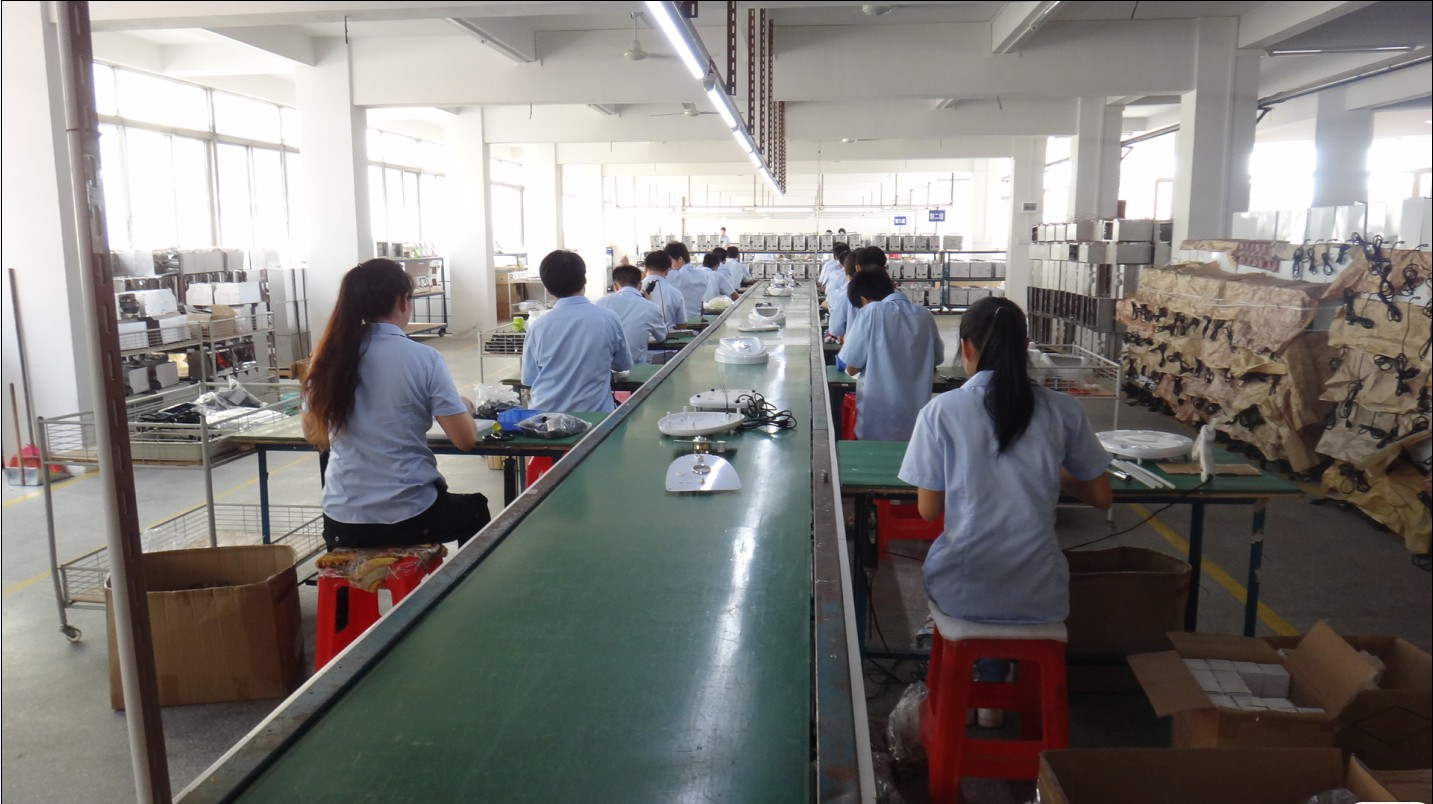
UangelCare is a China-based aesthetic equipment manufacturer with a distributor-first philosophy. We understand that your success is our success — and we build our partnership model accordingly.
Training and Onboarding
- Product training: Comprehensive training on every device — operation, treatment protocols, troubleshooting
- Sales training: Objection handling, competitive positioning, demo techniques
- Certification programs: For both your team and end-user practitioners
- Ongoing education: Quarterly webinars on new products, techniques, and market trends
Marketing Materials and Support
- Professional marketing collateral: Brochures, spec sheets, before/after portfolios — available in multiple languages
- Digital assets: High-resolution product images, video demonstrations, website content
- Co-op marketing funds: Financial support for trade shows, advertising, and local marketing campaigns
- Custom branding options: OEM/ODM services for distributors who want private-label products
Technical Support
- Dedicated support team: Technical questions answered within 24 hours
- Remote diagnostics: Video-call troubleshooting for quick resolution
- Spare parts: Fast shipping on replacement components
- Warranty management: Streamlined claim process with pre-approved repair protocols
Flexible Business Terms
- Competitive pricing: Volume-based discounts with transparent pricing structure
- Low minimum orders: Accessible entry point for new distributors
- Flexible payment: Multiple payment methods including letter of credit, TT, and net terms for established partners
- Territory protection: Exclusive territory options for qualified distributors
Product Range
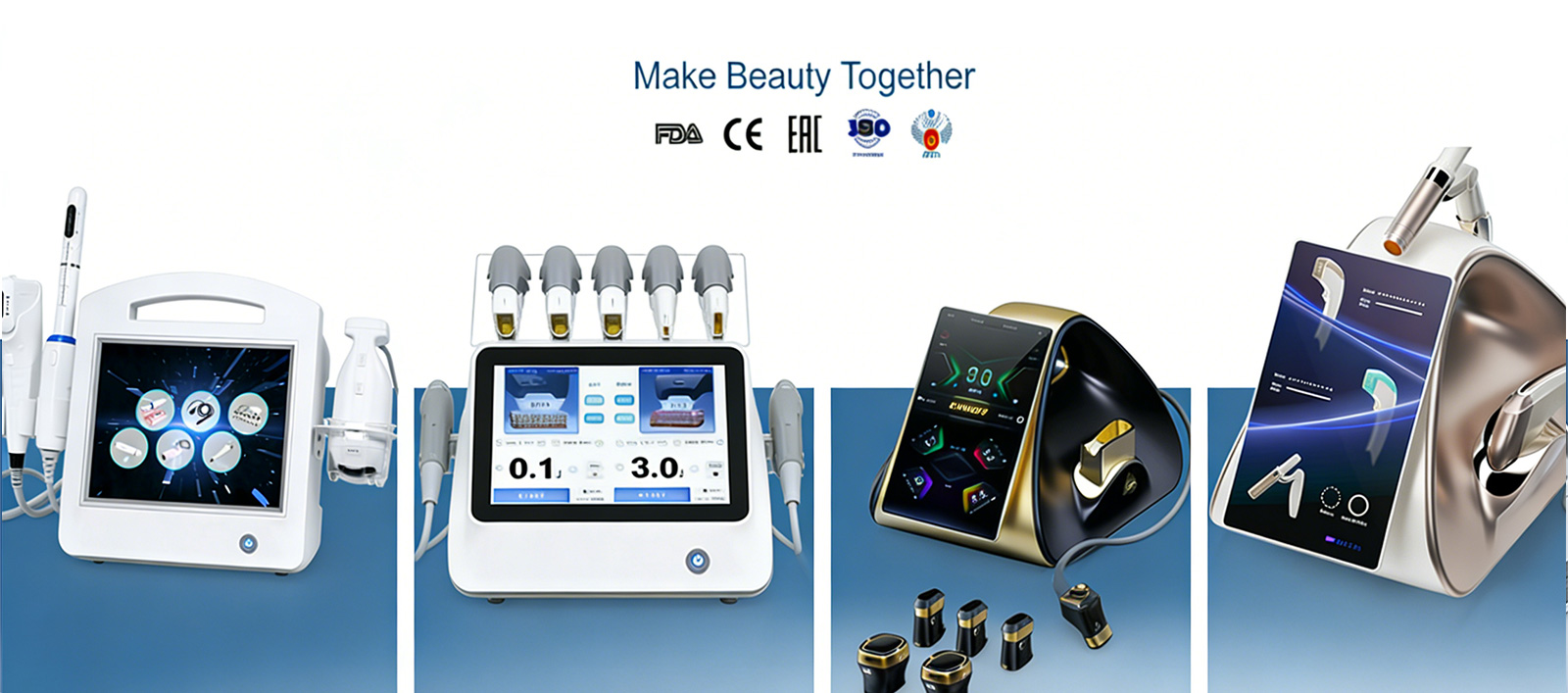
UangelCare offers a comprehensive portfolio across high-demand categories:
- RF Microneedle Machines — insulated needle technology, fractional RF delivery
- Laser Devices — diode, Nd:YAG, picosecond platforms
- Body Contouring Systems — HIFU, cryolipolysis, RF body treatments
- Skin Rejuvenation — IPL, RF facial, hydrodermabrasion
All devices carry CE, FDA (where applicable), and ISO 13485 certifications.
Ready to explore a distribution partnership? Contact UangelCare to discuss territory availability, pricing, and onboarding.
Frequently Asked Questions
How much capital do I need to start a beauty machine distribution business?
Realistically, $30,000–$150,000 depending on your market and product line. This covers initial inventory, demo units, legal setup, and 3–6 months of operating expenses. Starting with less is possible but significantly increases cash flow risk.
Do I need a medical background to distribute aesthetic devices?
Not necessarily, but it helps. Many successful distributors come from sales, business, or clinical backgrounds. What’s essential is product knowledge — you need to understand the technology well enough to demonstrate it and answer clinical questions. Manufacturers like UangelCare provide training to bridge this gap.
Can I distribute beauty machines online only?
It’s possible but limiting. High-ticket aesthetic equipment (above $2,000) typically requires in-person demonstrations, practitioner training, and local support. Online-only distribution works better for lower-priced devices and consumables. Most successful distributors combine online marketing with offline sales and support.
How do I handle warranty claims and repairs?
This depends on your agreement with the manufacturer. Some manufacturers handle warranty claims directly; others require the distributor to serve as the first line of support. At UangelCare, we provide remote diagnostics, pre-approved repair protocols, and fast spare parts shipping so distributors can resolve issues efficiently without needing in-house repair expertise.
What certifications should I look for in a manufacturer?
At minimum: ISO 13485 (quality management), CE MDR (European market), and FDA clearance or registration (US market). Additional certifications matter for specific markets — TGA for Australia, Health Canada, ANVISA for Brazil. If a manufacturer can’t provide these, your customers — licensed clinics — won’t buy from you.
How long does it take to become profitable as a beauty machine distributor?
Most distributors reach profitability in 12–18 months. The first 6 months are typically invested in building relationships and pipeline. Months 6–12 see initial sales. By month 12–18, repeat business, referrals, and consumable revenue should create consistent profitability. Distributors with existing clinic relationships can accelerate this timeline significantly.
Is exclusive distribution always better than non-exclusive?
Not always. Exclusive distribution offers territory protection and better margins but comes with higher quotas and commitments. Non-exclusive distribution gives you flexibility and lower risk but exposes you to competition. The right choice depends on your market size, sales capability, and risk tolerance. Many distributors start non-exclusive and graduate to exclusive terms after proving their performance.
Key Takeaways
- The aesthetic device market is growing double digits — distribution is a viable, scalable business with real demand
- Partnership quality > product price — your manufacturer relationship determines your ability to sell, support, and retain customers
- Negotiate your distribution agreement carefully — territory, pricing, support, and termination terms all matter
- Post-sale support is where profitability lives — consumable sales, service contracts, and referrals drive long-term margins
- Cash flow management is the #1 operational challenge — plan for inventory costs, payment delays, and warranty reserves
- Start focused, then expand — 2–3 product lines, one territory, one manufacturer relationship at a time
Building a profitable beauty machine distribution business is a marathon, not a sprint. The distributors who win are the ones who invest in relationships — with their manufacturer partners, their clinic customers, and their local market expertise.
Ready to get started? Contact UangelCare to learn about distributor opportunities in your region.