

تحذيرات التجويف بالموجات فوق الصوتية, المخاطر & تأثيرات جانبية: ما العيادات لا تخبرك
الوجبات السريعة الرئيسية
- التجويف بالموجات فوق الصوتية حاصل على موافقة إدارة الأغذية والعقاقير (FDA) باعتباره أ مستحضرات التجميل جهاز, ليس جهازًا لإنقاص الوزن، فهذا التمييز مهم للغاية, خاصة عند النظر مخاطر التجويف بالموجات فوق الصوتية.
- معظم الآثار الجانبية خفيفة ومؤقتة, ولكن هناك مخاطر جدية, خاصة مع المشغلين غير المؤهلين أو فحص موانع الاستعمال غير المناسبة
- الخطر الأكبر ليس جسديًا، بل هو كذلك الضجيج التسويقي وضع توقعات غير واقعية
- موانع الاستعمال المطلقة تشمل الحمل, أمراض الكبد / الكلى, جهاز تنظيم ضربات القلب, يزرع المعدنية, والالتهابات النشطة
- الأدلة السريرية مختلطة: تظهر الدراسات انخفاض متوسط الدهون بمقدار 1-3 سم لكل منطقة معالجة, ليس “يذيب الدهون” تقترح الرسائل
ما هو التجويف بالموجات فوق الصوتية?
لنكن واضحين بشأن ما تفعله هذه التكنولوجيا بالفعل، وما لا تفعله.
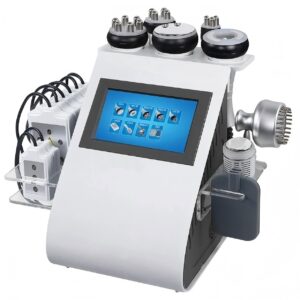
يستخدم التجويف بالموجات فوق الصوتية موجات فوق صوتية منخفضة التردد (عادة 40 كيلو هرتز) لتكوين فقاعات مجهرية داخل الخلايا الدهنية. تتوسع هذه الفقاعات وتنهار, تعطيل غشاء الخلية وإطلاق الدهون الثلاثية المخزنة في الفضاء الخلالي, حيث يقوم الجهاز اللمفاوي بمعالجتها للتخلص منها.
هذا يبدو مثيرا للإعجاب. وبالنسبة لبعض الناس, إنه يعمل حقًا. ولكن هذا هو الواقع:
- إنها أ تخفيض محيط علاج, ليس علاجًا لإنقاص الوزن
- لن ترى تغييرات جذرية على نطاق واسع
- النتائج خفية, تدريجي, وتعتمد بشكل كبير على مهارة المشغل, صحتك اللمفاوية, وما إذا كنت تحافظ على عادات نمط الحياة المحيطة بك
- تقرير معظم الدراسات 1– تقليل بمقدار 3 سم لكل منطقة علاج بعد 6-12 جلسة
لا يتم تدمير الخلية الدهنية، بل يتم إفراغها. يمكن إعادة ملء هذه الخلايا إذا زاد تناول السعرات الحرارية. هذه حقيقة الصيانة, ليس تكتيك تخويف.
الآثار الجانبية الشائعة (ما يعاني منه معظم الناس)
بعد جلسة التجويف النموذجية, قد تلاحظ:
- الاحمرار والدفء في المنطقة المعالجة - طبيعي, عادة ما يتم حلها خلال 30-60 دقيقة
- كدمات خفيفة - خاصة في المناطق التي تحتوي على نسبة أقل من الدهون تحت الجلد أو حيث يكون ضغط محول الطاقة مفرطًا
- خدر مؤقت أو وخز - ناجم عن تحفيز العصب الخفيف; عادة ما يتم حلها في غضون ساعات
- زيادة التبول - وهذا في الواقع أ علامة جيدة; فهذا يعني أن جهازك اللمفاوي يقوم بمعالجة الدهون المتحررة بشكل فعال
- عطش - تتطلب عملية التمثيل الغذائي لإزالة الدهون الثلاثية المنطلقة الماء
هذه التأثيرات ليست تحذيرات. إنهم يتوقعون الاستجابات الفسيولوجية. إذا أخبرك مزود الخدمة الخاص بك فلن يحدث أي من هذا, هذا علم أحمر.
آثار جانبية أقل شيوعًا ولكنها ملحوظة
لا يبحر الجميع من خلال العلاج. تجربة بعض العملاء:
مخالفات الجلد
يمكن أن يؤدي التوزيع غير المتساوي للضغط أثناء العلاج إلى ظهور نسيج جلدي متكتل أو مموج مؤقت. يتم حل هذا عادةً خلال أيام إلى أسابيع, ولكن في حالات نادرة من التقنية غير السليمة أو إعدادات الطاقة المفرطة, يمكن أن تستمر.
حروق الدرجة الأولى
نعم, يحدث هذا. عندما يتم تثبيت مسبار الموجات فوق الصوتية في موضع واحد لفترة طويلة جدًا, أو عندما يستخدم المشغل إعدادات غير مناسبة لسمك جلد/دهون العميل, يمكن أن يسبب التراكم الحراري حروقًا سطحية. تشفى حروق الدرجة الأولى دون ترك ندبات ولكنها مؤلمة ويمكن تجنبها بالتدريب المناسب.
حساسية الأعصاب
أبلغ بعض العملاء عن فرط حساسية مؤقت أو, على العكس من ذلك, خدر مؤقت في المنطقة المعالجة يستمر لمدة تصل إلى 2-4 أسابيع. عادةً ما تكون هذه وذمة عصبية ناجمة عن الطاقة الصوتية — وليست دائمة, ولكن غير مريح.
فرط التصبغ بعد الالتهاب (PIH)
العملاء ذوي ألوان البشرة الداكنة (فيتزباتريك الرابع – السادس) هم أكثر عرضة لخطر PIH, خاصة إذا كان الجلد مسمرًا مؤخرًا أو إذا كان الالتهاب مفرطًا. إن الكتابة المناسبة للبشرة والحماية من أشعة الشمس قبل/بعد العلاج تقلل من هذا الخطر.
مخاطر جسيمة: عندما تسوء الأمور
هذه ليست شائعة, لكنها حقيقية. يزداد الخطر بشكل كبير مع المشغلين غير المؤهلين, الأجهزة غير المعتمدة, أو عدم كفاية فحص موانع الاستعمال.
إجهاد الكبد
تنتقل الدهون المعبأة من الأنسجة الدهنية عبر الدورة الدموية البابية إلى الكبد. للعملاء الذين يعانون من مرض الكبد الدهني (NAFLD - شائع للغاية في الأشخاص الذين يعانون من زيادة الوزن), قد يؤدي إضافة كميات كبيرة من الدهون من خلال علاجات التجويف المتكررة إلى تفاقم وظائف الكبد. نادرا ما تتم مناقشة هذا في المواد التسويقية.
الحمل الزائد على الكلى
يقوم الجهاز اللمفاوي والكلى بإطلاق الدهون الثلاثية والحطام الخلوي. لا يمكن للعملاء الذين يعانون من قصور كلوي موجود مسبقًا التخلص من هذا الحمل الأيضي الإضافي بأمان.
تجلط الأوردة العميقة (تجلط الأوردة العميقة)
هناك حالات موثقة (في المقام الأول في الأدبيات الطبية الأوروبية) من DVT بعد علاجات التجويف العدوانية, وخاصة في الأطراف السفلية. الآلية المقترحة: التعبئة السريعة للتحولات الدهنية والسوائل قد تغير لزوجة الدم وديناميكيات العودة الوريدية.
تلف الأعضاء
وهذا أمر نادر ولكنه موثق. إذا اخترقت طاقة الموجات فوق الصوتية الطبقة الدهنية تحت الجلد — من خلال خطأ المشغل, المعدات المكسورة, أو العلاج على المناطق العظمية - يمكن أن تتعرض الأعضاء الداخلية للإصابة الحرارية. هذا هو السبب في أن التدريب المناسب والمعرفة التشريحية غير قابلة للتفاوض.
قائمة موانع الاستعمال الكاملة
موانع مطلقة (يجب ألا يستمر العلاج)
- الحمل أو الرضاعة الطبيعية
- الأجهزة المزروعة النشطة: جهاز تنظيم ضربات القلب, زراعة القوقعة الصناعية, مضخة الأنسولين
- زراعة المعادن في منطقة العلاج (اللولب الرحمي لا بأس به عمومًا — تأكد من ذلك مع الشركة المصنعة)
- فشل الكبد, مرض كلوي, أو التهاب الكبد النشط
- سرطان نشط أو سرطان في الداخل 5 سنين (حالات مغفرة تتطلب موافقة الطبيب)
- أمراض المناعة الذاتية التي تؤثر على النسيج الضام (مرض الذئبة, تصلب الجلد)
- فيروس نقص المناعة البشرية أو الإيدز
- اضطرابات الدم (الهيموفيليا, تاريخ تجلط الأوردة العميقة)
- الصرع
- ارتفاع ضغط الدم الشديد أو أمراض القلب والأوعية الدموية
- الالتهابات الجلدية النشطة, الأكزيما, أو الجروح المفتوحة في منطقة العلاج
موانع النسبية (المضي قدما بحذر, يوصى باستشارة الطبيب)
- الحيض (ينبغي تجنب علاج البطن)
- الندبات الجراحية الحديثة (انتظر 6-12 شهرًا)
- أنسجة الثدي الليفية
- اضطرابات الغدة الدرقية
- الأقواس المعدنية لتقويم الأسنان (قلق الأسنان)
- عملاء نحيفون جداً (كمية أقل من الدهون تحت الجلد = زيادة خطر وصول الطاقة إلى هياكل أعمق)
هذه القائمة ليست دراما. لقد تم نسخها من أدلة الأجهزة الشرعية وإرشادات السلامة التي راجعها النظراء. إذا سلمتك إحدى العيادات تنازلاً بثلاث نقاط, هذا ليس تبسيطًا – هذا إهمال.
الأجهزة المنزلية: ملف تعريف مختلف للمخاطر
أجهزة التجويف الاستهلاكية تغمر السوق — أمازون, AliExpress, العلامات التجارية المباشرة للمستهلك. إليك ما لا يقوله التسويق:
- انتاج الطاقة غير منظم. تعمل العديد من الأجهزة الاستهلاكية بترددات وكثافات لا علاقة لها بالدراسات السريرية
- لا يوجد فحص موانع. لا يعرف الشخص الذي يشتريه عبر الإنترنت أن لديه سلكًا مخفيًا لجهاز تنظيم ضربات القلب أو كبدًا دهنيًا في مرحلة مبكرة
- حالات الحروق وتلف الأعصاب آخذة في الارتفاع بما يتناسب مع مبيعات الأجهزة الاستهلاكية. زادت زيارات غرفة الطوارئ لإصابات جهاز تحلل الدهون المنزلي بشكل ملحوظ في بيانات 2022-2024 من مراكز مكافحة السموم ووحدات الحروق
- لا يمكنك رؤية النتائج بنفس الطريقة التي تقيسها بها العيادات - بدون الفرجار أو التصوير, أي “تحسين” هو نفسي
إذا كنت مالكًا لعيادة تقوم بشراء الأجهزة, إن تقديم الأجهزة المنزلية كوظيفة إضافية هو حقل ألغام للمسؤولية. تأكد من أن نماذج الموافقة الخاصة بك تغطي إرشادات الجهاز المنزلي بشكل صريح.
كيفية تقليل المخاطر: قائمة مراجعة الممارس
بناءً على تقارير الأحداث السلبية الصادرة عن إدارة الغذاء والدواء, الأدب السريري, وإرشادات سلامة الشركة المصنعة:
- فحص موانع الاستعمال - استمارة القبول المكتوبة, التأكيد اللفظي, لا تخطيها أبدا
- قياس ثنية الجلد - الفرجار قبل وبعد. هذه هي الطريقة التي تحدد بها معايير العلاج وتكتشف العملاء الذين لديهم القليل جدًا من الدهون تحت الجلد
- التدريب المناسب — شهادة الشركة المصنعة لمدة 8 ساعات كحد أدنى مع تقييم الكفاءة التشريحية
- معايرة الجهاز - تحقق من الإخراج أسبوعيًا باستخدام مكبر صوت مائي أو أداة اختبار توفرها الشركة المصنعة
- توقيت العلاج - الحد الأدنى 72 ساعات بين الجلسات لكل منطقة علاج; لا تعالج أبدًا نفس المكان مرتين في جلسة واحدة
- بروتوكول الترطيب - يجب على العميل شرب 1.5-2 لتر من الماء في الكوب 24 ساعات قبل وبعد العلاج
- الدعم اللمفاوي - يوصى بالفرشاة الجافة, تمرين خفيف, أو تدليك التصريف اللمفاوي الاحترافي بعد العلاج
- توثيق كل شيء — صور, القياسات, الإعدادات المستخدمة, ردود فعل العملاء
فجوة الصدق: ما هي مطالبات التسويق مقابل. ماذا يقول العلم
| مطالبة التسويق | الواقع |
|---|---|
| “إزالة الدهون بدون تدخل جراحي” | إنها سمينة التعبئة, لا إزالة. لا تزال الدهون بحاجة إلى التمثيل الغذائي. |
| “النتائج بعد فقط 1 حصة” | تتطلب التغييرات المرئية عادةً من 6 إلى 12 جلسة. تم قياس معظم الدراسات في الأسبوع 8-12. |
| “التخلص الدائم من الدهون” | يتم إفراغ الخلايا الدهنية, لم يتم القضاء عليها. يمكنهم إعادة الملء. |
| “مناسبة للجميع” | العملاء الذين يتراوح وزنهم بين 10 إلى 20 رطلاً من الوزن المثالي ويتمتعون بمرونة جيدة للبشرة هم وحدهم من يرون النتائج المثالية. |
| “وافقت ادارة الاغذية والعقاقير” | تمت الموافقة عليه من قبل إدارة الغذاء والدواء (FDA) كجهاز تجميلي. لا يوجد جهاز تجويف معتمد من إدارة الغذاء والدواء الأمريكية لتقليل الدهون. |
لنكن واضحين: يعمل التجويف. ولكنها تعمل ضمن نطاق ضيق من التوقعات الواقعية. إن العيادات التي تبالغ في بيعها لا تضر العملاء فحسب، بل تضر بمصداقية الصناعة.
ما تقوله الأدلة السريرية في الواقع
تتزايد الأبحاث التي يراجعها النظراء حول التجويف بالموجات فوق الصوتية, على الرغم من أن الجودة تختلف بشكل كبير:
- تقليل الدهون: أ 2019 الدراسة في مجلة الأمراض الجلدية التجميلية وجدت انخفاضًا متوسطًا في محيط 2.5 سم في الخصر بعد 8 جلسات, مقارنة ب 0.4 سم في المجموعة الضابطة. هذا ذو معنى, ولكن ليس تحويليا.
- شد الجلد: الأدلة أضعف. تعزى معظم التحسينات في مظهر الجلد إلى تأثير التصريف اللمفاوي, ليس إعادة تشكيل الكولاجين الفعلي.
- أمان: ذكرت نفس الدراسة خفيفة فقط, آثار جانبية عابرة. لم يتم تسجيل أي أحداث سلبية خطيرة، ولكن تم ذلك في بيئة سريرية خاضعة للرقابة مع مشغلين مدربين.
- بيانات طويلة المدى: غائبة عمليا. لا نعرف ماذا يحدث للخلايا الدهنية الفارغة على مدى 3-5 سنوات.
الملخص الصادق: يعد التجويف مكملاً معقولاً للنظام الغذائي وممارسة الرياضة للعملاء الذين يتمتعون بصحة جيدة بالفعل ولكن لديهم رواسب دهنية موضعية تقاوم التغيير. إنه ليس حلاً مستقلاً لإنقاص الوزن, ويجب استجواب أي مزود يضعه بهذه الطريقة.
الأسئلة المتداولة
كم عدد الجلسات التي أحتاجها لرؤية النتائج؟?
يحتاج معظم العملاء إلى 6-12 جلسة, متباعدة 3-7 أيام. من المفترض أن ترى تغييرات قابلة للقياس بحلول الجلسة 4-6 إذا كنت تستجيب للعلاج.
هل التجويف بالموجات فوق الصوتية يضر?
يصفه معظم العملاء بأنه دافئ, وخز, أو غير مريح إلى حدٍ ما – على غرار تدليك الأنسجة العميقة. العلاج على المناطق العظمية (أضلاعه, خَواصِر) يمكن أن يكون أكثر وضوحا. إذا كان مؤلما, أخبر المشغل الخاص بك على الفور.
هل يمكنني عمل الكافيتيشن أثناء الحمل؟?
لا. بالتأكيد لا. هذا هو موانع مطلقة.
ماذا يجب أن أفعل قبل العلاج?
ابق رطبًا جيدًا (ماء, ليس الكافيين أو الكحول), تجنب الأكل 2 قبل ساعات, ارتداء ملابس فضفاضة, وإزالة جميع المجوهرات المعدنية في منطقة العلاج.
هل ستعود الدهون?
يتم إفراغ الخلايا الدهنية, لم يتم تدميرها. إذا حافظت على وزنك من خلال النظام الغذائي وممارسة الرياضة, يمكن أن تكون النتائج طويلة الأمد. إذا زاد وزنك, يمكن إعادة ملء الخلايا.
هل يمكن أن يساعد التجويف في التخلص من الدهون الحشوية؟?
لا. يستهدف الكافيتيشن الدهون الموجودة تحت الجلد (الطبقة الموجودة تحت الجلد). الدهون الحشوية (حول الأعضاء) لا يمكن الوصول إليها عن طريق الموجات فوق الصوتية الخارجية.
هل هناك أي آثار جانبية على المدى الطويل?
البيانات طويلة المدى محدودة. الإجماع بين الممارسين هو أن التجويف الذي يتم إجراؤه بشكل صحيح ليس له أي آثار جانبية دائمة معروفة - ولكن “بيانات محدودة” يعني أننا لا نستطيع أن نكون متأكدين.
ما الذي يجب أن أبحث عنه في المزود?
بحث: شهادة التدريب الرسمية (اطلب رؤيته), فحص موانع شاملة, قبل/بعد القياسات (ليس فقط الصور), ومحادثات صادقة حول نتائج واقعية. كن حذرًا من أي شخص يضمن النتائج أو يتخطى الاستبيان الصحي.
تنصل
هذه المقالة للأغراض التعليمية فقط ولا تشكل نصيحة طبية. تختلف النتائج الفردية. يجب إجراء علاجات التجويف من قبل ممارسين مؤهلين بعد إجراء تقييم صحي شامل. استشر مقدم رعاية صحية مرخص قبل الخضوع لأي إجراء لنحت الجسم, خاصة إذا كان لديك حالات طبية موجودة مسبقًا.
التجويف بالموجات فوق الصوتية حاصل على موافقة إدارة الأغذية والعقاقير (FDA) كجهاز تجميلي. UangelCare هي شركة تصنيع B2B للمعدات التجميلية. نبيع للعيادات المرخصة والممارسين المدربين. يجب على المستهلكين النهائيين طلب العلاج من العيادات التجميلية المؤهلة.