

Selecting the right tattoo removal machine suppliers is one of the most consequential decisions a clinic owner or aesthetic practice manager will make. The equipment you choose affects treatment outcomes, patient satisfaction, operational costs, and your brand’s reputation in a competitive market. Yet the process of evaluating suppliers—from comparing laser technologies to verifying certifications—can feel overwhelming, especially when dealing with manufacturers across different regions and regulatory frameworks.
This guide breaks down everything you need to evaluate before committing to a supplier, from the technical specifications that drive clinical performance to the business terms that protect your investment long-term.
重要なポイント
- ND YAG lasers (Q-switched, nanosecond pulse) and picosecond lasers represent the two dominant technologies; your choice depends on ink color range, treatment depth, and budget.
- 波長 (1064nm and 532nm), パルス持続時間, エネルギー密度, スポットサイズ, and repetition rate are the five technical parameters that most directly affect treatment efficacy and safety.
- Certifications alone are not enough—evaluate warranty terms, トレーニングサポート, OEM/ODM capability, and the supplier’s track record with clinics in your market.
- Price ranges vary widely by technology tier and supplier origin; understanding true cost of ownership prevents costly mistakes.
- Regional supplier clusters in China, ヨーロッパ, and the United States each offer distinct advantages in terms of customization, コンプライアンス, and lead times.
Types of Tattoo Removal Lasers: Understanding Your Options
Before evaluating suppliers, clinic operators need a clear understanding of the two primary laser technologies used in professional tattoo removal: Q-switched ND YAG lasers and picosecond lasers. Both operate on the principle of photoacoustic effect—fragmenting ink particles through rapid energy pulses rather than thermal damage.
Q-Switched ND YAG Lasers
Q-switched (quality-switched) ND YAG lasers generate nanosecond-range pulse durations—typically 4–10 nanoseconds—and emit at two clinically validated wavelengths: 1064nm (near-infrared) and 532nm (green light). The 1064nm wavelength penetrates deepest and is effective against dark inks including black, dark blue, and brown, while the 532nm wavelength targets lighter colors such as red, オレンジ, and yellow. This dual-wavelength capability makes Q-switched ND YAG systems versatile for treating multi-colored tattoos across a range of skin types.
Research published in the アメリカ皮膚科学会雑誌 found that Q-switched ND YAG lasers achieve 75–90% ink clearance after an average of 8–12 treatment sessions for professional tattoos. The technology has been in clinical use for over two decades, with a deep evidence base and well-understood safety profile.
Picosecond Lasers
Picosecond lasers deliver pulse durations of 300–750 picoseconds—roughly 1,000 times shorter than nanosecond systems—creating a more concentrated photoacoustic shockwave. Ink particles are fragmented into smaller pieces that the body clears more efficiently, often reducing total treatment sessions.
The clinical advantage of picosecond technology is most pronounced with stubborn ink colors (blue and green tattoo inks that resist nanosecond treatment) and with recalcitrant tattoos. あ 2019 study in 皮膚外科 demonstrated that picosecond 1064nm lasers achieved superior clearance rates for green and blue ink compared to nanosecond Q-switched systems, with a mean reduction in required treatment sessions of approximately 20–30%.
The trade-off is cost: picosecond systems command a significantly higher price point than Q-switched ND YAG units, which directly affects supplier pricing and, by extension, your clinic’s return on investment timeline.
ND YAG vs. Picosecond Laser: A Direct Comparison
| パラメータ | Q-Switched ND YAG | Picosecond Laser |
|---|---|---|
| Pulse Duration | 4–10 nanoseconds (ns) | 300–750 picoseconds (ps) |
| 波長 | 1064nm (dark inks) / 532nm (light inks) | 1064nm, 532nm, 670nm, 730nm (model-dependent) |
| Ink Color Coverage | 黒, dark blue, brown, 赤, オレンジ, 黄色 | Full spectrum including resistant greens and blues |
| Typical Treatment Sessions | 8–15 sessions | 6–10 sessions |
| Energy Density Range | 200–1200 mJ/cm² (調整可能な) | 200–2000 mJ/cm² (調整可能な) |
| Spot Size Range | 1–10mm | 2–12mm |
| Repetition Rate | 1–10Hz | 1–10Hz |
| Evidence Base | Extensive (20+ years of clinical data) | Growing (10+ 年, expanding rapidly) |
| Price Tier | Mid-range (USD $8,000–$30,000) | プレミアム (USD $25,000–$80,000+) |
| 最適な用途 | Clinics starting out; broad ink coverage; budget-conscious practices | 患者数の多いクリニック; stubborn/recalcitrant tattoos; broader color palette |
注記: Specific parameters vary by manufacturer and model. Clinical outcomes depend on ink composition, tattoo age, 肌タイプ, そしてオペレーターの技術. Treatment should be performed by qualified professionals in accordance with local regulatory requirements.
Key Technical Specifications to Evaluate
When reviewing tattoo removal machine suppliers, request the technical datasheet for each system and evaluate the following parameters against your clinic’s clinical protocols and patient demographics.
Wavelength Configuration
Verify that the laser offers both 1064nm and 532nm wavelengths as standard, with optional additional wavelengths (670nm, 730nm, 785nm) if your patient population includes a high proportion of Fitzpatrick Skin Types III–VI or individuals with tattoos in resistant color ranges. Multi-wavelength systems provide greater flexibility but at a higher price point.
Pulse Duration
For Q-switched ND YAG systems, look for pulse durations in the 4–10 nanosecond range. For picosecond systems, confirm that the actual pulse duration is disclosed—some manufacturers market systems as “picosecond-class” with pulse durations closer to the nanosecond range.
エネルギー密度 (Fluence)
Effective tattoo removal typically requires energy densities between 200 mJ/cm² and 1200 mJ/cm² for ND YAG systems. Ensure the system provides adjustable fluence across a sufficient range and that energy output remains stable across the treatment session.
スポットサイズ
A spot size range of 1mm to 10–12mm provides flexibility for precision work on fine tattoo details (small spots) and rapid coverage of larger areas (large spots). Larger spot sizes also affect depth of penetration—a relevant consideration for tattoos at varying dermal depths.
Repetition Rate
Repetition rates of 1–10 Hz are standard across both ND YAG and picosecond platforms. Higher repetition rates (5–10Hz) reduce treatment time per session, which is a practical consideration for high-volume clinics. しかし, higher repetition rates should not come at the expense of energy stability or patient safety.
Handpiece and Delivery System
Evaluate the quality and durability of the delivery system—the fiber optic cable, ハンドピース, and any adjustable aperture attachments. The handpiece should feel balanced in the operator’s hand for extended use, and the fiber optic system should maintain consistent light transmission without power loss. A backup handpiece is a standard offering from reputable suppliers.
What to Look for in a Tattoo Removal Machine Supplier
Technical specifications tell you what a machine can do; supplier evaluation tells you what happens when something goes wrong—and eventually, something will. The following criteria separate reliable long-term partners from suppliers who disappear after the sale.
Certifications and Regulatory Compliance
少なくとも, your supplier should hold:
- CEマーキング (欧州連合): Confirms compliance with EU Medical Device Directive (MDR 2017/745) safety and performance requirements.
- FDA 510(k) clearance or registration (アメリカ合衆国): Indicates the device has been reviewed by the US Food and Drug Administration for safety and efficacy, or at minimum, registered with the agency.
- NMPAの承認 (中国): National Medical Products Administration certification is the Chinese equivalent of FDA approval and a mark of domestic regulatory compliance.
- ISO 13485:2016: Quality management system standard specifically for medical device manufacturers.
ユエンジェルケア, a Guangzhou-based OEM/ODM manufacturer established in 2016, holds NMPA, ISO 13485, およびCE認証, with partial FDA registration. When evaluating Chinese suppliers, confirm that certifications are current and request documentation—the ability to produce valid certificates on request is itself a signal of legitimacy.
保証条件
Warranty coverage varies significantly across suppliers and price tiers. A standard 1-year warranty covering manufacturing defects and critical component failures is the minimum acceptable term for a professional-grade system. Some premium suppliers offer extended warranty options of 2–3 years, which should be factored into the total cost of ownership calculation. Understand what the warranty covers: does it include the laser source, ハンドピース, and control console, or only select components?
UangelCare offers a 1-year comprehensive warranty on its tattoo removal laser systems, with a defined service protocol for defect claims.
トレーニングと臨床サポート
A machine is only as effective as the operator using it. Reputable suppliers provide clinical training as part of the purchase agreement, typically covering:
- System operation and parameter setting
- Patient consultation and contraindication screening
- Treatment protocols by ink color and tattoo type
- Post-treatment care and complication management
- Maintenance and troubleshooting
Training format varies: some suppliers offer on-site training at the manufacturer’s facility, others provide remote video-based training, and some include both. Confirm the format and whether training is included in the purchase price or offered as an add-on service.
OEM/ODM 機能
If you operate a multi-clinic group or a branded aesthetic practice, OEM (Original Equipment Manufacturer) or ODM (Original Design Manufacturer) capability may be a priority. OEM arrangements allow you to rebrand the equipment under your own company name and logo, while ODM arrangements extend to custom design of the hardware and interface to your brand specifications.
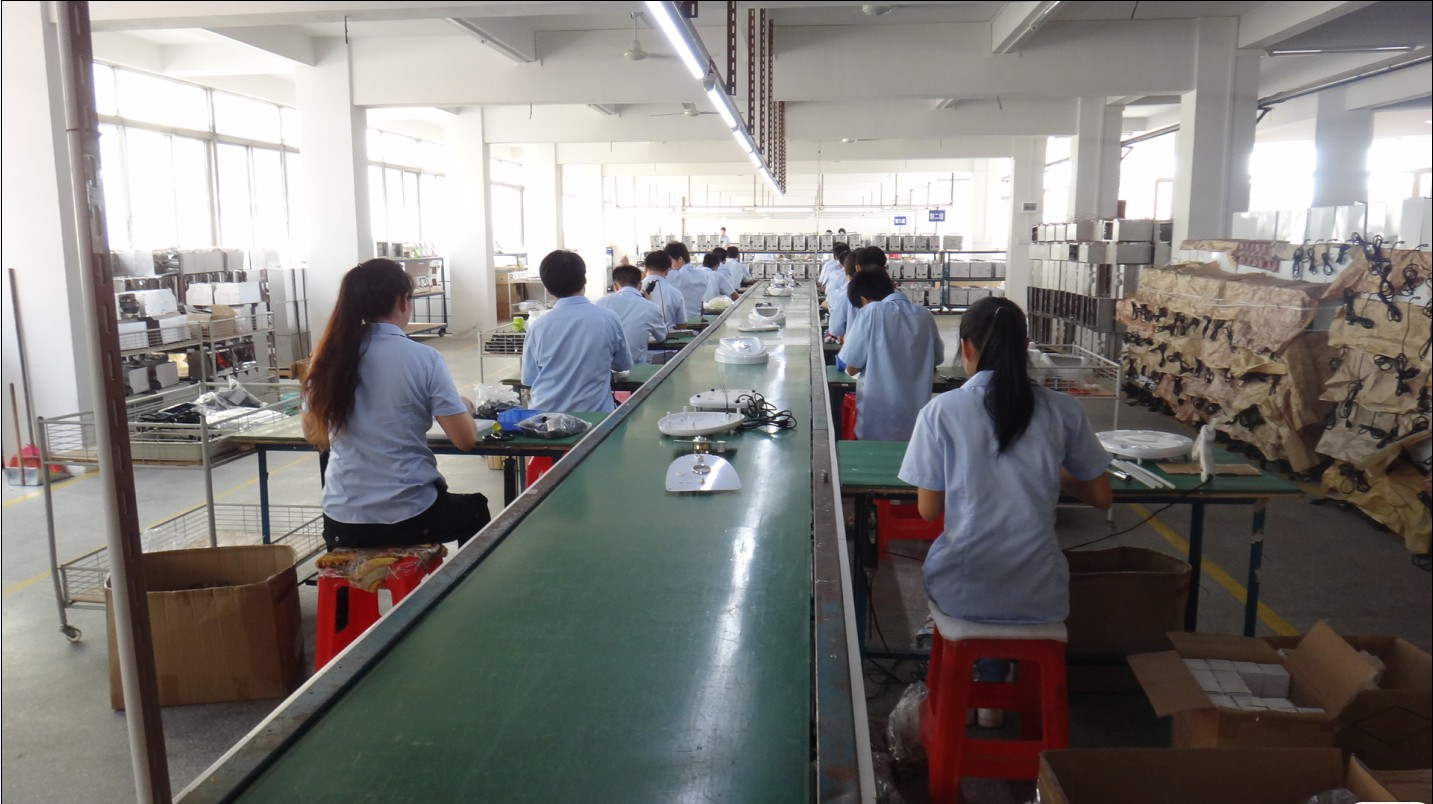
Chinese manufacturers, particularly those in the Guangzhou and Shenzhen industrial clusters, have developed sophisticated OEM/ODM capabilities for aesthetic laser equipment. UangelCare offers OEM/ODM services including custom branding, interface design, と包装, making it a suitable partner for clinics and distributors looking to build private-label product lines.
After-Sales Support and Spare Parts
Ask the supplier directly about spare parts availability, technical support hours and time zones, remote diagnostics capability, and the warranty claim process. Suppliers with 3–7 day production lead times and 7–15 day international shipping (UangelCare’s standard for US and EU) should be able to provide expedited replacement parts comparably—confirm this before purchase.
Supplier Evaluation Checklist
- [ ] CE認証 (EU Medical Device Regulation MDR 2017/745)
- [ ] FDA 510(k) clearance or FDA registration
- [ ] ISO 13485:2016 quality management certification
- [ ] NMPAの承認 (if sourcing from China)
- [ ] Minimum 1-year comprehensive warranty
- [ ] Clinical training included (or offered at transparent pricing)
- [ ] OEM/ODM and rebranding services available
- [ ] Documented spare parts availability and pricing
- [ ] Remote technical support and diagnostics capability
- [ ] Clear lead time and shipping logistics (3–7 days production; 7–15 days international)
- [ ] References from clinics in comparable markets
- [ ] Transparent pricing with no hidden fees (customs, 義務, インストール)
Price Ranges and Return on Investment
Understanding where tattoo removal laser systems sit in the market—and what drives the price differential—is essential for making a financially sound purchasing decision.
ND YAG Laser Systems (Q-Switched)
Entry-level Q-switched ND YAG systems from emerging manufacturers typically start around USD $6,000–$12,000. Mid-tier systems from established manufacturers with full certifications and comprehensive support packages range from USD $12,000–$30,000. Premium systems from well-established brands with extensive clinical evidence and advanced features (variable spot sizes, integrated cooling, advanced delivery systems) can exceed USD $30,000–$50,000.
Picosecond Laser Systems
Picosecond systems occupy a higher price tier due to more complex laser cavity engineering. Budget and mid-tier picosecond systems start around USD $20,000–$40,000, while premium systems from major manufacturers routinely exceed USD $60,000–$80,000.
Calculating ROI
A tattoo removal treatment session in the United States or Western Europe typically ranges from USD $150–$500 per session, depending on tattoo size, clinic location, そして市場でのポジショニング. A multi-session course of 8–12 treatments on a medium-sized tattoo represents a lifetime value of USD $1,200–$6,000 per patient.
At an average treatment revenue of USD $250 per session and assuming 3–5 treatments per week, a mid-range ND YAG system at USD $20,000 can achieve payback in approximately 16–26 weeks. Higher-volume clinics or those treating larger tattoos will achieve faster returns, while lower-volume practices should model their patient acquisition funnel carefully before committing to a premium system.
Common Mistakes When Choosing a Tattoo Removal Machine Supplier
The following errors appear repeatedly in clinic purchasing decisions and are worth anticipating before you begin your supplier search.
Purchasing on Price Alone
The lowest-priced system is rarely the best value. Underscored systems may lack full regulatory certifications, use lower-quality components (laser rods, cooling systems, control electronics), and come with limited or no after-sales support. A system that fails during a busy treatment week and takes 4–6 weeks to repair will cost far more in lost revenue than the savings from a cheaper purchase price.
Skipping Certification Verification
Never take a supplier’s word for its certifications. Request copies of actual certificates and verify them independently through official databases (例えば, the EU’s EUDAMED database, the FDA’s 510(k) database, or China’s NMPA public registry). Some suppliers display fraudulent or expired certifications—a red flag that should disqualify them immediately.
Ignoring Total Cost of Ownership
The purchase price is typically 60–70% of the total cost of ownership over a 5-year period. 考慮に入れる: consumables and spare parts, routine maintenance, extended warranty costs, トレーニング (if not included), and the cost of equipment downtime. A system with a lower purchase price but expensive spare parts and no local service network can cost significantly more over its lifespan.
Not Verifying Clinical Evidence
Suppliers should be able to provide clinical data supporting their systems’ efficacy—peer-reviewed publications, clinical trial summaries, or before-and-after case documentation. Be wary of suppliers who rely solely on marketing claims without supporting clinical evidence.
Failing to Negotiate Service Terms
Many clinics accept a supplier’s standard terms without negotiation. For a significant capital purchase, it is reasonable to request extended warranty coverage, bundled training at no additional charge, or preferential pricing on spare parts. Established manufacturers with genuine confidence in their products are generally willing to negotiate on service terms.
Top Manufacturing Regions for Tattoo Removal Lasers
Guangzhou and Shenzhen, 中国
The Pearl River Delta (広州, Shenzhen, and surrounding cities) is the world’s largest cluster for aesthetic laser equipment manufacturing. Chinese manufacturers offer the broadest price range, from budget systems to sophisticated OEM/ODM arrangements for international distributors. The key challenge is quality differentiation: the market includes both reputable manufacturers with genuine certifications and less scrupulous suppliers. 広州宇天使科技有限公司, Ltd exemplifies the established end of the Chinese supplier landscape, with documented certifications and a defined after-sales support structure.
ヨーロッパ (Germany, Italy, Israel)
European manufacturers, concentrated in Germany, Italy, and Israel, generally command a price premium and are favored by clinics that prioritize EU MDR regulatory alignment and perceive European manufacturing as a brand differentiator.
米国
US-based manufacturers produce high-end systems with full FDA 510(k) clearance and extensive clinical evidence. They are generally the most expensive option but offer the strongest regulatory credibility in the American market, with domestic service networks that reduce downtime.
よくある質問
1. How many treatment sessions does tattoo removal typically require?
Most professional tattoos require 8–15 sessions with Q-switched ND YAG lasers and 6–10 sessions with picosecond lasers. Factors that affect session count include ink composition, tattoo age, tattoo depth, 肌タイプ, and whether the tattoo has been previously treated. Amateur tattoos, which tend to be more superficial, often clear faster than professional tattoos.
2. What is the difference between nanosecond and picosecond pulse durations?
Nanosecond lasers (Q-switched ND YAG) emit pulses lasting 4–10 billionths of a second. Picosecond lasers emit pulses lasting less than one billionth of a second—up to 1,000 times shorter. This shorter pulse duration generates a more concentrated photoacoustic shockwave that fragments ink particles more efficiently into smaller particles, which the body clears more rapidly.
3. Are Chinese-made tattoo removal lasers reliable?
Many Chinese manufacturers produce reliable, clinically effective systems—particularly those with ISO 13485 認証, third-party CE/FDA approvals, and documented after-sales support. As with any manufacturing region, quality varies. Verifiable certifications, reference clinics, and transparent service terms are the most reliable indicators of a trustworthy supplier.
4. What certifications should I insist on from a tattoo removal machine supplier?
少なくとも, require CE marking (for use in EU markets), FDA 510(k) clearance or registration (for US markets), and ISO 13485:2016 認証. If sourcing from China, NMPA approval demonstrates compliance with Chinese medical device regulations. Request copies of certificates and verify them through official regulatory databases.
5. Does the tattoo removal machine come with training?
Training terms vary by supplier. Reputable manufacturers and distributors typically include operator training in the purchase price—covering system setup, 治療プロトコル, そしてトラブルシューティング. Confirm whether on-site training, remote training, or both are offered, and whether training materials (protocol guides, patient consent forms, maintenance schedules) are provided.
6. What is the typical lifespan of a Q-switched ND YAG laser system?
適切なメンテナンスを行うことで, a Q-switched ND YAG laser system has a clinically useful lifespan of 5–10 years, depending on usage intensity. The laser rod and flashlamp are consumable components that may require replacement every 1–3 years depending on treatment volume. Ask your supplier for the expected lifespan of critical components and the cost of routine replacement parts.
7. Can I rebrand a tattoo removal laser machine for my clinic group?
はい, if the supplier offers OEM/ODM services. OEM arrangements typically allow you to apply your company logo and branding to the equipment casing, 梱包, and control interface. ODM arrangements go further, allowing customization of the hardware design, インターフェイスのレイアウト, and functional features to your specifications. Chinese manufacturers in the Guangzhou and Shenzhen clusters are typically the most experienced in delivering OEM/ODM arrangements for international clients.
8. What is a reasonable warranty period for tattoo removal laser equipment?
A minimum of 1 year comprehensive warranty covering the laser source, ハンドピース, control console, and key electronic components is standard for the industry. Some suppliers offer optional extended warranties of 2–3 years. Be sure to understand what the warranty covers, the process for filing a claim, and whether on-site service or remote diagnostics are included.
免責事項: The clinical data, 治療パラメータ, and pricing ranges referenced in this article are drawn from publicly available sources and industry benchmarks. Individual treatment outcomes vary based on patient factors, ink composition, そしてオペレーターの技術. Tattoo removal procedures should be performed only by qualified licensed professionals in accordance with applicable local regulations. This article does not constitute medical or clinical advice.
Ready to Evaluate Tattoo Removal Machine Suppliers?
Choosing the right supplier is a strategic decision that goes beyond the machine itself. UangelCare is a Guangzhou-based OEM/ODM manufacturer of aesthetic laser equipment, including Q-switched ND YAG and picosecond tattoo removal systems. We hold NMPA, ISO 13485, およびCE認証, offer a 1-year warranty, and provide clinical training support for international clinic and distributor partners.
Explore our range of laser tattoo removal systems: View Laser Tattoo Removal Products
Browse our full portfolio of aesthetic laser equipment: Laser Equipment Category
For clinical guidance, technology comparisons, and industry insights, visit our resource library: Aesthetic Laser Blog
Article by UangelCare | Aesthetic Laser Equipment OEM/ODM Manufacturer | 広州, 中国