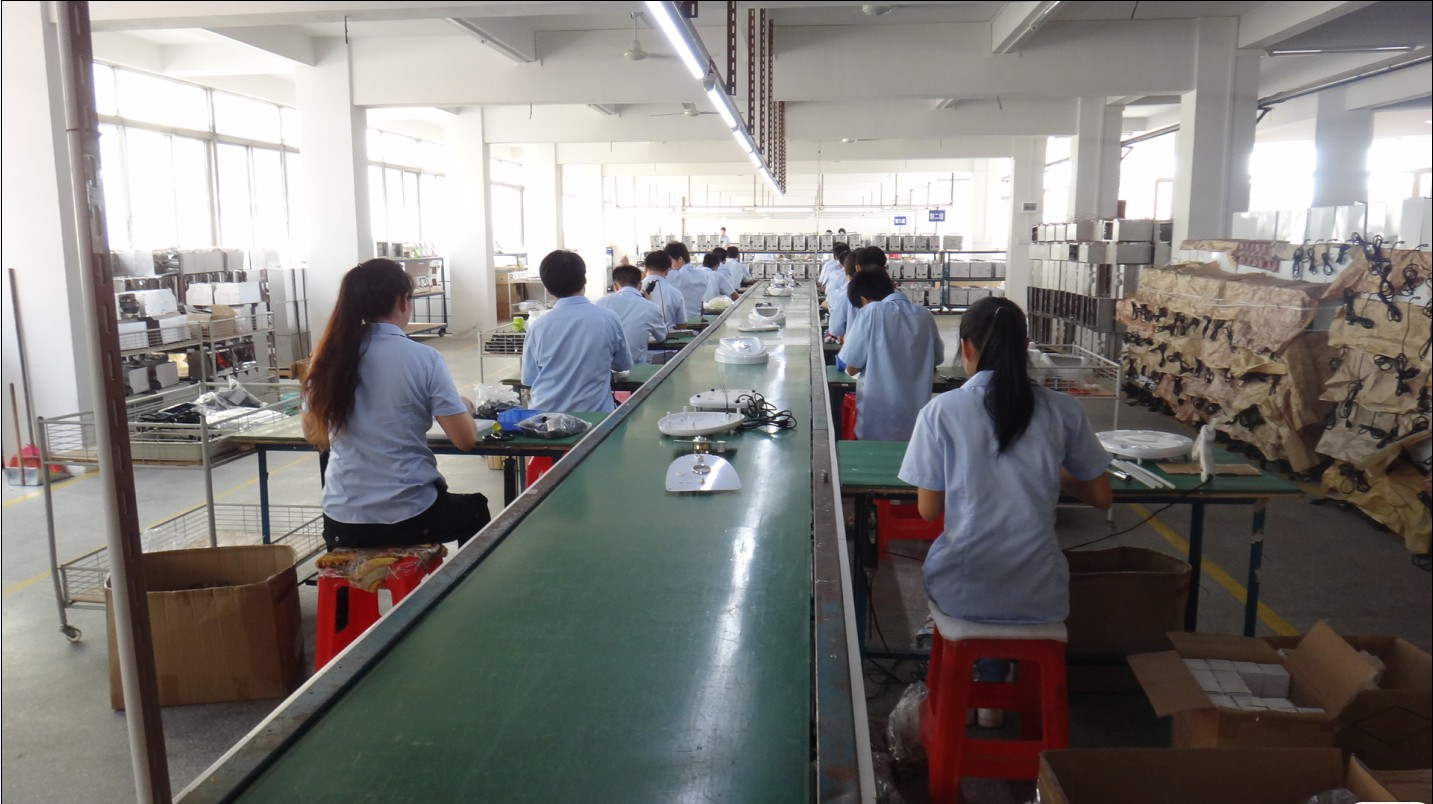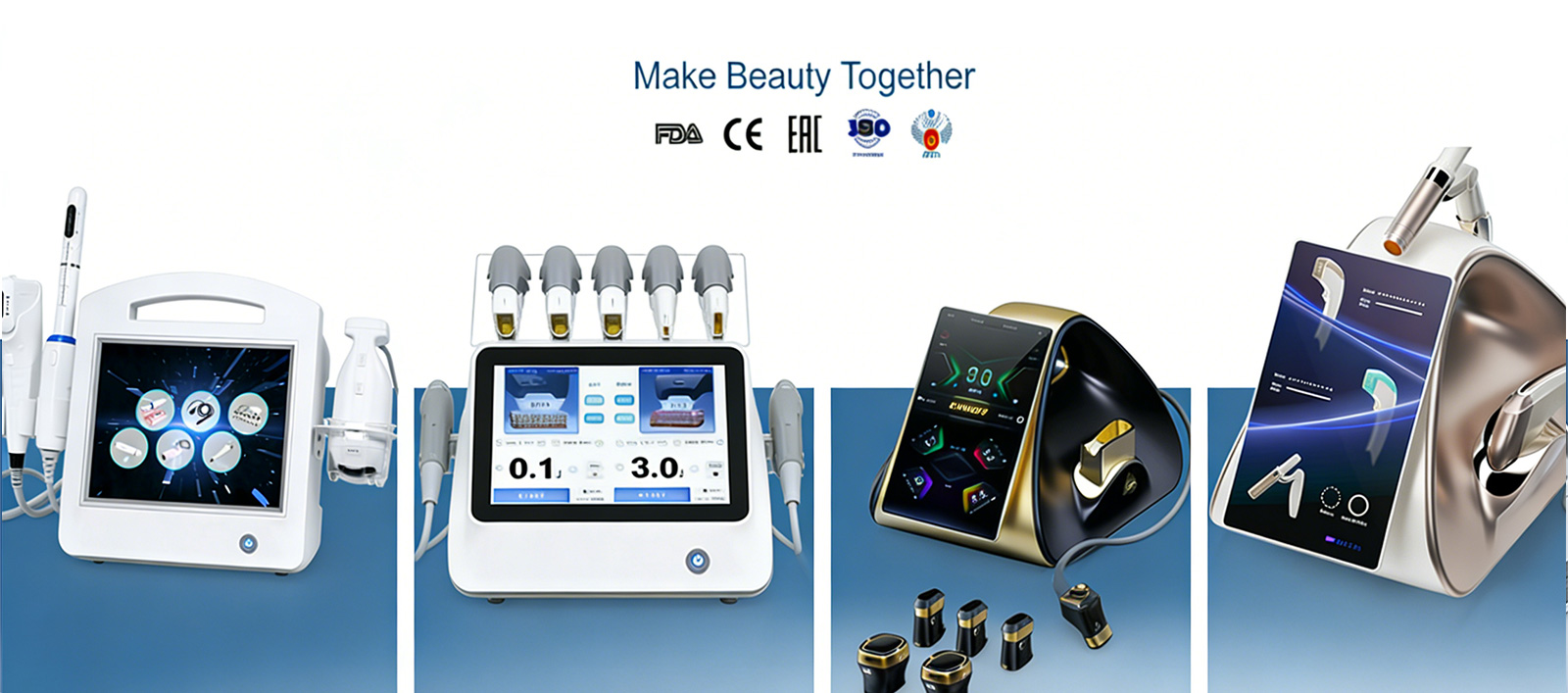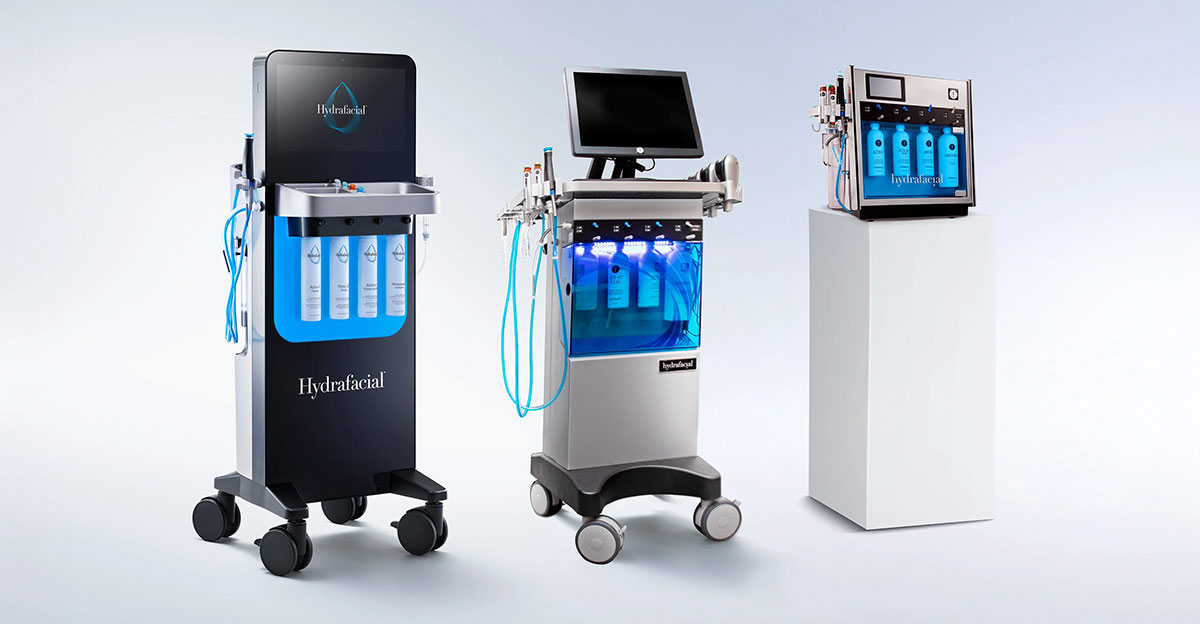


Un laser clinico macchina per la depilazione in genere costa tra $3,000 E $100,000 o più.
Un laser a diodi professionale prodotto direttamente in fabbrica spesso costa circa $3,000–$ 15.000. I sistemi forniti tramite distributori locali potrebbero comportare dei costi $15,000–$40.000, mentre l'Alessandrite premium, Le piattaforme Nd e a doppia lunghezza d’onda possono costare $25,000–$100.000+.
Le macchine di base elencate in fabbrica possono iniziare di seguito $3,000, ma il prezzo pubblicizzato potrebbe non includere la spedizione, tasse, formazione, installazione, pezzi di ricambio o supporto tecnico locale. Gli attuali elenchi pubblici mostrano sistemi di diodi professionali su diversi livelli di prezzo, mentre le piattaforme cliniche premium possono arrivare ben al di sopra $25,000.
Quando i titolari delle cliniche mi chiedono quanto costa un macchinario per la depilazione laser professionale, Consiglio di guardare oltre il prezzo di acquisto.
La domanda più utile è:
Quanto costerà l'acquisto della macchina?, installare, operare e mantenere nei prossimi cinque anni?
Ciò ti offre una base molto più realistica per confrontare i fornitori.
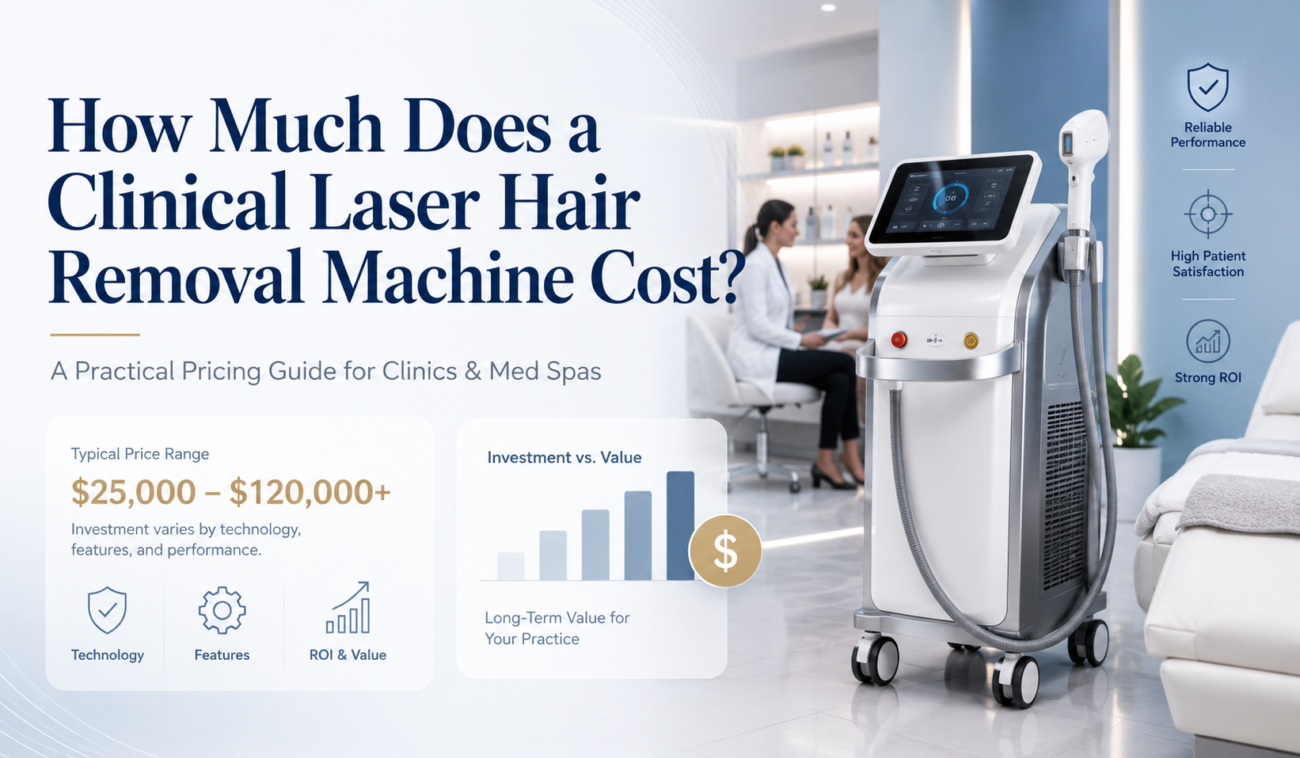
Prezzi delle macchine per la depilazione laser clinica in breve
| Tipo di attrezzatura | Fascia di prezzo tipica | Ideale per |
|---|---|---|
| Macchina entry-level diretta in fabbrica | $1,000–$ 3.000 | Piccoli saloni e test di prodotto |
| Laser a diodi professionale | $3,000–$ 15.000 | Cliniche indipendenti e centri termali |
| Sistema supportato dal distributore | $15,000–$40.000 | Cliniche che necessitano di un servizio locale |
| Sistema Premium ad Alessandrite o Nd | $25,000–$100.000+ | Cliniche e studi dermatologici ad alto volume |
Si tratta di intervalli di mercato stimati piuttosto che di quotazioni fisse. Il prezzo finale dipende dalla lunghezza d'onda, energia, sistema di raffreddamento, manipolo, marca, documentazione e pacchetto post-vendita.
Ciò che influenza il prezzo di una macchina per la depilazione laser?
Nella mia esperienza, cinque fattori spiegano la maggior parte della differenza di prezzo tra le macchine.
1. Tecnologia laser
Il tipo di tecnologia ha il maggiore impatto sul prezzo.
È possibile utilizzare attrezzature professionali per la depilazione:
- IPL
- Laser a diodi
- Laser ad alessandrite
- Laser Nd
- Doppie piattaforme di Alessandrite e Nd
L'IPL utilizza luce ad ampio spettro e tecnicamente non è un laser. Diodo, Le macchine ad Alessandrite e Nd utilizzano lunghezze d'onda più specifiche e diversi sistemi di erogazione dell'energia.
Queste tecnologie sono adatte anche a diverse caratteristiche della pelle e dei capelli. I riferimenti clinici identificano comunemente l'Alessandrite in 755 nm, diodo a circa 810 nm e Nd a 1064 nm come le principali tecnologie laser utilizzate per la depilazione.
2. Configurazione della lunghezza d'onda
Le macchine a diodi di base possono utilizzare una singola lunghezza d'onda intorno 808 O 810 nm.
Altri sistemi combinano lunghezze d'onda come:
- 755 nm
- 808 O 810 nm
- 940 nm
- 1064 nm
I sistemi a diodi a lunghezza d'onda multipla possono aiutare le cliniche a servire una gamma più ampia di clienti, ma più etichette di lunghezza d'onda non significano automaticamente prestazioni migliori.
I also would not describe a three-wavelength diode handpiece as identical to a true Alexandrite and Nd laser platform. The internal technology is different, even when similar wavelength numbers appear in the marketing materials.
3. Power and Treatment Speed
Machines designed for high-volume clinics generally cost more because they need to support:
- Faster repetition rates
- Larger treatment areas
- Longer operating periods
- More appointments per day
- Consistent output during continuous use
Tuttavia, advertised wattage can be misleading.
A supplier may be referring to electrical input power, power-supply capacity, diode-stack rating or optical output. I always ask how the quoted power was measured.
4. Sistema di raffreddamento
Cooling affects treatment comfort, skin protection and the amount of time a machine can operate continuously.
Professional systems may combine:
- Raffreddamento ad acqua
- Raffreddamento ad aria
- Semiconductor cooling
- Sapphire contact cooling
- TEC cooling
A stronger cooling system normally requires better pumps, radiators, sensors and power components, which increases the machine price.
5. Brand and After-Sales Support
A factory-direct machine and a distributor-supported machine may use similar technology but have very different prices.
A local distributor’s price may include:
- Importation
- Installation
- Operator training
- Local warranty service
- Preventive maintenance
- Engineer visits
- Replacement equipment
- Finanziamento
- Regulatory support
The higher price is not always simply a brand premium. Part of it may pay for faster service and reduced clinic downtime.
Laser Hair Removal Machine Cost by Technology
IPL Machine Cost
Typical price: $1,000–$10.000
IPL machines are generally the most affordable professional hair-reduction systems.
They use broad-spectrum light rather than a single laser wavelength. Depending on the filters and intended use, one IPL platform may also support selected skin-rejuvenation applications.
Vantaggi
- Lower initial investment
- Large treatment window
- Multiple possible applications
- Widely available from manufacturers
Limitations
- IPL is not a true laser
- Lamp quality varies
- Lamps may require replacement
- Results depend heavily on correct client and parameter selection
I would consider IPL for a salon that needs an affordable multifunction platform. I would not compare it directly with a clinical diode or Alexandrite laser based only on price.
Diode Laser Machine Cost
Typical price: $3,000–$15,000 factory-direct
Diode laser is one of the most common choices for professional hair-removal businesses.
Standard systems may use an 808 O 810 lunghezza d'onda nm, while multi-wavelength machines may combine several diode wavelengths in one handpiece.
What Increases the Price?
- Higher-quality diode stacks
- Multiple wavelengths
- Higher verified output
- Larger treatment spot
- Faster repetition rate
- Stronger cooling
- Lighter handpiece
- Interchangeable treatment tips
- Better technical documentation
- Longer warranty and local service
For many independent clinics, I see diode laser as the most practical balance between purchase cost, treatment speed and client coverage.
Alexandrite Laser Machine Cost
Typical price: $20,000–$80,000+
Alexandrite systems generally operate at 755 nm and are commonly used for pigmented hair on lighter skin types. Clinical literature associates 755 nm Alexandrite systems particularly with Fitzpatrick skin types I–III.
True Alexandrite machines use a different laser architecture from diode machines that include a wavelength marketed around 755 nm.
Their higher cost may reflect:
- Solid-state laser components
- Advanced optical systems
- Calibration requirements
- Faster treatment speed
- Clinical training
- Local servicing
- Brand reputation
Alexandrite may suit a clinic with the right client demographics and enough treatment volume to justify the investment.
Nd Laser Machine Cost
Typical price: $20,000–$100.000+
Professional Nd hair-removal systems commonly use a 1064 lunghezza d'onda nm.
This longer wavelength has lower melanin absorption and deeper penetration, making it especially relevant when treating darker skin types. Clinical sources describe long-pulsed Nd systems as applicable across darker Fitzpatrick skin types when used appropriately.
Premium platforms may combine true Alexandrite and Nd lasers in one machine. These systems usually sit at the higher end of the market because they provide broader treatment flexibility and require more complex engineering.
Hidden Costs to Include in Your Budget
The invoice price is only one part of the investment.
Spedizione, Taxes and Import Fees
For a factory-direct machine, you may also need to pay for:
- International freight
- Shipping insurance
- Dazio all'importazione
- VAT or sales tax
- Sdoganamento
- Delivery to your clinic
Always ask whether the supplier’s quotation is an ex-factory price, FOB price, CIF price or delivered price.
Formazione
Training may cover:
- Machine operation
- Client consultation
- Skin-type assessment
- Parameter selection
- Patch testing
- Contraindications
- Cleaning and maintenance
- Laser safety
A recorded video is helpful, but it may not replace supervised practical training.
Maintenance and Repairs
Regular maintenance may involve:
- Cleaning the treatment window
- Replacing filters
- Checking cooling water
- Inspecting hoses and pumps
- Checking energy output
- Replacing seals or power components
- Updating software
Before buying, I ask for the price of common spare parts and the average technical response time.
Handpiece Replacement
The handpiece can be one of the most expensive replacement components.
Ask the supplier:
- What is the expected handpiece life?
- How is its lifespan tested?
- What does a replacement cost?
- Can the handpiece be repaired?
- Is calibration required after replacement?
- How long will replacement handpieces remain available?
Tempi di inattività
Downtime can cost more than a repair.
When a machine is unavailable, the clinic may lose appointment revenue, staff time and client confidence.
A more expensive machine with reliable local service may therefore have a lower total ownership cost than a cheaper machine with slow international support.
How to Estimate the Return on Investment
I recommend calculating break-even using contribution per treatment rather than total treatment revenue.
Basic Formula
Break-even treatments = Total initial investment ÷ Contribution per treatment
Contribution per treatment means:
Treatment revenue − direct treatment costs
Direct costs may include:
- Operator labour
- Payment-processing fees
- Materiali di consumo
- Marketing cost
- Maintenance reserve
- Finance cost
Simple Example
Assume the following:
| Item | Amount |
| Macchina, shipping and setup | $10,000 |
| Average collected treatment revenue | $180 |
| Direct cost per treatment | $55 |
| Contribution per treatment | $125 |
The estimated break-even point is:
$10,000 ÷ $125 = 80 trattamenti
This does not mean every treatment after the 80th appointment becomes pure profit. The clinic still has rent, salaries, tasse, insurance and other operating expenses.
I would be cautious of any supplier guaranteeing a six-month payback without reviewing the clinic’s actual treatment price and booking volume.
Which Machine Is Right for Your Business?
Small Salon or New Business
A professional factory-direct diode system may provide the most manageable entry price.
Focus on:
- Stable cooling
- Clear warranty terms
- Affordable replacement handpiece
- Remote training
- Available spare parts
Independent Clinic or Medical Spa
A stronger diode system or distributor-supported platform may be more appropriate when the machine will be used every day.
Pay particular attention to treatment speed, technical response time and downtime protection.
Dermatology or High-Volume Clinic
A premium Alexandrite, Nd or dual-wavelength platform may be worth considering when the clinic serves a broad client base and has sufficient booking volume.
Private-Label Equipment Brand
A factory-direct OEM or ODM manufacturer may provide:
- Custom logo
- Colore della macchina
- Startup screen
- Interface language
- Confezione
- User manual
- Exclusive exterior design
The buyer must still verify the legal manufacturer, technical documentation and regulatory requirements for the destination market.
What to Check Before Buying
Before approving a machine, I would confirm:
- Exact laser technology and wavelength
- Measured output rather than marketing wattage
- Spot size and repetition rate
- Cooling configuration
- Handpiece lifespan and replacement cost
- Sample and production component consistency
- Written warranty coverage
- Training and technical support
- Spare-parts availability
- Documentation for the exact model
- Total landed cost
- Local rules for operating laser equipment
For the US market, FDA establishment registration or device listing does not by itself mean that a machine is FDA cleared or approved. Buyers should verify the exact device and applicable 510(k) information through official FDA records.
UangelCare Laser Hair Removal Machine Pricing
UangelCare offers factory-direct diode laser hair removal machines and selected multifunction aesthetic systems.
Public product listings may begin below $1,000 for basic configurations, but that price should not be interpreted as the total clinic-ready cost. The final quotation may change according to:
- Wavelength configuration
- Handpiece power
- Dimensione del punto
- Sistema di raffreddamento
- Alloggiamento della macchina
- Interface language
- Logo and packaging
- Destination country
- Shipping method
- Required documentation
- Spare-parts package
UangelCare’s public shop currently lists an entry-level two-in-one diode and pico-laser configuration at $620. Buyers should request a model-specific quotation because product configuration, trasporto, support and market requirements can materially change the final cost.
When contacting a manufacturer, I recommend providing your destination country, expected daily treatment volume, preferred wavelengths and customization requirements. This makes it easier to compare a relevant configuration rather than receiving only the lowest advertised price.
Considerazioni finali
The price of a clinical laser macchina per la depilazione depends on much more than the technology printed on the product page.
A small salon, an independent medical spa and a high-volume dermatology clinic do not need the same equipment or support package.
Before buying, I would define:
- The clients I plan to treat
- Il volume di trattamento giornaliero previsto
- Le lunghezze d'onda di cui ho bisogno
- Il livello di formazione del mio staff
- La quantità di tempi di inattività che posso accettare
- I miei requisiti di conformità locali
- Il mio budget totale di proprietà
Confronterei quindi almeno tre preventivi utilizzando le stesse specifiche della macchina e categorie di costo.
La macchina con il miglior rapporto qualità-prezzo non è necessariamente la più economica o la più costosa. È la macchina in grado di fornire prestazioni adeguate, rimanere operativi e supportare il reale volume di trattamenti della clinica senza creare rischi inutili.