

Discover how much a clinical laser hair removal machine costs with price ranges features ROI tips and UangelCare solutions
Are you trying to figure out exactlyhow much does a clinical laser hair removal machine cost?
If you’re expanding your medspa or opening a new clinic, choosing the right laser equipment is one of the most critical investments you’ll ever make.
As an industry expert, I know firsthand that balancing top-tier technology with a healthy ROI can feel overwhelming. You might already know that prices can range anywhere from $600 for entry-level portables to well over $100,000 for premium systems… but what exactly are you paying for?
In questa guida, you’re going to get a complete, transparent breakdown of professional laser pricing.
We’ll cover the upfront sticker prices, the hidden maintenance fees, and the exact ROI formulas you need to make a smart, profitable decision for your business.
Let’s dive right in.
Understanding Clinical Laser Hair Removal Machines
If you are upgrading your medspa or clinic, you are undoubtedly asking: exactly how much does a clinical laser hair removal machine cost? It is the most common question I hear. Tuttavia, before we break down the financial investment, I always advise clinic owners to understand exactly what they are paying for.
Not every device on the market qualifies as professional-grade. To be considered true professional laser hair removal equipment, a machine must check three non-negotiable boxes:
- FDA Registration: Ensures the device meets stringent safety and efficacy standards.
- Stable Energy Output: Provides consistent, reliable power to destroy hair follicles without fluctuation.
- High-Volume Durability: Engineered with heavy-duty cooling systems to safely run back-to-back appointments all day without overheating.
Key Laser Technologies Decoded
When evaluating high-end clinical laser systems, the technology you choose dictates who you can safely treat. Wavelength is everything. Here is a breakdown of the core technologies:
- Alexandrite (755nm): Highly effective for lighter skin tones and finer hair types.
- Diodo (808nm): The versatile workhorse of the industry. It offers deep follicle penetration and is highly effective across the most common skin types.
- ND:YAG (1064nm): Bypasses the melanin in the epidermis, making it the absolute safest and most effective choice for darker skin tones.
- Multi-Functional Systems: Many modern FDA-cleared hair removal devices combine 755nm, 808nm, and 1064nm into a single handle. This allows you to treat a diverse demographic without buying multiple machines.
The Clinic Benefits
Upgrading to a clinical-grade system transforms your bottom line. The benefits go far beyond simply offering a new service:
- Permanent Hair Reduction: You deliver the clinical, lasting results that clients are willing to pay a premium for.
- Faster Treatment Times: Advanced spot sizes and rapid pulse rates let you treat large areas, like a full back or legs, in a fraction of the time.
- Soddisfazione del cliente: Pain-free, veloce, and effective treatments guarantee glowing reviews, word-of-mouth referrals, and heavy repeat business.
Factors Influencing the Cost of Clinical Laser Hair Removal Machines
When you ask, “how much does a clinical laser hair removal machine cost,” the answer isn’t a single number—it’s a range defined by what’s under the hood. Just like buying a car, the price tag shifts based on the engine power, safety features, and whether you’re buying direct or through a dealership.
Technology and Wavelength Options
The core technology is the biggest price driver. Single-wavelength models (usually 808nm) are your cost-effective workhorses, perfect for standard hair types. Tuttavia, if your clinic serves a diverse demographic, you needmulti-wavelength laser pricing to make sense for your ROI. Systems combining 755nm, 808nm, and 1064nm allow you to treat everything from fine hair on fair skin to coarse hair on darker skin tones safely. You pay more upfront for this versatility, but it opens the door to a wider client base.
Build Quality and Features
Are you looking for a compact unit or a powerhouse tower?
- Portable vs. Stationary: Portable units are fantastic for smaller rooms or mobile services and come with a lower entry price. Stationary units are built for high-volume clinics running back-to-back sessions all day.
- Cooling Systems: This is non-negotiable for client retention. Advanced contact cooling (like Sapphire cooling) drives up the manufacturing cost but ensures the treatment is painless.
- Pulse Rates: Higher repetition rates mean faster treatment times. Time is money in this business; a machine that clears a back in 10 minutes costs more than one that takes 30.
Brand and Manufacturing Origin
Here is where the market gets tricky. Big-name distributors often slap a massive markup on machines just for the logo. By sourcing from direct manufacturers like us at UangelCare, you eliminate those intermediaries. We provideprofessional laser hair removal equipment at factory-direct prices. Più, we offer OEM/ODM services, meaning you can customize the machine’s software and casing to fit your brand without the inflated distributor fees.
Certifications and Compliance
Safety certifications are not just stickers; they are your insurance policy.FDA-cleared hair removal devices and CE-certified machines undergo rigorous, expensive testing to ensure stable energy output and patient safety. While compliant machines have a higher initial cost compared to unregulated “grey market” devices, they protect your business from legal liabilities and shutdowns.
Scale and Configuration: A Quick Comparison
| Caratteristica | Entry-Level / Portatile | Premium / Multi-Handle System |
|---|---|---|
| Lunghezze d'onda | Single (808nm) | Triple (755nm/808nm/1064nm) |
| Raffreddamento | Basic Air/Water | Advanced TEC + Sapphire Contact |
| Potenza in uscita | 600W – 1200W | 1600W – 3000W+ |
| Ideale per | Startups, Low Volume | High-Volume Med Spas |
| Price Impact | $ | $$$ |
Choosing the right configuration depends entirely on your business model. If you are just starting, a high-quality portable diode laser might be the smart play. If you are scaling up, investing in a high-power, multi-wavelength system ensures you never have to turn a client away.
Quanto costa una macchina per la depilazione laser clinica: Price Breakdown
When sizing up your clinic hair removal system cost, the investment scales directly with the technology. Whether you are a solo esthetician or running a high-volume US medspa, here is exactly what you can expect to spend at every tier.
Portable Diode Laser for Clinics (Entry-Level)
- Price Range: $600–$3,000
- Ideale per: Small salons and startups looking for a low barrier to entry.
- The Tech: These are typically straightforward, basic 808nm models. They get the job done reliably without the hefty price tag.
Multi-Wavelength Laser Pricing (Mid-Range)
- Price Range: $3,000–$10,000
- Ideale per: Growing clinics that need versatility.
- The Tech: These step up to 755/808/1064nm combinations, giving you the power to safely and effectively treat diverse skin types.
High-End Clinical Laser Systems
- Price Range: $10,000–$130,000
- Ideale per: High-volume, premium dermatology centers.
- The Tech: Top-tier professional units packed with advanced integrated cooling for patient comfort, deep software analytics, and comprehensive bundled training.
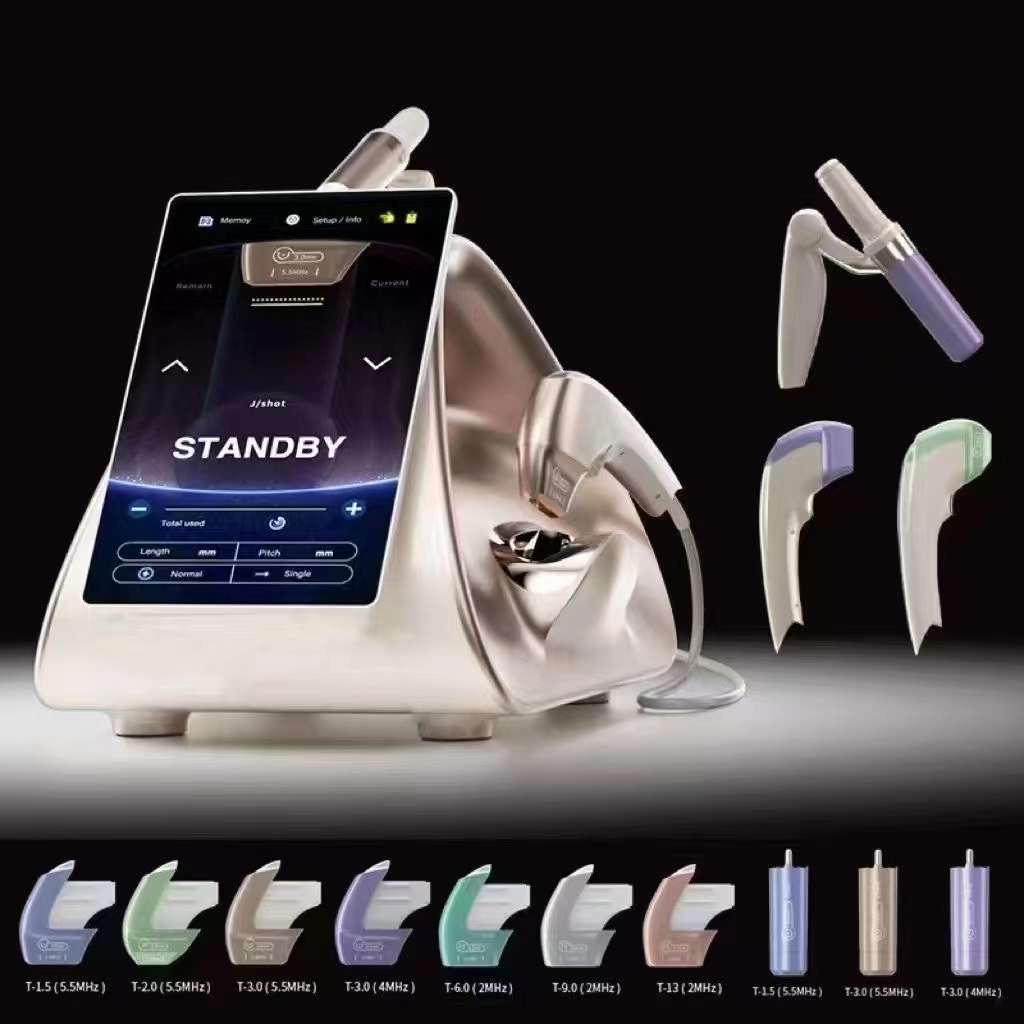
Our UangelCare Diode Laser Machine Price
We manufacture our machines directly. Eliminando gli intermediari, we deliver unbeatable stability, heavy-duty performance, and full customization for the US market at a fraction of standard retail costs.
- Portable 808nm Diode: Starts at$600. A durable workhorse for tight spaces.
- 2-in-1 Diode & Pico: $620–$1,700. Maximizes your floor space by combining professional hair reduction and tattoo removal.
- Premium SUPER 808: $6,585. Our flagship model engineered for rapid, continuo, high-volume clinic use.
Total Ownership Cost Laser Hair Removal
When figuring out exactly how much a clinical laser hair removal machine costs, the upfront price tag is only part of the story. To run a profitable clinic in the US, I always advise looking at the complete financial picture beyond the initial sticker price.
Hidden Expenses & Laser Machine Maintenance Fees
Shipping heavy professional aesthetic equipment, paying for on-site installation, and covering initial setup fees can quickly eat into your budget before you even treat your first client. Once the machine is operational, routine upkeep is simply the cost of doing business.
Here is a quick breakdown of what to expect to keep your clinic running smoothly:
| Cost Category | Typical Expenses |
|---|---|
| Initial Setup | Freight shipping, facility installation, and necessary electrical upgrades |
| Annual Servicing | $500 A $3,000 for professional preventative maintenance |
| Consumables | Replacement laser bars, water filters, and safety gear |
| Variable Costs | Daily energy consumption and the direct cost per laser shot |
Tech Support & Staff Certification
Equipment downtime directly hurts your bottom line. Securing included operator certification and robust, ongoing technical assistance is crucial. Proper training ensures your team safely maximizes the machine’s capabilities, while solid tech support minimizes costly disruptions.
Salon Laser Machine Financing
You do not have to drain your working capital to get top-tier equipment. Taking advantage of financing and leasing options allows you to spread the heavy investment into predictable monthly payments. This makes it much easier to run a break-even analysis for spa equipment, helping you calculate exactly how many client sessions you need each week to cover your overhead and start generating real profit.
Laser Hair Removal ROI Calculator
When figuring outhow much does a clinical laser hair removal machine cost, the real question is how fast the equipment pays for itself. Let’s break down the return on investment for your clinic.
Revenue Projections
- Average Treatment Fees: Nel mercato statunitense, individual sessions typically run between$200 E $800, depending on the body area being treated.
- Weekly Client Volume: A conservative baseline is booking10 A 20 sessions weekly. Even at the lower end of the pricing spectrum, your gross revenue builds quickly.
Break-Even Analysis for Spa Equipment
Knowing your exact timeline to profitability takes the guesswork out of your business plan. Use this simple formula to find your target number of treatments:
Break-Even Point = Machine Cost / (Average Fee per Treatment – Variable Costs)
Because we design our systems to keep consumable costs low, most of our clinic partners hit their break-even point in just6 A 12 mesi.
Profitability Enhancers
To speed up your ROI and maximize profit margins, we recommend these strategies:
- Package Bundling: Sell six-session packages upfront instead of one-off treatments to secure guaranteed cash flow.
- Diverse Marketing: Use a multi-wavelength system to safely treat all skin types, expanding your local customer base.
- Service Expansion: Leverage multi-functional machines to add high-margin services like tattoo removal alongside hair reduction.
UangelCare Profitability Case Study
Let’s run a realistic, conservative projection using a standard UangelCare machine setup.
- Annual Volume: 200 trattamenti
- Average Session Fee: $300
- Projected Gross Revenue: $60,000
Because you are buying direct from us without heavy middleman markups or excessive maintenance fees, your variable cost per shot is negligible. You cover your initial investment rapidly, turning those ongoing treatments into pure profit year after year.
How to Choose the Right Professional Laser Hair Removal Equipment
Before figuring out exactly how much a clinical laser hair removal machine costs for your business, you need to know what you are actually shopping for. Picking the wrong setup can eat into your profits fast.
Assess Your Needs
Look at your daily operations. You need to consider:
- Clinic Size: High-volume spas need heavy-duty, stationary multi-wavelength systems.
- Clientele: If your local market has diverse skin tones, you need Nd:YAG or hybrid capabilities.
- Budget: If cash flow is tight, a reliable portable diode laser for clinics is a great starting point.
IPL vs Diode Laser Comparison
Here is a quick breakdown to help you match the technology to your business model.
| Tecnologia | Pro | Contro | Estimated Price Range | Ideale per |
|---|---|---|---|---|
| Diode Laser (808nm) | Deep penetration, fast treatment times, excellent for most skin types. | Higher initial investment than IPL. | $600 – $10,000+ | Standard clinic use, reliable permanent reduction. |
| IPL (Intense Pulsed Light) | Lower upfront cost, treats large areas quickly. | Not a true laser, struggles with very light hair or dark skin. | $1,000 – $5,000 | Smaller salons, clients with fair skin and dark hair. |
| Hybrid (Multi-Wavelength) | Ultimate versatility (combines 755nm, 808nm, 1064nm). | Typically the most expensive upfront option. | $3,000 – $130,000+ | Diverse demographics, premium med spas. |
Vendor Evaluation
Don’t just buy a machine; buy into a solid partnership. Always look for a solid warranty—ideally 2 A 5 years—and check real customer reviews. Presso UangelCare, we design our equipment to keep your business running smoothly. We skip the middlemen to keep your costs down, and we provide end-to-end support so you never have to worry about extended downtime.
Common Pitfalls to Avoid
- Overbuying Features: Don’t shell out thousands for extra handles or tattoo removal functions if your core business is just hair removal.
- Skimping on Quality: Buying the absolute cheapest off-brand unit usually backfires. It leads to massive laser machine maintenance fees, frequent repairs, and unhappy clients who don’t see results. Stick to stable, clinical-grade equipment.