

What Is Diamond Microdermabrasion?
Diamond microdermabrasion is a non-invasive skin exfoliation treatment that uses a wand with a diamond-coated tip to mechanically remove the outermost layer of dead skin cells. The procedure promotes cell turnover, improves skin texture, and enhances the absorption of topical skincare products.
Unlike crystal-based microdermabrasion (which uses aluminum oxide or sodium bicarbonate particles sprayed onto the skin), diamond microdermabrasion uses abrasive diamond tips that are applied directly to the skin surface. This eliminates the risk of particle inhalation, creates less mess, and provides more precise control.
Quick facts:
- Treatment time: 20–40 minutes per session
- Sessions recommended: 4–8 for visible results, maintained quarterly
- Downtime: minimal to none
- Patient discomfort level: low to moderate
- Suitable for: all skin types (with appropriate tip selection)
How Diamond Tip Technology Works
The Mechanism
The diamond microdermabrasion wand combines two actions simultaneously:
- Abrasive exfoliation — Diamond particles on the tip physically polish and abrade the skin surface
- Vacuum suction — A built-in suction system lifts away dead skin cells, debris, and excess oil through the same handpiece
The wand is moved across the skin in a controlled pattern. The practitioner adjusts:
- Suction level (typically 0–80 kPa depending on area and skin type)
- Diamond tip grade (coarse to fine depending on treatment depth needed)
- Pass frequency (number of passes over each area)
Diamond Tip Grades
| Tip Grade | Abrasiveness | Best For |
|---|---|---|
| Extra Coarse (60–100 mesh) | Very aggressive | Deep scarring, thick skin, coarse acne scars |
| Coarse (100–150 mesh) | Aggressive | Deep wrinkles, severe hyperpigmentation |
| Medium (150–200 mesh) | Moderate | Standard exfoliation, photo-damaged skin |
| Fine (200–250 mesh) | Gentle | Sensitive skin, maintenance, thin skin |
| Extra Fine (250+ mesh) | Very gentle | Eyelid area, post-procedure, rosacea-prone skin |
Most clinics stock 3–4 grades for different face zones and skin conditions.
Diamond vs. Crystal Microdermabrasion
| Feature | Diamond Microdermabrasion | Crystal Microdermabrasion |
|---|---|---|
| Exfoliation medium | Diamond-coated tip | Aluminum oxide crystals |
| Precision | High — controlled by tip size | Moderate — particles scatter |
| Mess | Minimal | Moderate — crystals scatter |
| Inhalation risk | None | Present (aluminum oxide concern) |
| Treatment depth control | Precise (tip grade selection) | Less precise (pressure + crystal flow) |
| Equipment cost | Moderate to high | Low to moderate |
| Maintenance | Tip replacement only | Crystal reservoir refills + machine cleaning |
| Best for | All areas including around eyes/lips | General body exfoliation |
Diamond microdermabrasion has largely replaced crystal systems in professional settings due to superior safety, precision, and ease of use.
Treatment Benefits and Indications
Primary Benefits
- Exfoliation — Removes 2–5 layers of dead skin cells per session
- Improved texture — Smooths rough, uneven skin surface
- Hyperpigmentation reduction — Accelerates fading of age spots and sun damage
- Pore appearance reduction — Deep cleans and minimizes congested pores
- Enhanced product penetration — Skincare products absorb 50–80% better post-treatment
- Stimulates collagen — Mild trauma triggers skin’s natural repair response
- Immediate glow — Patients see visible radiance after a single session
Clinical Indications
| Condition | Effectiveness | Sessions Needed |
|---|---|---|
| Fine lines and wrinkles | Moderate | 6–10 |
| Mild acne scarring | Moderate | 6–12 |
| Enlarged pores | High | 4–8 |
| Hyperpigmentation/melasma | Moderate | 6–10 |
| Dull, congested skin | Very High | 3–6 |
| Sun damage | Moderate | 6–8 |
| Post-acne marks | Moderate | 5–8 |
| General skin rejuvenation | Very High | 4–6 |
Diamond microdermabrasion works best for maintenance and mild-to-moderate concerns. For severe scarring or deep wrinkles, combine with RF microneedling, laser, or chemical peels.
Key Machine Specifications to Evaluate
When purchasing a diamond microdermabrasion machine, evaluate these specs:
1. Vacuum Pressure Range
- Minimum: 0 kPa (for ultra-sensitive areas and thin skin)
- Maximum: 65–90 kPa (for body treatments and congested skin)
- Look for: Adjustable pressure in small increments (not just on/off)
Machines with limited pressure range (e.g., only 2 settings) cannot serve all skin types effectively.
2. Number of Diamond Tips Included
Quality machines include:
- 6–10 interchangeable diamond tips of varying grades
- Different tip sizes: large (face), medium (nose/around nose), small (eye contour)
Some machines include 1–2 tips and charge separately for additional grades.
3. Handpiece Quality
- Ergonomic grip — Comfortable for extended use (practitioner fatigue is real)
- Cord length — Minimum 1.5m for full-body reach without repositioning
- Hose integrity — Non-kinking, medical-grade tubing
- Wand balance — Well-balanced to reduce wrist strain
4. Filtration System
- HEPA filter — Traps 99.97% of particles down to 0.3 microns
- Easy filter access — Tool-free filter replacement preferred
- Indicator light — Warns when filter needs changing
5. Treatment Modes
- Standard mode — Continuous suction during treatment
- Pulsed mode — Intermittent suction for sensitive skin
- Smart mode — Some machines auto-adjust based on tip contact
6. Power and Portability
| Spec | Tabletop (entry) | Portable (mid-range) | Floor-standing (premium) |
|---|---|---|---|
| Weight | 2–5 kg | 5–10 kg | 15–30 kg |
| Dimensions | Compact | Medium | Large footprint |
| Display | Basic LED | Digital LCD | Touchscreen |
| Suction power | Moderate | Good | High |
| Price range | $500–$2,000 | $1,500–$5,000 | $4,000–$10,000 |
Treatment Protocols and Session Structure
Pre-Treatment Preparation
- Skin assessment — Evaluate skin type, conditions, and contraindications
- Cleanse — Remove makeup, sunscreen, and surface oils
- Tone — Mild toner to balance pH
- Protect — Apply barrier cream around eyes, lips, and any broken skin
Treatment Protocol (Standard Facial)
| Step | Duration | Action |
|---|---|---|
| 1. Double cleanse | 5 min | Oil-based cleanser → water-based cleanser |
| 2. Diamond microdermabrasion | 15–25 min | Select appropriate tips per zone |
| 3. High-frequency post-care | 5 min | Optional — reduce inflammation |
| 4. Serums application | 5 min | Hyaluronic acid, peptides, or vitamin C |
| 5. Mask | 10–15 min | Calming or brightening mask |
| 6. Moisturize + SPF | 3 min | Lock in hydration, sun protection |
| Total session | 45–55 min |
Diamond Tip Zoning Guide
| Face Zone | Recommended Tip | Pressure Setting |
|---|---|---|
| Forehead | Medium-Coarse | Medium-High |
| Cheeks | Fine-Medium | Medium |
| T-zone (nose/chin) | Medium-Coarse | Medium-High |
| Around eyes | Extra Fine | Low |
| Upper lip | Fine | Low-Medium |
| Neck | Fine | Low-Medium |
| Body (elbows, knees) | Coarse-Extra Coarse | High |
Post-Treatment Aftercare
Immediate (same day):
- No makeup for 4–6 hours
- Avoid sun exposure
- No exfoliating products (retinol, AHAs, BHA) for 48–72 hours
- Apply recommended post-treatment serum
Ongoing:
- Wear SPF 30+ daily
- Use gentle, non-abrasive cleanser
- Maintain hydration
- Rebook every 4–6 weeks for maintenance
Contraindications and Safety Considerations
Absolute Contraindications (Cannot Treat)
- Active acne cysts or pustules
- Uncontrolled diabetes
- Autoimmune skin conditions (lupus, pemphigus)
- Active eczema or psoriasis in treatment area
- Open wounds, cuts, or abrasions
- Active herpes simplex (cold sores)
- Undiagnosed skin lesions or suspicious moles
- Recent chemical peel (within 2–4 weeks)
- Isotretinoin (Accutane) use within 6 months
Relative Contraindications (Caution Required)
- Rosacea — Use only extra-fine tips at low suction; skip active inflammation
- Sensitive skin — Patch test an inconspicuous area first
- Melasma — Results variable; can sometimes trigger post-inflammatory hyperpigmentation
- Telangiectasia (broken capillaries) — Low suction only; skip directly over vessels
- Recent injectable treatments — Wait 2 weeks after filler/Botox before treating over those areas
Safety Best Practices
- Sanitize tips between every patient (autoclave or cold sterilization)
- Replace tips when diamond coating shows significant wear (typically 30–50 treatments per tip)
- Check suction function before each session — blocked suction can cause bruising
- Monitor skin response — Stop immediately if petechiae (small red dots) appear
- Document — Take before/after photos and note any adverse reactions
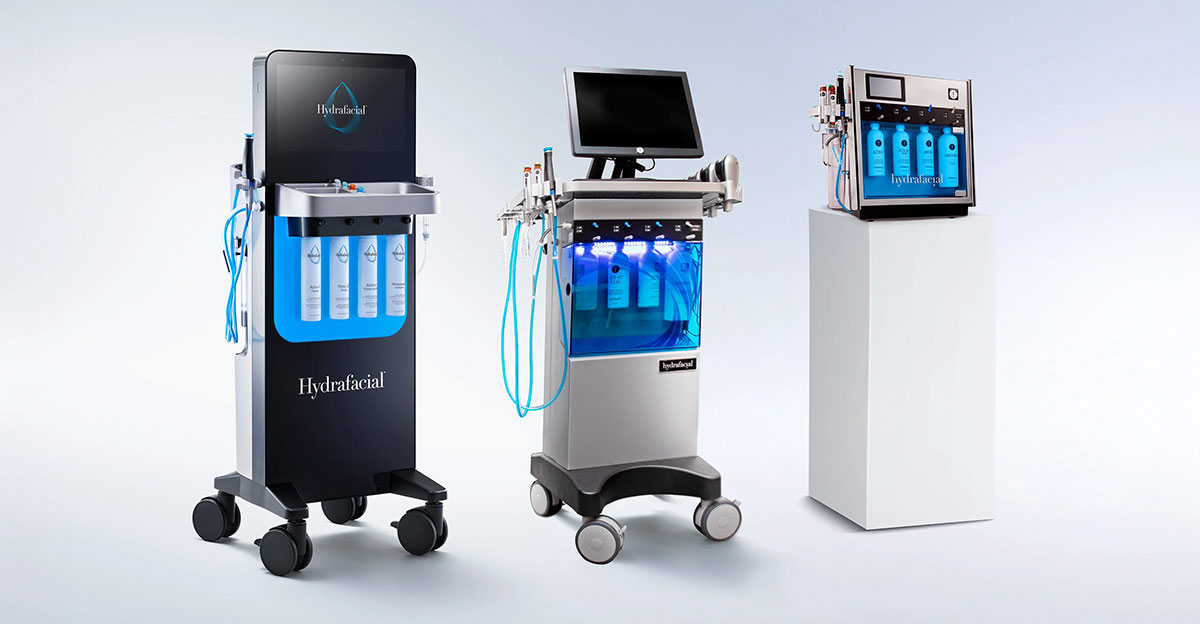
Diamond Microdermabrasion vs. Hydrofacial: Which to Choose?
Both are non-invasive exfoliation treatments. Here’s how they differ:
| Factor | Diamond Microdermabrasion | Hydrofacial (HydraDermabrasion) |
|---|---|---|
| Exfoliation method | Mechanical (diamond tip) | Mechanical + hydradermabrasion (saline vortex) |
| Hydration component | None (can apply serums post) | Built-in infusion of serums during treatment |
| Extraction component | Manual + suction | Automated vortex extraction |
| Treatment depth | Controlled (tip grade) | Moderate, consistent |
| Serum infusion | Post-treatment only | Simultaneous during treatment |
| Treatment time | 20–40 min | 30–60 min |
| Downtime | Minimal | None |
| Price point (clinic) | $80–$200/session | $150–$350/session |
| Best for | Texture, scars, sun damage | Hydration, congestion, radiance |
| Patient experience | Mild scratching sensation | Cooling, suction sensation |
Recommendation:
- Diamond microdermabrasion is better for texture-focused patients (scarring, pigmentation, rough skin)
- Hydrofacial is better for hydration-focused patients and those with congested, acne-prone skin
- Best approach: Offer both — diamond microdermabrasion as a standalone treatment; Hydrofacial as the premium bundled experience
Top Diamond Microdermabrasion Machine Features to Look For
When comparing machines, prioritize these features:
1. Medical-Grade Vacuum Pump
Not all pumps are equal. Look for:
- Quiet operation — <60 dB preferred (reduces patient anxiety)
- Consistent pressure — No fluctuation during long sessions
- Durability — Pump lifespan of 2,000+ hours
2. Interchangeable Tip System
- Minimum 6 tips included (3 grades × 2 sizes)
- Magnetic or quick-swap connection (no threading)
- Tips made from stainless steel with diamond particle bonding
3. Digital Pressure Control
- Precise kPa readout (not just low/medium/high)
- Independent adjustment for each handpiece (some machines have 2)
- Memory function for preferred settings per patient
4. Dual Handpiece Capability
- Two handpieces allow one operator to work faster
- One operator + two handpieces = 30–40% time savings vs. single handpiece
5. Integrated LED Therapy (Bonus)
Some premium machines combine:
- Red LED (wound healing, anti-inflammatory)
- Blue LED (bacterial reduction for acne-prone skin)
- Yellow LED (lymphatic drainage, post-inflammatory care)
6. Warranty and Support
- Minimum 1-year warranty on all components
- Easy access to consumables (tips, filters, tubing)
- Technical support available in your region
- Software/firmware updates for touchscreen models
FAQ: Diamond Microdermabrasion Machine
How often should you perform diamond microdermabrasion treatments?
For optimal results, treatments every 4–6 weeks are recommended. This aligns with the skin’s natural cell turnover cycle of approximately 28 days (longer as skin ages). More frequent treatment can compromise the skin barrier.
What is the difference between microdermabrasion and dermabrasion?
Standard microdermabrasion (including diamond tip) is a light exfoliation treatment done in-clinic with no anesthesia. Dermabrasion is a deep surgical procedure performed by dermatologists or plastic surgeons under anesthesia, using a high-speed rotating brush to resurface deeper skin layers. Dermabrasion requires weeks of downtime and is used for severe scarring and deep wrinkles.
Can diamond microdermabrasion help with acne scars?
Diamond microdermabrasion can improve mild acne scarring (superficial depressions and post-acne marks) over a series of 6–12 treatments. It is not effective for deep boxcar or ice pick scars, which require RF microneedling, laser resurfacing, or filler.
How long do diamond microdermabrasion results last?
Results from a single session last approximately 3–4 weeks before the skin fully returns to baseline. A course of 4–8 treatments produces cumulative improvements that last longer. For sustained results, maintenance sessions every 2–3 months are recommended after the initial course.
Does diamond microdermabrasion hurt?
Most patients describe the sensation as a mild scratching or sandpaper-like feeling — uncomfortable but not painful. The face may feel slightly tight and warm immediately after treatment. Extra-fine tips and lower suction settings can be used for sensitive patients.
How many treatments are needed to see results?
Most patients see immediate results after the first session — smoother texture and a healthy glow. However, cumulative improvements in pigmentation, scarring, and fine lines typically require 4–8 sessions. Serious scarring or significant sun damage may need 10+ sessions.
Can diamond microdermabrasion be combined with other treatments?
Yes. Common combination protocols:
- Diamond microdermabrasion + chemical peel: Exfoliation enhances peel penetration (wait 1–2 weeks between)
- Diamond microdermabrasion + LED therapy: Post-treatment LED accelerates healing and reduces redness
- Diamond microdermabrasion + mesotherapy: Microdermabrasion before serum infusion boosts product absorption by 50–80%
Always sequence from least to most invasive in a single session, and allow 2+ weeks before combining with laser treatments.
Internal Product Links
- Diamond Dermabrasion / Facial Machines — Professional-grade diamond microdermabrasion systems for spas and clinics
- HydraDermabrasion Machines — Combination hydro-exfoliation systems with serum infusion
- Multi-Function Aesthetic Machines — Bundled platforms combining microdermabrasion with additional treatment modalities
Written for: UangelCare — Aesthetic Equipment Manufacturer | B2B Medical Aesthetic Solutions