

Cryolipolysis Machine Buying Guide: What Clinic Owners Must Know in 2026
When it comes to non-invasive fat reduction, cryolipolysis has become one of the most requested treatments in aesthetic clinics worldwide. The technology behind fat freezing machines is clinically validated, FDA-cleared, and delivers predictable results for suitable candidates. But for clinic owners and B2B buyers, choosing the right cryolipolysis machine involves more than comparing price tags.
This guide covers everything you need to know before investing in a cryolipolysis system: technology fundamentals, key specifications, treatment protocols, cost considerations, and supplier selection criteria. Whether you operate a med spa, aesthetic clinic, or distribute beauty equipment, this buying guide will help you make an informed decision.
What Is Cryolipolysis and How Does It Work?
Cryolipolysis is a non-invasive fat reduction technology that uses precisely controlled cooling to crystallize and eliminate fat cells through apoptosis. The genius lies in leveraging a biological vulnerability: fat cells are more sensitive to cold than surrounding tissue. When cooled to specific temperatures (typically -10°C to -15°C), fat cells undergo programmed cell death while skin, muscle, and nerves remain unharmed.
The body then naturally processes and eliminates these crystallized fat cells over 8–12 weeks through the lymphatic system. The result is permanent fat reduction in treated areas—typically 20–25% reduction in fat layer thickness after a single treatment session.
Key technical principle: Controlled cooling targets adipose tissue at specific depths without damaging the epidermis or surrounding structures. Vacuum-assisted applicators draw tissue into the cooling chamber, ensuring consistent temperature exposure throughout the treatment zone.
Why Clinics Are Investing in Cryolipolysis Machines
The demand for non-surgical body contouring continues to grow. According to the American Society for Dermatologic Surgery (ASDS), cryolipolysis treatments increased by over 500% between 2010 and 2020, making it one of the fastest-growing aesthetic procedures globally.
Clinical advantages that drive patient demand:
- Non-invasive: No needles, no incisions, no anesthesia required
- No downtime: Patients resume normal activities immediately after treatment
- Predictable results: Clinical studies consistently show 20–25% fat reduction per session
- Permanent effect: Eliminated fat cells do not regenerate
- Comfortable experience: Patients typically feel intense cold followed by numbness, not pain
Business advantages for clinic owners:
- High patient satisfaction: Visible results drive referrals and repeat bookings
- Efficient workflow: “Set-and-forget” treatment allows staff to multitask during 35–60 minute sessions
- Multiple treatment areas: Same device can treat abdomen, flanks, thighs, arms, chin, and back
- Revenue potential: Each treatment session generates significant revenue with minimal consumable costs
Key Specifications to Evaluate When Buying a Cryolipolysis Machine
Not all cryolipolysis machines are equal. When comparing options, focus on these technical parameters:
Cooling Temperature Range
The effectiveness of fat freezing depends on reaching and maintaining optimal temperatures. Look for systems that offer:
- Temperature range: -10°C to +45°C provides treatment flexibility
- Precision control: Digital temperature monitoring ensures consistent cooling
- Adjustable settings: Different body areas may require different temperature protocols
Professional-grade systems like the 360 CRYO 5 offer adjustable cooling from -10°C to +45°C, allowing practitioners to customize protocols for different patient tolerances and treatment areas.
Applicator Configuration
The number and type of applicators directly impact your clinic’s efficiency and treatment versatility:
| Applicator Type | Best For | Treatment Area Size |
|---|---|---|
| Large contour applicator | Abdomen, back, thighs | Maximum coverage for larger zones |
| Medium curved applicator | Flanks, love handles, outer thighs | Ergonomic design follows body contours |
| Small precision applicator | Inner thighs, arms, bra line | Targeted treatment for moderate areas |
| Mini chin applicator | Submental fat, jawline definition | Precise cooling for delicate facial zones |
| Knee/elbow applicator | Bony prominences, smaller joint areas | Compact design for challenging areas |
Multi-applicator systems (such as 3-applicator or 5-applicator configurations) enable:
- Simultaneous treatments on multiple patients or areas
- Reduced patient wait times
- Higher daily treatment capacity
- Better ROI per treatment room
Vacuum Pressure System
Vacuum-assisted tissue draw ensures optimal contact between the applicator and the treatment area. Key parameters:
- Adjustable negative pressure: 0–80Kpa range allows customization for different tissue densities
- Consistent suction: Ensures uniform cooling penetration across the treatment zone
- Patient comfort: Adjustable pressure accommodates individual tolerance levels
Cooling Technology: 360° vs. Traditional Flat Plate
Traditional flat-plate cooling applies cold from one surface only, potentially creating uneven temperature distribution.
360° cooling technology wraps the treatment area in circumferential cooling, ensuring:
- Uniform fat cell crystallization throughout the tissue
- More consistent results across the treatment zone
- Reduced treatment time for equivalent coverage
Integrated Multi-Technology Platforms
Modern cryolipolysis machines often combine complementary technologies for enhanced results:
Cavitation + Cryolipolysis:
- 40KHz ultrasonic waves disrupt fat cell membranes before freezing
- Mechanical fat disruption enhances thermal action
- Accelerates results through combined modality approach
Radiofrequency (RF) + Cryolipolysis:
- Deep tissue heating stimulates collagen contraction
- Tightens skin following fat reduction
- Prevents loose skin appearance after volume loss
- 5MHz multi-polar RF is common in integrated systems
Lipolaser + Cryolipolysis:
- 650nm low-level laser energy creates temporary fat cell permeability
- Allows emulsified fat to drain more efficiently
- Non-thermal photochemical action for patient comfort
Combined HI-EMT + Cryolipolysis:
- Systems like the 360 Cryo + EMSlim integrate fat freezing with electromagnetic muscle stimulation
- Simultaneously reduce fat while building muscle definition
- Comprehensive body transformation from one platform
- HI-EMT output up to 7 Tesla for deep muscle penetration
Treatment Protocols and Clinical Workflow
Understanding treatment protocols helps you estimate capacity and revenue potential:
Standard Treatment Parameters
| Parameter | Typical Range |
|---|---|
| Session duration | 35–60 minutes per treatment area |
| Temperature setting | -10°C to -15°C (depending on patient tolerance) |
| Vacuum pressure | 50–80Kpa (adjustable) |
| Recommended sessions per patient | 1–3 sessions per area, spaced 8–12 weeks apart |
| Visible results timeline | 8–12 weeks post-treatment |
| Optimal results | 3–6 months after completing treatment course |
Patient Selection Criteria
Cryolipolysis is designed for spot reduction, not overall weight loss. Ideal candidates:
- Have localized fat deposits resistant to diet and exercise
- Are within 10–15 pounds of their ideal body weight
- Have good skin elasticity (for optimal contouring results)
- Are not pregnant or breastfeeding
- Have no cold-related conditions (cryoglobulinemia, paroxysmal cold hemoglobinuria)
Not suitable for: Obese patients seeking significant weight reduction, individuals with loose skin (may require skin tightening procedures), patients with cold intolerance disorders.
Clinic Workflow Efficiency
Multi-applicator systems maximize daily treatment capacity:
Example workflow with 5-applicator system:
- 9:00 AM: Patient A – abdomen (large applicator) + flanks (medium applicator) = 2 simultaneous treatments
- 10:00 AM: Patient B – bilateral thighs (2 medium applicators) + chin (mini applicator) = 3 simultaneous treatments
- 11:00 AM: Patient C – arms (2 small applicators) = simultaneous bilateral treatment
Daily capacity with efficient scheduling: 8–12 treatment cycles per day with a 5-applicator system, compared to 4–6 cycles with a single-applicator device.
Cryolipolysis Machine Cost: What to Expect
Pricing varies significantly based on configuration, technology integration, and supplier positioning:
Price Ranges by Configuration
| Configuration | Typical Price Range (USD) | Key Features |
|---|---|---|
| Single-applicator basic | $8,000–15,000 | Core fat freezing, limited versatility |
| 3-applicator professional | $15,000–25,000 | Multi-area treatment, moderate capacity |
| 5-applicator advanced | $25,000–40,000 | Full-body coverage, simultaneous treatments |
| Integrated multi-technology | $35,000–60,000 | Cryo + Cavitation + RF + Laser |
| Cryo + HI-EMT combo | $40,000–70,000 | Fat reduction + muscle building platform |
Factors affecting price:
- Number of applicators
- Integrated technologies (cavitation, RF, laser, HI-EMT)
- Brand positioning (OEM vs. branded)
- Regulatory certifications (FDA, CE, ISO)
- Warranty and after-sales support
- Training and marketing materials included
ROI Calculation for Clinic Owners
Revenue potential example:
| Metric | Estimate |
|---|---|
| Treatment price per session | $600–1,200 (varies by market and area) |
| Sessions per day (5-applicator system) | 8–12 |
| Operating days per month | 20–22 |
| Monthly revenue potential | $48,000–144,000 |
| Consumable costs per session | $10–30 (antifreeze membrane, wipes) |
| Staff time cost | $15–25 per session (35–60 min technician time) |
Break-even timeline: With a $35,000 investment and 10 sessions daily at $800 per session, break-even occurs in approximately 4–6 weeks of consistent operation.
Note: Actual results depend on patient volume, local pricing, marketing effectiveness, and operational efficiency. This calculation is for planning purposes only.
Supplier Selection: OEM vs. Branded Platforms
Choosing between OEM/ODM manufacturers and branded platforms affects your investment, flexibility, and positioning:
Branded Platforms (e.g., CoolSculpting by Allergan)
Advantages:
- Established brand recognition
- FDA-cleared with specific indications
- Extensive clinical evidence library
- Patient familiarity through marketing
Considerations:
- Higher capital investment
- Licensing or franchise requirements may apply
- Limited configurability
- Higher consumable costs
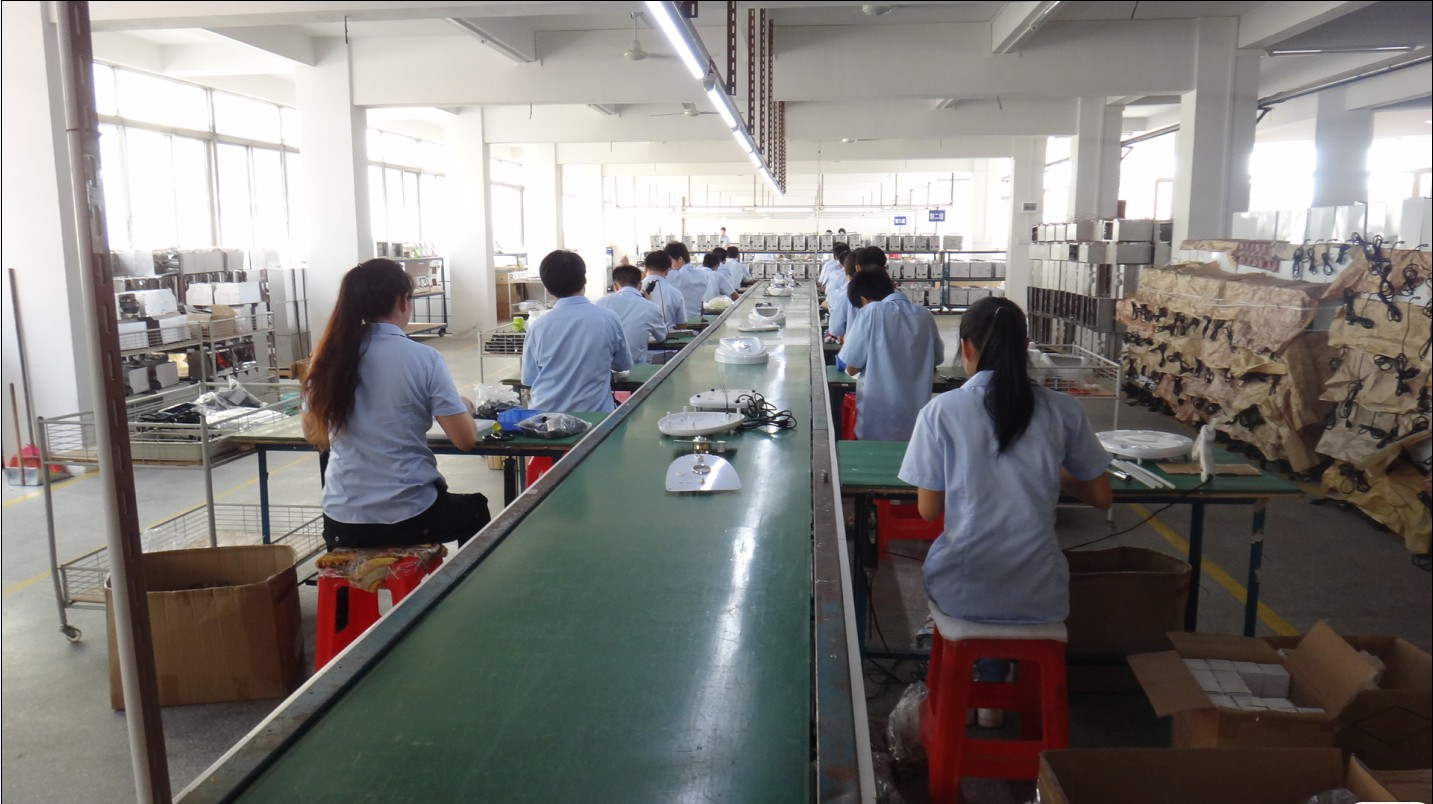
OEM/ODM Manufacturers (e.g., UangelCare and similar Chinese factories)
Advantages:
- Competitive factory-direct pricing
- Flexible configuration options (applicator count, technology integration)
- Private-label opportunities for distributors
- Direct technical support from manufacturer
- Customizable specifications for specific market needs
Considerations:
- Brand recognition depends on your marketing
- FDA/CE certification varies by manufacturer—verify documentation
- Clinical evidence may be less extensive than branded platforms
- Quality consistency requires supplier vetting
For B2B distributors and clinic chains, OEM/ODM sourcing offers significant advantages:
- Lower unit cost enables competitive pricing in your market
- Private-label arrangements build your brand equity
- Custom configurations differentiate your offering from competitors
- Direct factory relationship streamlines support and warranty claims
Certification and Regulatory Compliance
Before purchasing any cryolipolysis system, verify regulatory certifications:
Key Certifications to Request
| Certification | Why It Matters |
|---|---|
| FDA clearance (510(k)) | Required for marketing in the United States; indicates safety and efficacy review |
| CE marking | Required for European market; indicates conformity with EU medical device regulations |
| ISO 13485 | Quality management system certification for medical device manufacturers |
| NMPA registration | Required for Chinese domestic market; indicates compliance with Chinese medical device regulations |
Important: Certification status varies by manufacturer and device model. Request specific documentation for the exact model you are purchasing, not general company certifications.
Questions to Ask Your Supplier
- What specific FDA/CE clearances does this model hold?
- Are certifications valid in my target market?
- Is technical documentation (IFU, treatment protocols) provided?
- What warranty coverage is included?
- Is training provided for staff operation?
- What after-sales support is available in my region?
Cryolipolysis Machine Maintenance and Operational Considerations
Routine Maintenance
- Coolant system: Check and refill purified water or specialized coolant as needed
- Applicator cleaning: Follow manufacturer protocols for disinfection between patients
- Vacuum system inspection: Check seals and suction performance regularly
- Software updates: Keep firmware current for optimal performance
- Annual servicing: Schedule professional maintenance checks
Consumables and Supplies
- Antifreeze membranes: Required for skin protection during treatment
- Treatment wipes: Pre- and post-treatment skin preparation
- Coolant: Purified water or manufacturer-specific coolant
Budget for consumables: $10–30 per treatment session, depending on supplier and treatment area.
Where to Learn More and Next Steps
For clinic owners and distributors evaluating cryolipolysis investments:
- Explore UangelCare’s Cryolipolysis Machine category for professional-grade fat freezing systems with 360° cooling technology
- Compare multi-technology body contouring platforms that combine cryolipolysis with HI-EMT muscle stimulation
- Review slimming machine options including cavitation, RF, and laser-based fat reduction systems
Conclusion
Investing in a cryolipolysis machine is a strategic decision that impacts your clinic’s service offerings, revenue potential, and competitive positioning. The technology itself is clinically validated and patient demand continues to grow. But the right choice depends on your specific context: treatment volume, target patient demographic, budget, and whether you prioritize branded recognition or OEM flexibility.
Focus on specifications that matter for your workflow: applicator configuration, cooling technology, integrated modalities, and certification compliance. Evaluate suppliers based on technical support, warranty coverage, and long-term partnership potential—not just upfront price.
For clinics ready to enter the non-invasive body contouring market, cryolipolysis represents a proven, profitable treatment option with predictable results and satisfied patients.
Frequently Asked Questions
How many applicators do I need for a clinic setting?
For most aesthetic clinics, a 3–5 applicator system provides optimal versatility and efficiency. Single-applicator systems limit daily capacity, while 5+ applicators enable simultaneous multi-area treatments. Consider your projected patient volume and treatment room configuration when deciding.
Is cryolipolysis FDA-cleared?
Yes. Cryolipolysis technology received FDA 510(k) clearance in 2010 for fat reduction in specific body areas. However, clearance status varies by manufacturer and device model. Verify that the specific system you purchase holds appropriate clearance for your target market.
How long do cryolipolysis results last?
Results are permanent because crystallized fat cells are eliminated from the body. The cells do not regenerate. However, remaining fat cells can still expand with weight gain. Patients who maintain a stable weight through diet and exercise typically see sustained results for years.
Can cryolipolysis treat all body areas?
Cryolipolysis is effective for localized fat deposits in the abdomen, flanks (love handles), thighs (inner and outer), upper arms, back (bra line), submental area (double chin), and beneath the buttocks. Applicator design determines which areas can be treated effectively. Mini applicators enable chin and jawline treatment.
What is the difference between cryolipolysis and liposuction?
Cryolipolysis is non-invasive, requires no anesthesia or incisions, and has no downtime. Liposuction is a surgical procedure requiring anesthesia, recovery time, and carrying surgical risks. Cryolipolysis typically reduces fat by 20–25% per treatment; liposuction can remove larger volumes in a single procedure. Cryolipolysis suits patients with modest localized fat; liposuction addresses larger fat volumes.
How do I verify supplier certifications?
Request specific FDA 510(k) clearance numbers, CE certificate numbers, and ISO certifications for the exact device model you are purchasing. Cross-check these numbers with regulatory databases. Do not accept general company certifications as proof of device compliance.
What consumables are required for cryolipolysis treatments?
Primary consumables include antifreeze membranes (protective sheets applied to skin before treatment), treatment wipes for skin preparation, and coolant (purified water or specialized fluid for the cooling system). Budget $10–30 per session for consumables.
Can cryolipolysis be combined with other treatments?
Yes. Many clinics combine cryolipolysis with radiofrequency skin tightening, cavitation for enhanced fat disruption, or HI-EMT muscle stimulation for comprehensive body transformation. Multi-technology platforms enable these combinations from a single system. Treatment timing and protocols should be determined by trained practitioners.